

Did you know that workwear once signaled a person’s social class as much as it did their trade? What began as rugged clothing for blacksmiths, miners, and farmers quickly became a badge of skill and community. Workwear has roots that stretch back centuries, linking tradition to innovation and function to personal identity. Today, these garments tell stories of resilience and progress while shaping styles and attitudes in modern society.
Table of Contents
- Defining Workwear and Its Historical Roots
- Evolution of Workwear Fabrics and Designs
- Influence of Industrialization on Work Clothing
- Iconic Workwear Styles and Their Origins
- Cultural Impact and Modern Workwear Trends
Key Takeaways
| Point | Details |
|---|---|
| Workwear Origins | Workwear has historical roots as protective clothing for tradespeople, symbolizing profession and identity. |
| Fabric Evolution | Workwear materials evolved from natural fibers to advanced synthetics, enhancing durability and performance. |
| Industrial Impact | The Industrial Revolution standardized workwear design, making safety and functionality central to clothing choices. |
| Cultural Transformation | Modern workwear is now a cultural statement, merging functionality with fashion, reflecting the respect for manual labor. |
Defining Workwear and Its Historical Roots
Workwear represents far more than just clothing - it’s protective armor for professionals who transform the world through manual labor. According to research from historical textile studies, workwear emerged as a critical necessity for tradespeople needing durable, functional garments that could withstand intense physical demands.
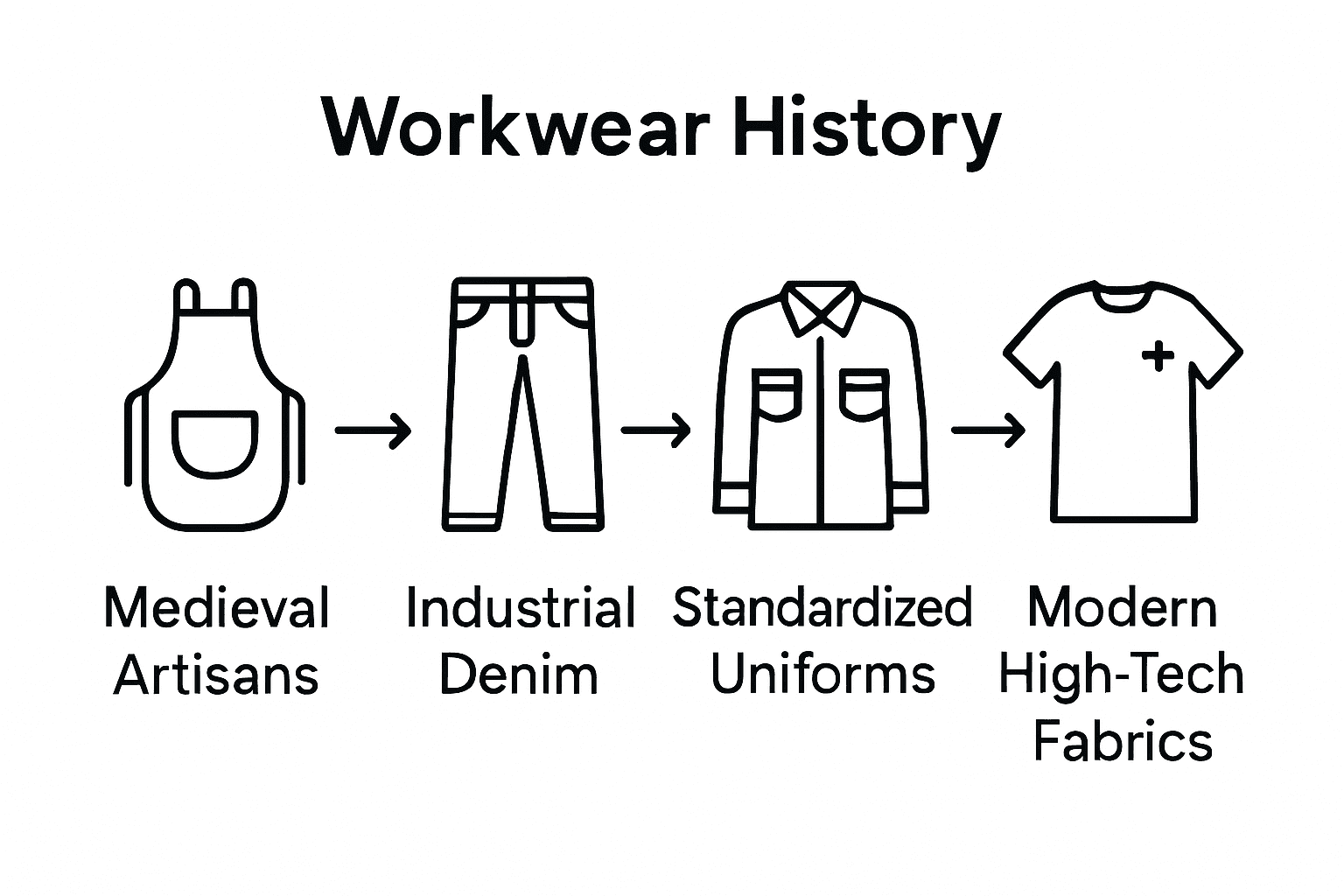
Historically, workwear traces its origins back to medieval times, where leather aprons and specialized protective clothing served soldiers and craftsmen. Understanding Workwear for the Working Man reveals that early workwear wasn’t just about protection - it symbolized skill, profession, and social identity. Trades like blacksmithing, carpentry, and agriculture required clothing that could resist extreme conditions while allowing mobility and comfort.
The evolution of workwear reflects technological and industrial progress. From heavy wool garments of the industrial revolution to modern high-performance synthetic fabrics, workwear has continuously adapted to meet changing workplace environments. Key design considerations have always remained consistent:
- Durability under harsh conditions
- Protection from workplace hazards
- Flexibility for complex physical movements
- Comfort during long working hours
Today, workwear represents a sophisticated intersection of safety engineering, material science, and professional identity - transforming from simple protective gear into a sophisticated expression of trade expertise and personal resilience.
Evolution of Workwear Fabrics and Designs
The journey of workwear fabrics is a testament to human ingenuity, transforming from basic protective layers to sophisticated performance gear. According to research from textile history, workwear materials have undergone dramatic changes, reflecting technological advances and the evolving needs of different trades.
During the Industrial Revolution, Top Trades Gear and Apparel for 2025 highlights how fabrics like denim emerged as a breakthrough for durability. Heavy wool and sturdy cotton gave way to more advanced textiles designed to withstand extreme workplace conditions. Miners, factory workers, and agricultural laborers needed clothing that could resist wear, tear, and environmental challenges.
Key fabric evolution milestones include:
- Transition from natural fibers like wool and linen to synthetic materials
- Introduction of reinforced seams and stress-points
- Development of fire-resistant and chemical-resistant textiles
- Integration of stretch fabrics for increased mobility
Modern workwear designs now incorporate cutting-edge materials like moisture-wicking synthetics, flame-retardant blends, and lightweight yet incredibly strong fabrics. These innovations ensure that today’s workers have clothing that not only protects but also enhances performance across diverse and demanding work environments.
Influence of Industrialization on Work Clothing
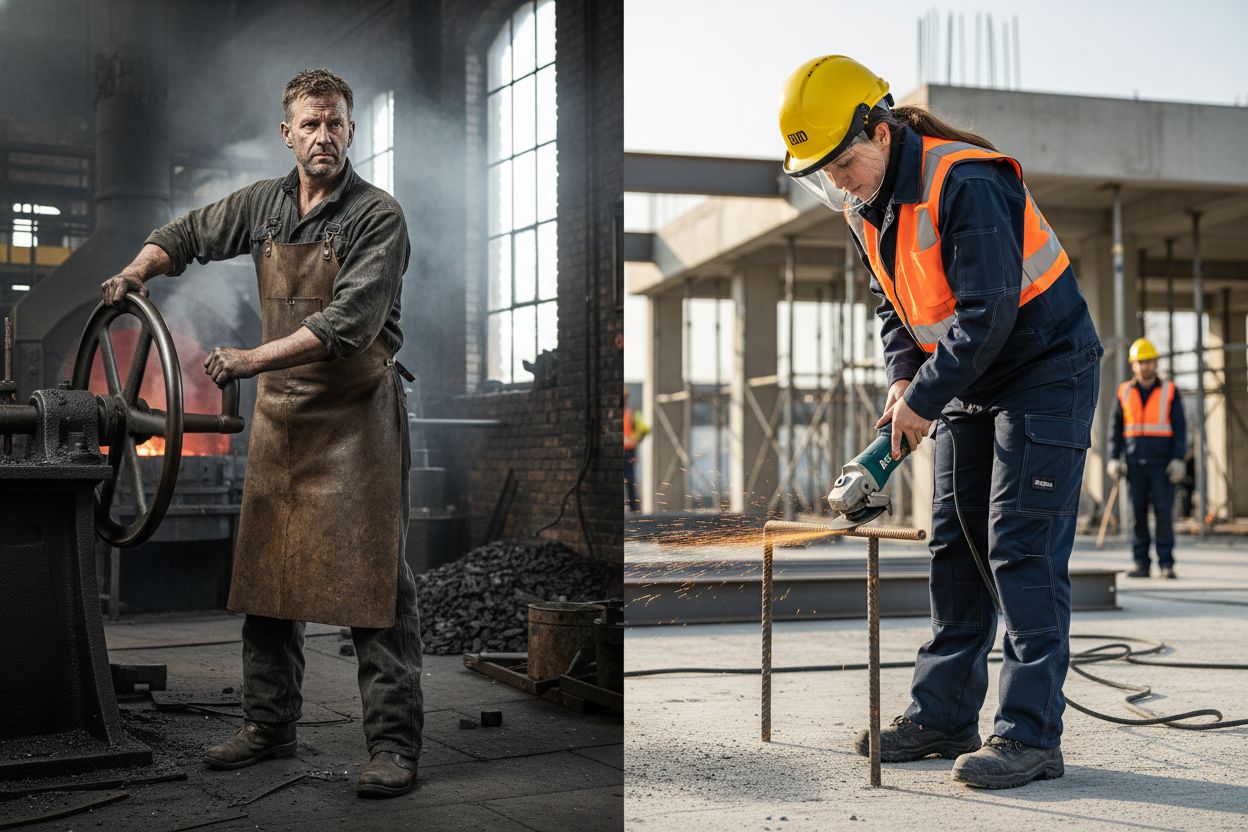
The Industrial Revolution fundamentally transformed workwear, turning clothing from simple protective gear into a critical component of workplace safety and efficiency. Industrialization dramatically reshaped how workers dressed, responding to the unprecedented demands of mechanized production and urban factory environments.
According to historical research, this era marked a pivotal shift in textile manufacturing and worker clothing design. Understanding the Blue Collar Dress Code reveals how new industrial jobs necessitated specialized clothing that could withstand harsh mechanical environments. Cotton and denim emerged as revolutionary fabrics, with railroad workers and miners adopting durable uniforms that could protect against workplace hazards.
Key transformations in industrial workwear included:
- Mass production of standardized work uniforms
- Introduction of safety-focused clothing designs
- Adoption of durable, machine-washable fabrics
- Incorporation of practical features like reinforced pockets
The standardization of workwear during this period wasn’t just about functionality - it represented a profound social shift. Workers’ clothing became a visual symbol of industrial progress, reflecting the mechanization of labor and the emerging identity of the industrial working class. From heavy-duty denim overalls to specialized protective gear, workwear evolved from a mere necessity to a sophisticated expression of professional capability and workplace resilience.
Iconic Workwear Styles and Their Origins
Workwear styles have evolved from purely functional garments to powerful symbols of professional identity and craftsmanship. The iconic workwear pieces we recognize today carry rich histories that reflect the ingenuity and resilience of working professionals across different industries.
Best Affordable Workwear Brands for Tough Jobs 2025 highlights how certain garments have transcended their original purposes. The chore jacket, originating in late 19th-century France as ‘bleu de travail,’ began as a protective layer for laborers and has since transformed into a versatile fashion staple. Similarly, denim overalls emerged in the late 19th century as robust protection for workers in physically demanding jobs, representing durability and practicality.
Key iconic workwear styles include:
- Chore jackets: Originally French worker’s uniform
- Denim overalls: Designed for maximum durability
- Carpenter pants: Created with multiple utility pockets
- Flannel shirts: Providing warmth for outdoor workers
These garments tell more than a fashion story - they narrate the evolution of labor, technological progress, and the dignity of manual work.
 From railroad workers to farmers, each piece of clothing represents a unique professional culture, embodying the strength and resilience of those who build, create, and maintain our world.
Here’s a summary of notable workwear styles and their origins:
| Style | Origin | Key Features |
|---|---|---|
| Chore Jacket | France, late 19th century | Durable cotton Utility pockets |
| Denim Overalls | USA, late 19th century | Reinforced stitching Easy movement |
| Carpenter Pants | USA, 20th century | Multiple pockets Hammer loop |
| Flannel Shirt | Scotland, 17th century | Warmth Soft weave |
Cultural Impact and Modern Workwear Trends
Workwear has transcended its utilitarian origins, emerging as a powerful cultural statement that bridges the gap between function and fashion. The cultural significance of workwear reflects a profound respect for manual labor and the working-class identity that shaped industrial societies.
What Durable Work Clothing Means for a Working Man explores how traditional workwear like the French ‘Bleu de Travail’ has been reimagined in contemporary fashion. What was once purely functional clothing has now become a symbol of authenticity, with designers incorporating durable fabrics and practical designs into mainstream fashion trends. The aesthetic of workwear represents more than clothing - it’s a narrative of resilience, skill, and pride.
Key modern workwear trend transformations include:
- Integration of technical fabrics into casual wear
- Fashion designers adopting workwear-inspired silhouettes
- Celebrating functional design as a style statement
- Emphasizing durability and multipurpose clothing
Today’s workwear stands as a testament to the enduring appeal of clothing that tells a story - garments that honor the hard work, craftsmanship, and spirit of professionals who build, create, and innovate across industries. From urban runways to construction sites, workwear continues to evolve, bridging the worlds of practical necessity and cultural expression.
Embrace the Strength and Heritage of Workwear Today
Understanding the rich history of workwear reveals its crucial role in protecting hardworking tradespeople and reflecting their identity. If you value durability, comfort, and designs inspired by generations of craftsmanship, you deserve apparel that matches your dedication. Whether you face harsh conditions or long hours, the right gear can boost your confidence and resilience.
Explore our collection of Blue-Collar Working Man Sweatshirt Hoodies designed for strength and comfort in demanding environments.
Don’t wait to upgrade your workwear with rugged apparel that honors your hard work and history. Visit WorkWearComfort.com now and gear up with functional, stylish clothing built for tradespeople like you. While you’re there, check out our Snapback and Dad Hats to complete your look and stay protected on the job.
Frequently Asked Questions
What is workwear and why is it important for tradespeople?
Workwear refers to durable, functional clothing designed to protect professionals engaged in manual labor. It is essential for tradespeople as it provides necessary protection from hazards, enhances performance, and reflects their professional identity.
How has workwear evolved over time?
Workwear has evolved from basic protective garments made of natural fibers to modern high-performance clothing using advanced synthetic materials. This evolution reflects the changing workplace environments and safety requirements across various industries.
What are some key features to look for in modern workwear?
Important features of modern workwear include durability, protection from hazards, flexibility for movement, comfort during long hours, and specialized functionalities like moisture-wicking or flame resistance.
What are iconic workwear styles, and what are their origins?
Iconic workwear styles include chore jackets, denim overalls, carpenter pants, and flannel shirts. These garments originated in the late 19th to early 20th centuries and have evolved from practical work attire to fashionable items, reflecting the dignity and craft of manual labor.
