

Many outdoor workers believe that layering on the thickest clothing guarantees warmth in harsh winter conditions. This common misconception can actually increase the risk of cold injuries when moisture management is ignored. The truth is that effective cold weather work clothes balance thermal insulation, moisture control, and durability to keep you safe and productive. This guide will help you understand how to select gear that truly protects you from the cold, wet, and wind you face on the job every day.
Table of Contents
- Understanding Cold Weather Work Challenges
- Key Materials And Their Performance Characteristics
- Layering: The Foundation Of Cold Weather Protection
- Design And Durability Features For Rugged Work
- Common Misconceptions And Reality Checks
- Standards And Testing For Reliable Cold Weather Apparel
- Practical Selection Tips And Accessories For Cold Work
- Conclusion: Investing In Durable, Functional Cold Weather Workwear
- Find Your Durable Cold Weather Workwear At WorkWearComfort
- FAQ
Key takeaways
| Point | Details |
|---|---|
| Balance insulation with moisture management | Cold weather gear must control both heat retention and sweat to prevent cold stress and maintain warmth. |
| Synthetic insulations outperform natural fibers when wet | Materials like Thinsulate and PrimaLoft retain warmth in damp conditions and dry faster than wool or down. |
| DWR coatings reduce wetting by up to 90% | Durable water repellent treatments preserve insulation efficiency by keeping outer layers dry. |
| Layering systems optimize warmth and breathability | Proper base, mid, and outer layers reduce heat loss by up to 40% while managing moisture escape. |
| Ergonomic designs maintain mobility without sacrificing protection | Strategic reinforcements and tailoring support rugged work demands while keeping you comfortable. |
Understanding cold weather work challenges
Outdoor blue-collar workers in the U.S. regularly face temperatures below freezing, biting winds, and wet snow or rain that challenge even the toughest gear. These conditions create serious hazards including hypothermia, frostbite, and reduced hand dexterity that can lead to injuries. Cold exposure directly impacts your productivity and safety, slowing reaction times and making precise tasks harder to complete.
Moisture control becomes critical when you are working hard in the cold. Sweat accumulates inside clothing, and once fabric gets wet, it loses much of its insulating power. Proper layering and moisture-wicking fabrics reduce heat loss by up to 40%, enhancing safety and comfort in cold work environments. Prolonged exposure combined with physical demands means your clothing must perform consistently hour after hour.
Key cold weather work challenges include:
- Temperatures ranging from 20°F to below zero in many northern states during winter months
- Wind chill that drops effective temperature by 10 to 30 degrees
- Rain, sleet, and snow that saturate clothing and accelerate heat loss
- Reduced manual dexterity that increases accident risk
- Physical exertion that generates sweat, creating internal moisture problems
Understanding these challenges highlights why choosing the right materials and construction is crucial for your safety and performance on the job.
Key materials and their performance characteristics
Selecting cold weather workwear starts with understanding how different insulation types and fabric treatments perform under real job site conditions. Synthetic insulations like Thinsulate and PrimaLoft maintain warmth even when wet, dry significantly faster than natural materials, and withstand repeated washing and rough use. These properties make synthetics ideal for outdoor workers who encounter moisture regularly.
Natural insulation options like wool and down offer excellent warmth when dry but come with trade-offs. Natural wool fibers provide excellent insulation and moisture-wicking but are less durable and slower to dry compared to synthetics, requiring careful layering to avoid wet cold exposure. Down loses nearly all insulating ability when wet and takes hours to dry, making it risky for unpredictable weather.
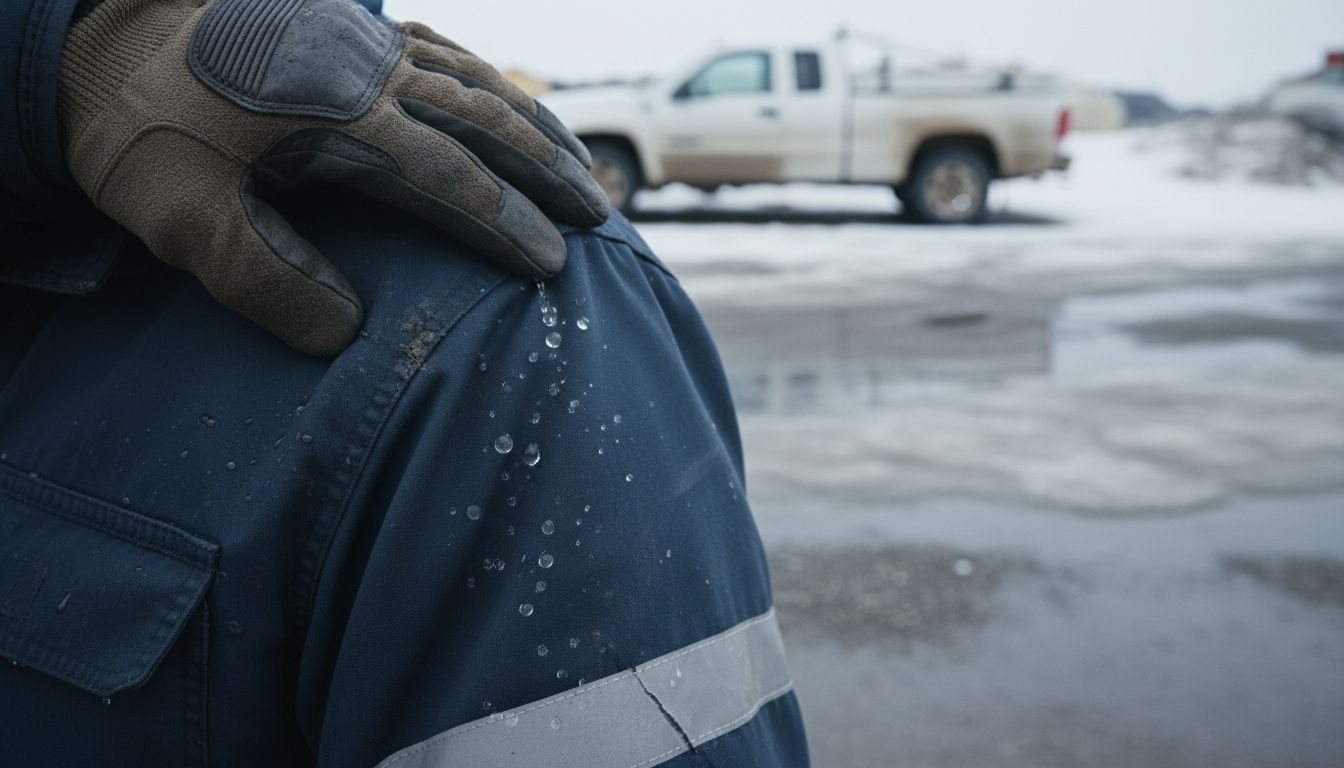
Durable water repellent coatings represent a game changer for cold weather protection. Workwear treated with DWR coatings repels rain and snow, significantly reducing internal moisture and heat loss. These treatments reduce wetting by up to 90%, preserving the insulation underneath and keeping you warmer longer. Breathable membranes like Gore-Tex balance water resistance with moisture vapor escape, preventing sweat buildup while blocking external wetness.
| Material Type | Warmth When Wet | Dry Time | Durability | Best Use |
|---|---|---|---|---|
| Synthetic (Thinsulate, PrimaLoft) | Excellent | Fast | High | Wet, variable conditions |
| Wool | Good | Slow | Moderate | Dry, moderate activity |
| Down | Poor | Very slow | Moderate | Dry, extreme cold only |
| DWR-treated fabrics | N/A (outer layer) | Fast | High | All weather protection |
Choosing materials depends on your specific work conditions. If you face wet snow, rain, or high activity levels that generate sweat, synthetic insulations paired with DWR-treated outer layers offer the most reliable protection. For consistently dry, extremely cold environments, natural insulation may work, but synthetics still provide a safer margin of error.
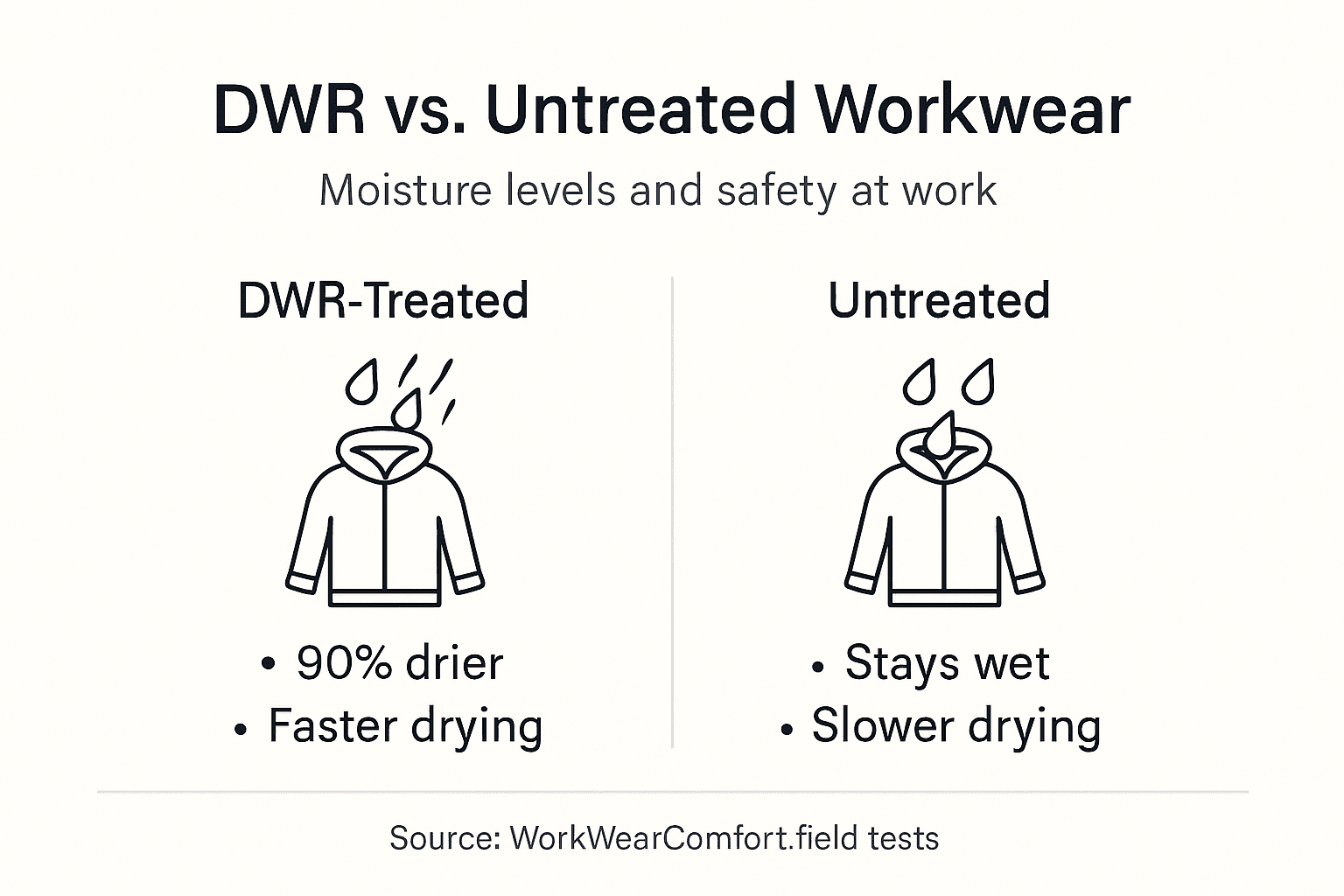
Pro Tip: Always check if DWR coatings can be reapplied after washing. Many treatments wear off over time, but spray-on or wash-in products restore water resistance and extend garment life.
For more guidance on fabric selection, explore our cold work clothes fabric guide to match materials to your trade and climate.
Layering: the foundation of cold weather protection
Layering is the most effective strategy for managing temperature and moisture during cold weather work. This system reduces heat loss and controls sweat by using three distinct garment types that work together. Proper layering and moisture-wicking fabrics reduce heat loss by up to 40%, enhancing safety and comfort in cold work environments.
The three-layer system works as follows:
- Base layer wicks moisture away from your skin to keep you dry and prevent chilling.
- Mid layer provides insulation by trapping warm air close to your body without adding bulk.
- Outer layer protects from wind and moisture with water-resistant, breathable fabrics.
Each layer serves a specific function, and skipping one compromises the entire system. Base layers made from merino wool or synthetic fabrics pull sweat away from skin, preventing the cold, clammy feeling that leads to heat loss. Mid layers like fleece or synthetic insulated jackets trap air for warmth without restricting movement. Outer shells block wind and repel moisture while allowing sweat vapor to escape.
Layering combinations vary based on temperature and work intensity:
- 20°F to 32°F with moderate activity: lightweight base layer, fleece mid layer, windproof shell
- 0°F to 20°F with heavy activity: midweight base layer, insulated mid layer, waterproof breathable shell
- Below 0°F or low activity: heavyweight base layer, thick insulated mid layer, windproof waterproof shell
Adjust layers throughout the day based on exertion level and weather changes. Removing or adding a mid layer takes seconds and prevents overheating or chilling.
Pro Tip: Avoid cotton at all costs. Cotton absorbs moisture, dries slowly, and loses all insulating ability when wet, making it dangerous in cold weather work.
For detailed layering strategies tailored to your job, visit our layering cold weather workwear guide.
Design and durability features for rugged work
Garment construction directly impacts how long your cold weather workwear lasts and how well it protects you under demanding conditions. Abrasion-resistant fabrics like ripstop nylon and reinforced polyester withstand scraping against rough surfaces, equipment, and materials common on job sites. Strategic reinforcements at high-wear areas like knees, elbows, shoulders, and seams extend garment life significantly.
Workwear treated with DWR coatings repels rain and snow, significantly reducing internal moisture and heat loss. Windproof treatments block cold air infiltration that creates wind chill, keeping your core temperature stable even in gusty conditions. These protective features must be combined with breathability to prevent sweat accumulation during physical work.
Ergonomic tailoring maintains mobility and comfort during tasks that require bending, reaching, and lifting. Articulated elbows and knees, gusseted crotches, and action backs allow full range of motion without binding or restricting movement. Poorly designed workwear that fits too tight or lacks mobility features forces you to choose between protection and productivity.
Key durability and design features to look for include:
- Double or triple stitched seams that resist tearing under stress
- Bar tack reinforcements at pocket corners and stress points
- Abrasion-resistant overlays on shoulders for carrying materials
- Adjustable cuffs, waists, and hoods for customized fit and weather sealing
- High-visibility reflective trim for safety in low light conditions
Clothing design impacts both safety and productivity by keeping you protected without slowing you down. Investing in well-constructed gear with thoughtful features pays off through longer garment life and better on-the-job performance.
Explore our guides on durable winter work jacket features and workwear construction quality for deeper insights into what makes cold weather gear last.
Common misconceptions and reality checks
Several myths about cold weather workwear lead workers to make poor clothing choices that compromise safety and comfort. Understanding the reality behind these misconceptions helps you select gear that truly performs.
Myth: Thicker clothing always means better warmth. Reality: Moisture management matters more than bulk. A thin, moisture-wicking base layer under a well-insulated mid layer and waterproof shell outperforms a single thick garment that traps sweat. Wet clothing loses up to 90% of its insulating ability, making thickness irrelevant if moisture is not controlled.
Myth: Natural down is the warmest insulation available. Reality: Synthetic insulations perform better in wet conditions common to outdoor work. Down collapses when wet and takes hours to dry, leaving you vulnerable to cold. Synthetics like Thinsulate maintain loft and warmth even when damp, providing reliable protection throughout your shift.
Myth: Waterproof equals best protection. Reality: Breathable water-resistant layers balance comfort and protection better than fully waterproof fabrics. Completely waterproof materials trap sweat inside, creating internal moisture that chills you. Water-resistant fabrics with breathable membranes block external moisture while allowing sweat vapor to escape.
“The biggest mistake I see is workers piling on thick cotton sweatshirts thinking more layers equal more warmth. Once that cotton gets wet from sweat or snow, you are colder than if you wore nothing. Switching to synthetic base layers and proper shells changed everything for my crew.” — Experienced construction foreman
Misunderstanding these points causes cold stress, discomfort, and increased injury risk. Evaluate materials and garment features based on how they manage both heat and moisture, not just how thick or warm they feel in the store.
Standards and testing for reliable cold weather apparel
Formal standards and certifications provide objective benchmarks for evaluating cold weather workwear performance. ASTM F2732-19 cold protective clothing standards define performance requirements to ensure thermal resistance and durability. These standards outline minimum insulation levels, air permeability limits, and water resistance thresholds that garments must meet.
Thermal resistance benchmarks verify that insulation maintains effectiveness across temperature ranges typical of outdoor work. Testing protocols simulate real-world conditions including wind, moisture exposure, and repeated wear to validate long-term performance. Certification helps distinguish reliable cold weather workwear brands from those making unsubstantiated marketing claims.
Key standards and certifications to look for include:
- ASTM F2732-19 for overall cold protective clothing performance
- ISO 11079 for required clothing insulation values based on work activity and temperature
- EN 342 for cold weather protective clothing in European markets (often adopted by U.S. manufacturers)
- ANSI/ISEA 107 for high-visibility requirements when working near traffic or equipment
Understanding standards aids in making confident purchase decisions by providing third-party validation of manufacturer claims. Garments meeting these standards have been tested to withstand job site stresses and weather conditions, giving you assurance that your investment will perform when it matters most.
Look for hang tags, product descriptions, or manufacturer websites that reference specific standard compliance. If this information is not readily available, contact the manufacturer directly or consider alternative brands that transparently share testing and certification data.
Practical selection tips and accessories for cold work
Selecting proper cold weather gear requires matching insulation levels and features to your specific work intensity and weather conditions. High-activity jobs like roofing or concrete work generate significant body heat, requiring lighter insulation with excellent breathability. Lower-activity roles like equipment operation or inspection need heavier insulation to compensate for reduced metabolic heat production.
Cold weather work gloves with Thinsulate insulation improve manual dexterity retention by 30% compared to traditional wool gloves. Glove selection should prioritize insulation type, water resistance, and ergonomic design that allows precise finger movements. Look for gloves with synthetic fills, reinforced palms, and enough flexibility to operate tools and equipment safely.
Footwear combines insulation and waterproofing to protect your feet from cold and wet conditions. Insulated work boots rated to at least 200 grams of Thinsulate provide adequate warmth for most cold weather work, while 400 to 600 grams suits extreme cold or stationary work. Waterproof membranes keep feet dry, and slip-resistant outsoles maintain traction on ice and snow.
Practical selection tips include:
- Match gear insulation to activity level: lighter for high exertion, heavier for low activity
- Prioritize moisture management features like wicking base layers and breathable shells
- Choose gloves that balance warmth with dexterity for your specific tasks
- Select boots with insulation ratings appropriate to your coldest work conditions
- Layer properly to maintain flexibility and avoid overheating during variable activity
- Invest in accessories like insulated hats, neck gaiters, and moisture-wicking socks
Accessories complement your main clothing system by sealing gaps and providing targeted protection. Insulated hats prevent heat loss through your head, neck gaiters block wind, and quality socks wick moisture away from feet. Choose accessories that integrate with your layering system rather than working against it.
For comprehensive guidance, explore our resources on choosing cold weather work gear, selecting winter jackets, and winter workwear safety tips.
Conclusion: investing in durable, functional cold weather workwear
Choosing cold weather work clothes that balance insulation, moisture control, and durability directly enhances your safety, comfort, and productivity on the job. Proper gear reduces the risk of cold-related injuries like hypothermia and frostbite while maintaining the dexterity and mobility you need to work effectively. Durable, well-designed garments withstand the toughest conditions and last multiple seasons despite daily wear and harsh treatment.
Adopting a layering system and selecting appropriate materials optimizes protection across varying temperatures and activity levels. Synthetic insulations, DWR-treated outer layers, and breathable fabrics work together to keep you warm and dry without adding unnecessary bulk or restricting movement. Understanding standards and certifications helps you identify quality gear that meets objective performance benchmarks.
Investing in functional cold weather workwear pays off through reduced discomfort, fewer sick days, and better job performance. The right clothing allows you to focus on the task at hand rather than fighting the cold, making you more efficient and safer throughout the winter season.
Find your durable cold weather workwear at WorkWearComfort
WorkWearComfort offers carefully selected, durable cold weather work clothes that meet the high standards you need to stay safe and comfortable on the job. Our expert comparison guides and practical tips help you find ideal gear tailored to your trade and conditions.
Explore our workwear basics guide to understand essential features, browse our best workwear for tradesmen comparison to see how different options stack up, or shop durable workwear designed specifically for blue-collar outdoor work. From insulated gloves and jackets to complete layered solutions, we help you invest in gear built to perform when harsh weather demands it most.
FAQ
What fabrics best balance warmth and durability for cold workwear?
Synthetic insulations like Thinsulate and PrimaLoft offer the best combination of warmth retention and durability, especially when exposed to moisture. These materials maintain their insulating properties even when damp and dry much faster than natural alternatives. Wool provides decent insulation and natural moisture-wicking but wears out faster under rough use and takes longer to dry. Look for outer layers with DWR treatments that provide water resistance while maintaining breathability for optimal performance across varying conditions. For detailed fabric comparisons, visit our winter work clothes fabric guide.
How does layering improve worker comfort in cold environments?
Layering creates an efficient thermal management system by trapping heat in air pockets between garments while allowing moisture vapor to escape. This approach reduces the risk of both overheating during high activity and chilling during rest periods. Proper layering lets you adjust insulation quickly by adding or removing the mid layer based on work intensity and weather changes, maintaining comfort throughout your shift. The system works by using a moisture-wicking base layer, an insulating mid layer, and a protective outer shell that blocks wind and moisture. Learn more about effective layering strategies in our cold weather layering benefits guide.
What features should I look for in cold weather work gloves?
Cold weather work gloves with Thinsulate insulation improve manual dexterity retention by 30% compared to traditional wool gloves, making synthetic fills the smart choice for maintaining hand function. Look for ergonomic designs that provide pre-curved fingers and articulated knuckles, allowing you to grip tools and perform precise movements without fighting the glove. Water resistance and breathability increase comfort during extended wear by keeping hands dry from both external moisture and internal sweat. Reinforced palms and fingertips extend glove life when handling rough materials and equipment. Check out our winter gloves selection guide for more detailed recommendations.
How important are water-resistant coatings in cold weather workwear?
Water-resistant coatings are critical for maintaining warmth and comfort in cold weather work. Garments with DWR coatings reduce wetting by up to 90%, which helps preserve warmth by preventing moisture from saturating insulation layers. Keeping gear drier maintains insulation efficiency and heat retention throughout your shift, even in rain, sleet, or wet snow. Water-resistant but breathable fabrics balance external protection with internal moisture escape, preventing sweat buildup that would otherwise chill you. These coatings do wear off over time with washing and use, but they can be reapplied with spray-on or wash-in products to restore performance. Explore our water-resistant workwear benefits guide to understand how these treatments enhance cold weather protection.
