

TL;DR:
- Choosing durable, functional workwear with proper fit and weather protection ensures longevity and performance.
- A core capsule wardrobe includes pants, shirts, a jacket, base layers, safety footwear, gloves, and hi-vis gear.
- Investing in quality gear tailored to specific job hazards saves money and enhances safety over time.
Long shifts, rough surfaces, and unpredictable weather put your clothes through more punishment than most people realize. You need gear that holds up through a ten-hour day without shredding at the seams, restricting your swing, or leaving you soaked in sweat. The problem is that most workwear either sacrifices comfort for toughness or falls apart after a few washes. This guide breaks down the core criteria for choosing workwear that actually performs, walks through the essential pieces every trade professional needs, and highlights the brands worth your money.
Table of Contents
- How to choose workwear: Core criteria and smart strategies
- Essential items: The must-have workwear pieces
- Top brands and standout gear for every trade
- Tailoring your kit: Workwear for unique jobs, weather, and hazards
- What most miss: Building a workwear wardrobe that lasts (and works as hard as you do)
- Find your next workwear staple
- Frequently asked questions
Key Takeaways
| Point | Details |
|---|---|
| Build a capsule wardrobe | You only need 10-15 pieces for a robust, flexible blue-collar gear set. |
| Prioritize durability and health | Invest in quality fabrics and safety features to reduce discomfort and injury risks. |
| Layer for all conditions | Use a three-layer system to stay comfortable and protected year-round. |
| Customize for your job | Select specialty gear for hazards like oil, sparks, or extreme weather. |
How to choose workwear: Core criteria and smart strategies
Building a reliable workwear set starts with knowing what you actually need before you spend a dime. Too many tradespeople buy random pieces over time and end up with a mismatched collection that doesn’t work together or hold up consistently. A smarter approach is the capsule wardrobe method: a focused set of 10 to 15 pieces that cover every condition you face on the job.
A solid best blue-collar gear capsule typically includes two pairs of work pants, three utility shirts, one insulated jacket, two base layers, and bibs or coveralls, as capsule wardrobe research confirms. That’s not a lot of pieces, but each one needs to carry serious weight.
What separates blue-collar workwear from regular clothing comes down to four factors: fabric, fit, functionality, and weather protection. Fabric determines how long a garment survives repeated abuse. Fit affects how freely you can move on a ladder or under a vehicle. Functionality means pockets, loops, and features that actually serve your trade. Weather protection covers everything from sun exposure to freezing wind.
When you’re shopping, prioritize these features:
- Reinforced seams and double-stitching at stress points like knees and pockets
- Full range of motion without pulling or binding at the shoulders and hips
- Breathability through ripstop or stretch-woven fabrics
- Moisture management that pulls sweat away from your skin
- Abrasion resistance on high-wear zones like thighs and elbows
- UPF or weather-resistant coatings for outdoor exposure
“The best workwear doesn’t make you choose between protection and performance. It delivers both without asking you to compromise.”
Pro Tip: Lock in your core capsule first. Two reliable pairs of pants and a quality jacket will serve you better than five cheap pieces that wear out by month three. Once the foundation is solid, add specialty items for specific hazards.
Check out the work pants durability guide for a deeper look at how different fabrics perform under real jobsite conditions. The data there will change how you evaluate options at the store.
Essential items: The must-have workwear pieces
With selection criteria locked in, here’s the core list that anchors every reliable blue-collar wardrobe. Each item has a specific job to do, and skipping any one of them will leave a gap you’ll notice on the wrong day.
- Work pants — Your most-used piece. Look for NYCO (nylon-cotton blend) or ripstop canvas with reinforced knees.
- Utility shirts — Long or short sleeve depending on season. Moisture-wicking synthetics beat cotton for all-day wear.
- Insulated jacket — A mid-weight option handles most conditions. Go heavier for sustained outdoor cold.
- Base layers — Critical for temperature regulation. Merino wool or synthetic blends work best.
- Safety boots — Steel or composite toe, slip-resistant sole, and ankle support for uneven terrain.
- Gloves — Match to your task: cut-resistant for sharp materials, grip-coated for wet surfaces.
- Hi-vis gear — Non-negotiable near traffic, heavy equipment, or low-light environments.
- Coveralls or bibs — Full-body protection for mechanics, painters, and anyone working with chemicals or grease.
For each item, look for these features:
- Gusseted crotch for squat-friendly movement
- Hammer loops and tool pockets placed where you actually reach
- Zippered security pockets for phones and wallets
- Easy-clean or stain-release finishes
- Adjustable cuffs and waistbands
The layering for cold and hot weather jobs three-layer system is the standard for serious tradespeople. Layer one is your base: moisture-wicking, no cotton, pulls sweat away from skin. Layer two is your mid-layer: fleece or insulated vest that traps body heat. Layer three is your outer shell: wind-resistant and waterproof, but breathable enough that you don’t overheat when the work picks up.
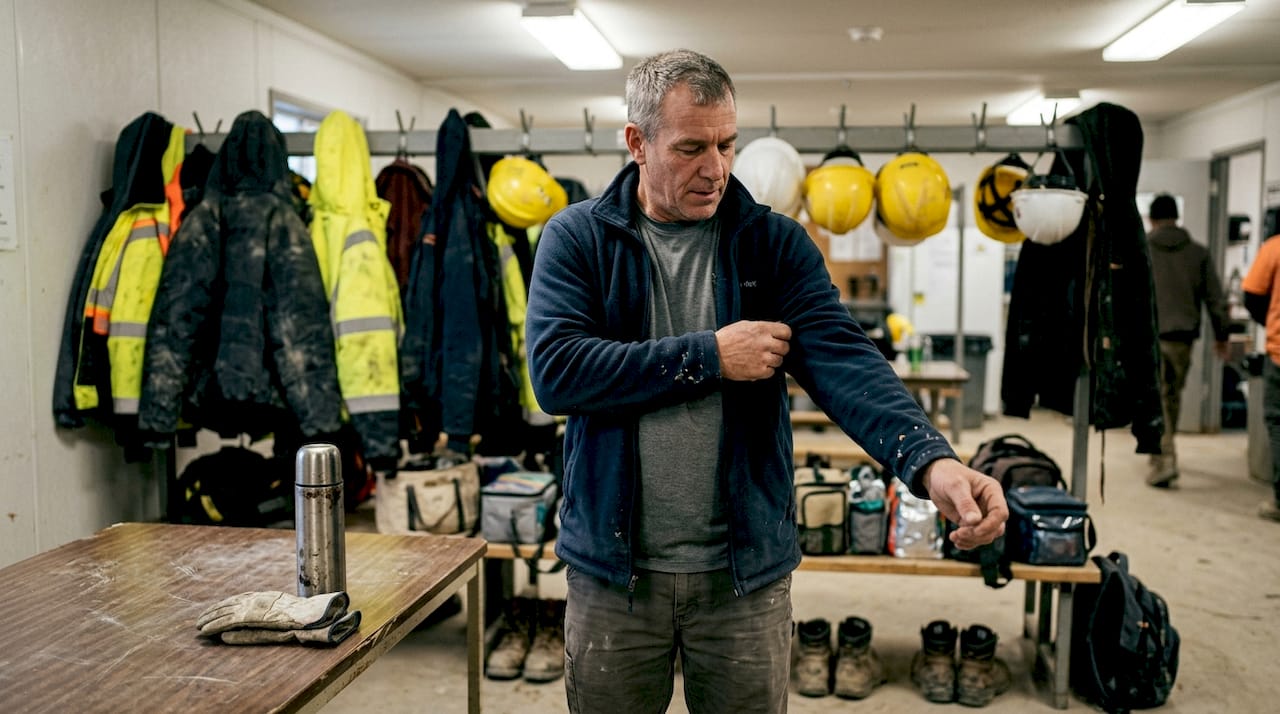
In summer, you may run just base and outer layers, or even a single breathable shirt. In deep winter, all three layers are essential. The system scales up or down without requiring a completely new wardrobe.
For trade-specific recommendations, the top construction workwear breakdown covers how these essentials translate to specific jobsite demands. Budget upgrades matter too: start with boots and pants since those take the most punishment, then invest in better outerwear as your budget allows. Coveralls for mechanics are worth the spend if you’re regularly working under vehicles or around fluids.
Top brands and standout gear for every trade
Knowing what to buy is one thing. Knowing which brands actually deliver is another. The workwear market is crowded, and not every label that markets to tradespeople actually builds for them.
For pants, two brands consistently rise to the top in expert testing. 1620 Workwear and Truewerk are the standout picks for trade professionals, with 1620 earning its reputation for maximum durability using NYCO fabric and USA construction, while Truewerk leads in mobility and breathability. The 1620 durability review puts their Double Knee model at a 9.1 out of 10 for durability, and Truewerk’s T1 pants clock in at 129 pounds of tear strength. Those aren’t marketing numbers. That’s real-world performance data.
| Item | Brand | Best use | Key feature |
|---|---|---|---|
| Work pants | 1620 Workwear | Heavy construction, framing | NYCO fabric, reinforced knees |
| Work pants | Truewerk | Mechanical, active trades | Stretch woven, 129 lb tear strength |
| Insulated jacket | Carhartt | Cold weather, outdoor work | Wind-resistant, durable outer shell |
| Safety boots | Keen Utility | Mixed terrain, long shifts | Composite toe, all-day cushioning |
| Hi-vis jacket | Portwest | Roadwork, site visibility | ANSI-rated, reflective tape |
For jackets, Carhartt remains a reliable standard for outdoor cold-weather work, though brands like Berne and Dickies offer strong value at lower price points. See the worker jacket guide for a breakdown of which cut and insulation level fits your trade.
Boots deserve serious investment. Keen Utility and Thorogood both offer composite-toe options with all-day support that won’t destroy your feet on a ten-hour pour. Steel toe is heavier but offers better crush resistance for heavy equipment environments.
For a side-by-side look at how different workwear options stack up across trades, the clothes comparison resource is worth bookmarking. The best value play is to spend more on the items you wear every single day and be more flexible on specialty pieces you only reach for occasionally.
Tailoring your kit: Workwear for unique jobs, weather, and hazards
Not every worksite or trade needs the same gear. A framer in Phoenix has different priorities than a pipe welder in Minnesota. Getting this wrong means either sweating through a shift or standing at the ER with a preventable injury.
For mechanics and anyone working with fluids, oil-resistant coveralls and slip-grip boots are the right call. Oil contamination on a standard fabric weakens the fibers over time and creates slip hazards. Composite-toe boots with oil-resistant outsoles protect your feet without adding the weight of steel.
For hot weather environments, lightweight synthetic fabrics outperform heavy canvas. Airflow matters more than abrasion resistance when heat exhaustion is the real risk. Ripstop nylon blends keep you cooler and dry faster after a sweat-soaked morning.
| Work scenario | Example hazard | Matching gear |
|---|---|---|
| Mechanics bay | Oil, grease, slip risk | Oil-resistant coveralls, composite-toe boots |
| Outdoor framing, summer | Heat, UV exposure | Lightweight ripstop pants, UPF shirt |
| Welding or grinding | Sparks, heat, burns | FR/NYCO pants, leather gloves, face shield |
| Roadwork or site traffic | Low visibility | ANSI hi-vis vest or jacket |
| Cold-weather concrete | Wind, freezing temps | 3-layer system, insulated bib |
Quick swaps by environment:
- Hot and humid: Switch to moisture-wicking synthetic shirts and vented work pants
- Wet conditions: Waterproof outer layer, slip-resistant boots with deep lug soles
- Spark or flame risk: FR-rated pants and long sleeves, no synthetic base layers near open flame
- Dusty or chemical exposure: Full coveralls with sealed cuffs and a respirator-compatible hood
Pro Tip: If your trade involves any spark or flame exposure, FR/NYCO pants are worth the price premium. A single burn injury costs more in every way than the most expensive pair of flame-resistant pants on the market.
For a broader look at how material choices affect long-term performance, the understanding work clothing guide breaks down fabric science in plain language.
What most miss: Building a workwear wardrobe that lasts (and works as hard as you do)
Here’s the honest truth most workwear content won’t tell you: the biggest mistake tradespeople make isn’t buying the wrong brand. It’s buying cheap gear repeatedly instead of buying quality gear once.
We’ve seen it play out the same way every time. Someone grabs a $25 pair of pants because the $80 option feels steep. Three months later, the cheap pair has blown out at the knee, and they’re back at the store. Over a year, they’ve spent more than the quality pair would have cost, and they’ve worked uncomfortable the whole time.
The what blue-collar means ethos is built on doing things right the first time. That applies to your gear too. Skipping proper base layers because they feel like an extra expense is the same logic. You end up cold, wet, or overheated, and your output suffers for it.
“Buying cheap workwear is like using the wrong tool for the job. It might technically work, but it costs you more in the long run.”
Invest in the pieces you use every day. Protect yourself where the hazards are real. And stop treating your gear as disposable when your work is anything but.
Find your next workwear staple
If this guide has you thinking about upgrading your kit, start with what you wear every day. The right foundation makes every shift more manageable and every job more efficient.
At WorkwearComfort.com, we build apparel for people who actually work for a living. The Blue Collar Brotherhood hoodie is a statement piece that holds up like your best work gear, and the Crafted Strong hoodie brings the attitude of the trades into a premium everyday wear option. These aren’t just hoodies. They’re built for the culture, the grind, and the pride that comes with doing hard work well. Browse the full collection and find gear that represents who you are on and off the clock.
Frequently asked questions
What should every blue-collar worker have in their workwear capsule?
Most workers need at minimum two pairs of durable work pants, a few utility shirts, one weatherproof jacket, safety boots, gloves, hi-vis gear, and coveralls or bibs, as confirmed by capsule wardrobe research covering 10 to 15 essential pieces.
How do I layer workwear for different weather conditions?
Use a three-layer system: moisture-wicking base, insulating mid-layer like fleece, and a wind or waterproof outer shell; scale up or down based on temperature and activity level.
What’s the best brand for heavy-duty work pants right now?
1620 Workwear and Truewerk are the top-rated options for trades, with 1620 leading in maximum durability and Truewerk excelling in mobility and breathability for active work.
How can I adapt my workwear for specific jobs like mechanics or high-heat environments?
Choose oil-resistant coveralls and slip-grip boots for mechanics, and opt for FR/NYCO fabrics if your work involves sparks, grinding, or sustained heat exposure.
Recommended
- Blue-collar work clothing: durable, functional gear for 2026 – WorkWearComfort
- Comfortable workout clothes built tough for blue collar – WorkWearComfort
- Build a durable workwear wardrobe: blue-collar guide – WorkWearComfort
- Understanding Durable Work Clothing for a Blue Collar – WorkWearComfort
- Defining Custom Workwear – Elevating Team Safety and Image
