

Choosing workwear that balances durability, comfort, and style is a real challenge when you’re putting in long hours on demanding job sites. You need gear that can handle abrasion, weather, and heavy use while still looking sharp and feeling comfortable. A functional wardrobe requires more than grabbing whatever’s on sale; it demands planning based on your specific work hazards and daily needs. This guide walks you through assessing your environment, selecting the right materials, building a versatile collection, and maintaining your investment so your workwear performs season after season.
Table of Contents
- Key takeaways
- Assess your work environment and needs
- Choose durable, functional fabrics and materials
- Build a versatile, functional wardrobe with proper fit and layering
- Maintain and care for your workwear to extend life
- Explore durable workwear gear designed for you
- FAQ
Key Takeaways
| Point | Details |
|---|---|
| Hazard assessment | Start by identifying typical hazards and daily tasks to guide fabric selection and features like pockets and knee protection. |
| Durable fabric choices | Choose fabrics based on real world durability with options like heavy cotton duck and NYCO blends for flame resistance and tear resistance. |
| Climate and fit balance | Match fabric weight to climate with separate warm and cool weather pieces and prioritize proper fit for safety and comfort. |
| Capsule wardrobe strategy | Build a 10 to 15 piece neutral capsule wardrobe focused on fit and layering to maximize versatility and manageability. |
Assess your work environment and needs
Before you buy a single piece of workwear, you need to understand exactly what your job throws at you. Identifying typical hazards like abrasion, weather exposure, and tool handling shapes every clothing decision you make. If you’re a welder, flame resistance matters more than waterproofing. If you’re roofing in summer, breathability trumps insulation.
Start by listing your daily tasks and the risks each one presents. Crawling on concrete wears out knees fast. Handling lumber splinters fabric. Electrical work demands non-conductive materials. Weather extremes require layering strategies or specialized fabrics. Your workwear needs mobility for climbing, reaching, and bending, plus utility features like reinforced pockets for tools or loops for gear.
Consider the severity and frequency of each hazard. Occasional rain means a water-resistant jacket works fine. Constant wet conditions demand waterproof bibs. Light abrasion allows lighter fabrics. Heavy abrasion requires heavier canvas or reinforced panels. Track how often you replace current gear and where it fails first. Those weak points guide your next purchase.
Pro Tip: Keep a simple log for two weeks noting when your current gear causes problems. Too hot? Write it down. Pockets rip? Note the task. This documentation reveals patterns that help you prioritize features in your new wardrobe.
“The right workwear starts with honest assessment of what you actually face on the job, not what looks tough in photos.”
For more on matching gear to construction demands, check out understanding workwear for construction to see how different trades approach hazard assessment.
Choose durable, functional fabrics and materials
Fabric choice separates gear that lasts years from stuff that falls apart in months. Heavy-duty work demands 10-12 oz cotton duck, while NYCO blends offer flame resistance and ripstop construction resists tears. Lighter jobs let you use 8-9 oz fabrics that breathe better but sacrifice some durability.
Here’s how popular workwear fabrics compare in real-world performance:
| Brand/Fabric | Weight (oz) | Tear Strength | Abrasion Rating | Best Use |
|---|---|---|---|---|
| Carhartt Duck Canvas | 12 | Excellent | Very High | Heavy construction, welding |
| Dickies Cotton Twill | 8.5 | Good | Medium | General trades, light duty |
| 1620 NYCO Ripstop | 9 | Very Good | High | Electrical, multi-trade |
| Duluth Flex Firehose | 10 | Excellent | High | Carpentry, masonry |
Beyond weight and strength, think about breathability for hot conditions and water resistance if you work outdoors. Cotton duck breathes well but soaks up water. NYCO dries faster and resists stains better. Ripstop weaves prevent small tears from spreading, which matters when you’re constantly snagging on metal edges or rough lumber.
Pro Tip: Match fabric weight to your climate and season. Heavy 12 oz canvas works great in cold weather but turns into a sauna in summer heat. Consider owning separate warm and cool weather pieces rather than compromising year-round comfort.
Explore specific options at work pants for construction and find local sources through construction work pants near me to see fabric choices in person before buying.
Build a versatile, functional wardrobe with proper fit and layering
A smart workwear wardrobe isn’t about owning tons of clothes. Building a capsule collection with 10-15 core pieces in neutral colors creates mix-and-match versatility that handles any job while keeping your closet manageable. Focus on fit first because poorly fitting gear compromises both safety and comfort.
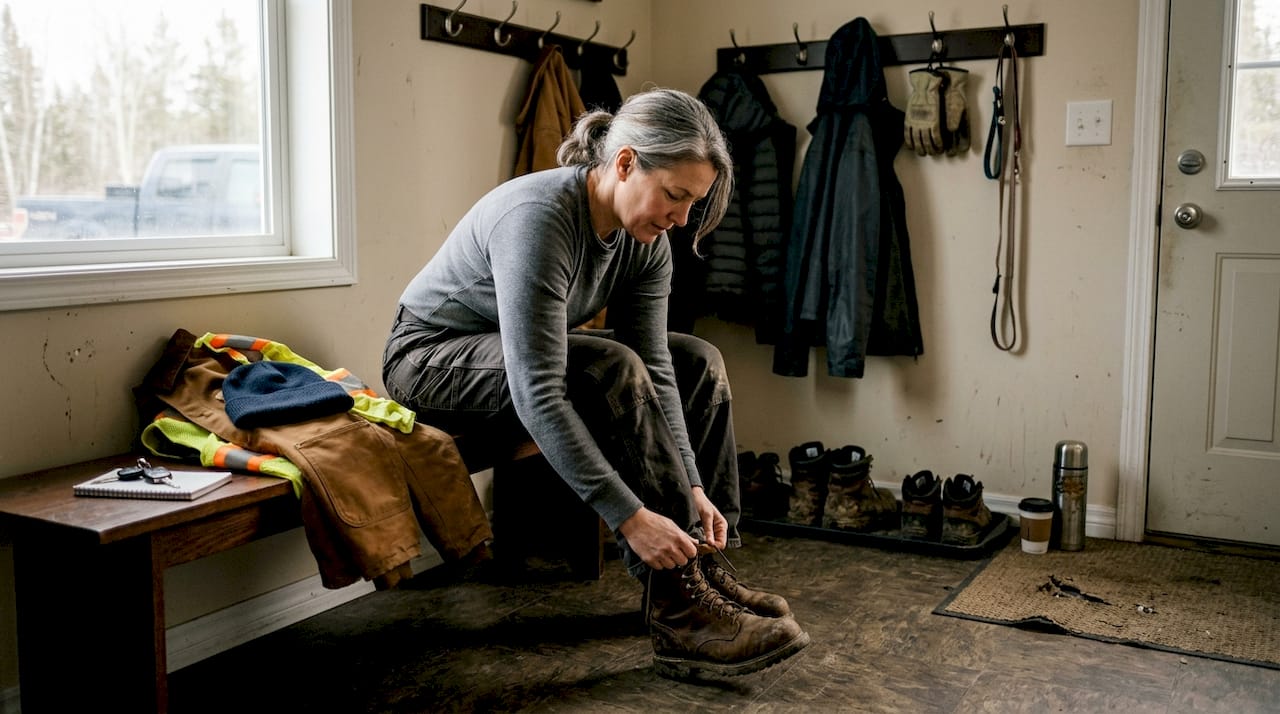
Measure your waist, inseam, chest, and sleeve length accurately. Compare measurements to brand size charts since sizing varies widely. Look for garments with stretch panels or adjustable features like elastic waistbands, gusseted crotches, and articulated knees. These design elements accommodate movement and layering without restricting your range of motion.
Your essential pieces should include:
- Two pairs of work pants (one heavyweight, one lightweight)
- Three utility shirts or polos
- One insulated jacket or chore coat
- Two base layer tops for cold weather
- One pair of bib overalls or coveralls
- Two hoodies or sweatshirts
- Work-appropriate outerwear for rain or extreme cold
Here’s how to layer effectively for different conditions:
| Weather | Base Layer | Mid Layer | Outer Layer | Key Features |
|---|---|---|---|---|
| Hot (80°F+) | Moisture-wicking tee | None | Lightweight shirt | Vented, loose fit |
| Moderate (50-80°F) | Standard tee | Hoodie or vest | Chore coat | Removable layers |
| Cold (Below 50°F) | Thermal base | Insulated hoodie | Heavy jacket | Wind/water resistant |
| Variable | Moisture-wicking tee | Zip hoodie | Packable shell | Easy on/off |
Stick with neutral colors like navy, gray, brown, and black. These shades hide dirt better than light colors and create endless outfit combinations. A wardrobe of three pants and five tops in coordinating neutrals generates over 40 different looks. Add hi-vis or flame-resistant pieces only when your specific job requires them.
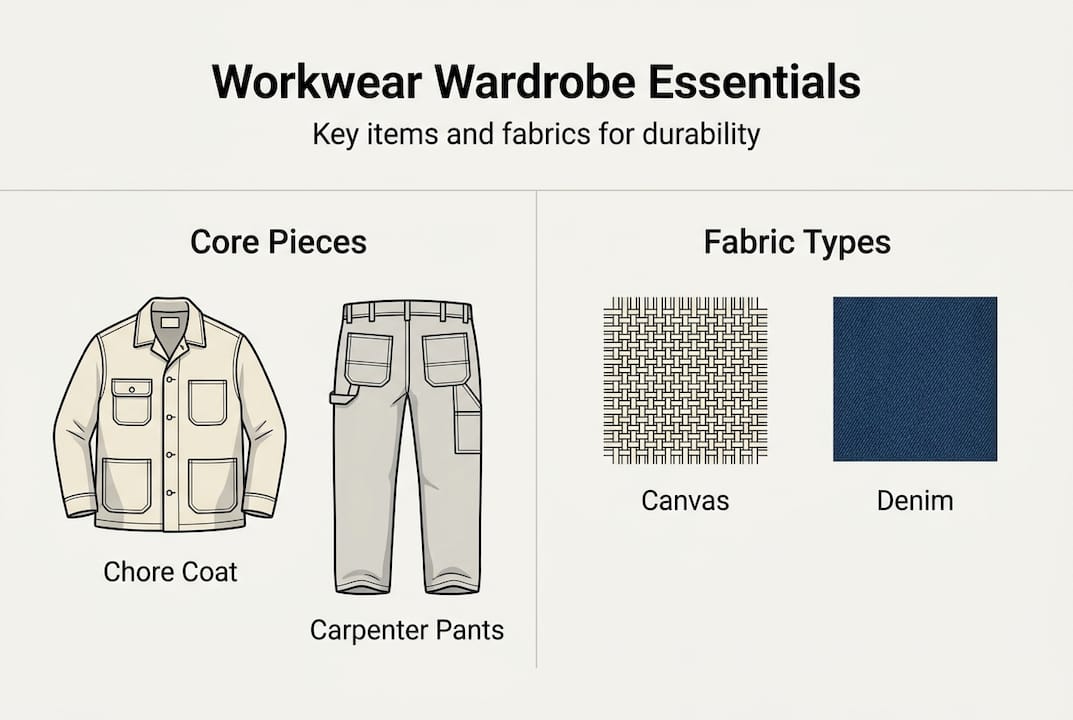
Pro Tip: Invest in timeless workwear styles rather than trendy designs. Classic carpenter pants and chore coats never go out of style and maintain resale value if you need to upgrade.
For more style guidance, visit stylish construction workwear and learn about balancing function with appearance at builders workwear comfort durability.
Maintain and care for your workwear to extend life
Proper maintenance doubles or triples the usable life of quality workwear, protecting your investment and reducing replacement costs. Washing in cold water with mild detergent and air drying preserves fabric integrity far better than hot water and machine drying. Skip the bleach and fabric softeners; they break down fibers and reduce protective features.
Follow these washing guidelines for maximum longevity:
- Turn garments inside out before washing to protect outer surfaces
- Use cold water on gentle cycle to prevent shrinkage and color fading
- Choose mild, work-specific detergents that remove grease without harsh chemicals
- Air dry whenever possible; high heat weakens fibers and causes shrinkage
- Wash flame-resistant gear separately and never use fabric softener
Address minor damage immediately before it becomes major. Sew up small tears the day they happen. Reinforce high-stress areas like pocket corners and knee zones with extra stitching or patches. Rotate your garments so no single piece takes constant abuse. If you wear the same pants five days straight, they’ll wear out five times faster than rotating between two pairs.
Store workwear in a dry, well-ventilated space. Damp closets or garages promote mildew growth that destroys fabric. Hang heavy items like jackets and bibs to maintain their shape. Fold pants and shirts to prevent hanger marks. Keep dirty work clothes separate from clean ones to avoid transferring grime.
Pro Tip: Create a simple repair kit with heavy-duty thread, needles, patches, and spare buttons. Five minutes of immediate repair saves buying replacement gear months earlier.
“Never compromise protective features through improper cleaning. Flame-resistant and hi-vis gear lose their safety properties when washed incorrectly.”
Learn more about quality standards at work wear construction quality to understand what separates gear that lasts from gear that quits.
Explore durable workwear gear designed for you
Building the right workwear wardrobe takes planning, but finding gear that delivers on durability, comfort, and style doesn’t have to be complicated. WorkwearComfort.com offers hoodies and sweatshirts engineered specifically for trades professionals who demand performance on tough job sites and want to look sharp after hours.
Our blue collar brotherhood hoodie combines heavyweight fabric with a fit that moves with you, whether you’re framing walls or grabbing dinner with the crew. The hard work matters hoodie reinforces the values you live by while delivering the durability your job demands. For a classic look that never quits, the skilled labor sweatshirt brings together comfort and toughness in one reliable piece. Explore the full collection to find gear that supports your hardworking lifestyle and complements the wardrobe strategies you’ve learned here.
FAQ
What fabrics are best for hot weather workwear?
Lightweight, moisture-wicking fabrics with excellent airflow keep you cool and dry during hot conditions. Breathable materials like those in Truewerk T1 and Ariat M5 pants perform best in heat by moving sweat away from your skin and allowing ventilation. Look for vented designs and avoid heavy cotton duck in summer. For comprehensive hot weather strategies, see best workwear for hot weather.
How do I ensure my workwear fits properly for safety and comfort?
Measure your waist, inseam, chest, and sleeve length accurately using a flexible tape measure. Poor fit compromises both safety and mobility, so choose adjustable or stretch designs that accommodate your full range of motion. Try garments on with the layers you’ll wear underneath and move through typical work positions to test flexibility before buying.
What are the essential utility features to look for in workwear?
Reinforced pockets for tools, integrated knee pads, and loops or straps for gear enhance function and reduce the time you spend searching for equipment. Look for double-stitched seams, bar-tacked stress points, and hammer loops positioned where you actually use them. These features protect you during demanding tasks and keep essential tools within easy reach.
How often should I replace my workwear?
Replace workwear when it no longer provides adequate protection or comfort, not on a fixed schedule. Inspect gear regularly for worn spots, compromised seams, or damaged protective features. With proper maintenance, quality pants last 12-24 months of daily use, while jackets and outerwear can serve 2-3 years or longer.
Can I mix brands when building my workwear wardrobe?
Absolutely mix brands to get the best performance from each garment type. One brand might excel at pants while another makes superior jackets. Focus on fit, fabric quality, and features rather than brand loyalty. Just ensure colors coordinate across brands so your mixed wardrobe still looks intentional and professional.
