

Finding workwear that is both tough and stylish remains a challenge for many American tradeswomen. In a field where more than forty percent of American construction workers are exposed to hazardous conditions daily, comfort and protection go hand in hand. If you are searching for gear that supports long, demanding days outdoors, you will discover how smart fabric choices, pocket design, sun protection, and modern style can transform your workday from uncomfortable to empowering.
Table of Contents
- 1. Choose Durable, Breathable Fabrics for Comfort
- 2. Prioritize Workwear With Functional Pockets
- 3. Select UPF 50+ Hoodies for Sun Protection
- 4. Pick Work Pants Engineered for Movement
- 5. Go for Protective Features Without Sacrificing Style
- 6. Incorporate Statement Pieces for Confidence
- 7. Layer Smartly for Changing Worksite Weather
Quick Summary
| Key Insight | Explanation |
|---|---|
| 1. Choose breathable fabrics | Opt for lightweight and moisture-wicking materials for comfort and temperature regulation on the job. |
| 2. Functional pockets enhance productivity | Workwear with well-designed pockets keeps essential tools and items easily accessible, improving efficiency. |
| 3. Select UPF 50+ clothing | Incorporate UPF 50+ garments to protect against harmful UV rays during outdoor work conditions. |
| 4. Invest in flexible work pants | Look for work pants designed with stretch and mobility features to support various physical tasks. |
| 5. Layer smartly for weather | Use a strategic layering system to adjust to changing weather conditions on construction sites. |
1. Choose Durable, Breathable Fabrics for Comfort
Construction workers know that comfort isn’t just a luxury it’s a workplace necessity. The right fabric can make the difference between an uncomfortable workday and one where you feel supported and ready to tackle any challenge.
When it comes to workwear, breathability is more than just a buzzword. It’s a critical factor in maintaining your body’s temperature and managing moisture during long hours on job sites. Moisture transfer mechanisms in high performance fabrics can actually help regulate your body’s comfort by allowing sweat to evaporate quickly and efficiently.
Synthetic and natural fibers each bring unique advantages to workwear. Moisture-wicking synthetic materials can draw sweat away from your skin, while natural fibers like cotton and wool provide additional breathability. The goal is choosing fabrics that prevent heat stress and enhance worker comfort during physically demanding tasks.
Look for work shirts and pants made from performance blends that combine synthetic and natural fibers. Fabrics with strategic ventilation panels, mesh inserts, and lightweight weaves can significantly improve airflow and moisture management. Prioritize materials that offer stretch, durability, and quick-drying properties.
Key Fabric Features to Consider:
- Moisture-wicking capabilities
- Quick-drying performance
- Lightweight construction
- Breathable weave structures
- Stretch for unrestricted movement
Pro tip: When shopping for breathable workwear, perform a simple stretch test in the store by moving around and checking how the fabric moves with your body to ensure maximum comfort and flexibility.
2. Prioritize Workwear With Functional Pockets
In the world of construction work, your clothing is more than just a fashion statement it’s a mobile toolkit. Functional workwear with strategic pocket designs can dramatically improve your daily productivity and comfort on job sites.
Pocket placement and design are critical considerations for workers who need quick access to tools, measuring devices, and personal items. Carpenter jeans and tactical pants represent excellent examples of workwear engineered specifically for manual labor professionals, featuring reinforced pockets and specialized tool loops.
What Makes a Great Pocket Design:
- Multiple compartment sizes
- Reinforced fabric at stress points
- Easy access tool holders
- Secure closures for small items
- Strategic placement for comfortable tool carrying
When selecting workwear, women in construction should particularly pay attention to pants and jackets with thoughtfully designed pockets that accommodate both smaller personal items and necessary work tools. Look for designs that offer depth, durability, and secure closures to prevent items from falling out during physical work.
The right pockets can transform your workday from frustrating to efficient. Imagine having your tape measure, pencil, phone, and safety glasses all within immediate reach without awkward searching or interrupting your workflow.
Pro tip: Before purchasing workwear, perform a mobility test by wearing the garment and mimicking typical work movements to ensure pockets do not restrict your range of motion or create uncomfortable bulk.
3. Select UPF 50+ Hoodies for Sun Protection
Construction work means spending hours under intense sunlight, which can silently damage your skin. UPF clothing provides critical protection against harmful ultraviolet radiation that standard work attire simply cannot match.
Understanding UPF ratings is crucial for outdoor workers. UPF 50+ garments block approximately 98% of UV rays, allowing only 2% of radiation to penetrate the fabric. This means superior protection against potential skin damage and long term health risks associated with sun exposure.
Key UPF Hoodie Features to Consider:
- Tight fabric weave
- Lightweight breathable material
- Long sleeve coverage
- Moisture wicking properties
- Quick drying fabric
When selecting a UPF hoodie, look beyond just the rating. Consider fabric weight, color intensity, and stretch. Darker colors and more tightly woven fabrics typically provide enhanced sun protection. Opt for hoodies with additional features like ventilation panels and stretchy materials that support your range of motion during physical work.
Remember that sun protection is not just about preventing sunburn. It is a critical health strategy that can reduce your risk of skin cancer and premature aging.
Pro tip: Rotate multiple UPF hoodies to ensure consistent protection and allow each garment to maintain its protective qualities through proper washing and care.
4. Pick Work Pants Engineered for Movement
Constructing buildings requires more than strength it demands flexibility. Carpenter jeans exemplify work pants specifically designed for physical movement, offering construction professionals clothing that works as hard as they do.
The right work pants are not just about style but strategic functionality. Women in construction trades require pants that accommodate complex physical demands with smart design features that support unrestricted movement.
Critical Features of Movement-Engineered Work Pants:
- Stretch fabric technology
- Reinforced knee areas
- Gusseted crotch for increased mobility
- Multiple tool carrying pockets
- Adjustable waistbands
- Durable fabric that resists wear
When selecting work pants, prioritize materials that offer four way stretch. Look for pants constructed with blended fabrics that combine durability with flexibility. Pants with articulated knees and strategic seam placement will allow you to climb ladders, bend, and squat without restriction.
Consider your specific job requirements. Painters might need different pant designs compared to heavy equipment operators. The goal is finding pants that feel like a second skin while protecting you from workplace hazards.
Pro tip: Always try work pants in a standing position and perform some basic movements like squatting and reaching to ensure they truly support your range of motion.
5. Go for Protective Features Without Sacrificing Style
Construction workers deserve workwear that protects them without looking like a uniform straight out of a safety manual. Modern protective apparel combines advanced safety technologies with contemporary design aesthetics, proving that functionality and fashion can coexist.
Protective features are not about bulky, uncomfortable gear anymore. Workwear evaluation now considers both safety standards and design appeal to ensure workers feel confident and well protected.
Key Style and Safety Considerations:
- Reinforced fabric in high stress areas
- Sleek silhouettes that allow movement
- Color options beyond traditional safety yellow
- Tailored fits that flatter different body types
- Integrated protective elements
- Modern textile technologies
Today performance fabrics can provide cut resistance chemical protection and impact absorption while looking sharp. Think slim fitting work shirts with hidden protective panels or work pants with strategic reinforcement that do not compromise your professional appearance.
Consider workwear that offers multilayered protection through innovative fabric engineering. Modern textiles can provide impact resistance UV protection and moisture management without adding unnecessary bulk or looking outdated.
Pro tip: When shopping for protective workwear look for pieces that make you feel both secure and stylish invest in versatile items that transition smoothly between job sites and after work activities.
6. Incorporate Statement Pieces for Confidence
Confidence on a construction site starts with how you feel in your workwear. Construction workers can now select PPE that meets safety standards while reflecting personal style, transforming workwear from purely functional to genuinely expressive.
Modern workwear brands understand the importance of creating pieces that boost worker morale and individual expression, offering options that go far beyond traditional bland uniforms.
Statement Piece Strategies:
- Bold color selections
- Unique jacket or vest designs
- Personalized safety gear accessories
- Strategic layering with stylish elements
- Fitted cuts that enhance professional appearance
- Performance fabrics with distinctive textures
Think beyond standard issue gear. A bright colored work jacket or a strategically designed vest can communicate professionalism and personal pride. These pieces should still meet all safety requirements while allowing you to stand out on the job site.
Remember that statement pieces are not about drawing attention away from your work but about feeling empowered and confident in your professional identity. Choose items that make you feel strong capable and uniquely you.
Pro tip: Select statement pieces that complement your work environment select items that add personality without compromising safety or functionality.
7. Layer Smartly for Changing Worksite Weather
Construction sites are unpredictable landscapes where weather can shift dramatically within hours. Understanding strategic clothing layering helps workers maintain comfort and safety across challenging environmental conditions.
A comprehensive layering system involves multiple strategic clothing components designed to manage moisture temperature and protection effectively.
Essential Layering Strategy Components:
- Moisture wicking base layer
- Insulating midlayer
- Weather resistant outer shell
- Breathable performance fabrics
- Adaptable clothing pieces
Start with a lightweight moisture wicking base layer that pulls sweat away from your skin. Add an insulating midlayer like a fleece or lightweight jacket for warmth. Top it off with a weather resistant outer shell that protects against wind rain and unexpected temperature drops.
Consider fabric technologies that offer versatility. Look for pieces that can be easily added or removed adjusting to changing worksite conditions. Merino wool performance synthetics and technical fabrics provide excellent temperature regulation and mobility.
Pro tip: Invest in modular clothing pieces that can be quickly zipped off or layered to adapt seamlessly to shifting workplace environments.
Below is a comprehensive table summarizing the main topics and strategies discussed in the article regarding selecting and prioritizing workwear for optimal performance and comfort.
| Topic | Key Features | Considerations |
|---|---|---|
| Durable Fabrics | Breathability, moisture-wicking, quick-drying | Combine synthetic and natural fibers; perform stretch tests for comfort |
| Functional Pockets | Multiple sizes, strategic placement, secure closures | Ensure ease of accessibility and no restriction to movement |
| UPF Clothing | UV protection, tight weave, lightweight material | Prioritize UPF 50+ rating and durable construction; rotate garments |
| Movement-Engineered Pants | Stretch fabric, reinforced knees, gusseted crotch | Ensure flexibility, proper fit; consider job-specific needs |
| Style and Protection | Reinforced areas, modern design | Balance safety with appearance; seek innovative fabrics |
| Statement Pieces | Bold colors, unique designs | Select items that boost confidence and meet work requirements |
| Smart Layering | Moisture-wicking base layer, insulating mid-layer, outer shell | Adapt layers for varying weather using performance fabrics |
Upgrade Your Construction Workwear with Style and Functionality
Struggling to find workwear that keeps you comfortable through long shifts while showcasing your hard-earned style? This article highlights the essential role of breathable fabrics, functional pockets, UPF 50+ hoodies, and movement-friendly pants in crafting the perfect construction wardrobe. Every worker deserves gear that delivers durability, protection, and confidence without sacrificing appearance.
Discover durable and stylish hoodies designed to protect you from the sun while keeping you agile on the job at All Hooded Sweatshirts - WorkWear Comfort.
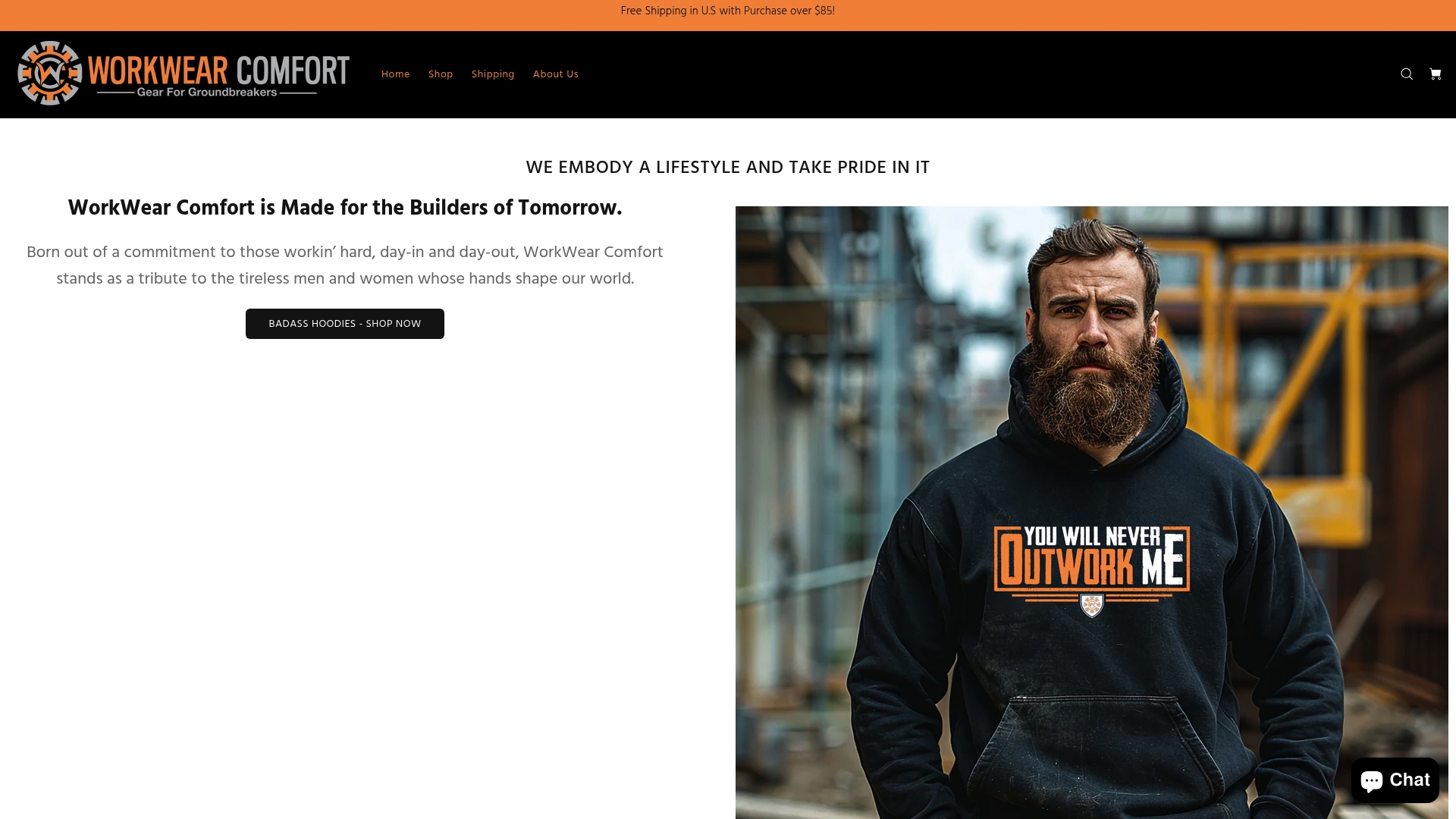
Take control of your workday with apparel that truly respects your needs and values. Visit WorkwearComfort.com now to explore gear that combines rugged performance with signature blue-collar style. Don’t wait to experience comfort designed just for hardworking professionals like you.
Frequently Asked Questions
How can I choose breathable fabrics for construction workwear?
Selecting breathable fabrics is essential for comfort during long work hours. Look for moisture-wicking and lightweight materials that help regulate temperature and manage sweat. For best results, choose blends that combine synthetic and natural fibers to enhance breathability.
What features should I look for in workwear pockets?
When choosing workwear, opt for pants and jackets with functional pockets that provide easy access to tools and personal items. Look for multiple compartment sizes, reinforced stress points, and secure closures to ensure your essentials are safely and conveniently stored.
How do UPF ratings benefit construction workers?
UPF ratings indicate how effectively clothing blocks ultraviolet rays. For optimal protection, choose UPF 50+ garments that block approximately 98% of UV radiation, significantly reducing the risk of skin damage during outdoor work.
What are the key factors when selecting movement-engineered work pants?
When selecting work pants for flexibility, prioritize features like stretch fabric, reinforced knees, and gusseted crotches. Test the pants while performing typical job movements to ensure they allow a full range of motion without restriction.
What are the best strategies for layering construction workwear?
Effective layering involves using a moisture-wicking base layer, an insulating midlayer, and a weather-resistant outer shell. Start with lightweight materials, and ensure each layer can be easily added or removed to adapt to changing weather conditions throughout the workday.
How can I incorporate stylish elements into my workwear?
To blend style with functionality, choose statement pieces like bold-colored jackets or unique vest designs that meet safety standards. Focus on fitted cuts and modern textiles that enhance your professional appearance while ensuring comfort and protection.
