

Over 20 percent of all American workplace injuries happen on construction sites each year, making safety wear a critical concern for anyone in the industry. As job sites grow more complex and regulations tighten, the gear workers trust must provide real protection against multiple dangers, not just basic coverage. This overview explores how modern construction safety wear has transformed, revealing what today’s professionals need to stay safe and meet the latest standards.
Table of Contents
- What Construction Safety Wear Means Today
- Essential Types of Construction Safety Apparel
- Must-Have Safety Features and Innovations
- Workplace Safety Regulations and Compliance
- Risks and Common Mistakes with Workwear
Key Takeaways
| Point | Details |
|---|---|
| Modern Safety Wear | Construction safety apparel has evolved to include advanced materials and technologies for comprehensive worker protection. |
| Regulatory Compliance | Adherence to OSHA regulations and safety standards is essential for safeguarding workers in high-risk environments. |
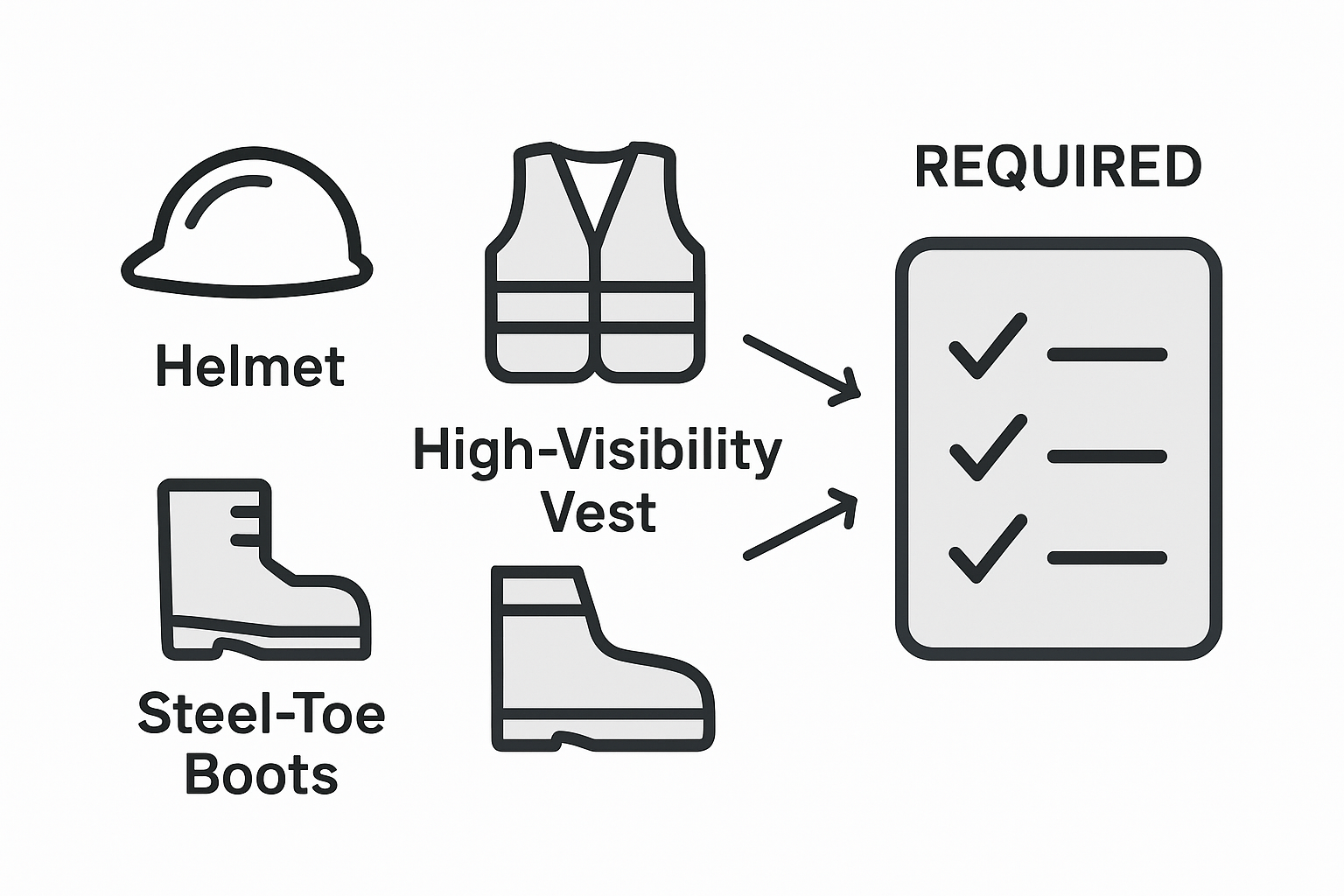
| Critical Gear Components | Essential components of safety apparel include hard hats, safety glasses, steel-toed boots, and high-visibility vests. |
| Common Mistakes | Awareness of unsafe clothing choices and proper equipment maintenance is crucial to prevent workplace injuries. |
What Construction Safety Wear Means Today
Construction safety wear has evolved dramatically from simple protective gear to sophisticated systems designed to safeguard workers in increasingly complex work environments. Understanding workwear for construction reveals how modern personal protective equipment (PPE) goes far beyond basic protection.
Today, construction safety wear represents a comprehensive approach to worker protection mandated by rigorous workplace safety regulations. According to OSHA guidelines, effective safety wear must protect against multiple hazard types including chemical, radiological, physical, electrical, and mechanical risks. This means workers need gear that is not just durable, but strategically engineered to mitigate specific workplace dangers.
The core components of modern construction safety wear typically include:
- Hard Hats: Protecting against head injuries from falling objects
- Safety Glasses: Preventing eye damage from debris and chemical splashes
- Steel-Toed Boots: Guarding feet against heavy equipment and dropped materials
- High-Visibility Vests: Ensuring worker visibility in complex work zones
- Specialized Gloves: Offering protection against cuts, chemicals, and extreme temperatures
Moreover, contemporary safety wear integrates advanced materials and technologies that enhance both protection and comfort. Breathable fabrics, ergonomic designs, and lightweight construction mean workers can maintain high performance without feeling encumbered by their protective equipment. Construction clothes for men now represent a sophisticated blend of safety, functionality, and personal style.
The future of construction safety wear continues to evolve, driven by ongoing technological innovations and a deepening commitment to worker protection. Professionals today understand that quality safety wear is not an expense, but a critical investment in human capital and workplace safety.
Essential Types of Construction Safety Apparel
Construction safety apparel has become a critical component of workplace protection, with specialized clothing designed to shield workers from numerous potential hazards. Work construction clothes represent more than just standard workwear - they are sophisticated protective systems engineered to ensure worker safety in challenging environments.
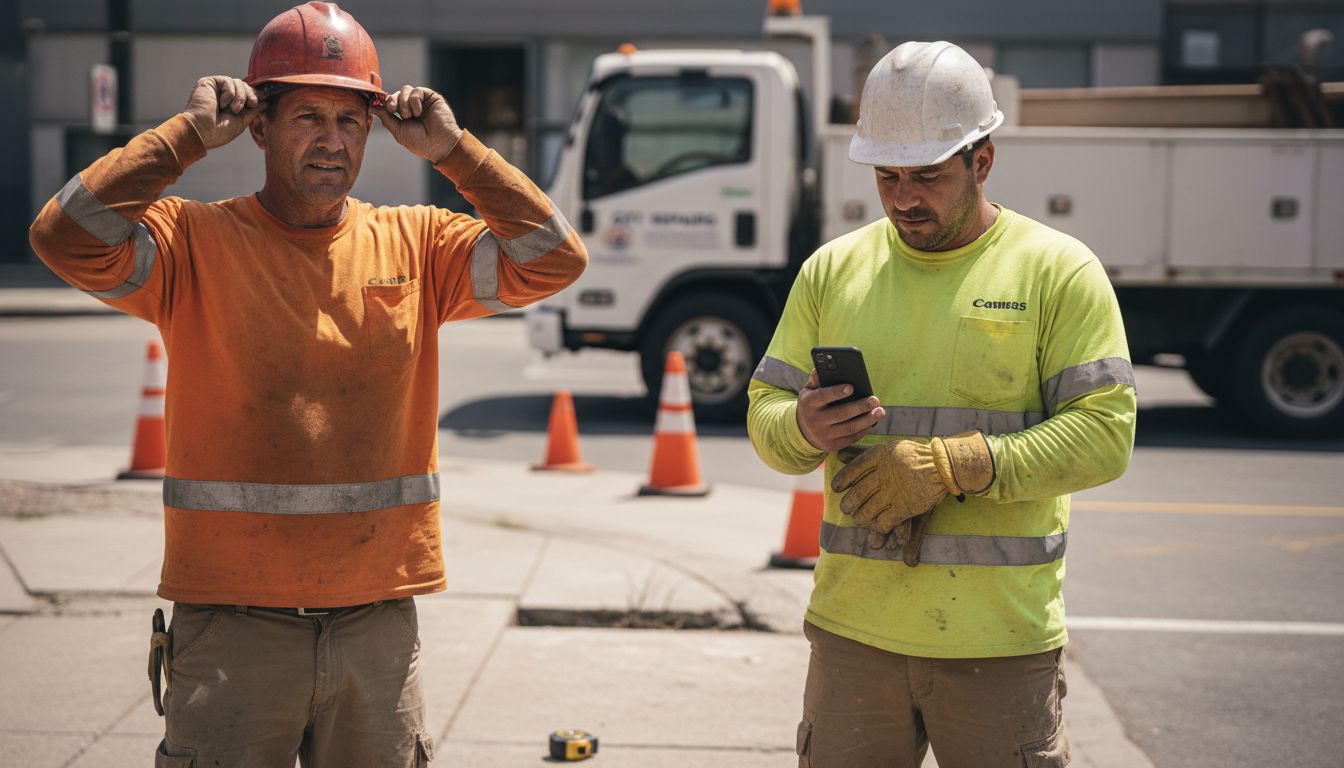
According to comprehensive safety guidelines, essential construction safety apparel encompasses several key protective categories. Head Protection includes hard hats designed to prevent injuries from falling objects, while Eye and Face Protection involves safety glasses and face shields that guard against debris and chemical splashes. Foot protection requires specialized work boots with slip-resistant and puncture-resistant soles, ensuring stable footing in unpredictable work conditions.
The most critical safety apparel components include:
- Hard Hats: Critical for preventing head trauma
- Safety Glasses/Face Shields: Protecting eyes and face from debris
- Steel-Toed Boots: Guarding feet against heavy equipment impacts
- High-Visibility Vests: Ensuring worker visibility in complex work zones
- Flame-Resistant Clothing: Protecting against potential fire hazards
Additionally, safety regulations emphasize the importance of comprehensive clothing coverage. Long pants and shirts with sleeves are mandatory, with specific guidelines prohibiting loose or sleeveless clothing that could get caught in machinery. High-visibility apparel, such as ANSI-compliant reflective vests, becomes crucial in high-traffic areas, dramatically reducing the risk of worker accidents.
Modern construction safety apparel is not just about protection - it’s about creating a comprehensive safety ecosystem that allows workers to perform their duties with confidence and security. The right clothing can mean the difference between a safe workday and a potential life-altering incident.
Must-Have Safety Features and Innovations
Construction safety gear has dramatically transformed, moving beyond basic protective equipment to incorporate cutting-edge technologies and sophisticated design principles. The latest innovations in safety wear are revolutionizing worker protection, combining advanced materials with intelligent design features that address multiple workplace risks simultaneously.
Worker visibility regulations now mandate comprehensive protective strategies that go far beyond traditional safety approaches. High-Visibility Apparel has become a critical safety innovation, with federal guidelines requiring workers in highway zones and construction sites to wear garments that dramatically reduce the risk of being struck by vehicles or equipment. These reflective materials use advanced fabric technologies that enhance worker detection in low-light and high-traffic environments.
Key safety features and innovations in modern construction apparel include:
- Smart Fabric Technologies: Materials that adapt to temperature and environmental conditions
- Embedded Sensor Systems: Tracking worker movement and potential hazard exposure
- Impact-Resistant Materials: Advanced composites that provide enhanced protection
- Breathable Protective Layers: Allowing comfort while maintaining safety standards
- Ergonomic Design Elements: Reducing worker fatigue and improving mobility
According to industrial safety experts, selecting the right personal protective equipment (PPE) involves a nuanced approach that considers multiple safety dimensions. Modern safety wear now incorporates specialized features like puncture-resistant soles, task-specific gloves, ANSI-approved hard hats, and advanced hearing protection systems that adapt to varying noise levels.
The future of construction safety wear is not just about protection - it’s about creating an integrated safety ecosystem that empowers workers to perform efficiently while minimizing risk. Innovative design, smart technologies, and a holistic approach to worker safety are transforming how we think about protective equipment in high-risk work environments.
Workplace Safety Regulations and Compliance
Constructing a safe work environment requires more than good intentions - it demands strict adherence to comprehensive safety regulations that protect workers from potential hazards. Understanding safety regulations is crucial for both employers and employees in the construction industry.
Federal labor standards establish critical guidelines for workplace safety, including the Contract Work Hours and Safety Standards Act (CWHSSA). This legislation sets crucial requirements for contractors and subcontractors on federal service and construction contracts, mandating safe working conditions and overtime protections for workers engaged in projects exceeding $100,000.
Key compliance requirements include:
- Personal Protective Equipment (PPE): Mandatory safety gear tailored to specific job risks
- Work Hour Regulations: Strict guidelines on maximum work hours and overtime compensation
- Safety Training Programs: Comprehensive education on workplace hazard prevention
- Equipment Maintenance Standards: Regular inspection and upkeep of safety equipment
- Incident Reporting Protocols: Systematic documentation of workplace safety issues
OSHA regulations provide extensive guidance on workplace safety, emphasizing the employer’s responsibility to provide properly fitting and maintained personal protective equipment. These standards go beyond basic protection, requiring employers to ensure equipment adequately safeguards employees from job-related injuries, illnesses, and potential fatalities.
Compliance is not just a legal requirement - it’s a moral imperative that protects workers and creates a culture of safety. Construction professionals who prioritize understanding and implementing these regulations demonstrate a commitment to protecting their most valuable asset: their workforce.
Risks and Common Mistakes with Workwear
Constructing a safe work environment requires more than selecting the right equipment - it demands understanding the subtle yet critical mistakes that can compromise worker safety. Preventing workplace injuries starts with recognizing potential risks in everyday work attire.
Industrial safety guidelines caution against several common clothing hazards that workers often overlook. Dangerous Clothing Choices can include seemingly innocuous items like sleeveless shirts, mesh materials, neckties, and loose-fitting garments that can easily become entangled in machinery. Static-producing synthetic fabrics like polyester and nylon pose additional risks, potentially creating dangerous electrical and fire hazards in sensitive work environments.
Common workwear mistakes that compromise safety include:
- Improper Footwear: Wearing shoes without adequate protection in high-risk areas
- Ill-Fitting Protective Gear: Using gloves or equipment that don’t match task requirements
- Neglecting Head Protection: Failing to wear hard hats in areas with overhead risks
- Wearing Inappropriate Fabrics: Choosing materials that increase injury potential
- Ignoring Personal Protective Equipment (PPE) Guidelines: Bypassing established safety protocols
Construction safety checklists emphasize the critical importance of proper equipment maintenance and selection. Workers must ensure safety-toed footwear is used around heavy equipment, gloves are task-appropriate and snug-fitting, and hard hats are worn in areas with potential falling object hazards.
Ultimately, workwear safety is about more than following rules - it’s about creating a culture of awareness where every worker understands that their clothing choices can mean the difference between a safe day on the job and a potentially life-changing accident.
Equip Yourself for Maximum Safety and Comfort on Site
Every construction worker knows the challenge of balancing sturdy protection with comfort to take on tough jobs safely. This article highlights how the right construction safety wear shields you from head to toe against hazards while allowing freedom of movement and breathability. Avoiding common workwear mistakes can help prevent accidents and keep you working confidently and securely.
WorkwearComfort.com offers gear designed especially for hardworking professionals who demand durability and style. Our UPF 50+ Sun Protection Hoodie provides reliable shielding from harmful rays during long hours outdoors. For those operating heavy machines, the Heavy Equipment Operator Hoodie Sweatshirt combines functional design with comfort tailored to your needs.
Don’t compromise your safety or performance on the job. Visit WorkWearComfort.com today to find rugged, reliable apparel that matches your commitment to protection and quality. Get your gear now and experience the difference true workwear can make in keeping you safe every day.
Frequently Asked Questions
What are the essential components of construction safety wear?
Essential components of construction safety wear include hard hats, safety glasses, steel-toed boots, high-visibility vests, and specialized gloves designed to protect against various workplace hazards such as falling objects, chemical splashes, and heavy equipment.
How do modern safety features enhance worker protection?
Modern safety features such as smart fabric technologies, embedded sensor systems, and impact-resistant materials provide enhanced protection by adapting to environmental conditions, tracking worker movements, and improving comfort while maintaining safety standards.
What should workers consider when selecting personal protective equipment (PPE)?
When selecting PPE, workers should consider the specific job risks, ensure proper fit and comfort, and adhere to safety regulations that mandate appropriate protection for head, eyes, hands, and feet based on their tasks.
Why are safety regulations important in the construction industry?
Safety regulations are crucial as they establish guidelines and standards to protect workers from potential hazards, ensuring that employers provide suitable PPE, conduct safety training, and maintain equipment, ultimately fostering a safer work environment.
