

Think comfy work-from-home clothes mean giving up durability? Think again. New fabric technologies combine rugged toughness with soft comfort for blue-collar workers. This guide explores fabrics, design features, trusted brands, and styling tips that deliver the durability and function tradespeople need without sacrificing comfort. Whether you’re managing remote projects or handling hybrid schedules, discover how to maintain your professional identity while maximizing home comfort.
Table of Contents
- Understanding The Unique Needs Of Blue-Collar WFH Apparel
- Fabric And Feature Foundations: Balancing Comfort And Rugged Durability
- Design Innovations: Mobility And Functionality In WFH Workwear
- Top Brands And Their Unique Contributions To Comfy Workwear
- Styling And Practicality: Maintaining Rugged Style At Home
- Common Misconceptions: Comfort Vs Durability Myths
- Psychological Impact And Productivity Benefits Of Comfortable Workwear
- Functional Features: Beyond Comfort—Utility In WFH Clothes
- Explore Durable And Comfy Work-From-Home Hoodies At WorkWearComfort
- FAQ
Key takeaways
| Point | Details |
|---|---|
| Balance is essential | Durable fabrics and ergonomic designs combine toughness with comfort for blue-collar WFH needs. |
| Specialized fabrics work | Cotton duck blends and moisture-wicking materials deliver both ruggedness and softness. |
| Design enhances mobility | Stretch panels and gusseted cuts improve range of motion without sacrificing strength. |
| Trusted brands deliver | Carhartt, Dickies, and emerging brands offer proven durable, comfortable WFH options. |
| Apparel boosts wellbeing | Proper workwear supports mental focus, motivation, and productivity at home. |
Understanding the unique needs of blue-collar WFH apparel
Blue-collar workers face physically demanding tasks that require clothing built to last. Even when working from home, these needs don’t disappear. You still need apparel that handles wear, tear, and movement while supporting your active work style.
Working from home shifts your environment but not your requirements. You need rugged, functional clothing that maintains durability without feeling like a straightjacket. Comfort matters more when you’re home for extended periods, but sacrificing toughness isn’t an option. The right apparel balances both worlds seamlessly.
Proper workwear also supports your identity as a tradesperson. Wearing purposeful, work-ready clothing helps maintain your professional mindset even at home. It signals to yourself and others that you’re serious about your craft, whether you’re in the shop or at your home office.
Key considerations for blue-collar WFH apparel include:
- Durability to withstand physical tasks and frequent washing
- Comfort for extended wear during long home shifts
- Functionality with pockets and features that keep tools accessible
- Style that reflects your blue-collar identity and professionalism
- Flexibility for both sedentary desk work and active project tasks
Choosing blue collar clothes that meet these needs ensures you stay productive and comfortable. Research shows that comfy work wear benefits extend beyond physical comfort to mental wellbeing. Understanding what makes blue collar American apparel distinct helps you make informed decisions. Learning strategies for choosing blue collar apparel empowers you to select garments that truly fit your lifestyle.
Fabric and feature foundations: balancing comfort and rugged durability
Fabric choice forms the foundation of any great WFH workwear piece. Cotton duck, a tightly woven canvas material, delivers exceptional durability while maintaining surprising softness after breaking in. Poly-cotton blends combine the breathability of natural fibers with synthetic toughness, resisting wear while staying comfortable against your skin.
Moisture management separates mediocre apparel from exceptional pieces. Moisture-wicking fabrics can reduce skin moisture by up to 40%, improving comfort during physical tasks. These materials pull sweat away from your body, keeping you dry and preventing the clammy discomfort that distracts from your work. Breathable weaves allow air circulation, reducing heat stress during active projects.
Reinforced stitching and strategic abrasion resistance extend garment lifespan dramatically. Look for double or triple stitching at stress points like shoulders, elbows, and knees. Bar tacking at pocket corners prevents tearing when you load up with tools or gadgets. These construction details mean your clothes last years, not months.
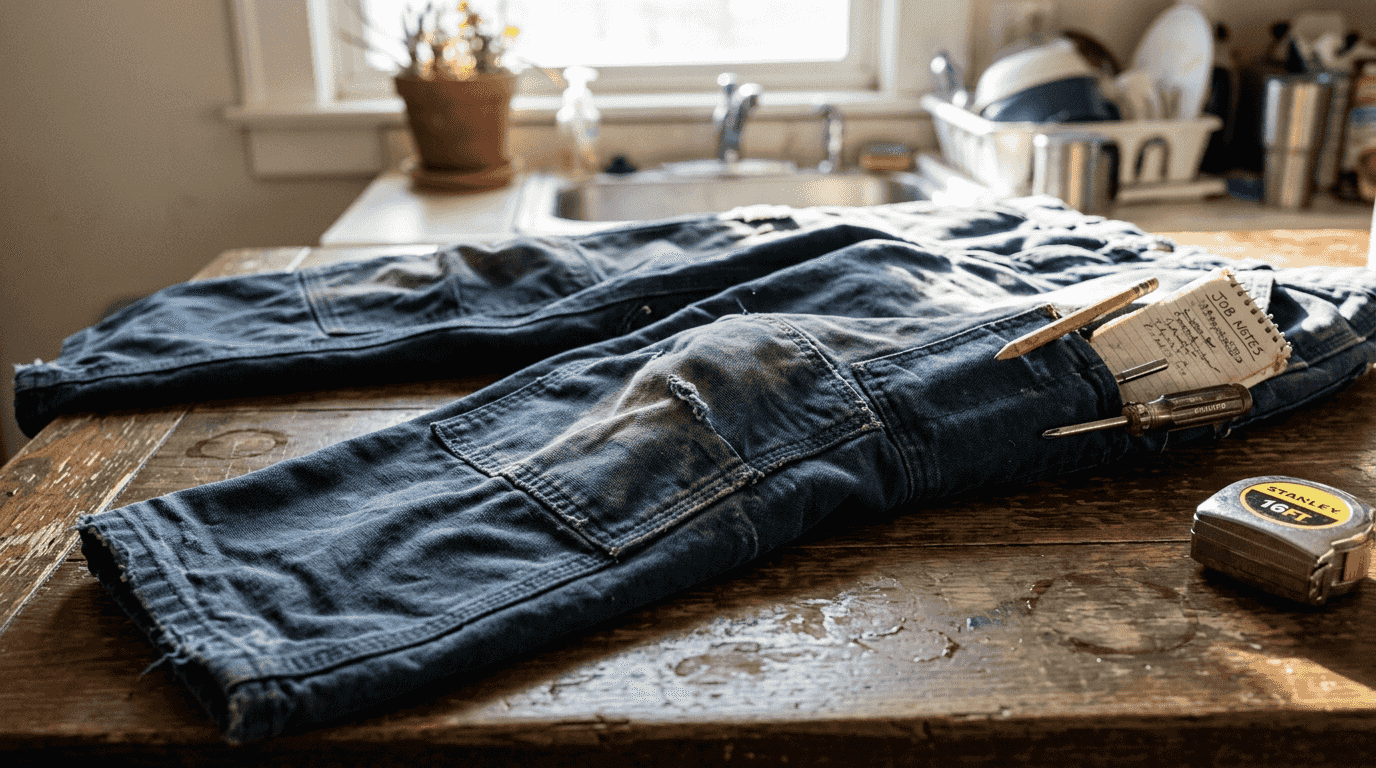
Ergonomic features enhance comfort without compromising structure. Articulated elbows and knees follow natural body movement, reducing fabric pull during bending or reaching. Stretch fabric panels in key areas provide give where you need it most. Gusseted crotches eliminate restriction during squatting or climbing.
Pro Tip: Wash new cotton duck garments inside out with fabric softener for three cycles to accelerate the break-in period without compromising durability.
Key fabric and feature combinations include:
- Cotton duck canvas with 2% spandex for durability plus flexibility
- Poly-cotton ripstop with moisture-wicking finish for tear resistance
- Double-layer knees and elbows with breathable backing
- Flatlock seams that prevent chafing during extended wear
- Fade-resistant dyes that maintain professional appearance
| Fabric Type | Durability Rating | Comfort Level | Best For |
|---|---|---|---|
| Cotton Duck | Excellent | High (after break-in) | Heavy-duty tasks, outdoor work |
| Poly-Cotton Blend | Very Good | Very High | All-day wear, versatile use |
| Stretch Canvas | Good | Excellent | High-mobility tasks, bending |
| Ripstop Nylon | Excellent | Good | Abrasion-prone areas, pockets |
Exploring best work pants helps you understand fabric applications in real products. Comparing workwear for construction workers reveals how different materials perform in demanding conditions. Additional insights on comfortable work-from-home clothes provide broader context for fabric selection.
Design innovations: mobility and functionality in WFH workwear
Modern workwear design prioritizes movement without sacrificing protection. Stretch panels positioned at the lower back, shoulders, and inner thighs expand and contract with your body. This prevents the fabric restriction that causes discomfort during active tasks. Gusseted crotches add crucial room for bending, squatting, and climbing without pulling.
Utility pockets keep essential items within reach even when you’re working from home. Reinforced tool pockets handle the weight of phones, multitools, or small tablets without sagging or tearing. Zippered security pockets protect valuables during movement. Strategically placed cargo pockets on thighs provide easy access without interfering with sitting.
Design balance protects you from wear while maintaining flexibility. Knee and elbow reinforcement adds layers where friction occurs most without adding bulk everywhere else. Articulated joints follow natural body angles, reducing stress on seams and fabric. This targeted approach delivers protection where needed without turning your clothes into armor.
UPF protection integrates sun safety for workers who split time between indoor and outdoor spaces. Many modern workwear pieces feature UPF 50+ fabric that blocks 98% of harmful rays. This matters for hybrid workers who might step outside for projects or calls throughout the day.
Pro Tip: Test mobility by performing a full squat and reaching overhead before buying any workwear. If the fabric restricts movement or pulls uncomfortably, size up or try a different cut.
Key design innovations that enhance WFH workwear include:
- Action backs with pleats or stretch panels for unrestricted shoulder movement
- Articulated knees that pre-bend to match natural leg position
- Low-profile waistbands that stay comfortable during sitting
- Ventilation panels in high-heat areas like underarms
- Adjustable cuffs and hems for personalized fit
These features transform basic clothing into purpose-built workwear. They support your body through varied tasks without constant adjustment or discomfort. Finding comfortable workout clothes principles that apply to workwear helps you identify the mobility features that matter most for your specific needs.
Top brands and their unique contributions to comfy workwear
Carhartt leads the heritage workwear market with over 130 years of experience. Their heavy-duty cotton duck jackets and pants deliver unmatched durability for serious tradespeople. Premium pricing reflects quality construction and materials that last for years. Carhartt excels in traditional workwear but offers fewer modern comfort innovations.
Dickies provides accessible, reliable workwear at competitive prices. Their widespread availability in retail stores makes them convenient for urgent purchases. Dickies balances durability with comfort reasonably well, though fabrics may feel stiffer than premium alternatives. Their extensive sizing options accommodate diverse body types.
Dirty Cowboy MFG targets the premium segment with American-made workwear featuring advanced materials and construction. Their focus on domestic manufacturing appeals to workers who prioritize supporting local industry. Higher prices reflect quality craftsmanship and ethical production, making them a niche choice for those willing to invest.
Workman offers trade-focused designs that balance comfort with wear resistance at affordable prices. Their attention to functional details like reinforced pockets and articulated joints makes them popular among budget-conscious professionals. Quality matches the price point, offering solid value without premium features.
| Brand | Price Range | Key Strength | Best For |
|---|---|---|---|
| Carhartt | $$$ | Extreme durability | Heavy-duty outdoor work |
| Dickies | $ | Accessibility and value | Budget-conscious buyers |
| Dirty Cowboy MFG | $$$$ | American-made quality | Premium buyers |
| Workman | $$ | Functional design | Practical tradespeople |
Exploring various comfortable workout clothes principles helps identify which brand philosophies align with your needs. Detailed blue collar clothes comparison guides provide deeper analysis of how these brands stack up in real-world use.
Styling and practicality: maintaining rugged style at home
Tailored sweat sets and soft knits offer comfort without looking sloppy. These pieces maintain structure through fitted cuts and quality materials while feeling significantly softer than traditional workwear. Modern WFH outfits include tailored sweat sets which balance comfort and presentability, suitable for casual meetings without losing rugged sensibility.
Layering helps retain your blue-collar identity while adapting to home environments. Start with a quality base layer in a neutral color, add a work shirt or hoodie, and finish with a vest or light jacket. This approach lets you adjust comfort throughout the day while maintaining a purposeful appearance. Accessories like work boots or leather belts reinforce your professional identity even in casual settings.
Staying camera-ready for video calls requires minimal effort with the right wardrobe choices. Keep a rotation of clean, wrinkle-resistant tops within reach. Solid colors or subtle patterns photograph better than busy designs. A quick mirror check before calls ensures you project professionalism without overthinking your appearance.
Balancing softness with structured elements prevents looking too casual. Pair comfortable jogger-style pants with a structured button-up shirt. Combine a soft hoodie with more formal work pants. This contrast maintains visual interest and signals that you’re working, not lounging.
Key styling strategies for blue-collar WFH workers include:
- Investing in quality basics in neutral colors that mix easily
- Keeping a dedicated work-only outfit separate from pure loungewear
- Choosing pants with a slight taper for a more polished look
- Selecting hoodies and sweatshirts with minimal graphics for versatility
- Maintaining grooming standards that match your pre-WFH routine
Understanding blue collar streetwear trends helps you incorporate modern style elements without abandoning your roots. Additional perspectives on modern WFH outfits provide inspiration for balancing comfort with professionalism.
Common misconceptions: comfort vs durability myths
Myth: Soft fabrics are fragile and unsuitable for rugged work. Fact: Specialized cotton duck blends combine toughness with softness through advanced weaving techniques and finishing processes. Modern fabric technology delivers both qualities simultaneously without compromise. The key lies in material selection and construction quality, not choosing between comfort and durability.
Myth: Comfortable clothing means bulky or loose fits that restrict mobility. Fact: Ergonomic cuts and stretch panels enhance movement while maintaining a trim silhouette. Well-designed workwear follows body contours closely without binding or pulling. Articulated joints and gusseted panels add room only where needed, preventing the baggy look while maximizing function.
Myth: Durable workwear requires a lengthy, uncomfortable break-in period. Fact: Pre-washed fabrics and enzyme treatments soften materials during manufacturing, delivering day-one comfort. While some premium materials improve with age, you shouldn’t suffer through weeks of stiffness. Quality brands engineer comfort from the first wear.
Myth: Comfort-focused workwear can’t handle real job site conditions. Fact: Reinforced stress points and abrasion-resistant materials maintain protection while feeling comfortable. Strategic layering of durable fabrics at wear zones preserves toughness without adding overall bulk or stiffness. Testing and material science have eliminated the traditional comfort-durability tradeoff.
Key truths about modern workwear include:
- Durability and comfort are complementary with correct fabric choices
- Advanced materials outperform traditional options in both categories
- Proper fit matters more than fabric weight for real-world performance
- Regular maintenance extends lifespan regardless of comfort level
- Higher upfront cost often delivers better long-term value
Understanding these facts helps you make confident purchasing decisions. Modern workwear technology has solved problems that plagued earlier generations of tradespeople. You no longer need to choose between comfort and the rugged performance your work demands.
Psychological impact and productivity benefits of comfortable workwear
Wearing purposeful, rugged workwear at home supports a work-ready mindset. Changing into proper work clothes signals to your brain that it’s time to focus and perform. This mental transition helps separate work time from personal time, even when both occur in the same physical space. The ritual of dressing for work maintains professional boundaries that boost productivity.
Appropriate WFH attire influences productivity and self-perception by balancing comfort and professional readiness in home settings. Studies show workers report higher focus levels and better task completion when dressed in work-appropriate clothing versus pure loungewear. The psychological effect of professional attire persists even without external observers.
Worker testimonials consistently highlight mental benefits of proper workwear. Tradespeople report feeling more confident, capable, and motivated when wearing familiar work clothes at home. The tactile feedback of quality materials and functional features reinforces professional identity. This self-perception directly impacts work quality and satisfaction.
Feeling prepared physically and mentally boosts overall daily wellbeing and output. Comfortable clothing eliminates physical distractions like chafing or restriction that fragment attention. Mental confidence from appropriate attire reduces anxiety about appearance or professionalism. Together, these factors create optimal conditions for sustained high performance.
“Switching into my work hoodie completely changes my headspace. Even at home, I feel like I’m on the job and ready to handle whatever comes up. It’s not about looking good for others, it’s about feeling right for myself.” — Mike T., Construction Project Manager
The connection between attire and psychology runs deeper than surface appearance. Clothing serves as external scaffolding for internal states, supporting the mental frameworks that drive productivity. Investing in quality WFH workwear pays dividends in focus, motivation, and job satisfaction. Additional insights on WFH attire and productivity validate these connections through research and expert analysis.
Functional features: beyond comfort—utility in WFH clothes
UPF 50+ fabric integration protects hybrid indoor-outdoor workers from sun exposure without added layers. This built-in defense blocks 98% of harmful UV rays, preventing skin damage during outdoor tasks or breaks. The protection remains effective through washing and wear, unlike topical sunscreens that require reapplication. For workers splitting time between spaces, integrated UPF eliminates one more thing to remember.
Reinforced elbows and knees extend garment life where wear concentrates most. Double or triple fabric layers at these stress points prevent the thinning and tearing that typically ends a garment’s useful life. Some designs incorporate different materials like Cordura nylon patches for extreme durability without overall stiffness. This targeted reinforcement delivers protection efficiently.
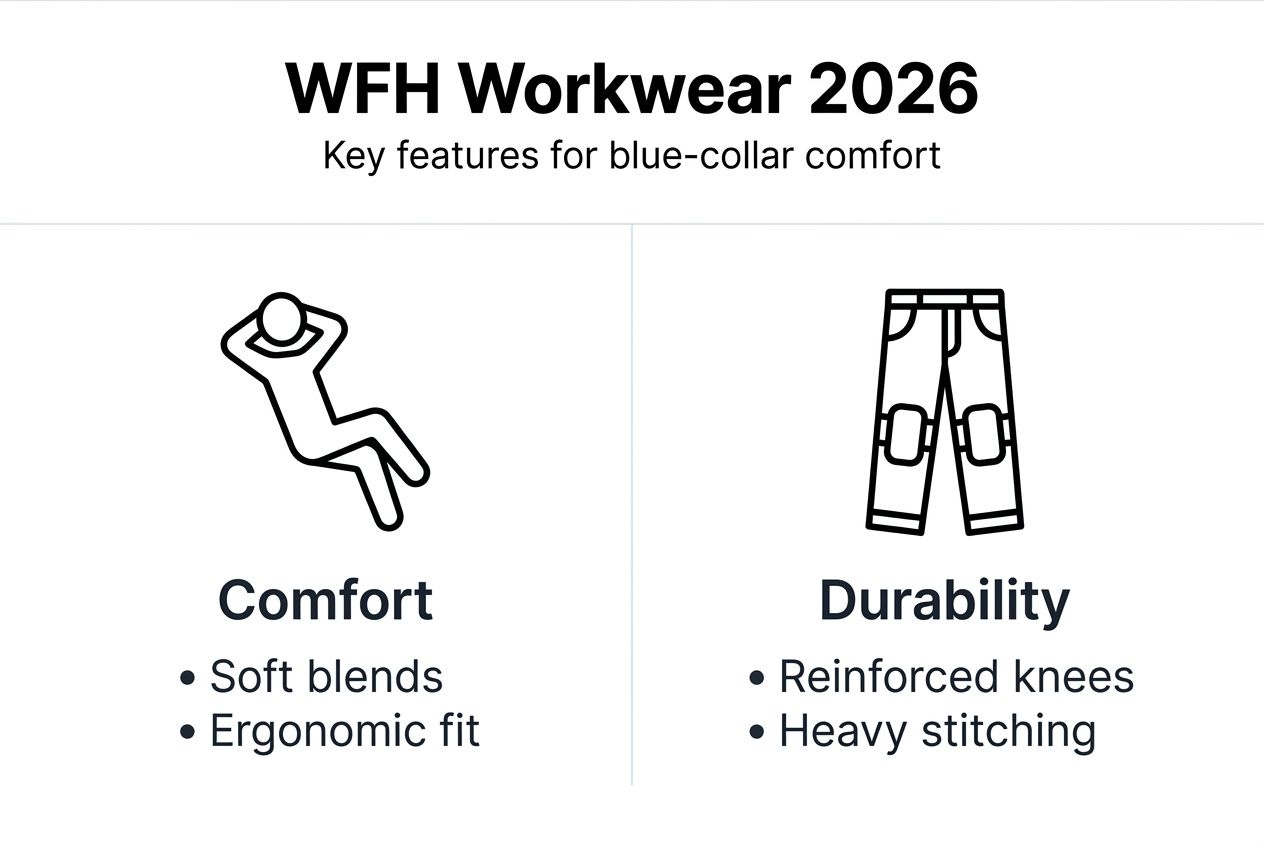
Utility pockets provide easy access to essential tools and gadgets even at home. Reinforced stitching handles repeated loading and unloading without failure. Strategic placement keeps items secure during movement while remaining accessible when needed. Zippered pockets protect phones and small electronics from damage or loss.
Feature integration prioritizes function while maintaining overall comfort. The best workwear incorporates multiple features seamlessly without bulk or interference. Pockets don’t bunch when sitting. Reinforcements don’t create stiff spots. UPF protection doesn’t compromise breathability. This holistic design approach delivers maximum utility with minimal compromise.
Pro Tip: Organize pocket contents consistently so you can locate items by feel without looking. This muscle memory saves time and maintains focus during tasks.
Functional features that maximize WFH workwear value include:
- Magnetic closures on pockets for quick, secure one-handed access
- Integrated loops for carabiners or tool lanyards
- Hidden zippered pockets for valuables like keys or cash
- Reinforced hem guards that prevent fraying from boot contact
- Reflective elements for visibility during early morning or evening work
These details transform basic comfortable clothing into purpose-built professional gear. They support your workflow without demanding conscious attention or extra effort. The right combination of features depends on your specific work style and needs, but every blue-collar worker benefits from thoughtful utility design.
Explore durable and comfy work-from-home hoodies at WorkWearComfort
WorkWearComfort specializes in hoodies that deliver the perfect balance of ruggedness and comfort for blue-collar professionals working from home. Every piece features thoughtful design elements that support your work style without sacrificing the durability tradespeople demand.
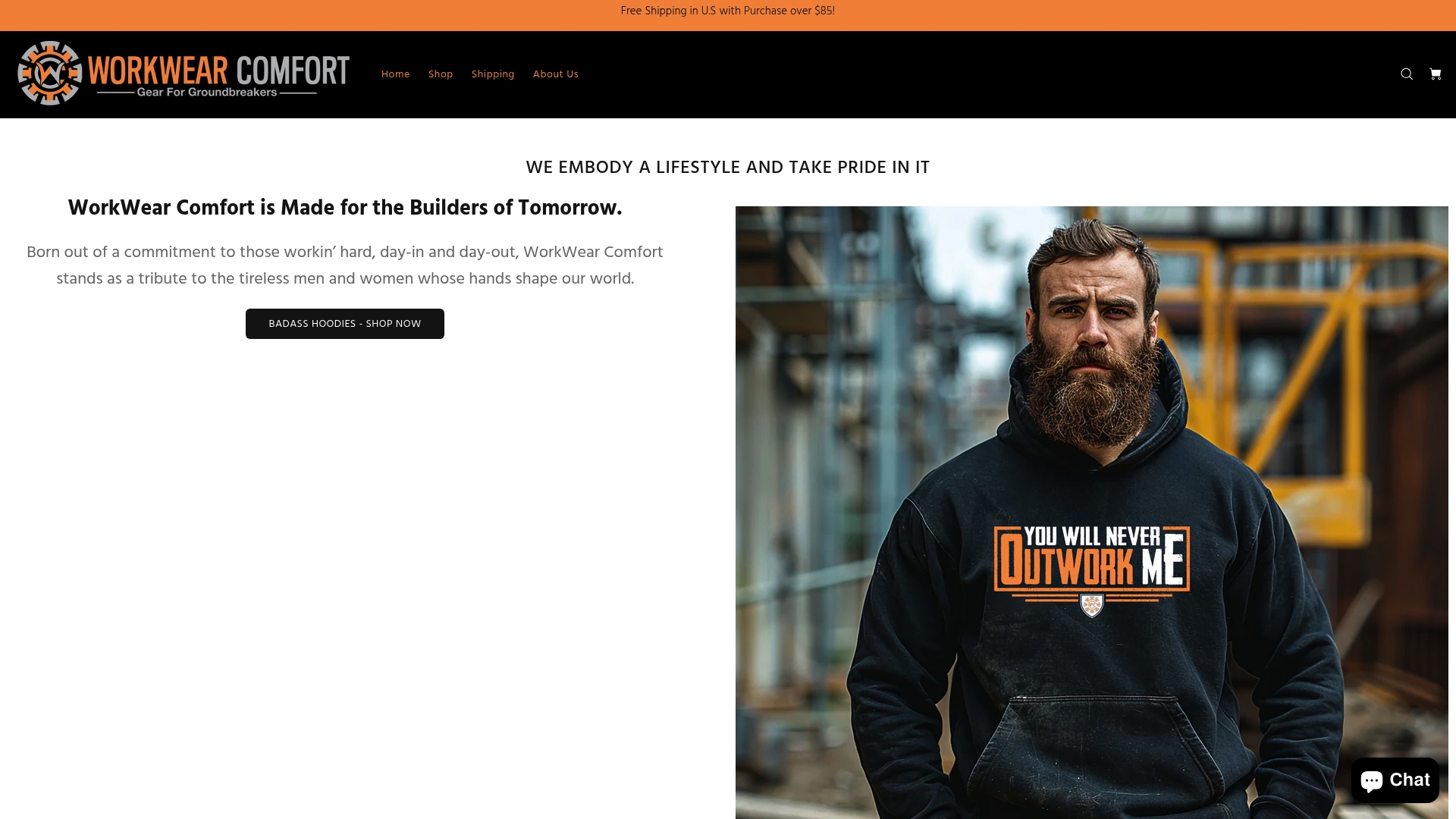
Our Blue Collar Brotherhood hoodie combines premium cotton blends with reinforced stitching for lasting wear. The lightweight sun work hoodie offers UPF 50+ protection for hybrid workers who split time indoors and out. For those who value messaging that reflects their work ethic, the Hard Work Matters workwear hoodie delivers both function and pride.
Each hoodie features ergonomic fits that support natural movement, moisture-wicking fabrics that maintain comfort during active tasks, and construction quality that stands up to daily wear. These aren’t fashion pieces that fall apart after a few washes. They’re purpose-built workwear designed specifically for blue-collar professionals who demand more from their clothing. Explore the collection and find hoodies that work as hard as you do.
FAQ
What fabrics are best for blue-collar WFH clothes?
Cotton duck blends with moisture-wicking properties and reinforced stitching offer the ideal balance of durability and comfort for blue-collar work-from-home apparel. Look for fabrics incorporating 2-5% spandex for stretch and mobility. Breathable weaves prevent overheating during active tasks while maintaining the toughness needed for demanding work.
Can I find WFH clothes that look professional yet feel rugged?
Tailored sweat sets, structured knits, and quality hoodies balance professional appearance with rugged durability perfectly. Strategic layering with work shirts over comfortable base layers maintains your blue-collar identity while maximizing comfort. Choose solid colors or subtle patterns that photograph well for video calls without sacrificing your authentic style.
Do rugged WFH clothes improve my productivity?
Purposeful workwear supports a focused, work-ready mindset even at home, directly improving productivity and task completion rates. Wearing familiar work clothes creates mental boundaries between work and personal time. Physical comfort from proper apparel eliminates distractions, while psychological confidence from professional attire boosts motivation and output quality.
How do I maintain durability in comfortable workwear?
Wash garments inside out in cold water to preserve fabric integrity and color. Use mild detergents and avoid fabric softeners on technical fabrics with moisture-wicking properties. Air dry when possible or use low heat to prevent shrinkage and material breakdown. Repair small tears or loose stitching immediately before damage spreads.
Are expensive workwear brands worth the investment?
Premium brands often deliver better long-term value through superior materials, construction quality, and thoughtful design features. Higher upfront costs spread across years of reliable service typically cost less than repeatedly replacing cheaper alternatives. Evaluate your specific needs, work intensity, and budget to determine which price point offers the best overall value for your situation.
Recommended
- Men’s cold weather work clothes: stay warm in 2026 – WorkWearComfort
- 7 Ways Comfy Work Wear Gives Blue-Collar Pros the Edge – WorkWearComfort
- 7 Best Work Pants for Blue-Collar Workers in 2025 – WorkWearComfort
- 7 Best Keepin It Up Products for Blue-Collar Workers in 2025 – WorkWearComfort
- UK Skilled Worker Visa Salary Requirements (2026 Guide) - METIN.LONDON
- Wechseljahre im Büro verstehen: Ein umfassender Leitfaden – Kühlkern UG (Haftungsbeschränkt)
