

Most guys think staying warm on a job site means bulking up with thick, heavy layers that slow you down. That’s outdated thinking. Modern cold weather work clothes combine advanced insulation with smart fabric technology to keep you warm, dry, and mobile without turning you into a walking marshmallow. When you’re working construction in freezing temps, your gear needs to handle wind, moisture, and constant movement while protecting you from the cold. The right clothing can mean the difference between pushing through your day comfortably or fighting numbness and fatigue.
Table of Contents
- Material Technologies For Cold Weather Durability And Insulation
- Moisture Management And Breathability Importance
- Common Misconceptions About Bulk And Warmth
- Ergonomic Design Features Enhancing Comfort And Mobility
- Styling Considerations Relevant To Blue-Collar Identity
- Layering Techniques Vs. Single Garment Solutions
- Practical Buying Guide For Men’s Cold Weather Work Clothes
- Shop Durable Cold Weather Work Clothes Designed For Blue-Collar Men
- Men’s Cold Weather Work Clothes FAQ
Key takeaways
| Point | Details |
|---|---|
| Advanced insulation beats bulk | Modern materials like Thinsulate provide warmth without adding weight or restricting movement. |
| Moisture management is essential | Breathable fabrics that wick sweat prevent the chilling effect of moisture buildup during physical work. |
| Ergonomic design improves performance | Articulated joints and stretch panels maintain flexibility and safety on demanding job sites. |
| Layering offers versatility | Strategic layering systems adapt to changing conditions better than single heavy garments. |
| Style reinforces identity | Rugged aesthetics and proven brands connect with blue-collar values and boost confidence. |
Material technologies for cold weather durability and insulation
The secret to staying warm without feeling restricted comes down to what’s inside your jacket. Synthetic insulation like Thinsulate provides excellent warmth without bulk compared to traditional materials. This microfiber technology traps warm air in tiny pockets while taking up minimal space, so you can move freely while staying protected.
Natural down still has its place, but it fails when wet and adds unnecessary weight. For construction workers who face unpredictable weather and constant activity, synthetic options deliver consistent performance. You need gear that works whether you’re dry or caught in sleet.
| Insulation Type | Warmth-to-Weight | Water Resistance | Durability |
|---|---|---|---|
| Synthetic (Thinsulate) | Excellent | High | Very High |
| Natural Down | Outstanding (dry only) | Poor | Moderate |
| Fleece | Good | Moderate | High |
Windproof and waterproof outer shells make insulation work harder. A shell fabric that blocks wind prevents heat loss, while waterproof membranes keep you dry from the outside. Look for garments that combine these features with abrasion-resistant materials like Cordura in high-wear zones. When you’re kneeling on concrete or rubbing against rough surfaces, standard fabrics break down fast.
Lightweight insulation changes the game for mobility. You can bend, reach, and climb without fighting against stiff, bulky layers. This matters when precision and safety depend on full range of motion. Modern warm workwear for job sites prioritizes movement as much as warmth.
Pro Tip: Check insulation weight ratings in grams per square meter. Higher numbers mean more warmth, but balance this against your activity level. Active workers often do better with 100-200g insulation rather than maxing out at 400g.
The right fabric technology creates a microclimate around your body. You stay warm without overheating, and your gear holds up to daily punishment. When choosing a winter work jacket, prioritize materials proven in outdoor conditions. Understanding these winter workwear basics helps you spot quality construction and avoid cheap knockoffs that fail after a few weeks.
Moisture management and breathability importance
Sweat is your enemy in cold weather, even when you’re freezing. When moisture gets trapped against your skin, it conducts heat away from your body 25 times faster than dry air. That’s why you can feel colder after working hard than when you started. Proper moisture management keeps you comfortable and safe throughout your shift.
Breathable fabrics solve this problem by allowing water vapor to escape while blocking liquid water from entering. The technology works through microscopic pores that are too small for water droplets but large enough for vapor molecules. You shed heat and moisture naturally without getting soaked from the inside out.
Here’s what happens without proper breathability:
- Sweat accumulates in your base layer and insulation
- Wet fabric loses its insulating properties
- You experience rapid heat loss when you stop moving
- Fatigue sets in faster as your body works harder to stay warm
- Risk of hypothermia increases in extended exposure
Effective base layers wick moisture away from skin using synthetic fibers or merino wool. These materials pull sweat to the outer surface where it can evaporate. Cotton is the worst choice because it absorbs moisture and stays wet, robbing you of warmth when you need it most.
Choosing fabrics that balance water resistance with breathability requires understanding ratings. Look for garments with breathability ratings above 10,000g/m²/24hr for active work. Lower numbers mean you’ll get clammy fast. Cold weather work clothes with DWR treatments shed light rain and snow while maintaining breathability.
Pro Tip: Layer your moisture management system. Start with a wicking base layer, add an insulating mid layer that breathes, and top with a shell that vents excess heat. This approach gives you control over comfort as conditions change.
Mid layers made from fleece or synthetic insulation continue the moisture transfer process. They move vapor outward while maintaining warmth even when slightly damp. Your outer shell completes the system by releasing moisture through vents or breathable membranes. The whole system works together to keep you dry from both external weather and internal perspiration.
Common misconceptions about bulk and warmth
The biggest myth in cold weather clothing is that more thickness equals more warmth. You’ve probably seen guys wearing three sweatshirts under a parka, barely able to move their arms. They’re miserable, restricted, and often not much warmer than someone in properly designed gear.
Thickness only matters if the material traps air effectively. A puffy jacket filled with low-quality insulation takes up space without delivering real warmth. Modern insulation technology proves that thin layers of high-performance materials outperform thick layers of inferior stuff. The key is air pocket density and material quality, not volume.
“The warmest gear isn’t the bulkiest. It’s the gear that manages heat, moisture, and air flow most effectively. A well-designed system beats piling on random layers every time.”
Here’s what actually matters for warmth:
- Insulation efficiency measured in warmth per ounce
- Air trapping capability of the material structure
- Wind and water resistance of outer layers
- Proper fit that eliminates cold gaps without restricting circulation
- Strategic design that protects core and extremities
More layers don’t always mean better protection either. Each additional layer creates interfaces where air can escape and moisture can accumulate. Three mediocre layers often perform worse than two excellent ones. You want enough layers to manage temperature changes, but not so many that you’re fighting your own clothing.
The mobility cost of excessive bulk is real. When you can’t bend properly to pick up tools or your arms tire from fighting stiff fabric, productivity drops. Safety risks increase when bulky clothing interferes with equipment operation or ladder climbing. Smart workers choose gear that delivers warmth without the penalty of restricted movement.
Modern fabrics eliminate the warmth versus mobility tradeoff. You can stay protected in sub-zero temperatures while maintaining full range of motion. This combination wasn’t possible twenty years ago, but today’s materials science has solved the problem. Don’t settle for old school bulk when better options exist.
Ergonomic design features enhancing comfort and mobility
How your work clothes fit and move with you matters as much as their insulation rating. Ergonomic design incorporates features that follow your body’s natural motion patterns while maintaining protection. These details separate gear that helps you work from gear that fights you all day.
-
Articulated joints and gusseted panels: Pre-bent elbows and knees match your working positions. Diamond-shaped fabric inserts at stress points provide stretch without compromising durability. You can reach overhead or crouch without fabric pulling tight.
-
Stretch fabric integration: Strategic placement of elastane-blend materials at shoulders, back, and knees maintains structure while allowing movement. These panels expand and contract with your motion, reducing fatigue from constant fabric resistance.
-
Proper length and coverage: Extended back panels prevent gap exposure when bending. Longer sleeves with thumb holes keep wrists covered during overhead work. These simple adjustments prevent cold spots that undermine your whole system.
-
Reinforcement placement: Extra fabric layers or abrasion-resistant patches at elbows, shoulders, and knees extend garment life without adding bulk everywhere. You get durability where you need it and flexibility where you don’t.
-
Closure systems that work with gloves: Large zipper pulls, magnetic closures, and hook-and-loop panels operate easily with cold or gloved hands. Fumbling with tiny buttons in freezing temps isn’t just annoying, it’s dangerous.
-
Ventilation options: Underarm zips, chest vents, and back panels let you dump heat during high-exertion tasks. This prevents the sweat buildup that leads to chilling when you slow down.
Fit compatibility with layering systems ensures everything works together. Your outer shell needs room for insulating layers without becoming so loose it allows air gaps. Sleeves should layer smoothly without bunching. The best workwear for construction workers considers the complete system, not individual pieces in isolation.
Ergonomic features also support safety compliance. High-visibility panels integrate into designs without compromising style. Reflective elements placed at motion points increase visibility. Tool loops and pockets positioned for easy access reduce awkward reaching. Your clothing should make the job easier and safer, not harder.
Styling considerations relevant to blue-collar identity
Your work clothes say something about who you are and what you value. For blue-collar men, gear choices reflect identity, competence, and connection to trade culture. Function comes first, but style matters because it affects how you feel showing up to the job and how others perceive your professionalism.
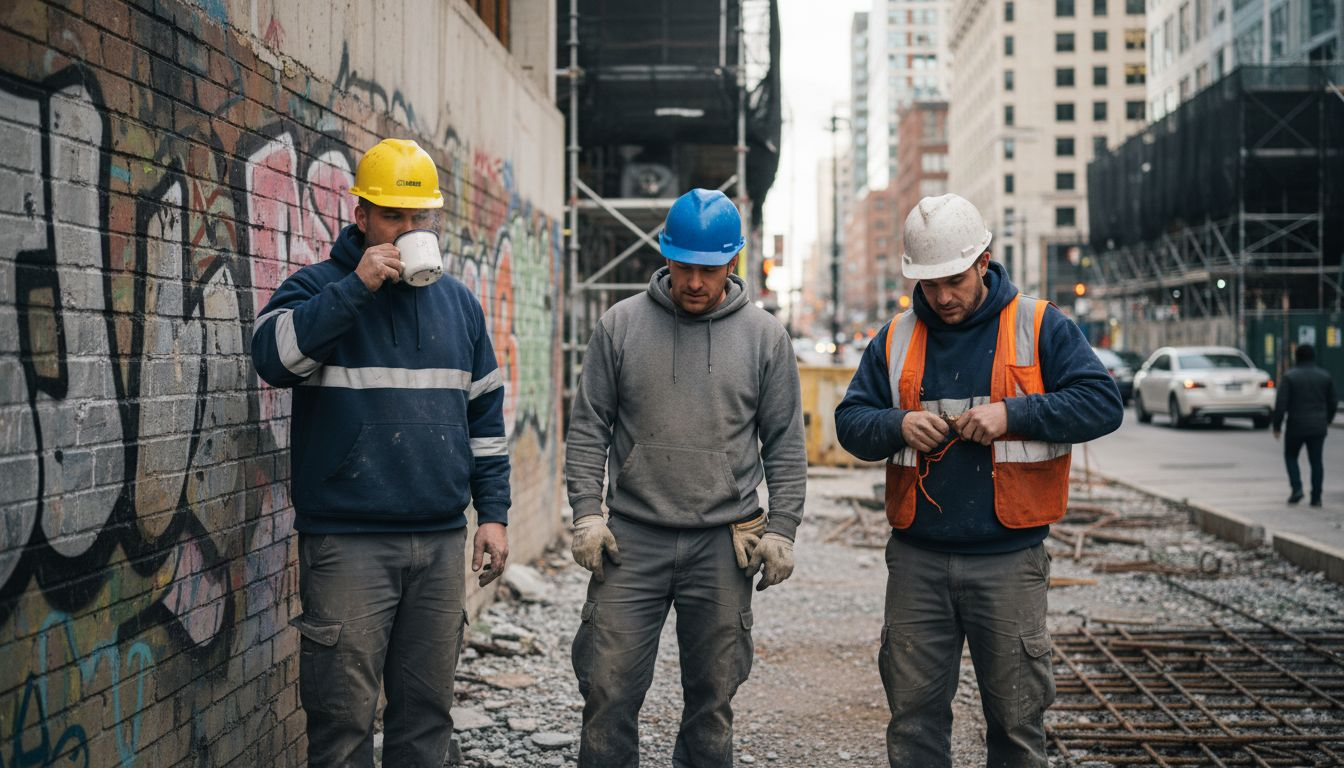
Classic colors dominate for good reasons beyond tradition. Navy, black, gray, and earth tones hide dirt and wear while maintaining a clean appearance. These choices align with the practical mindset of workers who need gear that looks decent after a hard day. Bright colors might stand out, but they also show every stain and scuff.
Brand reputation carries weight in trade communities. Certain names signal quality and toughness because they’ve proven themselves on job sites for decades. Wearing recognized brands connects you to a larger community of workers who demand real performance. This isn’t about fashion, it’s about credibility earned through reliability.
Key style elements that resonate:
- Clean lines without unnecessary details that snag or break
- Visible quality in stitching, zippers, and reinforcements
- Logos and branding that reflect work culture, not street fashion
- Practical pockets and features that show thought went into design
- Colors and patterns that age well and hide job site wear
Rugged aesthetics complement serious work. Details like triple-stitched seams, heavy-duty hardware, and reinforced stress points aren’t just functional, they communicate durability and professionalism. Your gear tells clients and coworkers that you take your work seriously enough to invest in proper equipment.
The rise of blue-collar clothing as streetwear reflects broader cultural appreciation for trade work authenticity. Quality work gear looks good because it’s built with purpose, not gimmicks. This aesthetic confidence translates to how you carry yourself on the job.
Safety compliance doesn’t mean sacrificing style. Modern high-visibility options integrate reflective elements tastefully. You can meet requirements without looking like a traffic cone. The best designs balance regulation compliance with appearance that makes you want to wear the gear.
Ultimately, style supports morale and gear acceptance. When you like how your work clothes look and feel, you’re more likely to wear them consistently and take care of them properly. This matters for both comfort and safety over the long term.
Layering techniques vs. single garment solutions
Deciding between a comprehensive layering system and a single insulated jacket depends on your work conditions and personal preferences. Each approach has distinct advantages and limitations worth understanding before you invest.
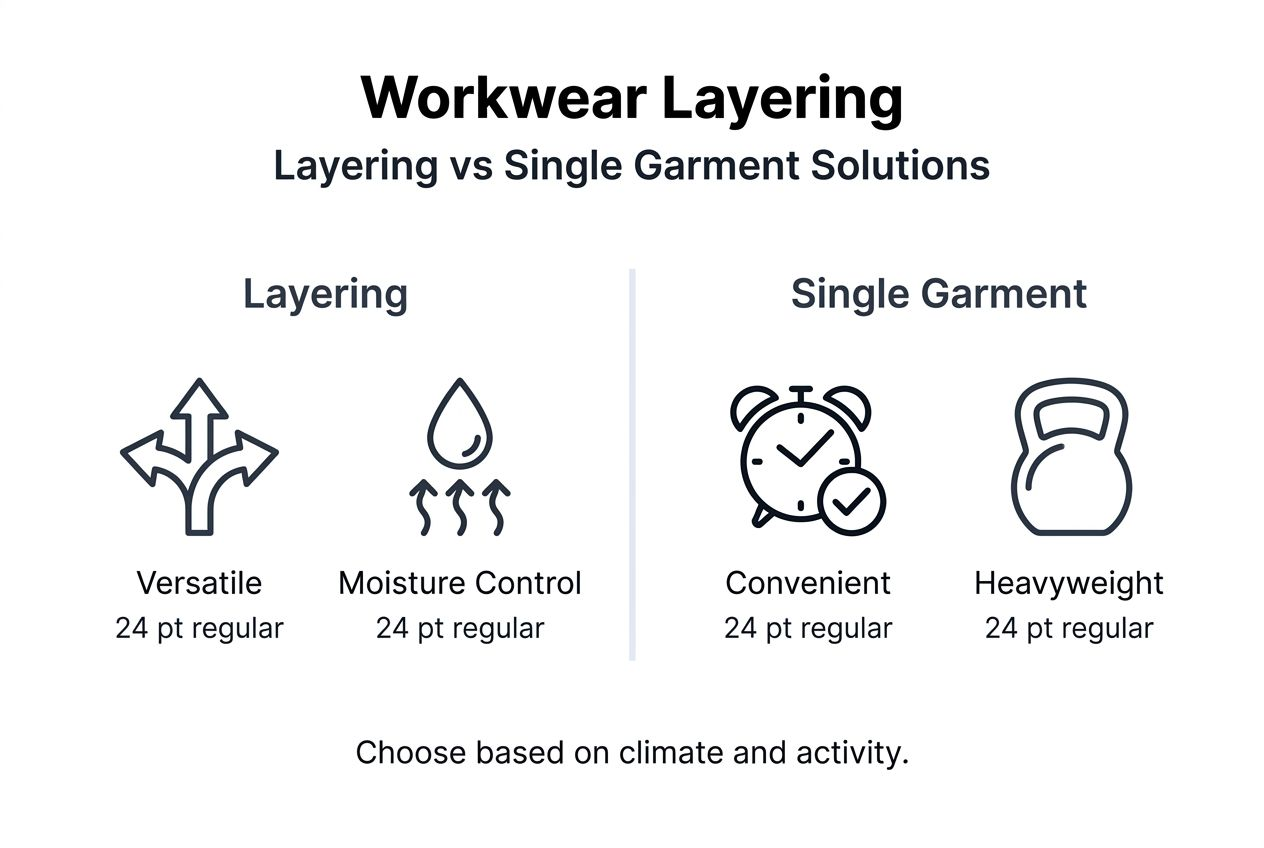
Layering systems offer maximum versatility. You adapt to temperature swings by adding or removing pieces throughout the day. Start cold, add layers. Warm up from activity, strip down. This flexibility keeps you comfortable across changing conditions and exertion levels. The classic three-layer system includes a moisture-wicking base, insulating mid-layer, and protective shell.
| System Type | Temperature Range | Versatility | Convenience | Best For |
|---|---|---|---|---|
| Layering System | 0°F to 50°F | Excellent | Moderate | Variable conditions |
| Single Insulated Jacket | 20°F to 40°F | Limited | High | Consistent cold |
| Hybrid Approach | 10°F to 45°F | Good | Good | Most situations |
Single garment solutions prioritize convenience. You grab one jacket and go, without thinking about combinations or carrying extra pieces. This works well when temperatures stay consistent and your activity level remains steady. Less versatile, but simpler.
The moisture management advantage of layering can’t be overstated. Each layer handles a specific job: wicking, insulating, or protecting. A single heavy jacket tries to do everything at once and usually compromises somewhere. When you’re working hard and generating heat, layering lets you fine-tune your comfort.
Consider a concrete crew working in 25°F weather. Morning setup requires full layering for warmth while moving materials. Mid-morning, physical work generates heat, so they shed the insulating layer. Afternoon cool-down means adding it back. A single jacket leaves them either too hot or too cold most of the day.
Limitations of single solutions:
- Fixed insulation level can’t adjust to activity changes
- Breathability often sacrificed for warmth in cheaper options
- Difficult to dry if it gets wet from inside or outside
- Less efficient packing and storage when not needed
- Higher replacement cost if damaged versus replacing one layer
Job activity level drives your choice. Sedentary work like equipment operation favors heavier single garments because you’re not generating much body heat. Active jobs like framing or roofing benefit from layering that adapts to constant exertion changes.
Climate matters too. Consistent cold with little variation makes single jackets practical. Regions with temperature swings, wind changes, or mixed precipitation demand layering flexibility. Think about your typical work day patterns and weather exposure before committing to one approach.
Many workers adopt a hybrid strategy, using a moderately insulated jacket as their outer layer with strategic base and mid-layer options underneath. This balances convenience with adaptability. You maintain the quick-grab simplicity while keeping adjustment options for extreme conditions.
Practical buying guide for men’s cold weather work clothes
Making smart purchases requires evaluating specific features against your actual work conditions and needs. Use this systematic approach to identify gear that delivers real value and performance.
-
Define your temperature range and conditions: Know the coldest temps you regularly face and typical weather patterns. This determines insulation weight and weatherproofing needs. Don’t overbuy for rare extreme cold you might see once a year.
-
Evaluate insulation specifications: Look for fill weight ratings (100g-400g for synthetics) matched to your climate. Higher numbers mean more warmth but less breathability. Active workers rarely need maximum insulation. Check that materials resist moisture and maintain loft after compression.
-
Assess fabric durability ratings: Examine denier counts for outer fabrics (higher numbers mean tougher material). Check for Cordura or similar reinforcements at wear points. Read care labels to ensure the garment handles your washing routine without degrading.
-
Test ergonomic fit and mobility: Try garments on over your typical work layers. Raise your arms overhead, bend at the waist, squat down. The clothing should move with you without pulling tight or creating gaps. Check sleeve and torso length in working positions, not just standing straight.
-
Verify moisture management features: Confirm breathability ratings and look for pit zips or venting panels. Check base layer fabric composition, merino wool or synthetic blends only. Avoid cotton anywhere in your cold weather system.
-
Consider brand track records: Research companies known for workwear durability like Carhartt, Dickies, or dedicated outdoor brands. Read reviews from actual workers, not casual users. Warranty and replacement policies signal manufacturer confidence.
-
Calculate total system cost: Factor in all layers needed for your chosen approach. A $200 jacket requiring a $50 base layer and $75 mid-layer costs $325 total. Compare complete systems, not individual pieces in isolation.
Pro Tip: Buy one quality piece at a time rather than a complete cheap system at once. Start with a excellent base layer, add a proven mid-layer next paycheck, then invest in the best shell you can afford. This approach builds a reliable system without breaking your budget.
Common buying mistakes to avoid:
- Choosing based on appearance over actual performance specs
- Ignoring fit in favor of brand name recognition
- Buying for the coldest possible day instead of average conditions
- Overlooking care requirements that don’t match your routine
- Skipping base layers to save money, undermining the whole system
Understanding warm construction gear fundamentals prevents expensive mistakes. Research before you buy, and prioritize proven performance over marketing hype. Your comfort and safety depend on making informed choices.
The best construction workwear comparisons help you evaluate options side by side. Look for detailed specs, not just price points. Investing in quality warm workwear pays off through better performance and longer life. When you understand what separates good gear from great gear, you make choices that serve you for years.
Read return policies carefully before buying. Reputable sellers stand behind their products with reasonable return windows. This protection matters when ordering online without trying garments on first. Don’t sacrifice this security to save a few dollars from sketchy sellers.
Shop durable cold weather work clothes designed for blue-collar men
WorkwearComfort.com builds gear specifically for guys who earn their living with their hands. Every piece balances the durability demanded by construction sites with the style that reflects blue-collar pride. You won’t find office casual here, just serious workwear engineered for serious work.
Our hoodie collection combines modern insulation technology with moisture-wicking fabrics and reinforced construction. The Blue Collar Brotherhood Hoodie features heavyweight cotton-poly blending that holds up to daily abuse while keeping you comfortable. For lighter conditions with sun exposure, the UPF 50+ Lightweight Work Hoodie protects against UV rays while managing moisture during active work. When you need to make a statement about your work ethic, the Hard Work Matters Hoodie delivers both message and performance.
Each piece incorporates the features discussed throughout this guide: strategic reinforcement, ergonomic design, and styling that connects with trade culture. These aren’t fashion statements pretending to be work gear. They’re purpose-built tools for your daily grind, designed by people who understand what you face on the job.
Men’s cold weather work clothes FAQ
What are the best insulation materials for cold weather workwear?
Synthetic insulation like Thinsulate offers the best combination of warmth, weight, and moisture resistance for active work. It maintains insulating properties when wet, unlike natural down, and provides consistent performance across varying conditions. For base layers, merino wool or synthetic moisture-wicking fabrics outperform cotton dramatically by managing sweat and preventing the chilling effect of trapped moisture.
How can I prevent moisture buildup while working outdoors?
Preventing moisture buildup requires a complete system approach starting with a wicking base layer that pulls sweat away from skin. Add breathable mid and outer layers with ventilation features like pit zips to dump excess heat during high-exertion tasks. Avoid cotton entirely, choose fabrics with breathability ratings above 10,000g/m²/24hr, and adjust layers throughout the day as your activity level changes.
Is layering better than a single warm jacket?
Layering systems provide superior versatility for workers facing changing conditions and variable activity levels throughout the day. You can add or remove pieces to maintain comfort as temperatures shift and your exertion changes. Single jackets work well for consistent conditions and sedentary work but can’t adapt to the temperature swings active construction workers experience. Most professionals benefit from a layering approach that offers moisture management and temperature control.
How do I find work clothes that fit well without restricting movement?
Test garments while performing work movements, not just standing in a fitting room. Raise your arms overhead, bend at the waist, and squat to check for pulling or gaps. Look for articulated joints, gusseted panels, and stretch fabric integration at key stress points like shoulders and knees. Proper fit allows room for base layers without becoming so loose that cold air infiltrates. The garment should move with your body through your full range of motion without binding or exposing skin.
