

Workwear used to mean one thing: don’t get hurt. Throw on whatever fits, grab your tools, and get to work. That mindset is fading fast. Today’s construction workers, electricians, and mechanics want gear that holds up under pressure AND looks sharp doing it. The demand for durable, stylish, functional workwear has exploded because trade pros know that looking put together on the job site isn’t vanity. It’s a statement. This guide breaks down exactly what separates forgettable workwear from gear that earns respect, from the fabrics under your hands to the way you layer up on a cold morning.
Table of Contents
- Core materials and durability: The foundation of stylish workwear
- Form meets function: Features that upgrade style
- Expressing style: Color, fit, and layering strategies
- Building a functional wardrobe: Outfit strategies and care routines
- The truth about style in workwear: Beyond surface trends
- Gear up: Where to find stylish workwear that delivers
- Frequently asked questions
Key Takeaways
| Point | Details |
|---|---|
| Material matters | Choosing tough, quality fabrics ensures lasting style and on-site reliability. |
| Smart features boost function | Reinforced parts, practical pockets, and layering make workwear both useful and sharp-looking. |
| Mix, match, repeat | A small, neutral wardrobe creates many looks while keeping things simple. |
| Care increases lifespan | Pre-treating stains and air-drying durable gear can double its working life. |
| Authenticity over trends | True style means personal fit and practicality—not just chasing what’s popular. |
Core materials and durability: The foundation of stylish workwear
Every great work outfit starts with what it’s made of. You can have all the pockets in the world, but if the fabric falls apart after three months, none of it matters. The right material does two things at once: it survives the job and it looks good doing it.
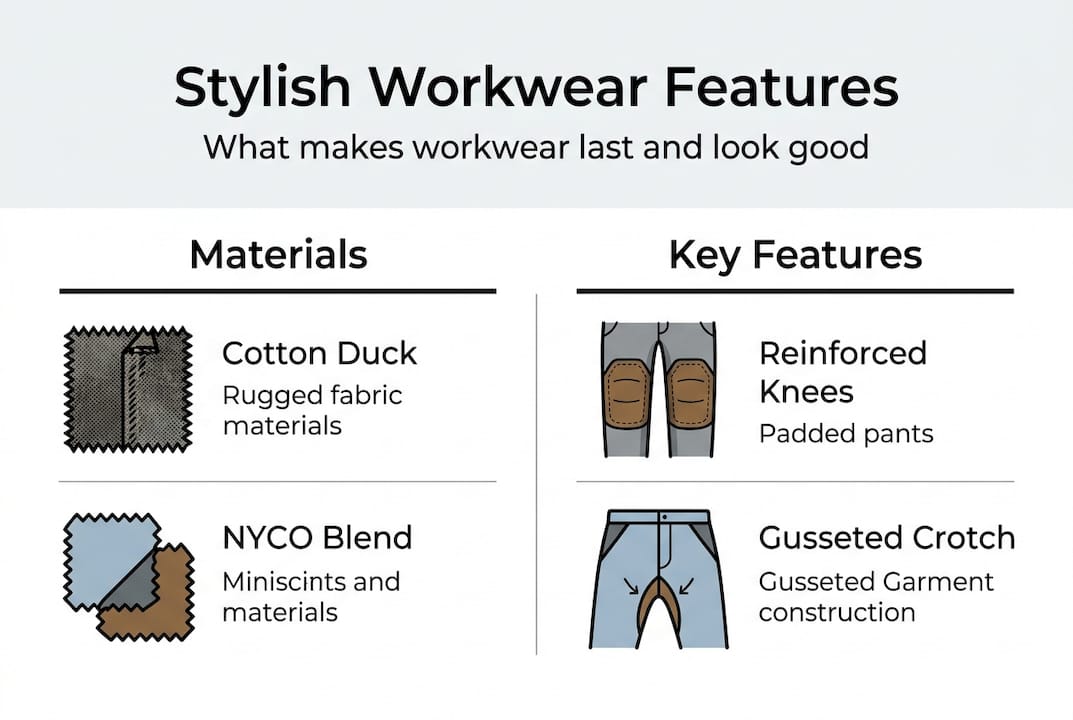
Durable fabrics for workwear like cotton duck, NYCO blends, denim, and twill are the gold standard for a reason. Cotton duck is tightly woven and resists abrasion like a champ. NYCO (nylon-cotton blend) adds stretch and moisture management. Denim is timeless and gets better looking with wear. Twill drapes cleanly and holds its shape shift after shift. Each one brings something different to the table, and understanding that difference helps you build a wardrobe that works as hard as you do.
Here’s a quick breakdown of how common workwear materials stack up:
| Material | Durability | Style factor | Best use |
|---|---|---|---|
| Cotton duck | Very high | Classic, rugged | Heavy labor, outdoor work |
| NYCO blend | High | Clean, modern | Multi-trade, active work |
| Denim | High | Timeless, versatile | Mechanics, general trades |
| Twill | Medium-high | Sharp, professional | Electricians, supervisors |
Beyond fabric, workwear durability factors like reinforced knees, gusseted crotches, and bar-tacked stress points are what separate a $30 pair of pants from a $90 pair that lasts three years. A gusseted crotch (extra fabric sewn into the seat) lets you squat, climb, and move without blowing out the seam. Reinforced knees protect the fabric where it takes the most beating. These aren’t just functional upgrades. They also signal quality at a glance.
Pro Tip: When shopping for durable construction clothing, hold the fabric up to light. Tighter weaves block more light and signal denser, longer-lasting material.
Here’s where material choice makes a real difference day to day:
- Roofing in summer: Cotton duck breathes and resists snags from shingles
- Electrical work: NYCO blends allow movement when reaching into panels
- Auto repair: Denim hides grease stains and still looks clean after a wash
- Concrete work: Twill pants with reinforced knees handle kneeling without wearing thin
Choosing the right base material is the single biggest decision in building a workwear wardrobe that looks sharp and survives the grind.
Form meets function: Features that upgrade style
Once you’ve nailed the fabric, the next level is features. Smart design details are what turn a basic pair of work pants into something you actually want to wear. They’re also what separates gear that looks like it belongs on a job site from gear that looks like you just rolled out of bed.
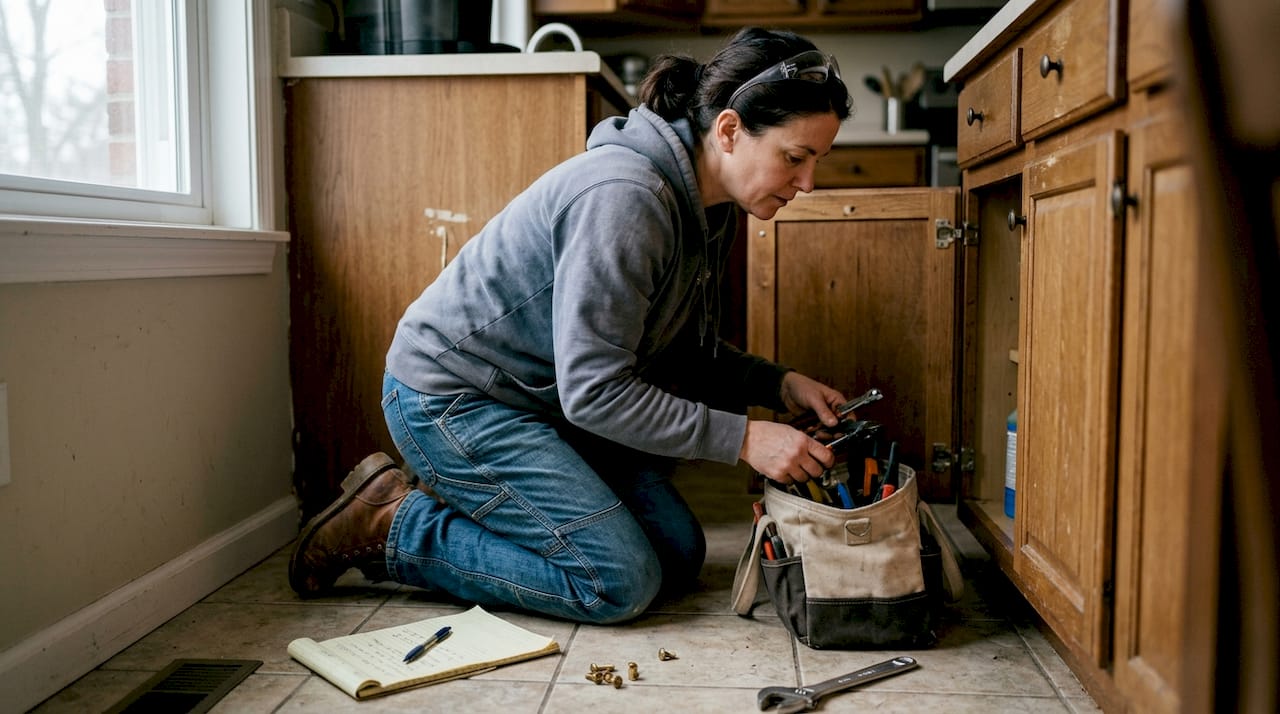
Reinforced knees, multiple pockets, hammer loops, and gusseted crotches aren’t just utility add-ons. They’re visual cues that communicate craftsmanship. When your gear is built with intention, it shows. Articulated knees (pre-shaped fabric at the knee joint) allow natural movement and add a structured, athletic look. Tool storage keeps your silhouette clean because you’re not stuffing everything into two flat pockets.
Here’s how some of the top brands compare on key features:
| Brand | Articulated knees | Tool pockets | Hammer loop | Gusseted crotch | Style rating |
|---|---|---|---|---|---|
| Carhartt | Yes | Yes | Yes | Yes | High |
| Dickies | Some models | Yes | Yes | Some models | Medium-high |
| Wrangler Workwear | No | Yes | Yes | No | Medium |
Carhartt and Dickies have built their reputations by delivering gear that transitions from the job site to the weekend without missing a beat. That crossover appeal is a big part of what makes them style leaders in the trade world.
Here’s a simple way to evaluate whether a feature is worth paying for:
- Ask if you’ll use it daily. A hammer loop you never touch adds bulk, not value.
- Check placement. Pockets placed too high or too low throw off the fit and look.
- Test the movement. Articulated knees and gusseted crotches should feel invisible when you move.
- Look at the stitching. Double or triple stitching at stress points signals durability AND attention to detail.
- Compare weight. Heavier fabrics with smart features outlast light fabrics with the same features.
For tips for stylish workwear, the goal is always balance. Features should add to the garment’s purpose, not just its price tag. When you find gear where every detail earns its place, that’s when function and style become the same thing.
According to industry data, garments with reinforced stress points and articulated construction can last up to twice as long as standard workwear. That’s not just a durability win. It’s a style win, because worn-out gear never looks good.
Expressing style: Color, fit, and layering strategies
You’ve got the right fabric. You’ve got the right features. Now it’s time to talk about how you actually put it together. Color, fit, and layering are where personal style lives, and they’re also where most trade workers leave the most opportunity on the table.
Neutral colors like navy, gray, black, and brown are the smart play for workwear. They hide dirt and grime between washes, they look intentional rather than random, and they mix with almost everything else in your kit. A navy work pant pairs with a gray tee, a black hoodie, and brown boots without any thought. That’s the power of building around neutrals.
Fit is where style lives or dies. Prioritizing fit and layering gives you control over how your gear reads on the job. Loose fits work great for heavy labor where you need full range of motion. Tapered fits give a cleaner, more modern look that still allows movement. The key is avoiding anything so baggy it catches on equipment or so tight it restricts your work.
“A professional appearance on the job site doesn’t just impress clients. It builds your own confidence and raises your standard for everything else you do.” — WorkwearComfort editorial team
Layering is your secret weapon for comfort and style on the job. Here’s a core layering kit that covers you from summer to winter:
- Base layer: Moisture-wicking tee in gray, black, or white
- Mid layer: Heavyweight hoodie or chore coat in navy or charcoal
- Outer layer: Canvas or duck work jacket for wind and rain
- Bottoms: Neutral work pants with reinforced knees
- Footwear: Steel-toe boots in brown or black that work with everything
Pro Tip: Resist the urge to chase seasonal trends in workwear. A well-fitted hoodie in a classic color will look better in five years than a trendy graphic piece does today. For comfy work outfit tips, timeless always beats trendy.
With the right colors and a layering system that works for your trade, you can look sharp and stay comfortable no matter what the day throws at you.
Building a functional wardrobe: Outfit strategies and care routines
Knowing what to buy is half the battle. The other half is keeping it in shape and making it work harder for you over time. A smart wardrobe strategy saves you money, saves you time in the morning, and keeps your look consistent.
A capsule wardrobe of 10 to 15 neutral pieces can generate over 40 different outfit combinations. That’s not a fashion trick. That’s math. When everything you own works with everything else, getting dressed becomes automatic. You show up looking put together without thinking about it.
“The workers who look the most professional aren’t the ones with the most gear. They’re the ones who take care of what they have.” — WorkwearComfort editorial team
Here’s a simple care routine that doubles the lifespan of your workwear:
- Pre-treat stains immediately. Don’t let grease or concrete set. A quick spray before washing saves the garment.
- Wash in cold water. Hot water breaks down fibers and fades color faster.
- Air dry when possible. High heat from dryers weakens reinforced stitching over time.
- Rotate your pieces. Wearing the same pants every day accelerates wear at stress points.
- Inspect and repair. A loose seam caught early costs nothing to fix. Ignored, it becomes a ruined garment.
Here’s a quick reference for building your kit:
| Item | Recommended count | Why it matters |
|---|---|---|
| Work pants | 3 to 4 pairs | Rotation extends lifespan |
| Base layer tees | 5 to 6 | Daily wear, easy to replace |
| Mid-layer hoodies | 2 to 3 | Versatile, high visibility |
| Work jackets | 1 to 2 | Weather and layering anchor |
| Boots | 2 pairs | Alternating extends sole life |
For comfort and durability tips, accessories matter too. A quality leather belt, a clean cap, and a simple watch add polish without effort. These small details signal that you take your craft and your appearance seriously.
The truth about style in workwear: Beyond surface trends
Here’s what most workwear content gets wrong: style isn’t something you add on top of function. It’s built into the choices you make from the start. Brands that slap a logo on a basic hoodie and call it stylish are missing the point entirely.
Real style in workwear comes from understanding what you actually need for your trade, choosing materials and fits that serve those needs, and then caring for your gear like it matters. That’s it. There’s no shortcut.
Fast fashion workwear looks fine on day one. By month three, it’s faded, stretched, and falling apart. Heritage brands with proven materials and construction don’t just last longer. They look better longer. That’s a completely different value equation.
We also think the fit conversation is underrated. Most guys grab whatever size is on the shelf without thinking about how it moves with their body on the job. A slightly tailored fit in a durable fabric looks ten times better than a baggy fit in the same material. It’s not about looking fancy. It’s about looking intentional.
If you want to explore workmans wear designs that actually reflect this philosophy, the options are better than they’ve ever been. Own your choices. Buy less. Buy better. That’s the real style upgrade.
Gear up: Where to find stylish workwear that delivers
Everything in this guide points to one thing: the right gear makes the job easier and the person wearing it look sharper. At WorkwearComfort.com, we build apparel for trade pros who refuse to choose between function and identity.
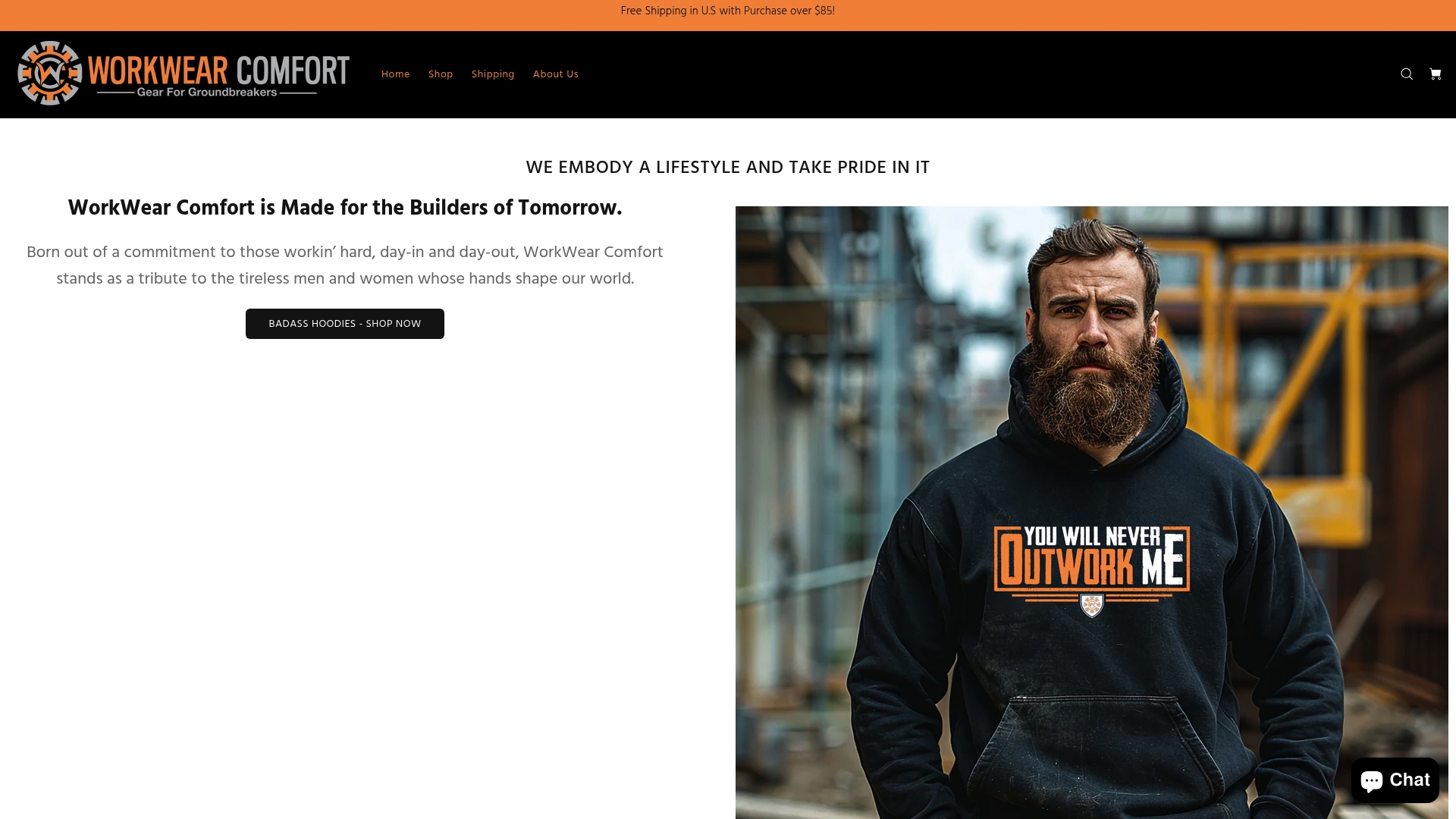
Our Brotherhood Hoodie is a perfect example of what this guide is all about. It’s built from heavyweight fleece, designed for layering, and carries a message that resonates with anyone who takes pride in their trade. It’s the kind of mid-layer that works on the job site Friday and at the hardware store Saturday. Head over to the WorkwearComfort store and explore a full range of workwear built for people who work hard and want to look like it.
Frequently asked questions
What fabrics are best for stylish workwear?
Cotton duck, NYCO blends, denim, and twill are the top choices because they resist tears and abrasion while maintaining a clean, sharp appearance over time.
How can I maintain style while staying safe on the job?
Stick to neutral colors like navy and black that hide dirt and layer easily, then choose modern fits that meet your trade’s safety requirements without looking sloppy.
Which brands are considered both stylish and tough for work?
Carhartt and Dickies are the most trusted names in the space, known for gear that holds up on the job site and looks good enough to wear off it.
How many workwear pieces do I need for a versatile wardrobe?
A capsule of 10 to 15 pieces in neutral colors gives you over 40 outfit combinations, which is more than enough to stay sharp all week without overthinking it.
