

Finding workwear that delivers genuine protection without sacrificing comfort or mobility remains one of the biggest challenges construction professionals face daily. Ill-fitting pants restrict movement on scaffolding. Thin fabrics tear after weeks on concrete. Bulky jackets overheat you by mid-morning. The wrong clothing choices don’t just cost money, they compromise your safety and drain your energy when you need it most. This guide walks you through selecting construction clothing that actually works for your specific trade, environment, and daily demands, helping you make informed decisions that protect your body and your paycheck in 2026.
Table of Contents
- Understanding Your Clothing Needs Based On Job Demands
- Choosing The Right Fabrics And Durability Features
- Selecting Workwear For Comfort, Protection, And Style
- Common Mistakes To Avoid When Choosing Construction Clothing
- Try Durable, Comfortable Workwear From WorkWearComfort
Key takeaways
| Point | Details |
|---|---|
| Match clothing to job type | Different trades demand specific protective features, pocket configurations, and mobility requirements for optimal performance. |
| Prioritize durable fabrics | Cotton blends, ripstop materials, and reinforced stitching provide the longevity needed for demanding construction environments. |
| Balance protection with comfort | Ergonomic cuts, breathable materials, and weather resistance keep you safe without sacrificing all-day wearability. |
| Avoid common sizing mistakes | Proper fit with room for layering and movement prevents restriction and enhances both safety and productivity. |
| Consider visibility and weather | High-visibility elements and weather-appropriate materials are non-negotiable for outdoor construction work. |
Understanding your clothing needs based on job demands
Your specific trade determines what features matter most in your workwear. Electricians need flame-resistant materials and multiple pockets for tools and testing equipment. Framers require maximum mobility in shoulders and knees for repetitive overhead work and crouching. Concrete finishers benefit from water-resistant fabrics and reinforced knees that withstand constant kneeling on rough surfaces. Construction clothing needs vary significantly by job type, making generic workwear a poor investment for specialized tasks.
Weather and work environment dramatically affect your fabric and layering strategy. Indoor HVAC installation in climate-controlled buildings demands different breathability than outdoor roofing in July heat. Winter concrete pouring requires insulated layers that don’t restrict movement when mixing or spreading material. Tunnel work needs moisture-wicking fabrics that handle humidity without becoming heavy and uncomfortable. Consider whether you work primarily indoors, outdoors, or transition between environments throughout the day.
Functionality features separate adequate workwear from exceptional performance gear. Cargo pockets positioned at mid-thigh provide tool access without interfering with knee pads or bending. Reinforced elbows and shoulders extend garment life in high-wear zones. Articulated knees with gusseted crotches enable full range of motion for climbing, squatting, and kneeling. High-visibility strips or panels ensure you remain seen by equipment operators and vehicle traffic on active job sites.
Pro Tip: Document your typical workday for one week, noting every time your clothing restricts movement, tears, or fails to protect you adequately. This real-world data reveals exactly which features you need most, preventing you from paying for unnecessary bells and whistles while missing critical functionality.
Key considerations when assessing your workwear needs by job type:
- Primary work environment (indoor, outdoor, mixed, confined spaces)
- Dominant body positions (standing, kneeling, overhead reaching, climbing)
- Tool carrying requirements (hand tools, power tools, measuring devices)
- Weather exposure levels (full sun, rain, wind, temperature extremes)
- Safety regulations specific to your trade or job sites
Choosing the right fabrics and durability features
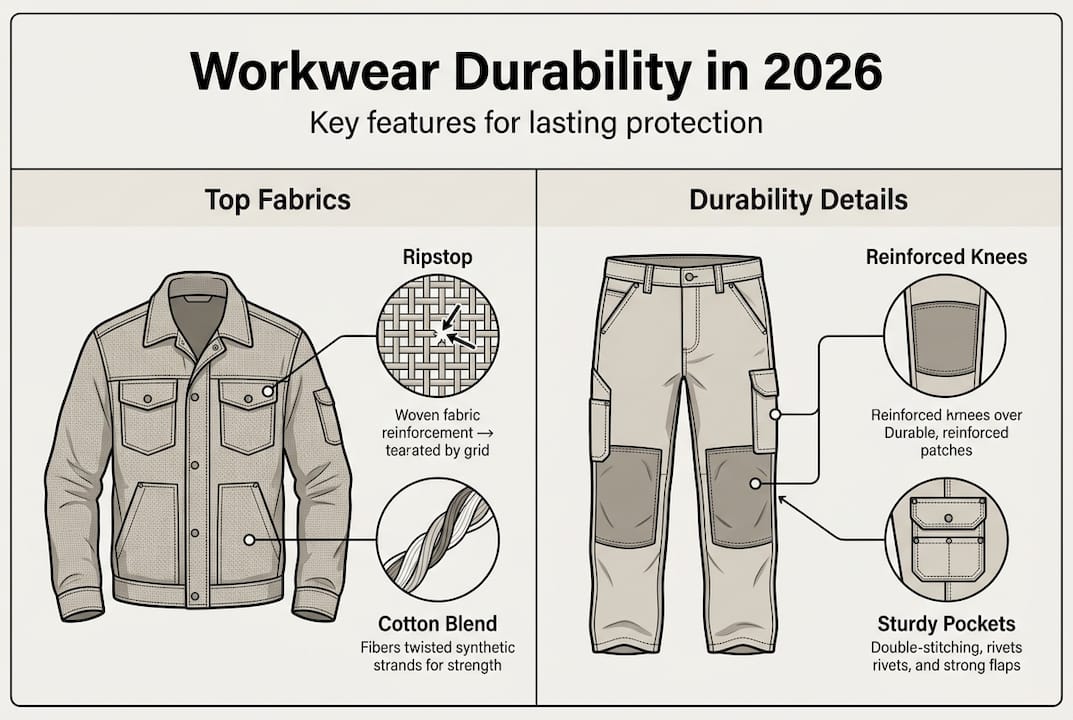
Fabric selection directly impacts how long your workwear survives the punishment of construction environments. Cotton provides natural breathability and comfort but wears faster under abrasion. Polyester blends add strength and dry quickly, making them ideal for sweaty work or unexpected weather. Canvas delivers exceptional durability for heavy-duty applications but can feel stiff until broken in. Ripstop fabrics incorporate reinforced threads that prevent small tears from spreading, extending garment life significantly when you snag on rebar or sharp edges.
Certain fabrics like cotton blends and ripstop materials offer the sweet spot between comfort and longevity that construction professionals need. A 65/35 cotton-polyester blend breathes well enough for physical labor while resisting tears better than pure cotton. Ripstop nylon panels in high-stress areas like knees and seat provide targeted reinforcement without adding bulk everywhere. Heavyweight canvas in 10-12 oz weights stands up to concrete, lumber, and metal edges that shred lighter materials within weeks.
Durability features extend beyond base fabric to construction methods and reinforcements. Double-layered knees with openings for removable pads protect your joints while allowing customization. Bartack stitching at stress points like pocket corners and belt loops prevents seam failure under load. Triple-needle stitching along inseams and outseams distributes tension across multiple thread lines. YKK or similar quality zippers resist jamming from dust and debris that plague cheaper alternatives.
| Fabric Type | Durability | Breathability | Best Use Case |
|---|---|---|---|
| 100% Cotton | Moderate | Excellent | Light indoor work, hot climates |
| Cotton/Poly Blend | High | Good | General construction, all-season |
| Canvas (10-12 oz) | Very High | Moderate | Heavy-duty trades, abrasive materials |
| Ripstop Nylon | High | Good | Active work requiring mobility |
| Denim (14+ oz) | High | Moderate | Welding, grinding, spark protection |
Pro Tip: Check garment weight specifications before purchasing. Lightweight fabrics under 6 oz rarely survive construction environments beyond a few months, while 10-12 oz fabrics provide years of service. The extra upfront cost per garment disappears when you replace lightweight options three times as often.
Inspect durable workwear fabrics for these quality indicators:
- Reinforced stitching visible at all stress points
- Fabric weight listed in product specifications
- Branded hardware (zippers, snaps, buttons)
- Gusseted construction in crotch and underarms
- Warranty or satisfaction guarantee from manufacturer
Selecting workwear for comfort, protection, and style
Comfort features transform workwear from tolerable to genuinely supportive of your physical performance. Ergonomic cuts follow natural body movements rather than restricting them, with action backs that expand when you reach overhead and articulated knees that bend without pulling fabric tight. Breathable fabrics with moisture-wicking properties pull sweat away from skin, reducing chafing and overheating during intense physical labor. Adjustable waistbands, cuffs, and hems let you customize fit for layering in cold weather or streamlining in heat.
Protection elements address the specific hazards construction workers face daily. High-visibility strips or panels in ANSI-compliant colors ensure equipment operators and drivers see you in low light or busy environments. Reinforced knees and elbows absorb impact and abrasion in positions you occupy repeatedly throughout shifts. Weather-resistant treatments shed light rain and wind without the bulk of dedicated rain gear. Durable, stylish workwear improves confidence while maintaining the safety standards your job demands.
Style considerations matter more than many construction professionals initially recognize. Color coordination creates a professional appearance that clients and supervisors notice, potentially opening doors to better opportunities. Current trends in workwear embrace slimmer cuts that look sharp without sacrificing functionality, moving away from the baggy styles that dominated for decades. Brand options now include companies specifically designing for tradespeople who want to look good while working hard, not just industrial supply catalog basics.
Five steps to choose clothing meeting protection, comfort, and style requirements:
- List your top three safety hazards (falls, cuts, visibility, weather) and verify each garment addresses them specifically
- Try on workwear while simulating work movements (squat, reach overhead, bend, climb) to test mobility
- Select colors and cuts that align with your personal style while meeting job site requirements
- Verify all protective features (reinforcements, visibility, weather resistance) are present and functional
- Check return policies before purchasing to ensure you can exchange items that don’t perform as expected
Pro Tip: Invest in one premium piece first rather than buying an entire wardrobe of mid-grade items. Wear that piece hard for two weeks to verify it meets your needs, then purchase additional items in the same line. This approach prevents expensive mistakes when transitioning to new brands or styles.
Balance these elements when reviewing stylish construction workwear tips:
- Safety compliance for your specific trade and job sites
- Comfort during your longest, most physically demanding days
- Professional appearance that reflects your work quality
- Durability appropriate to your work environment intensity
- Budget constraints balanced against replacement frequency
Common mistakes to avoid when choosing construction clothing
Prioritizing fashion over function remains the most expensive mistake construction workers make when selecting workwear. Slim-fit pants that look sharp in the store restrict movement when you need to climb ladders or work in crawl spaces. Lightweight jackets with trendy designs tear within weeks when rubbing against lumber or concrete blocks. Boots chosen for appearance rather than support lead to foot and back pain that compounds over years. Every clothing choice must pass the function test first, with style as a secondary consideration that never compromises performance.
Overlooking proper sizing for layering and mobility creates problems that emerge only after you’ve worn the garment on actual job sites. Pants that fit perfectly in the fitting room become too tight when you add long underwear for winter concrete work. Shirts sized to your chest measurement restrict shoulder movement when reaching overhead repeatedly. Jackets without room for mid-layers force you to choose between warmth and mobility on cold days. Always size workwear accounting for the layers underneath and the movements your job demands.
Low-quality materials that wear out quickly seem like bargains until you calculate replacement costs. A $30 pair of pants that lasts two months costs more annually than $80 pants lasting eighteen months. Cheap zippers jam or break within weeks, rendering otherwise functional garments useless. Thin fabrics develop holes at stress points before the garment shows significant overall wear. Choosing ill-fitting or improperly suited workwear reduces both safety and comfort while increasing your total clothing budget over time.
Fit and material choice aren’t just comfort issues, they’re safety factors that directly impact your ability to work effectively and avoid injury. Clothing that restricts movement or fails under stress can contribute to accidents, while properly selected workwear supports your body through demanding tasks and protects you from environmental hazards.
Additional pitfalls that undermine workwear effectiveness:
- Ignoring care instructions that extend garment life (proper washing, drying, storage)
- Buying based solely on price without considering cost per wear over garment lifetime
- Failing to replace worn items before they compromise safety or professionalism
- Choosing generic workwear instead of trade-specific designs that address your unique needs
- Overlooking seasonal requirements that demand different fabric weights and features
Avoid these errors by researching durable construction work pants and other workwear thoroughly before committing to purchases. Read reviews from workers in your specific trade. Ask experienced colleagues what brands survive their work environments. Test new items on easier days before relying on them during critical tasks. This measured approach prevents costly mistakes while building a workwear wardrobe that genuinely supports your daily performance.
Try durable, comfortable workwear from WorkWearComfort
After learning what makes construction clothing truly effective, you need reliable sources that deliver on durability, comfort, and style promises. WorkWearComfort specializes in workwear designed specifically for the demands construction professionals face, with fabrics and construction methods that survive real job site conditions. Our range includes everything from reinforced work pants to weather-resistant jackets, all selected to meet the high standards tradespeople require.
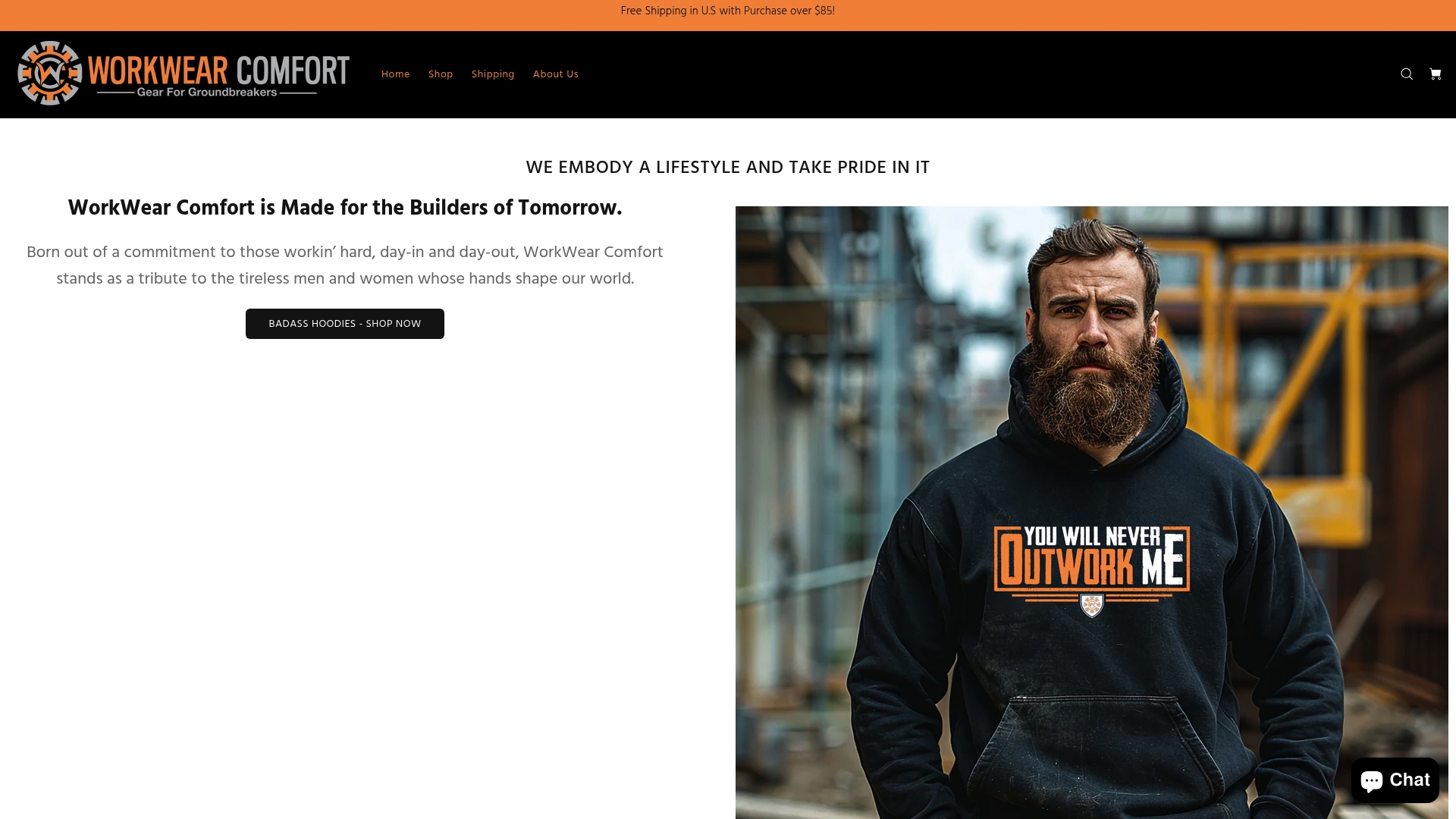
The Blue Collar Brotherhood hooded sweatshirt exemplifies the quality and values we bring to every product. This hoodie combines comfort with durability, featuring heavyweight fabric that stands up to job site wear while providing warmth without bulk. It represents the pride construction workers take in their craft, making it both functional workwear and a statement of professional identity.
Explore options tailored to your specific job needs at WorkWearComfort, where we understand that your clothing needs to work as hard as you do. Our selection focuses on the features that matter most to construction professionals: reinforced construction, practical pocket configurations, and fabrics that balance protection with comfort. Find workwear that supports your performance and reflects your commitment to quality craftsmanship.
FAQ
What fabric is best for construction clothing?
Cotton-polyester blends in 65/35 or 60/40 ratios provide the optimal balance for most construction applications, combining cotton’s breathability with polyester’s durability and quick-drying properties. Ripstop fabrics with reinforced thread patterns prevent tears from spreading when you snag on sharp edges or rough materials. For heavy-duty applications involving welding, grinding, or extreme abrasion, heavyweight canvas or denim in 10-14 oz weights offers superior protection and longevity worth the slightly reduced breathability.
How do I ensure my workwear fits properly?
Try on construction clothing while wearing your typical work boots and any base layers you use regularly, then perform work-simulating movements like deep squats, overhead reaches, and full arm circles to test mobility. Pants should allow you to lift your knee to waist height without pulling tight, while shirts must permit crossing your arms in front of your chest without restriction. Prioritize ergonomic cuts with gusseted crotches, action backs, and articulated knees that accommodate movement rather than fighting it, even if this means sizing up from your casual clothing size.
Can construction clothing be stylish and functional?
Modern workwear brands now offer construction clothing that delivers both style and function without compromise, featuring slimmer cuts, contemporary colors, and thoughtful details that look professional while maintaining durability. Selecting coordinated colors and clean-lined designs creates a sharp appearance that reflects your work quality to clients and supervisors. The key is ensuring style choices never sacrifice critical features like reinforced stress points, adequate pocket space, or safety elements required for your specific trade and work environment.
What features improve protection in construction clothing?
Reinforced knees and elbows with double-layer fabric or built-in padding protect your joints during frequent kneeling and leaning on rough surfaces. High-visibility strips or panels in ANSI-compliant fluorescent colors with reflective elements ensure you remain visible to equipment operators and vehicle traffic in low-light conditions or busy job sites. Weather resistance through DWR (durable water repellent) treatments or coated fabrics sheds light rain and wind, while additional features like reinforced tool pockets prevent sharp objects from tearing through to your body.
Recommended
- Blue-collar work clothing: durable, functional gear for 2026 – WorkWearComfort
- Branded Construction Workwear 2026: 20% More Comfort & Durability – WorkWearComfort
- Men’s cold weather work clothes: stay warm in 2026 – WorkWearComfort
- Best Workwear for Construction Workers – Expert Comparison 2025 – WorkWearComfort
