

Long hours on a United States construction site make ordinary pants fall short fast. Every American laborer and foreman knows that the right work pants can mean the difference between comfort and daily frustration. Choosing durable, functional pants is more than a matter of style. It is about finding personal protective equipment that shields you from hazards and keeps your tools within reach. This article breaks down what sets construction work pants apart and helps you spot the features that matter most for safety and all-day wear.
Table of Contents
- What Are Work Pants for Construction?
- Popular Types and Material Variations
- Essential Safety and Comfort Features
- Meeting OSHA and NFPA Standards
- Cost, Longevity, and Common Pitfalls
Key Takeaways
| Point | Details |
|---|---|
| Work Pants Are Essential PPE | Construction work pants are designed to protect workers from various hazards while ensuring comfort and mobility. |
| Choose Wisely for Durability | Investing in high-quality pants can reduce replacement costs and enhance safety on job sites. |
| Fit and Certification Matter | Proper fit and adhering to safety certifications are critical to maximizing protection and performance. |
| Factor in Total Cost of Ownership | Consider initial price, maintenance, and potential safety incident costs when selecting work pants. |
What Are Work Pants for Construction?
Work pants for construction are specialized garments designed to meet the demanding requirements of blue-collar professionals working in challenging outdoor environments. These aren’t just ordinary pants - they’re a critical piece of personal protective equipment engineered for durability, safety, and functionality. Construction work pants represent a sophisticated fusion of tough materials, strategic design, and worker-centric features.
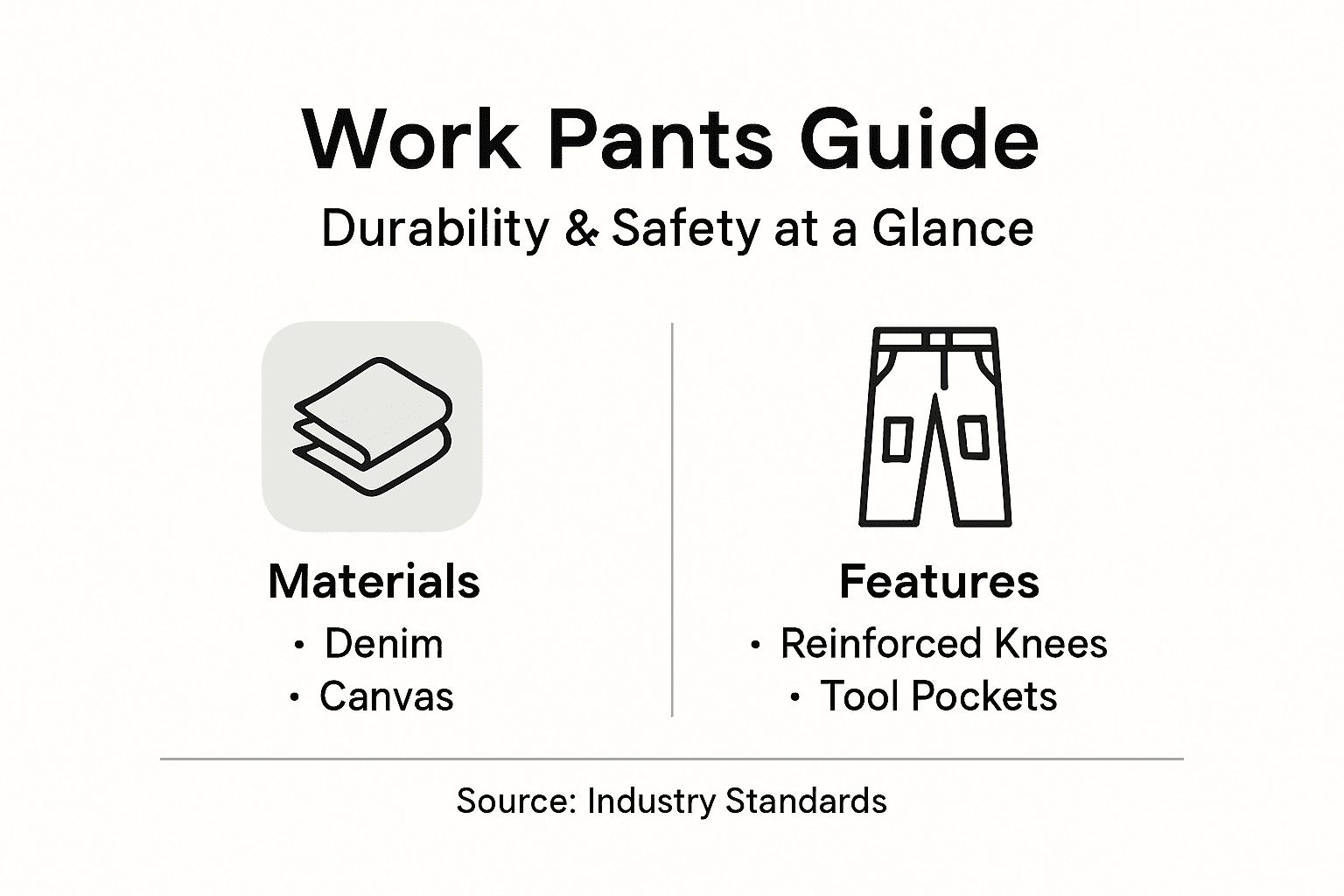
At their core, construction work pants are distinguished by several key characteristics that set them apart from standard clothing. According to occupational safety guidelines, these pants serve as an essential component of personal protective equipment (PPE), designed to minimize workplace hazards. They typically feature:
- Reinforced fabric in high-stress areas like knees and seat
- Multiple specialized tool pockets for convenient equipment storage
- Extra-durable stitching to withstand rigorous daily use
- Flexibility for unrestricted movement during physical labor
- Protective elements like hammer loops and reinforced rivets
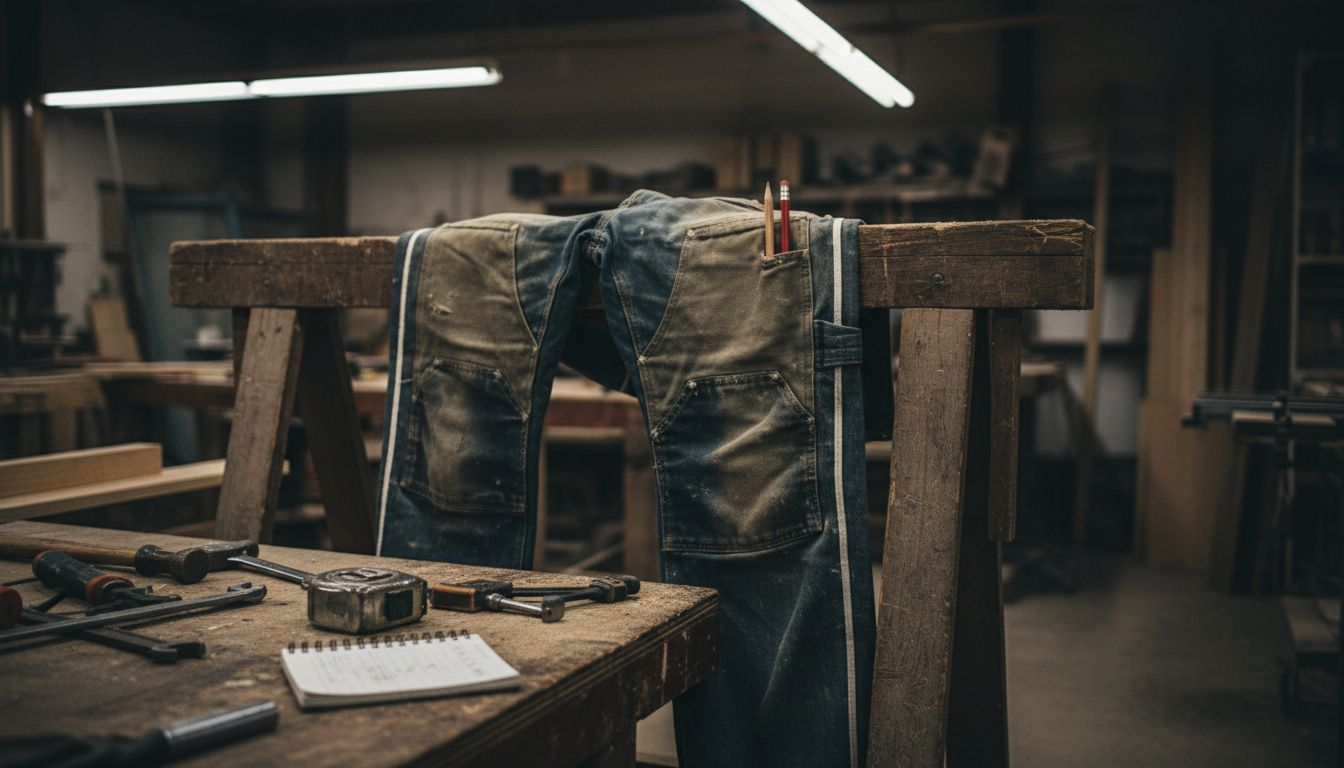
The primary function of construction work pants extends beyond mere clothing. They are engineered to provide comprehensive worker protection against mechanical, chemical, and environmental risks. Carpenter jeans, for instance, incorporate design elements specifically tailored to trade professionals - featuring loose leg cuts to accommodate tools and multiple attachment points for easy equipment access.
Pro tip: Always inspect your work pants before each shift, checking for wear, tear, or potential weak points that could compromise your safety on the job site.
Popular Types and Material Variations
Construction work pants come in diverse styles and materials, each designed to meet specific job site requirements and environmental challenges. Cargo pants represent a particularly versatile option for trade professionals, offering robust functionality through their strategic design and durable construction.
The most popular types of construction work pants include:
- Carpenter Jeans: Featuring multiple tool pockets and hammer loops
- Cargo Pants: Characterized by oversized utility pockets
- Tactical Work Pants: Designed with reinforced knee areas and additional storage
- Dungaree-Style Pants: Offering extra durability for heavy-duty work environments
- Ripstop Fabric Pants: Providing enhanced tear resistance
Material variations play a crucial role in determining a work pant’s performance. Carpenter jean materials typically range from heavyweight denim to canvas and synthetic blends, each offering unique benefits. Denim provides classic durability, while canvas offers superior abrasion resistance. Synthetic blends introduce additional flexibility and moisture-wicking properties.
Here’s a comparison of popular construction work pant types and their ideal use-cases:
| Type of Work Pant | Best Suited For | Key Benefit |
|---|---|---|
| Carpenter Jeans | Carpentry, general construction | Tool storage and flexibility |
| Cargo Pants | Electricians, site managers | Large pocket capacity |
| Tactical Work Pants | Security, rapid response teams | Reinforced protection zones |
| Dungaree-Style Pants | Heavy-duty, demolition jobs | Extra strength and durability |
| Ripstop Fabric Pants | Outdoor, rugged environments | Superior tear resistance |
Construction work pants are more than clothing - they’re an essential piece of personal protective equipment designed to shield workers from workplace hazards.
Fabric technologies have evolved significantly, with modern work pants incorporating advanced materials like:
- Stretch-infused cotton for improved mobility
- Moisture-wicking synthetic blends
- Flame-resistant fabric treatments
- Reinforced cordura patches in high-wear areas
Pro tip: Choose work pants with material compositions that match your specific job site conditions and environmental demands.
Essential Safety and Comfort Features
Construction work pants are more than just clothing - they’re a critical layer of personal protection designed to shield workers from numerous workplace hazards. Safety regulations for construction PPE mandate specific features that ensure worker protection and comfort during demanding job site conditions.
Key safety features in construction work pants include:
- Flame Resistance: Protecting against unexpected fire risks
- Reinforced Knee Areas: Preventing wear and potential injury
- Chemical Splash Protection: Blocking harmful substance exposure
- Abrasion-Resistant Fabric: Reducing mechanical injury potential
- High-Visibility Elements: Enhancing worker visibility in dangerous environments
Comfort is equally crucial in workplace performance. Ergonomic design ensures that protective features don’t compromise mobility. Personal protective equipment standards emphasize the importance of creating PPE that workers will consistently wear by balancing protection with comfort.
Effective work pants are a worker’s first line of defense against job site hazards, combining safety technology with wearable design.
Advanced fabric technologies have revolutionized work pants, incorporating features like:
- Moisture-wicking materials
- Four-way stretch fabrics
- Temperature-regulating components
- Breathable mesh panel inserts
- Lightweight yet durable construction
Pro tip: Invest in work pants that offer a perfect balance between robust safety features and all-day wearing comfort.
Meeting OSHA and NFPA Standards
Navigating the complex landscape of workplace safety requires understanding the rigorous standards set by regulatory bodies like OSHA and NFPA for construction work pants. Construction safety regulations provide comprehensive guidelines that employers and workers must follow to ensure maximum protection on job sites.
Key regulatory requirements for work pants include:
- Compliance with 29 CFR Part 1926 safety standards
- Protection against physical and chemical hazards
- Documented durability and material strength testing
- Specific thermal and flame-resistant performance metrics
- Consistent quality control and manufacturer certification
The National Fire Protection Association establishes critical standards for protective workwear, particularly focusing on thermal protection and injury prevention. Flame-resistant clothing standards in documents like NFPA 1975 define precise requirements for fabric performance, ensuring workers have reliable protection in high-risk environments.
Regulatory standards are not just paperwork - they’re a critical shield protecting workers from potential life-threatening hazards.
Workplace safety standards typically mandate that construction work pants must:
- Resist tearing and abrasion
- Provide chemical splash protection
- Maintain structural integrity under stress
- Offer visibility in low-light conditions
- Withstand multiple wash and wear cycles
Pro tip: Always verify that your work pants are explicitly certified to meet current OSHA and NFPA standards, not just marketed as compliant.
Cost, Longevity, and Common Pitfalls
Constructing a smart strategy for work pants requires understanding the complex balance between initial investment and long-term value. Construction safety quality control demonstrates that cheaper work pants often translate to higher overall expenses through frequent replacements and potential safety risks.
Common purchasing pitfalls that construction workers should avoid include:
- Prioritizing price over durability
- Ignoring proper fit and sizing
- Overlooking safety certification details
- Choosing non-specialized work pants
- Neglecting material performance specifications
The economics of work pants go far beyond their initial price tag. Durability metrics play a crucial role in determining true value, with higher-quality pants typically offering significant long-term benefits. Construction safety investment strategies consistently reveal that spending more upfront can dramatically reduce replacement costs and enhance workplace safety.
Investing in high-quality work pants isn’t an expense - it’s a strategic protection of human capital and productivity.
Financial considerations for work pants include:
Below is a summary of major cost considerations for work pants and their impact on total value:
| Cost Factor | Impact on Longevity | Effect on Workplace Safety |
|---|---|---|
| Initial Price | High cost often lasts longer | Better features, fewer accidents |
| Replacement Rate | Frequent buys reduce value | More downtime, inconsistent PPE |
| Maintenance Needs | Simple care extends lifespan | Reduced chance of hidden damage |
| Safety Incidents | Lowers lifetime savings | Can cause injury or legal issues |
- Initial purchase price
- Replacement frequency
- Potential productivity losses from inferior gear
- Repair and maintenance costs
- Potential safety incident expenses
Pro tip: Calculate the total cost of ownership for work pants by considering durability, replacement frequency, and potential safety impact, not just the initial price tag.
Upgrade Your Workwear with Durable Comfort That Works as Hard as You Do
Construction work pants demand unmatched durability and safety features to keep you protected during every tough job. If you are searching for gear that combines rugged strength with comfort, it is time to explore our full collection at WorkWearComfort.com. Whether you value reinforced stitching, flexible materials, or useful pockets, our apparel is designed to meet the real challenges highlighted in the article “Work Pants for Construction – Durability That Matters.”
Protect yourself and boost your productivity by choosing workwear that understands your lifestyle. Start with our Mens Work T-shirts – WorkWearComfort to build a reliable base layer, or check out All Hooded Sweatshirts - WorkWear Comfort for comfort and protection in cooler conditions. Don’t wait for safety to become an issue upgrade your gear today at WorkWearComfort.com and experience durability that truly matters.
Frequently Asked Questions
What are the key features of construction work pants?
Construction work pants are designed with reinforced fabric in high-stress areas, multiple tool pockets, extra-durable stitching, flexibility for movement, and additional protection features like hammer loops and rivets.
How do I know what type of work pants to choose for my job?
Choosing the right type of work pants depends on your specific job requirements. Carpenter jeans are great for carpentry work, while cargo pants are suitable for electricians due to their large pocket capacity. Tactical pants offer reinforced protection for security teams, while ripstop fabric pants are ideal for rugged outdoor environments.
What materials are commonly used in construction work pants?
Construction work pants are typically made from materials like heavyweight denim, canvas for abrasion resistance, and synthetic blends that provide added flexibility and moisture-wicking properties. Each material offers unique benefits suited to different work conditions.
How do safety regulations affect the design of work pants for construction?
Safety regulations, such as those from OSHA and NFPA, dictate that construction work pants must comply with specific standards regarding flame resistance, chemical protection, and durability. This ensures that the pants provide reliable protection against workplace hazards.
