

Finding the right workwear hoodie can feel like a challenge when you want comfort, durability, and protection all at once. If your clothing restricts your movement, soaks up sweat, or wears out too fast, it can make your entire workday harder. Fortunately, advances in textile research and smart workwear design are making it easier to choose gear that works as hard as you do.
This guide breaks down what actually matters when picking a hoodie for labor-intensive jobs. You’ll discover how to spot fabrics that resist wear, help you move with ease, and keep you dry no matter how tough the day gets. Get ready for straightforward tips that will help you stay comfortable, protected, and confident on every job site.
Table of Contents
- Choose Durable Fabrics for Extra Longevity
- Prioritize Stretch and Flexibility in Your Workwear
- Look for Moisture-Wicking Materials for All-Day Comfort
- Select Hoodies with UPF Protection for Outdoor Jobs
- Embrace Layering for Changing Weather Conditions
- Opt for Custom Fits Designed for Tradesmen
- Add Personality with Statement Hoodies and Accessories
Quick Summary
| Key Insight | Explanation |
|---|---|
| 1. Choose Durable Fabrics | Select fabrics like ripstop nylon and canvas for optimal durability on job sites. These materials resist abrasion and maintain comfort under stress. |
| 2. Prioritize Stretch and Flexibility | Look for workwear with 2% to 5% elastane for enhanced movement, reducing physical strain during demanding tasks. Flexibility aids comfort and prevents injuries. |
| 3. Invest in Moisture-Wicking Materials | Opt for synthetic blends that manage sweat effectively, keeping you dry and comfortable throughout long shifts while minimizing skin irritation. |
| 4. Ensure UPF Protection for Outdoor Work | Select UPF-rated clothing to shield yourself from harmful UV rays, significantly reducing the risk of skin damage during outdoor tasks. |
| 5. Embrace Layering for Weather Adaptability | Utilize a layered clothing approach to manage temperature fluctuations throughout the day, ensuring comfort and protection against various elements. |
1. Choose Durable Fabrics for Extra Longevity
When you’re working on a job site, your clothing isn’t just about looking good - it’s about survival. The right fabric can mean the difference between comfort and constant clothing replacement. Innovative textile research has revolutionized how we think about workwear durability, focusing on materials that can withstand intense physical demands.
Workwear fabrics need to handle more than just daily wear. They must resist abrasion, repel moisture, provide flexibility, and maintain structural integrity under challenging conditions. Cotton might feel comfortable, but for job sites, you want performance fabrics like ripstop nylon, canvas, and specialized synthetic blends that offer superior durability.
Key Characteristics of Durable Work Fabrics:
- Tear resistance
- Quick drying capabilities
- Reinforced stress points
- Flexibility without losing shape
- Chemical and stain resistance
Functional fabric developments have shown that modern workwear can integrate advanced material science to create clothing that adapts to worker needs. Look for fabrics with built in stretch, reinforced stitching, and treatments that enhance longevity.
Synthetic blends often outperform pure natural fibers. Polyester mixed with cotton or nylon creates materials that resist shrinking, maintain color, and withstand repeated washing. Advanced manufacturing techniques now allow these fabrics to feel soft while remaining incredibly tough.
Pro tip: When shopping for work clothing, always check the fabric composition and look for materials that list multiple performance characteristics beyond basic comfort.
2. Prioritize Stretch and Flexibility in Your Workwear
Workwear isn’t just about durability it’s about movement. Smart textile innovations have transformed how workers think about clothing performance by focusing on materials that flex and adapt to body mechanics.
Stretch fabrics are critical for job site mobility. They reduce physical strain by allowing unrestricted movement during demanding tasks like bending, lifting, and reaching. Traditional rigid workwear can limit your range of motion and create unnecessary workplace fatigue.
Why Flexibility Matters:
- Reduces muscle strain
- Prevents restricted movement
- Increases overall work comfort
- Supports dynamic physical tasks
- Minimizes potential injury risks
Materials with integrated stretch technologies provide multiple benefits. Modern work pants and shirts now incorporate elastane or spandex blends that offer up to 30% more range of motion compared to standard work clothing. This means you can climb ladders, carry equipment, and perform technical tasks without feeling constrained.
Key Fabric Characteristics for Flexibility:
- 2% to 5% elastane content
- Four way stretch capabilities
- Lightweight performance materials
- Moisture wicking properties
- Reinforced stress points
When shopping for flexible workwear, look for garments that combine stretch with durability. Workplace safety research emphasizes the importance of clothing that supports natural body movement while protecting workers.
Pro tip: Always try on work clothing and perform a range of motion test before purchasing to ensure maximum comfort and flexibility.
3. Look for Moisture-Wicking Materials for All-Day Comfort
Staying dry and comfortable during long work shifts isn’t just a luxury it’s a necessity. Liquid moisture management transforms how workers experience their workwear by keeping skin dry and cool.
Moisture-wicking fabrics are engineering marvels designed to pull sweat away from your body. These advanced materials work like tiny pumps transporting moisture to the fabric surface where it can quickly evaporate, preventing that uncomfortable sticky feeling that plagues workers in hot environments.
Why Moisture-Wicking Matters:
- Reduces skin irritation
- Prevents chafing
- Regulates body temperature
- Minimizes bacterial growth
- Increases overall comfort
Performance fabric research demonstrates that synthetic materials like polyester blends provide superior thermal regulation. These fabrics can lower body temperature by up to 2 to 3 degrees compared to traditional cotton work clothing.
Ideal Moisture-Wicking Fabric Characteristics:
- Synthetic fiber blends
- Rapid drying capabilities
- Lightweight construction
- Breathable texture
- Antimicrobial properties
When shopping for work clothing, prioritize materials like polyester, nylon, and spandex blends. These fabrics actively manage moisture while providing durability and flexibility for demanding job site environments.
Pro tip: Look for work clothing with a high percentage of synthetic fibers and avoid 100% cotton materials for maximum moisture management.
4. Select Hoodies with UPF Protection for Outdoor Jobs
Outdoor workers face constant sun exposure that can cause serious long-term skin damage. UPF-rated clothing provides critical protection against harmful ultraviolet radiation during long work shifts.
UPF stands for Ultraviolet Protection Factor and represents how much solar radiation is blocked by fabric. Unlike standard clothing, UPF hoodies are scientifically engineered to filter out up to 98% of dangerous sun rays, significantly reducing your skin cancer risk.
Why UPF Protection Matters:
- Prevents sunburn
- Reduces skin cancer risk
- Blocks harmful ultraviolet radiation
- Provides consistent protection
- Works when sunscreen wears off
Specialized fabric treatments create protective barriers in workwear. These treatments transform ordinary hoodies into powerful shields against sun damage, with certification levels ranging from UPF 15 to UPF 50+.
Key UPF Hoodie Features:
- Tight fabric weave
- Synthetic fiber blends
- Dark or bright color options
- Lightweight breathable materials
- Long sleeve coverage
When selecting a UPF hoodie, look for certifications and ratings. A UPF 50+ rating blocks more than 98% of ultraviolet rays, offering maximum protection for workers spending hours under direct sunlight.
Pro tip: Check the fabric density and color when selecting UPF hoodies darker colors and tighter weaves provide superior sun protection.
5. Embrace Layering for Changing Weather Conditions
Worksite conditions can shift dramatically between morning and afternoon, making strategic clothing layers your best defense against unpredictable weather. Three layer protection systems transform how workers manage temperature and comfort throughout their workday.
Layering is more than just throwing on multiple garments. It is a calculated approach to temperature management that allows you to adapt quickly to changing environmental conditions. Each layer serves a specific purpose creating a dynamic shield against cold, heat, wind, and moisture.
Layering Hierarchy for Maximum Comfort:
- Base layer (moisture wicking)
- Mid layer (insulation)
- Outer layer (protection)
- Versatile transitional pieces
- Adaptable clothing components
Personal protective equipment strategies recommend selecting materials that work together. Your base layer should pull sweat away from skin, the mid layer traps warm air, and the outer layer blocks wind and precipitation.
Base Layer Characteristics:
- Synthetic or merino wool fabrics
- Tight fitting design
- Moisture wicking properties
- Lightweight construction
- Quick drying materials
Choose clothing pieces that can be easily added or removed. Lightweight jackets, zip up hoodies, and versatile vests allow quick temperature adjustments without sacrificing mobility or comfort.
Pro tip: Invest in clothing layers that can mix and match to create multiple outfit combinations for maximum workplace adaptability.
6. Opt for Custom Fits Designed for Tradesmen
Your work clothing is more than just fabric its your second line of defense on the job site. Personal protective equipment research confirms that properly fitted workwear dramatically improves safety and performance.
Tradesmen have unique body types and physical demands that require specialized clothing design. Mass produced garments often fail to accommodate the dynamic movements and specific requirements of skilled laborers. Custom fitted workwear solves this problem by providing ergonomic solutions tailored to your professional needs.
Benefits of Custom Fitted Workwear:
- Enhanced mobility
- Reduced physical strain
- Better protection zones
- Improved comfort
- Increased durability
- Personalized performance
American workwear manufacturers understand that one size does not fit all. They engineer clothing with strategic stretch panels, reinforced stress points, and body mapping technologies that adapt to different physical builds and work requirements.
Key Custom Fit Considerations:
- Shoulder and arm mobility
- Flexible waist and hip areas
- Reinforced knees and elbows
- Adjustable waist and sleeve lengths
- Articulated joint designs
Professional tradesmen should prioritize clothing that moves with their body. Look for garments with gusseted crotches, pre curved sleeves, and strategically placed stretch panels that allow maximum range of motion without compromising durability.
Pro tip: Always try on work clothing and perform a full range of motion test before purchasing to ensure optimal fit and comfort.
7. Add Personality with Statement Hoodies and Accessories
Workwear doesn’t have to be boring. Made in USA regulations have opened up opportunities for workers to express their unique style while maintaining professional standards.
Statement hoodies and accessories are more than just fashion statements. They are powerful tools for self expression that allow workers to showcase their personality while maintaining job site functionality and safety requirements.
Why Personal Style Matters:
- Boosts workplace morale
- Increases individual confidence
- Creates team identity
- Allows creative self expression
- Maintains professional standards
American workwear brands now understand that personalization is key. Customizable options like color choices, logo placements, and unique design elements transform standard uniforms into statements of individual pride.
Ways to Add Personal Flair:
- Custom embroidered patches
- Unique color combinations
- Personalized logo designs
- Branded accessories
- Strategic accent pieces
The modern tradesman wants clothing that tells a story. Whether its a hoodie that reflects your work crew’s spirit or accessories that showcase your skills, personal style can be both functional and meaningful.
Pro tip: Choose accessories and statement pieces that complement your work environment while staying within safety and professional guidelines.
Below is a comprehensive table summarizing the key insights and strategies for selecting high-performance and practical workwear described in the article.
| Topic | Description | Key Considerations |
|---|---|---|
| Durable Fabrics | Focus on materials that withstand physical demands and last longer under stress and wear. | Ripstop Nylon, Canvas, Synthetic Blends providing Tear and Abrasion Resistance. |
| Flexibility | Materials with stretch allow free movement, reducing strain and enhancing mobility. | Elastane Content, Four-way Stretch, Reinforced Points ideal for physical tasks. |
| Moisture Management | Fabrics designed to wick moisture from the body keep workers dry and comfortable in all conditions. | Avoid 100% Cotton; prioritize Synthetic Fiber Blends with Breathable Construction. |
| Sun Protection | UPF-rated clothing protects outdoor workers from harmful ultraviolet radiation. | UPF 50+ Hoodies made with Tight Weaves and Synthetic Blends providing optimal coverage. |
| Layering | Combining layers helps adapt to changing weather conditions for consistent comfort. | Base Moisture-Wicking Layer, Insulating Mid Layer, Protective Outer Layer. |
| Custom Fit | Workwear tailored to tradesmen ensures enhanced safety, mobility, and comfort. | Features such as Pre-curved Sleeves, Gusseted Crotches, and Adjustable Dimensions. |
| Personal Style | Adding custom elements and accessories to workwear allows workers to express themselves uniquely. | Embroidered Patches, Branded Accessories, and Color Choices enhancing identity. |
Gear Up for Ultimate Comfort and Durability on the Job Site
Finding the perfect work outfit that balances durability, flexibility, and protection can be challenging. This article highlights essential tips like choosing moisture-wicking fabrics, prioritizing stretch, and selecting UPF-protected hoodies to stay comfortable and safe. If you want workwear that truly supports your demanding daily tasks while reflecting your blue-collar pride, look no further.
Explore our wide collection of All Hooded Sweatshirts - WorkWear Comfort designed with durability and style in mind. For those working long hours outdoors, our UPF 50+ Sun Protection Hoodie - WorkWear Comfort provides superior sun safety without compromising comfort or mobility.
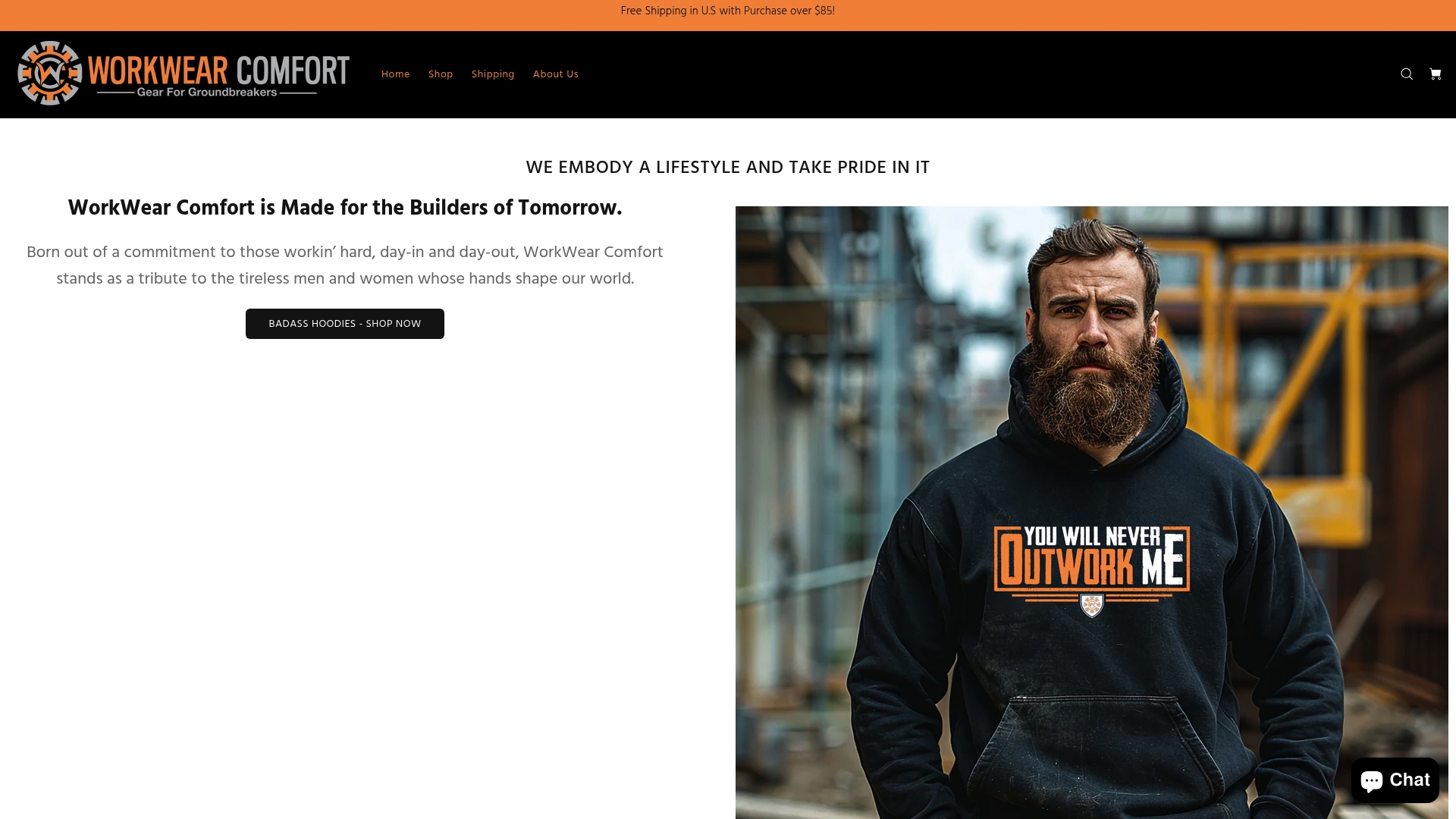
Ready to upgrade your workwear with trusted, tough, and comfortable options? Visit WorkWearComfort.com today and gear up with apparel that works as hard as you do. Shop now and experience the perfect blend of function and style tailored for hardworking professionals.
Frequently Asked Questions
What are the best fabrics for durable work outfits?
Durable work outfits should be made from performance fabrics like ripstop nylon, canvas, or specialized synthetic blends. Focus on materials that offer tear resistance, quick drying capabilities, and flexibility to ensure long-lasting comfort and functionality.
How can I ensure my work clothing allows for flexibility and movement?
Choose workwear with stretch fabrics that include elastane or spandex blends, which provide up to 30% more range of motion than standard clothing. Always try on items and perform a range of motion test to confirm comfort before making a purchase.
Why should I prioritize moisture-wicking materials for my work outfits?
Moisture-wicking fabrics pull sweat away from your body, keeping you dry and comfortable throughout your work shift. Look for synthetic fiber blends with rapid drying capabilities to minimize skin irritation and prevent chafing.
What should I consider when selecting UPF protection for outdoor work?
Choose UPF-rated clothing that blocks harmful ultraviolet radiation, ideally with a UPF rating of 50+ for maximum protection against sun exposure. Look for tightly woven, lightweight materials that provide coverage while remaining breathable.
How does layering improve comfort in variable weather conditions?
Layering allows you to adapt quickly to changing temperatures, with each layer serving a specific purpose: moisture-wicking base layers, insulating mid layers, and protective outer layers. Invest in versatile pieces that can be easily added or removed to maintain comfort throughout the day.
What are the advantages of custom-fitted workwear for tradesmen?
Custom-fitted workwear enhances mobility, reduces physical strain, and improves comfort for tradesmen with unique body types. Prioritize garments designed with stretch panels and reinforced areas that cater to your specific physical demands on the job site.
Recommended
- 7 Essential Tips for Choosing Workwear in Hot Weather – WorkWearComfort
- 7 Comfortable Work Outfits for Women in Tough Jobs – WorkWearComfort
- Staying Hydrated at Work: Essential Steps for Tradespeople – WorkWearComfort
- 7 Essential Tips for Choosing Work Wear for Hot Weather – WorkWearComfort
- 适合40岁以上人士的7大健身房服装选择清单 – Real Healthy Haven
- From Street to Studio: How to Style Designer Pieces for Every Day – Designerlabelsale
