

Thinking a single thick jacket is enough to handle frigid construction sites? That’s a dangerous myth. Proper cold weather work gear requires smart layering, moisture control, and strategic insulation to keep you safe and productive when temperatures drop. This guide reveals how to select and use gear that prevents cold stress while maintaining the mobility and durability your job demands.
Table of Contents
- Understanding Cold Stress and the Role of Gear
- Material Technologies for Insulation and Moisture Management
- Layering Systems for Maximum Protection and Comfort
- Durability and Functional Design Considerations
- Key Cold Weather Apparel Features
- Common Misconceptions and Corrections
- Care and Maintenance of Cold Weather Work Gear
- Explore Durable Cold Weather Workwear at WorkwearComfort
- FAQ
Key Takeaways
| Point | Details |
|---|---|
| Cold stress prevention requires three key elements | Moisture management, proper insulation, and effective wind protection work together to maintain core temperature. |
| Three-layer clothing system optimizes performance | Base layers wick moisture, mid layers trap warmth, and outer shells block wind and water. |
| Durable design extends gear lifespan | Reinforced construction points, abrasion-resistant materials, and articulated joints withstand demanding work conditions. |
| Protective accessories prevent extremity injuries | Insulated boots, moisture-wicking socks, and task-appropriate gloves protect vulnerable areas from frostbite. |
| Proper maintenance preserves gear effectiveness | Following washing instructions and regular inspections keep insulation and weather resistance intact. |
Understanding Cold Stress and the Role of Gear
Cold stress develops when your body can’t maintain its core temperature, creating serious health risks that go beyond simple discomfort. Cold stress is caused by a combination of cold temperatures, wind, dampness, and wet conditions, increasing the risk of injuries like hypothermia, frostbite, and trench foot for outdoor workers. Construction workers and tradespeople face particularly high exposure during winter months when projects continue despite harsh conditions.
Several environmental factors accelerate cold stress development. Wind chill dramatically increases heat loss from exposed skin, while moisture compromises your body’s natural insulation. Cold temperatures alone challenge your system, but when combined with wind and wetness, the danger multiplies quickly. Your body loses heat 25 times faster when wet compared to dry conditions.
Outdoor workers in construction and trade sectors face the highest risk because they spend extended hours exposed to these elements. Improper clothing or inadequate gear leads to increased incidence of cold stress injuries among outdoor workers, notably frostbite, hypothermia, and trench foot. The consequences extend beyond health risks to include reduced productivity, increased accident rates, and higher injury claims.
Recognizing early symptoms can prevent serious harm:
- Persistent shivering indicating your body is working overtime to generate heat
- Numbness in fingers, toes, or face signaling reduced blood flow to extremities
- Confusion or slowed thinking showing your core temperature is dropping
- Unusual fatigue beyond normal work exhaustion
- Pale or bluish skin tone revealing circulation problems
Proper gear selection isn’t optional when facing these risks. The right clothing system creates a microclimate around your body that manages moisture, retains heat, and blocks environmental threats. Understanding these dangers sets the foundation for making informed gear choices that keep you safe throughout your shift.
Material Technologies for Insulation and Moisture Management
The fabrics touching your skin and surrounding your body determine whether you stay warm or risk cold stress. Modern material technologies have revolutionized cold weather protection by addressing both insulation and moisture control simultaneously. Understanding these technologies helps you select gear that performs when conditions turn brutal.
Base layers form your first defense against cold. Cold stress can develop rapidly during intense physical exertion in the cold if sweat is not managed effectively, emphasizing the importance of moisture-wicking base layers. Synthetic fibers like polyester or polypropylene pull moisture away from skin through capillary action. Merino wool offers natural moisture management while resisting odor buildup during multi-day wear. Both materials maintain their insulating properties when damp, unlike cotton which becomes dangerously cold when wet.
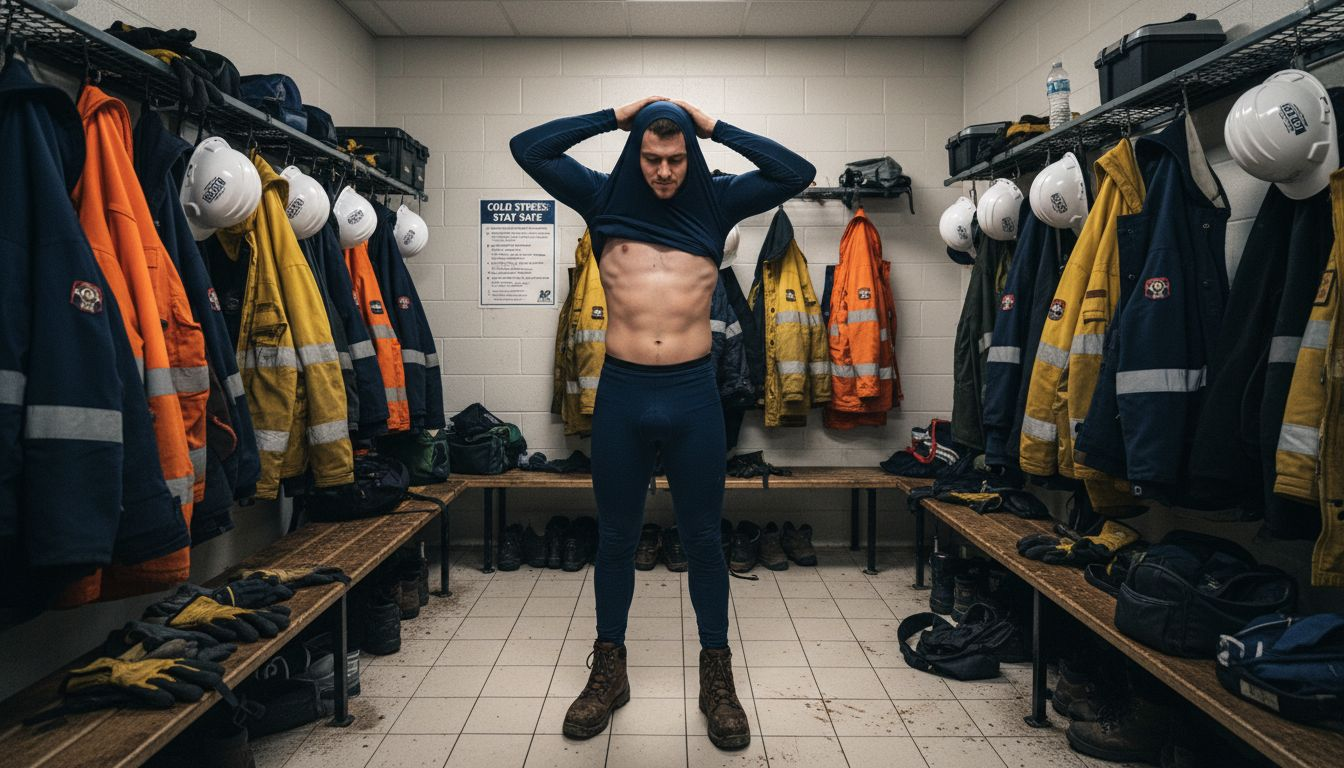
Insulation materials trap warm air to maintain core temperature. Fleece provides excellent warmth-to-weight ratio and continues insulating when wet. Down offers superior warmth for its weight but loses effectiveness if moisture penetrates. Synthetic fills like PrimaLoft or Thinsulate resist moisture better than down while providing consistent warmth. Each insulation type serves specific conditions based on your work environment’s wetness and activity level.
Layering clothing with multiple functional layers maximizes warmth, moisture management, and wind protection for prolonged outdoor work in cold conditions. Outer shell fabrics use DWR (durable water repellent) treatments to shed moisture while maintaining breathability. Windproof membranes block air infiltration that strips away your carefully managed warmth. Advanced fabrics combine these properties, creating shells that protect your insulation layers from environmental assault.
| Material Type | Primary Function | Wet Performance | Best Use Case |
|---|---|---|---|
| Merino Wool | Moisture wicking, odor control | Good | Extended wear base layers |
| Synthetic Base | Fast moisture transport | Excellent | High activity periods |
| Fleece | Insulation, breathability | Very Good | Mid-layer versatility |
| Down Fill | Maximum warmth-to-weight | Poor | Dry, cold conditions |
| Synthetic Fill | Reliable insulation | Excellent | Wet or variable weather |
| DWR Shell | Water resistance, wind block | Excellent | Outer layer protection |
Moisture accumulation inside your clothing system accelerates heat loss dramatically. When sweat saturates your base layer without evaporating, it creates a cooling effect that can trigger hypothermia even during physical work. The key is selecting moisture-wicking fabrics that move perspiration away from skin toward outer layers where it can evaporate safely.
Pro Tip: Test your base layer’s wicking ability by dampening a corner and watching how quickly moisture spreads through the fabric. Fast spreading indicates good wicking properties that will keep you dry during work.
Different materials respond uniquely when exposed to moisture. Synthetic insulations maintain about 90% of their warmth when wet, while down can lose up to 90% of its insulating value. Understanding these performance differences helps you choose gear matched to your typical work conditions, whether you face dry cold, wet snow, or rain mixed with freezing temperatures.
Layering Systems for Maximum Protection and Comfort
Building an effective clothing system means understanding how each layer contributes to your overall protection. The three-layer approach provides flexibility to adapt as weather changes and work intensity varies throughout your day. Layering clothing with multiple functional layers maximizes warmth, moisture management, and wind protection for prolonged outdoor work in cold conditions.
The base layer manages moisture by moving sweat away from your skin. This layer should fit snugly without restricting movement. Choose synthetic fabrics for high-output work or merino wool for moderate activity with extended wear periods. Never use cotton as a base layer since it holds moisture against your skin, creating dangerous cooling.
Your mid layer provides insulation by trapping warm air in small pockets throughout the garment. Fleece jackets, synthetic insulated vests, or lightweight down pieces work well here. The mid layer should fit comfortably over your base layer with room to move freely. You might use multiple mid layers on extremely cold days, adding or removing pieces as your activity level changes.
The outer shell protects your insulation from wind, rain, and snow. This layer needs enough room to accommodate your base and mid layers without compression. Look for features like adjustable cuffs, hem cinches, and high collars that seal out weather. Ventilation zippers let you dump excess heat during intense work without removing the entire jacket.
Here’s how to build your system effectively:
- Start with a moisture-wicking base layer that fits close to skin
- Add an insulating mid layer appropriate for current temperature
- Top with a windproof, water-resistant shell for weather protection
- Adjust layers based on activity level and weather changes
- Remove layers before you start sweating heavily to prevent moisture buildup
Layering outperforms a single heavy garment because it creates adjustable insulation zones. A thick jacket provides fixed warmth regardless of your activity level or weather conditions. Layered clothing lets you fine-tune your microclimate throughout the day. Working hard on a ladder? Remove your mid layer. Taking a break in the wind? Add it back.
Managing ventilation prevents the sweat accumulation that leads to cold stress. Open your shell’s pit zips during heavy work. Remove your hat when you feel too warm. These small adjustments maintain the dry environment your body needs to stay warm. Think of your clothing system as dynamic rather than static, constantly adapting to your changing needs.
Pro Tip: Keep an extra base layer in your truck. Changing into dry clothing at lunch prevents afternoon cold stress caused by morning sweat accumulation.
The real power of proper layering appears during temperature swings common on job sites. Morning freeze gives way to afternoon warmth, then drops again as the sun sets. Your layering system handles these changes by adding or removing pieces rather than suffering through discomfort or risking sweat-soaked clothing.
Durability and Functional Design Considerations
Cold weather gear for construction work must withstand punishment that would destroy typical outdoor clothing. Your gear encounters concrete, steel, lumber, and constant abrasion that quickly degrades weak materials. Selecting durable fabrics and functional designs ensures your investment protects you throughout the season rather than failing when you need it most.
Durable materials such as reinforced canvas, treated cotton, and synthetic blends provide abrasion resistance and longevity essential for construction workers facing rough conditions outdoors. Heavy-duty nylon ripstop fabrics resist tearing when snagged. Cordura reinforcements at high-wear points like elbows and shoulders extend garment life significantly. These materials balance toughness with the flexibility needed for physical work.
Functional design features separate work-grade gear from recreational outdoor clothing:
- Reinforced elbows and knees that resist wear from constant contact
- Articulated joints allowing full range of motion without binding
- Adjustable cuffs sealing out wind and snow while accommodating gloves
- Multiple pockets positioned for tool access without interference
- Extended back length preventing gaps when bending or reaching
- Heavy-duty zippers that function reliably despite dirt and debris
Windproof and water-resistant fabrics combined with articulated and reinforced functional design features reduce garment failure and increase safety and comfort for cold weather laborers. These treatments must withstand repeated washing and exposure to job site chemicals without losing effectiveness. Quality gear maintains its weather resistance through seasons of hard use.
| Feature | Purpose | Durability Impact |
|---|---|---|
| Reinforced Shoulders | Resists abrasion from carrying materials | Extends life by 200-300% |
| Articulated Elbows | Reduces stress on fabric during movement | Prevents premature seam failure |
| Double-layer Knees | Protects against kneeling wear | Triples garment lifespan |
| Bar-tacked Stress Points | Strengthens high-tension areas | Eliminates common tear locations |
| YKK Heavy-Duty Zippers | Ensures reliable operation under load | Maintains functionality season after season |
The relationship between durability and comfort affects your productivity directly. Stiff, heavy fabrics might last longer but restrict movement and cause fatigue. Modern materials like soft-shell fabrics offer excellent abrasion resistance while maintaining flexibility. The best work clothing balances these factors, providing protection that doesn’t slow you down.
Mobility matters as much as warmth on active job sites. Raglan sleeves allow full arm extension without riding up. Gusseted underarms prevent binding during overhead work. Stretch panels at strategic locations accommodate movement without compromising wind protection. These design elements keep you working efficiently rather than fighting your clothing.
Investing in durable work clothing reduces long-term costs despite higher initial prices. A quality jacket lasting five seasons costs less per year than replacing cheap gear annually. Factor in the safety benefits and productivity gains from properly functioning gear, and durability becomes a clear economic choice.
Key Cold Weather Apparel Features
Specific garments and accessories address cold weather challenges that generic clothing can’t handle. Understanding these specialized pieces helps you build complete protection from head to toe. Each item serves critical functions that complement your layering system while addressing vulnerable body areas.
Down jackets and parkas with longer coverage provide significant warmth retention, with goose down insulation lasting decades if properly maintained, making them cost-effective for cold weather work garments. Extended length coverage protects your lower back and upper legs from wind infiltration. Hip-length parkas offer more protection than waist-length jackets when working in exposed locations or during extended outdoor periods.
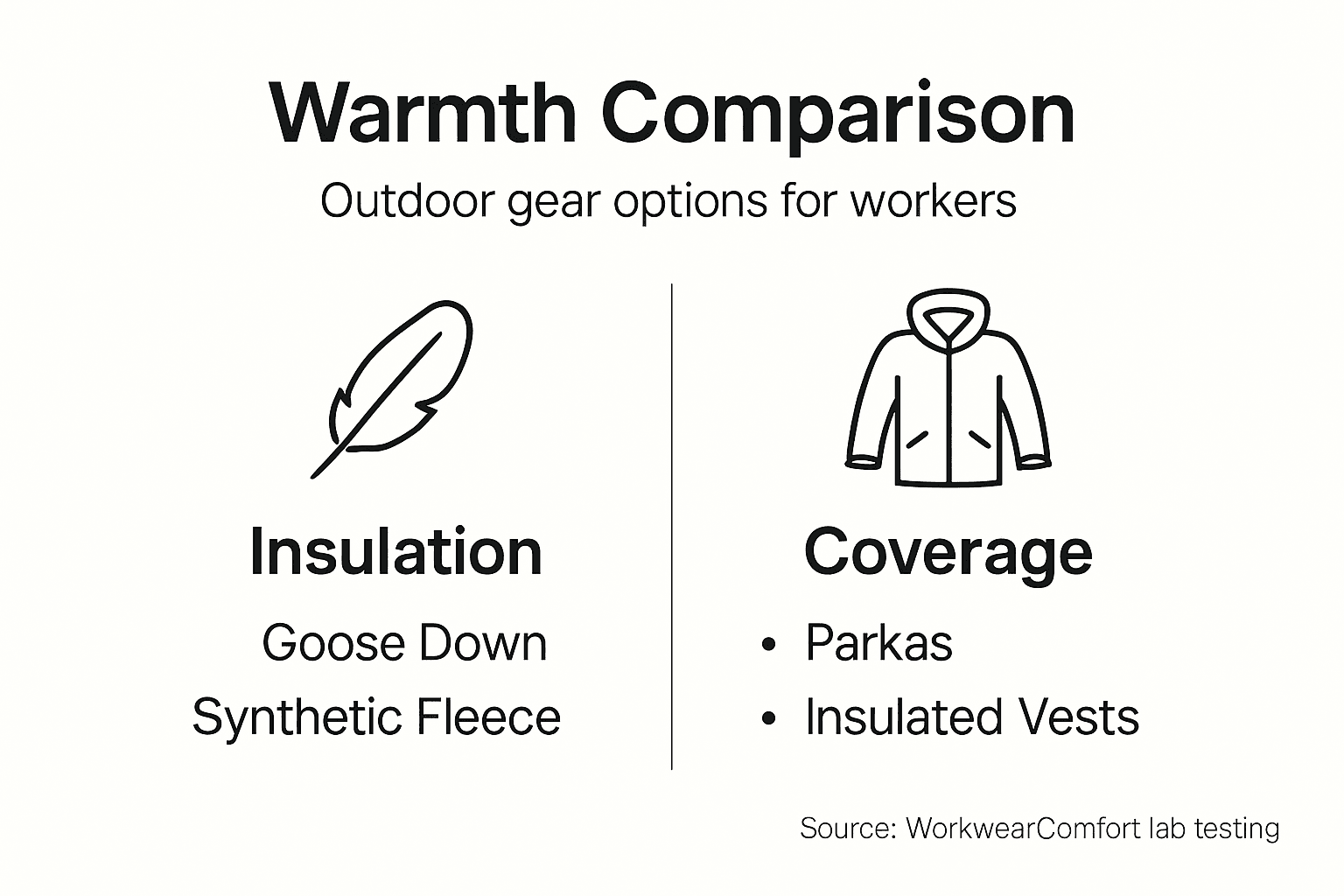
Core warmth depends on maintaining trunk temperature where vital organs reside. Insulated vests provide targeted warmth without restricting arm movement during active work. Layering a vest under your shell adds versatility, letting you adjust insulation without changing your outer weather protection. This combination works exceptionally well when activity levels vary throughout your shift.
Foot protection prevents injuries that sideline workers for weeks. Cold weather foot injuries can be prevented by insulated, waterproof boots combined with appropriate merino wool or synthetic socks to maintain warmth and dryness. Boots rated for subzero temperatures keep feet warm during stationary periods. Moisture-wicking socks prevent the sweat accumulation that leads to trench foot and frostbite. Change socks at midday if your feet sweat heavily.
Hands require protection that maintains dexterity for tool use. Insulated work gloves with grip-enhanced palms let you handle materials safely. Liner gloves underneath heavier shells provide layering flexibility similar to your clothing system. Keep multiple glove options available since different tasks demand varying levels of protection and dexterity.
Head and neck protection prevents significant heat loss from these high-circulation areas:
- Insulated beanies covering ears while fitting under hard hats
- Neck gaiters blocking wind without the bulk of traditional scarves
- Balaclava-style face protection for extreme cold and wind
- Moisture-wicking skull caps as base layers under other headwear
Accessories must integrate with required safety equipment. Your beanie needs to fit under your hard hat without compromising either item’s effectiveness. Face protection can’t interfere with safety glasses or respirators. The right workwear considers these practical requirements rather than treating cold weather gear as separate from your safety equipment.
Complete protection means no gaps where wind and cold can penetrate. Long underwear extends below your boot tops. Jacket sleeves reach past your wrist to overlap with gloves. Your collar seals against your neck gaiter. These overlapping layers create continuous insulation that cold can’t bypass.
Common Misconceptions and Corrections
Several persistent myths about cold weather gear put workers at unnecessary risk. Correcting these misconceptions prevents dangerous mistakes that compromise warmth and safety. Understanding the science behind proper cold weather protection helps you make informed choices rather than following flawed conventional wisdom.
Cotton’s moisture retention makes it dangerous as a base layer despite its comfort in moderate conditions. When cotton becomes wet from sweat or external moisture, it loses virtually all insulating value while pulling heat away from your body. This cooling effect can trigger hypothermia even during active work. Synthetic or wool base layers maintain warmth when damp and dry much faster than cotton.
The single thick jacket approach fails because it can’t adapt to changing conditions. One heavy garment provides fixed insulation regardless of your activity level or weather shifts. You either overheat and sweat during hard work or stay cold during breaks. Layered clothing adjusts to these variations, maintaining optimal comfort throughout your shift.
Many workers assume cold weather gear is unnecessary when temperatures stay above freezing. Wind chill and moisture make conditions dangerous well above 32°F. Working in 40°F rain with 20 mph wind creates the same cold stress risk as much lower temperatures in calm, dry conditions. Your gear selection must account for wind and wetness, not just the thermometer reading.
Common mistakes that increase cold stress risk:
- Wearing cotton jeans instead of synthetic or wool pants
- Skipping base layers when temperatures seem moderate
- Using summer work boots without insulation in cold weather
- Ignoring moisture buildup until clothing is soaked
- Choosing gear based on price alone rather than performance
- Failing to adjust layers as activity level changes
Some workers believe expensive gear is unnecessary for their work conditions. Quality cold weather clothing prevents injuries that cost far more in medical bills and lost wages. A case of frostbite requiring medical treatment and time off work costs significantly more than investing in proper boots and gloves. The economic argument favors prevention through adequate gear.
The toughness myth suggests that discomfort in cold weather builds character or shows dedication. Cold stress is a medical condition, not a test of willpower. Ignoring early symptoms leads to serious injuries that could have been prevented with appropriate clothing. Staying warm maintains the focus and dexterity needed for safe, productive work.
Care and Maintenance of Cold Weather Work Gear
Proper maintenance extends your gear’s lifespan while preserving the performance features that keep you warm and dry. Neglecting care routines degrades insulation, compromises weather resistance, and leads to premature failure. Maintaining and caring for cold weather gear, including washing according to fabric instructions and storing properly, prolongs insulation performance and durability.
Washing requires attention to manufacturer guidelines since different materials need specific care. Down insulation demands gentle detergents that don’t strip natural oils, while synthetic fills tolerate regular detergents. Avoid fabric softeners that coat fibers and reduce moisture-wicking performance. Front-loading washers work better than top-loaders for bulky insulated items because they’re gentler on fabric and insulation.
Drying methods significantly impact gear longevity. Tumble dry insulated jackets on low heat with clean tennis balls to restore loft. Air drying works well for base layers and shells but takes longer. Never use high heat that can melt synthetic fabrics or damage DWR treatments. Ensure items are completely dry before storage to prevent mildew and odor development.
Storage conditions affect gear between seasons:
- Hang jackets and shells on wide hangers maintaining shoulder shape
- Store items in cool, dry locations away from direct sunlight
- Avoid compression that permanently damages insulation loft
- Keep gear clean before storage since dirt attracts insects
- Use breathable garment bags rather than plastic that traps moisture
Regular inspections catch problems before they become serious failures. Check seams for separation or loose stitching. Examine high-wear areas like elbows and cuffs for thinning fabric. Test zippers and snaps to ensure reliable operation. Addressing minor issues immediately prevents complete garment failure during critical use.
DWR treatments require periodic renewal as they wear off through use and washing. Spray-on or wash-in treatments restore water repellency when you notice moisture soaking in rather than beading up. Apply these products to clean, dry garments and follow curing instructions for maximum effectiveness. This simple maintenance step dramatically extends shell performance.
Pro Tip: Dry your gear completely at the end of each workday rather than leaving it damp overnight. This practice prevents odor buildup, maintains insulation loft, and ensures you start each day with fully functional protection.
Minor repairs extend gear life significantly. Patch small tears with repair tape designed for outdoor fabrics. Replace lost buttons or broken zipper pulls promptly. These simple fixes prevent small problems from spreading into major damage. Many outdoor retailers offer repair services for gear worth the investment.
Explore Durable Cold Weather Workwear at WorkwearComfort
Now that you understand what makes cold weather gear effective, finding the right pieces for your specific work becomes straightforward. WorkwearComfort offers a carefully curated selection of durable, functional clothing designed specifically for the demands construction workers and tradespeople face daily. Every item balances warmth, moisture management, and the rugged durability your job requires.
Our workwear collection features garments built on the layering principles and material technologies covered in this guide. From moisture-wicking base layers to weather-resistant shells, each piece serves a specific purpose in your cold weather protection system. Expert comparison guides help you select gear matched to your trade’s unique challenges, whether you work in construction, electrical, plumbing, or other outdoor professions.
Browse options designed for tradesmen who need clothing that moves with them while providing all-day protection. Shop with confidence knowing every product meets the durability and functionality standards demanded by real job site conditions.
FAQ
What are common signs of cold stress on the job?
Shivering, numbness in extremities, confusion, pale or bluish skin, and excessive fatigue signal cold stress development. These symptoms indicate your body is struggling to maintain core temperature. Early recognition lets you take immediate action like adding layers, moving to shelter, or consuming warm fluids before conditions worsen into hypothermia or frostbite.
How should I adjust my layering system during heavy physical work?
Remove or open mid-layers before you start sweating heavily to prevent moisture buildup inside your clothing system. Keep your moisture-wicking base layer in place to manage any perspiration that does occur. Maintain your outer shell for wind and water protection but use ventilation zippers to dump excess heat.
Why is cotton unsuitable as a base layer for cold weather work?
Cotton absorbs and holds moisture directly against your skin rather than wicking it away. When wet cotton cools, it pulls heat from your body 25 times faster than dry fabric. This rapid heat loss can trigger hypothermia even during active work, making cotton one of the most dangerous fabric choices for cold weather base layers.
How often should I maintain and inspect my cold weather gear?
Inspect gear weekly during heavy use periods, checking for worn areas, damaged seams, and reduced water repellency. Wash items according to manufacturer instructions when they become soiled or at least monthly during active use. Store gear properly at season’s end with a thorough cleaning and any needed repairs to ensure it’s ready when cold weather returns.
Recommended
- Choose the Best Winter Work Jacket for Outdoor Jobs – WorkWearComfort
- Warm Work Pants: 35% Tougher, 20% More Mobile Guide – WorkWearComfort
- Mens Warm Workwear: Staying Protected on Job Sites – WorkWearComfort
- Winter Work Wear: Staying Safe On The Job – WorkWearComfort
- Guide to Cold Weather Camping for Ultimate Comfort
