

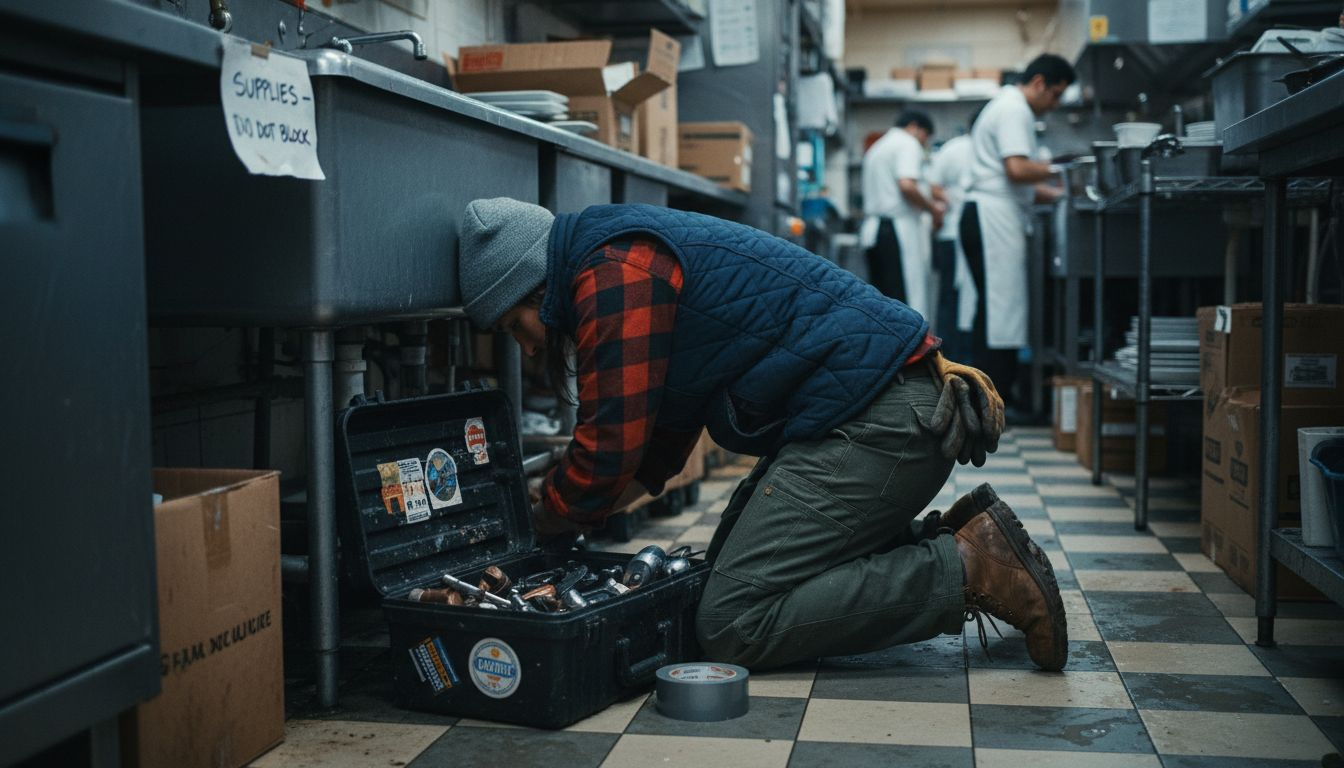
Most American construction workers face bitter cold, high winds, and unpredictable weather every winter. Proper winter work wear keeps you safe, comfortable, and productive all season long. With over 25 percent of construction injuries linked to environmental exposure, tough winter gear is not just about staying warm, it’s about protection on the job. This guide highlights key features and strategies for choosing reliable workwear that stands up to harsh conditions and meets the demands of any American jobsite.
Table of Contents
- Defining Winter Work Wear For Trades
- Layering Techniques For Maximum Warmth
- Essential Features Of Durable Workwear
- Safety And Compliance In Cold Environments
- Common Pitfalls And Gear Selection Tips
Key Takeaways
| Point | Details |
|---|---|
| Winter Work Wear Is Essential | Proper winter work wear protects against cold stress and enhances worker safety and performance in harsh conditions. |
| Effective Layering Techniques | Utilize the W.I.S.E. layering system to maintain body temperature and adapt to environmental changes. |
| Durability and Safety Compliance Are Crucial | Select workwear that combines durability with compliance to safety regulations to prevent cold-related injuries. |
| Prioritize Fit and Material Quality | Ensure gear fits properly and is made from durable, moisture-wicking materials to maximize protection and comfort. |
Defining Winter Work Wear For Trades
For trades professionals working in harsh winter conditions, understanding winter work wear is more than a clothing choice - it’s a critical safety strategy. Winter workplace hazards create significant risks that demand specialized protective equipment designed to maintain worker safety and performance.
Winter work wear for trades represents a comprehensive system of clothing and gear engineered to protect workers from extreme cold, wind, moisture, and environmental challenges. Unlike standard clothing, these garments are specifically constructed to provide thermal regulation, moisture management, and protection against cold stress. The Centers for Disease Control and Prevention defines cold stress as environmental conditions causing the body to lose heat faster than it can produce, making proper work wear essential for preventing serious health risks.
Key components of effective winter work wear include layered clothing systems that trap warmth while allowing moisture management. Trades workers need gear that provides:
- Waterproof and windproof outer layers
- Insulating mid-layers for temperature regulation
- Moisture-wicking base layers to keep skin dry
- Protective extremity coverage like insulated gloves and thermal socks
- Durable materials that withstand harsh working conditions
Pro tip: Always choose winter work wear with articulated joints and flexible materials to maintain mobility and comfort during physical labor.
Layering Techniques For Maximum Warmth
Professional trades workers understand that effective winter clothing is a strategic defense against cold stress and environmental challenges. W.I.S.E. layering techniques provide a comprehensive approach to maintaining body temperature and protecting against winter workplace hazards.
The W.I.S.E. system breaks down winter clothing strategy into four critical components: Wicking, Insulation, Sheltering, and Extra layers. Base layers should use moisture-wicking synthetic materials or merino wool that rapidly move sweat away from the skin, preventing rapid heat loss. Mid-layers focus on trapping warm air close to the body, typically using materials like fleece or synthetic insulation that provide excellent thermal protection without excessive weight.
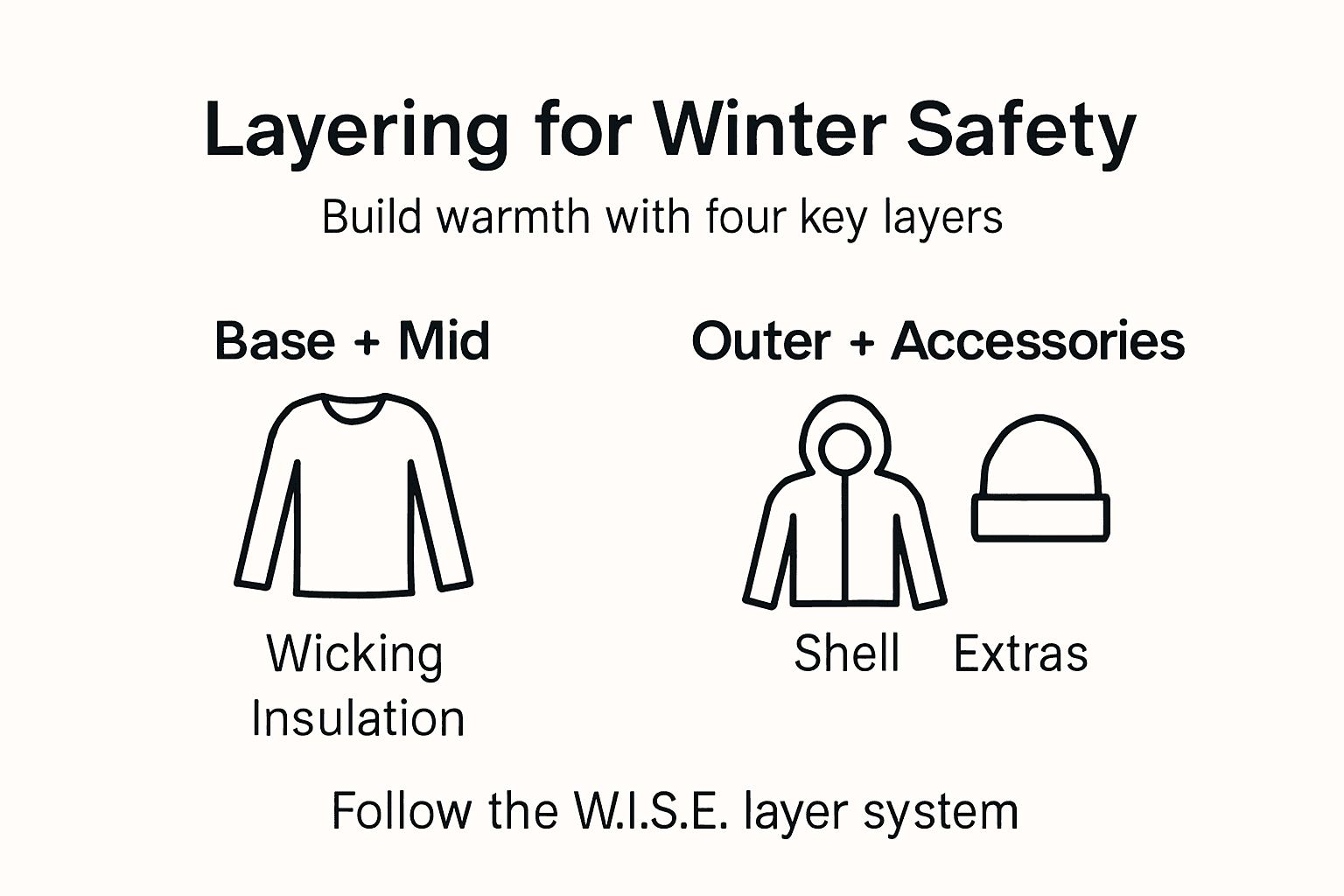
Outerwear represents the critical sheltering component, requiring windproof and waterproof shells that block environmental elements while allowing moisture vapor to escape. Trades professionals should prioritize jackets and pants with strategic ventilation, reinforced stress points, and articulated designs that support full range of motion. Proper layering prevents cold stress by creating a dynamic thermal management system that adapts to changing physical activity and environmental conditions.
Key layering principles for maximum warmth include:
- Start with a snug-fitting moisture-wicking base layer
- Add insulating mid-layers that trap warm air
- Choose outer shells that block wind and water
- Consider multiple thin layers over single thick layers
- Select materials that balance warmth, breathability, and mobility
Pro tip: Always pack an extra insulating layer in your work bag to quickly adjust to unexpected temperature changes or extended outdoor work periods.
Essential Features Of Durable Workwear
Trades professionals require workwear that goes beyond basic clothing, serving as a critical line of defense against harsh working environments. Personal protective equipment standards emphasize the importance of gear that combines protection, comfort, and exceptional durability for workers facing challenging conditions.
Durable workwear is characterized by strategic design elements that address the unique demands of manual labor. Heavy-duty fabrics like reinforced denim, leather-enhanced materials, and high-tensile synthetic blends provide exceptional resistance to abrasion, tearing, and environmental stress. Workwear historically evolved to meet the rigorous demands of industrial and construction professionals, focusing on functional design that prioritizes worker safety and performance.
Key essential features of durable workwear include:
- Reinforced stress points at high-wear areas
- Moisture-wicking and quick-drying fabric technologies
- Stretch panels for enhanced mobility
- Multiple secure storage pockets
- Integrated knee and elbow padding
- Advanced thermal regulation capabilities
- Resistance to chemical and environmental degradation
Tradespeople should prioritize workwear that offers multiple layers of protection, combining durability with flexibility and comfort. Modern work clothing uses advanced textile technologies that provide superior protection without compromising the worker’s range of motion or comfort level.
Here’s a quick overview comparing key winter workwear materials:
| Material Type | Durability Level | Thermal Protection | Water Resistance |
|---|---|---|---|
| Reinforced Denim | High, resists tearing | Moderate, insulating | Limited, can absorb moisture |
| Synthetic Blends | Very high, flexible | High, traps warmth | Good, often water-repellent |
| Merino Wool | Moderate, natural | Excellent, wicks moisture | Poor, not waterproof |
| Leather-Enhanced | Exceptional, rugged | Moderate, insulates | Limited, needs treatment |
Pro tip: Inspect your workwear regularly for signs of wear and replace items before they compromise your safety and performance.
Safety And Compliance In Cold Environments
Professional trades workers face significant risks when working in cold environments, requiring comprehensive understanding of cold stress prevention strategies. Workplace safety demands proactive measures that protect workers from physiological challenges posed by extreme temperatures and environmental conditions.
Understanding cold stress involves recognizing potential health hazards like hypothermia, frostbite, and trench foot. These conditions develop rapidly when workers are inadequately prepared, making proper personal protective equipment (PPE) and safety protocols critical. Regulatory agencies like OSHA mandate specific guidelines for employers to minimize worker exposure to cold-related injuries, emphasizing the importance of comprehensive training and appropriate protective gear.
Key safety compliance requirements for cold environment work include:
- Providing appropriate thermal protective clothing
- Implementing mandatory warm-up breaks
- Ensuring workers are trained in cold stress recognition
- Maintaining communication systems for worker check-ins
- Supplying emergency warming stations
- Monitoring worker health and fatigue levels
- Encouraging layered clothing strategies
Safety regulations for cold environments require employers to assess workplace risks, provide adequate training, and create comprehensive emergency response plans. This holistic approach ensures workers remain protected while maintaining productivity in challenging winter working conditions.
Compare common cold stress hazards and their workplace impact:
| Hazard | Main Cause | Health Risk | Prevention Strategy |
|---|---|---|---|
| Hypothermia | Prolonged cold exposure | Reduced body temperature | Thermal wear, warm-up breaks |
| Frostbite | Direct skin contact with cold | Tissue freezing | Insulated gloves, protective outerwear |
| Trench Foot | Damp, cold environment | Nerve/tissue damage | Waterproof boots, dry socks |
| Chilblains | Repeated cold exposure | Skin redness, swelling | Layered clothing, frequent breaks |
Pro tip: Create a personal cold weather safety checklist and review it before each shift to ensure you’re fully prepared for winter workplace challenges.
Common Pitfalls And Gear Selection Tips
Selecting appropriate winter workwear requires strategic decision-making beyond basic appearance or price considerations. Effective personal protective equipment management involves understanding potential gear selection pitfalls that can compromise worker safety and performance.
Tradespeople frequently encounter common mistakes when choosing cold weather gear, including overlooking critical fit requirements, neglecting material durability, and failing to match gear to specific environmental conditions. Improper selection can lead to reduced mobility, inadequate protection, and increased risk of cold stress injuries. Professionals must prioritize gear that offers comprehensive protection while maintaining flexibility and comfort.
Key gear selection strategies include:
- Prioritize gear with articulated design features
- Select materials with proven moisture-wicking capabilities
- Ensure multiple layering options for temperature versatility
- Check for reinforced stress points
- Verify compliance with industry safety standards
- Consider workplace-specific environmental challenges
- Invest in gear with documented performance ratings
Understanding gear maintenance best practices helps workers maximize equipment lifespan and maintain protective effectiveness. Regular inspection, proper storage, and timely replacement of worn components are critical to ensuring consistent workplace safety.
Pro tip: Create a gear inspection checklist and schedule quarterly reviews to identify potential wear and replacement needs before they compromise your protection.
Gear Up for Winter Safety with WorkwearComfort
Winter work environments demand more than just toughness. Staying safe from cold stress and harsh weather means choosing workwear designed for insulation, mobility, and durability. The article highlights the importance of layering and gear that protects against wind, moisture, and temperature extremes while maintaining comfort and flexibility—a challenge that every trades professional faces on the job.
At WorkwearComfort.com, we understand these challenges and have crafted apparel collections built for real-world winter conditions. Explore our range including Blue-Collar Working Man Sweatshirt Hoodies and Female Hoodie Sweatshirts – WorkWearComfort that combine rugged materials with ergonomic design. These sweatshirts are more than just stylish; they provide essential warmth, moisture-wicking, and durability to keep you safe and comfortable.
Don’t compromise your safety or comfort this winter. Browse our full selection of All Hooded Sweatshirts - WorkWear Comfort now and find gear engineered to meet the demands of your toughest cold weather jobs. Visit WorkwearComfort.com today and take the first step toward staying protected and performing at your best no matter the chill.
Frequently Asked Questions
What are the essential features of winter work wear?
Essential features of winter work wear include waterproof and windproof outer layers, insulating mid-layers for temperature regulation, moisture-wicking base layers to keep skin dry, protective extremity coverage like insulated gloves and thermal socks, and durable materials that withstand harsh working conditions.
How can I effectively layer my winter work clothing for maximum warmth?
To maximize warmth, start with a snug-fitting moisture-wicking base layer, add insulating mid-layers to trap warm air, and choose outer shells that block wind and water. Consider using multiple thin layers instead of a single thick layer for better thermal management and mobility.
What types of materials are best for winter work wear?
The best materials for winter work wear include reinforced denim for durability, high-tensile synthetic blends for thermal protection and flexibility, and moisture-wicking fabrics like merino wool for base layers. Choose materials that provide a balance of warmth, breathability, and mobility.
How can I prevent cold stress while working outdoors in winter?
Prevent cold stress by wearing appropriate thermal protective clothing, taking mandatory warm-up breaks, being trained in cold stress recognition, maintaining communication systems, supplying emergency warming stations, and encouraging layered clothing strategies to adapt to changing temperatures.
Recommended
- Work Clothes for Winter: Complete Expert Guide – WorkWearComfort
- Construction Safety Wear – Keys to Protection on Site – WorkWearComfort
- Complete Guide to Men’s Winter Workwear Essentials – WorkWearComfort
- Complete Guide to Warm Workwear Essentials – WorkWearComfort
- Industrial Painting Services Winter Park Fl - Southern Sandblasting & Painting LLC
