

Most american workers on construction sites or outdoor jobs experience harsh conditions where the right workwear can mean the difference between safety and risk. Studies show that proper insulation can reduce heat loss by up to 50 percent, yet misconceptions about what truly keeps you warm still persist. Understanding how modern fabrics outperform old-school layers will empower you to choose gear that matches your needs and delivers real protection on the job.
Table of Contents
- Defining Warm Workwear And Common Myths
- Key Insulation Types And Fabric Choices
- Essential Features For Maximum Warmth
- Industry Standards And Safety Requirements
- Common Mistakes When Selecting Workwear
Key Takeaways
| Point | Details |
|---|---|
| Understanding Insulation | Not all insulating materials are equal; wool offers superior warmth compared to cotton and synthetics due to its unique structure. |
| Selecting Features Wisely | Key features in warm workwear include moisture-wicking, wind resistance, and breathability, tailored to specific work environments. |
| Avoiding Common Mistakes | Many workers prioritize style over functionality, leading to poor thermal protection; focusing on material compatibility is crucial. |
| Industry Safety Standards | Adhering to industry-specific safety standards is essential for effective protection, which includes considerations for thermal regulation and chemical resistance. |
Defining Warm Workwear and Common Myths
Warm workwear isn’t just about throwing on multiple layers - it’s a strategic approach to protecting yourself in challenging environmental conditions. For blue-collar workers spending hours outdoors, understanding thermal protection means differentiating between marketing claims and actual performance. Thermal insulation technologies have significantly evolved, moving far beyond traditional understanding of warmth.
Contrary to popular belief, not all insulating materials perform equally. Research into textile design reveals that material composition dramatically impacts thermal retention. Wool, for instance, offers superior warmth compared to cotton or synthetic blends. The microscopic structure of wool fibers creates air pockets that trap heat, making it an exceptional insulator that continues functioning even when slightly damp - a critical feature for workers exposed to varying weather conditions.
Several persistent myths about warm workwear need debunking. Many workers believe that thickness automatically equals warmth, but advanced materials like Thinsulate can provide significant thermal protection with minimal bulk. Another common misconception is that all synthetic materials perform poorly - modern engineered fabrics can actually outperform traditional natural fibers in specific temperature ranges. What matters most is selecting workwear designed with your specific work environment and activity level in mind.
Key features to look for in warm workwear include moisture-wicking properties, wind resistance, layering potential, and material breathability. Whether you’re a construction worker battling winter winds or an agricultural professional managing early morning frost, understanding these nuanced characteristics will help you choose gear that truly protects and performs.
Key Insulation Types and Fabric Choices
Workwear insulation is a critical component of protective clothing, with materials ranging from natural fibers to advanced synthetic technologies. Thinsulate, a revolutionary synthetic fiber developed by 3M, represents a significant breakthrough in thermal protection. This innovative material provides exceptional warmth while maintaining an incredibly lightweight profile - a crucial feature for workers who need mobility and comfort alongside thermal protection.
Natural and synthetic materials each offer unique advantages in workwear insulation. Wool remains a superior natural insulator, creating microscopic air pockets that trap heat efficiently. In contrast, mineral wool offers remarkable thermal resistance through its fibrous structure, making it valuable in various industrial applications. Synthetic options like polyester and advanced engineered fabrics have also emerged, providing tailored solutions for specific work environments and activity levels.
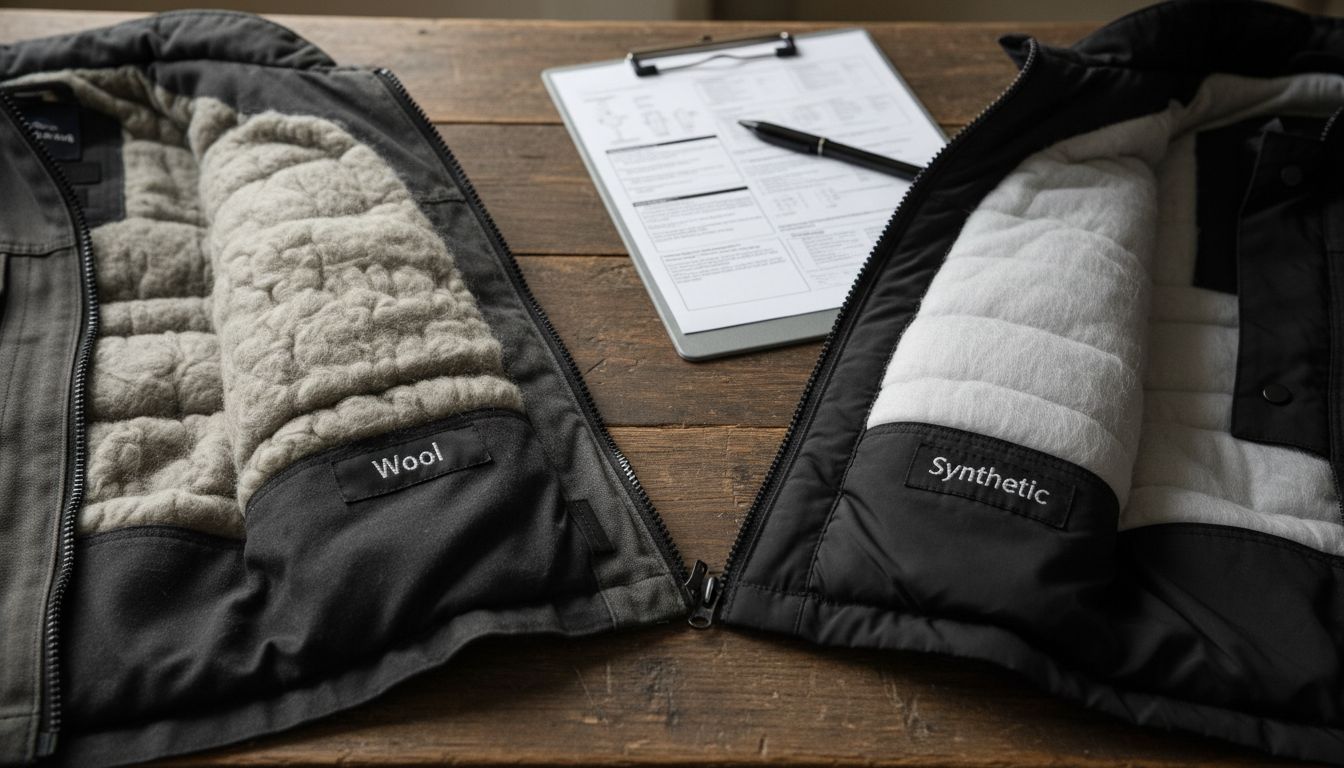
When selecting insulation materials, workers should consider several key factors beyond basic warmth. Moisture-wicking capabilities, breathability, wind resistance, and durability are equally important. Some modern synthetic materials can actually outperform traditional natural fibers in specific temperature ranges, especially when designed for high-intensity work environments. The goal is finding a material that provides consistent thermal protection without compromising comfort or range of motion.
Ultimately, the best workwear insulation depends on individual job requirements. Construction workers, agricultural professionals, mechanics, and other blue-collar workers each face unique environmental challenges. By understanding the nuanced properties of different insulation types - from Thinsulate’s lightweight protection to mineral wool’s robust thermal resistance - workers can make informed choices that keep them comfortable, safe, and productive in challenging conditions.
Essential Features for Maximum Warmth
Maximum warmth in workwear goes far beyond simple layering - it requires strategic design and advanced material technologies. Darlexx, an innovative fabric technology, exemplifies the cutting-edge approach to thermal protection by offering a perfect blend of breathability, wind resistance, and waterproofing. For blue-collar workers battling harsh environmental conditions, these advanced fabric features can mean the difference between comfort and potential health risks.
Thermal efficiency depends on multiple interconnected factors. Ceramic-impregnated fabrics represent a groundbreaking approach to thermal insulation, incorporating ceramic particles that dramatically reduce heat transfer. This technology allows workwear to maintain consistent internal temperatures, protecting workers from extreme cold while preventing overheating during high-intensity physical activities. Key features to prioritize include moisture-wicking capabilities, strategic ventilation zones, and materials that adapt to body temperature and external conditions.
Effective warm workwear requires a holistic approach to thermal management. Workers should look for garments with multiple performance attributes: windproof outer layers, insulating mid-layers, and moisture-managing base layers. Special attention should be given to critical areas like core body temperature regulation, joint mobility, and protection against wind chill. Advanced fabrics now offer integrated technologies that provide thermal regulation without sacrificing flexibility or comfort.
Ultimately, the best warm workwear is designed with specific work environments in mind. Construction workers, agricultural professionals, and outdoor maintenance crews each face unique thermal challenges. By understanding fabric technologies like Darlexx and ceramic-impregnated materials, workers can select clothing that provides maximum protection, ensures mobility, and maintains consistent body temperature across diverse and demanding work conditions.
Industry Standards and Safety Requirements
Workwear safety standards represent a critical intersection of protection, performance, and regulatory compliance for blue-collar professionals. Marlan, a specialized flame-retardant fabric, exemplifies the advanced textile engineering that underpins modern workplace safety standards. Certified according to stringent industrial regulations, such fabrics protect workers from extreme environmental hazards while ensuring durability and consistent performance across challenging work conditions.
Industry-specific safety requirements demand comprehensive protective strategies. Removable insulation blankets demonstrate how innovative solutions can enhance workplace safety by providing adaptable thermal management. Different sectors - from construction and manufacturing to agriculture and energy - have unique safety standards that dictate specific protective clothing requirements, including flame resistance, thermal insulation, visibility, and impact protection.
Key safety standards typically address multiple critical dimensions of worker protection. These include thermal regulation, chemical resistance, visibility in low-light conditions, and protection against mechanical impacts. Workwear must not only meet regulatory guidelines but also provide practical functionality. This means balancing safety features with comfort, mobility, and the ability to perform complex physical tasks without restriction.
Navigation of safety requirements requires a nuanced understanding of both regulatory frameworks and practical workplace dynamics. Best practices for electricians illustrate how industry-specific demands translate into precise safety standards. Workers and employers must stay informed about evolving regulations, technological advancements in protective materials, and the specific risks inherent to their particular work environments.
Common Mistakes When Selecting Workwear
Selecting appropriate workwear extends far beyond aesthetic considerations - it’s a critical decision that impacts safety, comfort, and professional performance. Research from ironpros highlights how material selection can dramatically influence thermal protection, with workers frequently making fundamental errors in fabric choice that compromise their overall protection and comfort.
One of the most prevalent mistakes is prioritizing style over functionality. Thermal insulation textile research reveals that many workers select workwear based on appearance rather than technical performance characteristics. Common missteps include choosing cotton materials for cold environments, overlooking moisture-wicking properties, and neglecting wind resistance - all of which can significantly reduce the garment’s protective capabilities.
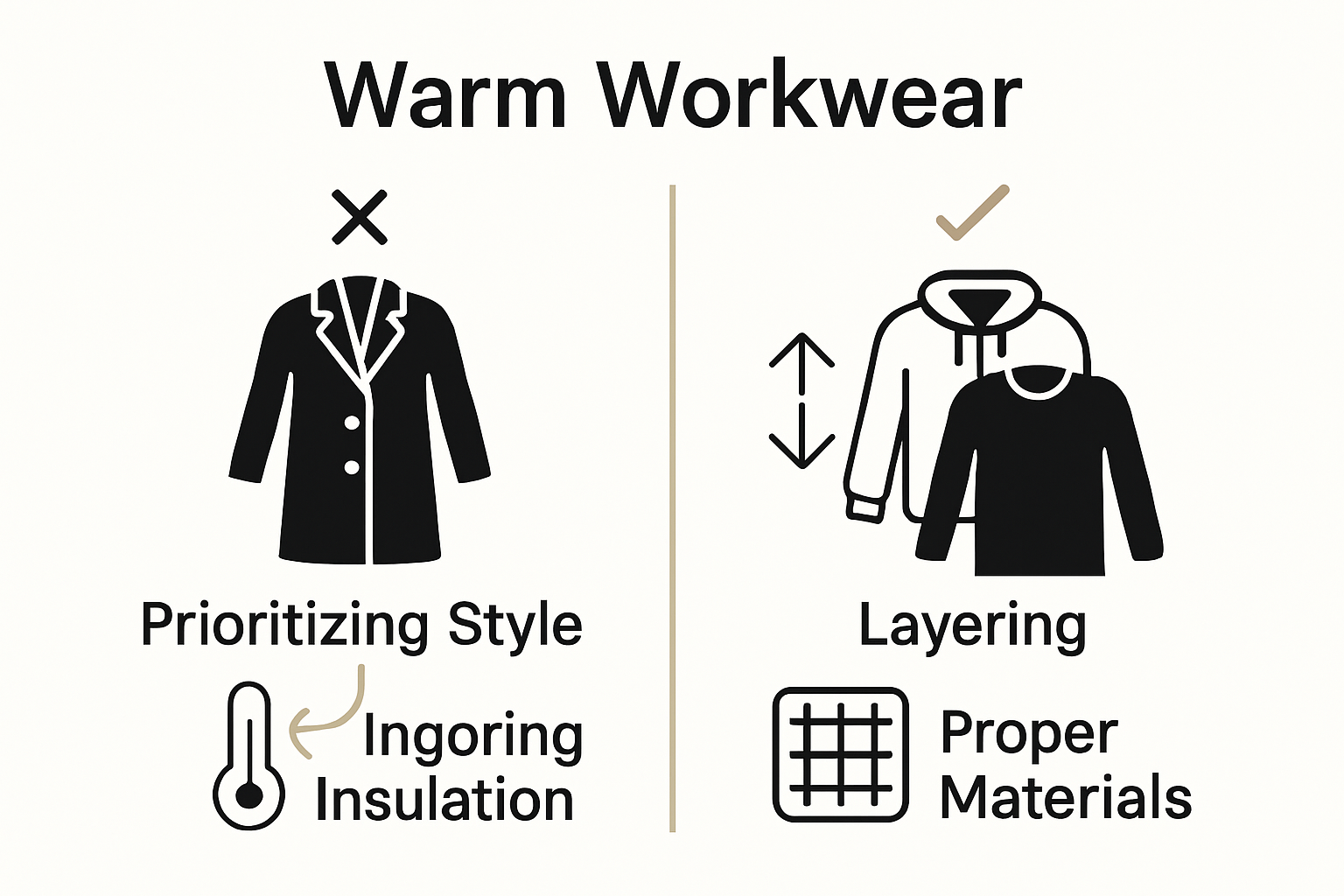
Workers often underestimate the importance of layering and material compatibility. Effective thermal protection requires a strategic approach that considers base layers, insulating mid-layers, and protective outer layers. Professionals frequently make the mistake of selecting individual pieces without considering how they work together, leading to either insufficient warmth or excessive bulk that restricts movement. Understanding material properties like wool’s superior thermal retention compared to synthetic alternatives can prevent these critical selection errors.
Understanding workwear essentials goes beyond simple clothing selection. The most successful approach involves considering specific work environment demands, personal comfort requirements, and the technical capabilities of different fabric technologies. Blue-collar workers must think strategically about their clothing choices, recognizing that proper workwear is an investment in personal safety, comfort, and professional effectiveness.
Stay Warm and Work Strong with the Right Gear
Struggling to find workwear that keeps you warm without sacrificing comfort and mobility is a common challenge for blue-collar workers. This guide highlights how important it is to choose apparel with proper thermal insulation, moisture-wicking fabrics, and wind resistance. If you want clothing that works as hard as you do during cold days on the job, focusing on quality materials like wool or advanced synthetics is essential.
Discover our carefully selected collection of Blue-Collar Working Man Sweatshirt Hoodies – WorkWearComfort designed to deliver warmth, durability, and style that fits your demanding work environment.
Equip yourself with gear that understands your needs. Visit WorkWearComfort.com today to explore durable hoodies and workwear essentials that combine advanced comfort technology with blue-collar toughness. Don’t wait until the cold slows you down. Take action now and experience how the right workwear can keep you warm, confident, and productive all season long.
Frequently Asked Questions
What materials are best for warm workwear insulation?
Materials like wool and advanced synthetic fibers such as Thinsulate are excellent for warm workwear insulation. Wool traps heat effectively, while Thinsulate provides warmth without bulk.
How can I tell if my workwear is truly warm?
Look for specific features such as moisture-wicking properties, wind resistance, breathability, and the type of insulation used. Advanced materials often offer better performance in maintaining warmth than traditional options.
Is thicker workwear always warmer?
No, thickness does not always equal warmth. Advanced materials like Thinsulate can provide significant thermal protection with less bulk compared to traditional insulating materials.
What role does layering play in warm workwear?
Layering is crucial for effective thermal management. A good workwear system includes a moisture-wicking base layer, an insulating mid-layer, and a protective outer layer to keep you warm and comfortable in varying conditions.
Recommended
- Work Clothes for Winter: Complete Expert Guide – WorkWearComfort
- Understanding Warm Work Jackets for Men: Key Insights – WorkWearComfort
- Complete Guide to Men’s Winter Workwear Essentials – WorkWearComfort
- 7 Key Features to Look for in Warm Work Hoodies – WorkWearComfort
- Best Softshell Jackets for Men | Comfort, Durability & Style – The Regimental Store Ltd
- What To Wear When Camping: A Seasonal Guide - Tent Explorer
