

When American tradespeople pull on a tough hoodie or weatherproof jacket before heading to the job site, it is about more than just staying warm. For many, workwear becomes a symbol of honest effort and a commitment to patriotic values rooted in national pride and fairness. Being patriotic is not blind loyalty—it is about showing up for your community and living the principles that set American workers apart. This article reveals how true patriotism shapes daily life on the job and empowers hardworking people to stand out with pride.
Table of Contents
- Defining Patriotic Values And Misconceptions
- How Americans Express Patriotism Daily
- Beyond Symbols: Action-Based Patriotism Explained
- Patriotism’s Role In Community And Civic Life
- Encouraging Everyday Patriotism At Work
Key Takeaways
| Point | Details |
|---|---|
| Understanding Patriotism | Patriotism is about identifying with shared values and beliefs, not blind loyalty to the government. It includes the ability to criticize and improve one’s country. |
| Community Involvement | Everyday acts such as volunteering, voting, and mentoring are essential expressions of patriotism that strengthen communities and civic life. |
| Action-Based Patriotism | Real patriotism requires consistent actions that reflect values and commitment to the common good, rather than just symbolic gestures. |
| Workplace Patriotism | Demonstrating patriotism at work includes supporting safe practices, mentoring others, and fostering a culture of integrity and respect among colleagues. |
Defining Patriotic Values and Misconceptions
Patriotism gets misunderstood more often than you might think. People throw the word around without really understanding what it means, and that confusion creates real problems. The truth is, patriotism is not blind loyalty or unconditional support for everything your government does. It’s something deeper and more practical than that. Research on emotional attachment to national community shows that patriotism involves genuine identification with shared values and beliefs about fairness, not mindless allegiance. This distinction matters because it shapes how hardworking Americans express their love for their country in real ways.
One major misconception is that patriotism means you can’t criticize your country. That’s backwards. Real patriotism actually includes the ability to point out problems and work to fix them. You care enough about America to want it better, stronger, and more aligned with its founding principles. Think about it like maintaining equipment on a job site, not because you hate the equipment, but because you want it running properly. How Americans’ patriotic feelings develop depends heavily on the social and political environment they experience, meaning patriotism grows from sincere national pride and commitment to core American values. The study shows there are different pathways, including civic patriotism (supporting democratic institutions and civic engagement) and ethnic patriotism (connection to cultural heritage). Both are valid. Neither requires you to accept everything without question.
Another false idea is that patriotism looks the same for everyone. It doesn’t. For a construction worker, patriotism might mean showing up every day and building quality infrastructure. For a veteran, it might mean honoring fallen comrades. For a parent, it might mean raising kids who understand American values. For a volunteer at your local food bank, it’s service to your community. These are all patriotic acts. The common thread isn’t the specific action, but the commitment to something bigger than yourself and your own interests. When you wear a shirt that reflects your pride in honest work and American values, that’s patriotic too. When you vote, when you support your local businesses, when you mentor younger tradespeople, those are genuine expressions of patriotism.
What patriotism absolutely does not mean is accepting dishonesty or corruption just because it happens at the top. It doesn’t mean staying silent when something is wrong. It means speaking up, staying engaged, and working to preserve the principles that make America worth your effort and loyalty. The strongest patriots are often the ones asking hard questions and demanding better.
Pro tip: Express your patriotism through consistent action, not just symbols, whether that’s reliable work performance, community involvement, or honest conversation about what America can do better.
How Americans Express Patriotism Daily
Patriotism is not some distant concept reserved for holidays or political speeches. It shows up in the everyday choices Americans make, and blue-collar workers understand this better than most. When you clock in at 6 AM to build infrastructure that will serve your community for decades, you’re being patriotic. When you take pride in doing a job right, even when nobody’s watching, that reflects a commitment to something beyond yourself. Civic engagement and democratic participation are core ways Americans express patriotism daily, from voting and community involvement to contributing skills and knowledge that strengthen neighborhoods. The most powerful patriotic acts often happen quietly, without fanfare or recognition.
Real patriotism also means balancing pride with honesty. Research involving 500 Americans shows that most practice what you might call clear-eyed patriotism, meaning they love their country while acknowledging its flaws and actively working to improve it. That’s not contradiction, it’s maturity. You can be proud of American values and freedoms while recognizing that we need to do better. A construction worker who insists on quality materials and safe practices is practicing this kind of patriotism. A tradesperson who mentors younger workers so the industry stays strong and professional is being patriotic. A parent who talks to their kids about both what America has accomplished and what it still needs to fix is planting seeds of genuine, thoughtful citizenship. These daily expressions create the foundation that keeps democratic participation alive.
Community involvement stands as one of the most direct ways hardworking Americans express patriotism. Volunteering at a local food bank, coaching youth sports, showing up to town meetings, supporting small businesses owned by neighbors, donating to community projects, and teaching skills to the next generation of workers, these are all patriotic acts. When you wear apparel that reflects your pride in honest work and American values, you are making a statement about who you are and what you stand for. You are part of something larger. The point is that patriotism gets woven into the fabric of daily life through small decisions and consistent action, not through grand gestures alone.
Pro tip: Identify one small, consistent action you can take this week, whether it’s voting in local elections, helping a neighbor, or mentoring someone in your trade, and make it a regular habit that reflects your patriotic commitment.
Beyond Symbols: Action-Based Patriotism Explained
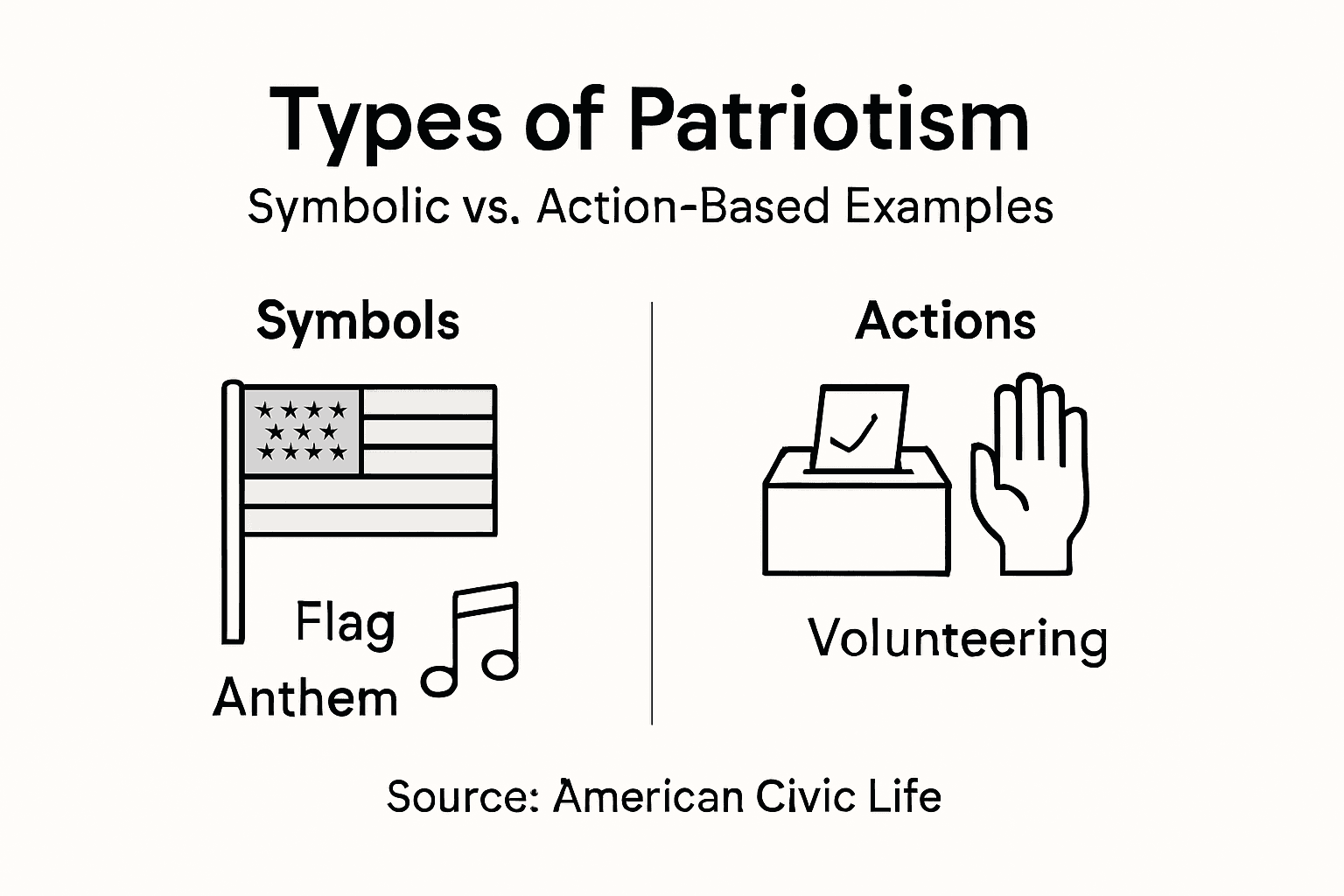
Flags, anthems, and patriotic clothing have their place, but they’re just the surface. Real patriotism lives in what you do when nobody’s watching and in the decisions you make every single day. Action-based patriotism means putting your values into practice through concrete choices that strengthen your community and support democratic principles. You cannot claim to love your country while ignoring its problems or refusing to participate in fixing them. This is where blue-collar workers shine, because your work literally builds the foundation that society depends on. Whether you’re running electrical safely, pouring concrete to code, or installing HVAC systems that will protect families for decades, you’re expressing patriotism through excellence and integrity. Civic participation and informed debate about American principles form the backbone of sustainable patriotism, meaning the most patriotic thing you can do is engage thoughtfully with your community and your country’s future.
The distinction between symbolic patriotism and action-based patriotism matters because one is passive and the other requires effort. Wearing a patriotic hoodie means nothing if it covers up a day spent cutting corners on the job or treating colleagues poorly. But that same hoodie paired with a commitment to quality work, fair dealings, and showing up for your community becomes a genuine expression of who you are. Active civic engagement and community service strengthen democracy in ways that passive nationalism never will. This means voting in local elections even when turnout is low, speaking up at town meetings, supporting apprenticeships and trade education programs, volunteering your skills when your community needs them, and mentoring younger workers to keep your industry strong and ethical.
Here’s how symbolic patriotism differs from action-based patriotism:
| Aspect | Symbolic Patriotism | Action-Based Patriotism |
|---|---|---|
| Main Expression | Flags, anthems, clothing | Community service, mentoring |
| Engagement Level | Passive, visual | Active, effort-focused |
| Impact | Limited to self-identity | Directly strengthens community |
| Underlying Motivation | Pride in national symbols | Commitment to shared values |
| Longevity | Present at events/holidays | Sustained through daily choices |
Action-based patriotism requires you to think critically about what America can become. It means acknowledging that we have work to do while also believing we can do it. For a tradesperson, this might look like advocating for safer working conditions, ensuring apprentices receive fair compensation, or pushing back against contractors who cut corners. It means being part of the solution rather than just complaining about problems. When you support local businesses, hire locally when you have the chance, or refuse to participate in dishonest practices, you are actively strengthening the economic foundation of your community. When you teach someone a skill or mentor a young person entering your trade, you are directly investing in America’s future. These actions cost real time and sometimes sacrifice, but that’s exactly what makes them patriotic.
The goal is not perfection or never making mistakes. The goal is consistent engagement and a willingness to do the work that democracy requires. Patriotism is a verb, not just a noun.
Pro tip: Choose one specific action this month, whether voting in a local election, volunteering skills to a community project, or mentoring someone in your trade, and commit to making it a regular practice that reflects your action-based patriotism.
Patriotism’s Role in Community and Civic Life
Patriotism is not an individual pursuit, it is fundamentally about connection to something bigger than yourself, and that connection happens at the community level. When people feel genuine patriotism, they naturally want to participate in their communities and contribute to the common good. This is not abstract theory, it happens in real neighborhoods where real people solve real problems together. Shared national pride and civic participation motivate citizens to stay engaged in governance and to support one another through the challenges that communities face. A construction crew that works together to build quality infrastructure is expressing patriotism. A group of neighbors organizing to improve a local park is expressing patriotism. A veteran mentoring youth in your town is expressing patriotism. These acts strengthen the social bonds that hold communities together and create the trust necessary for people to work collaboratively toward shared goals.
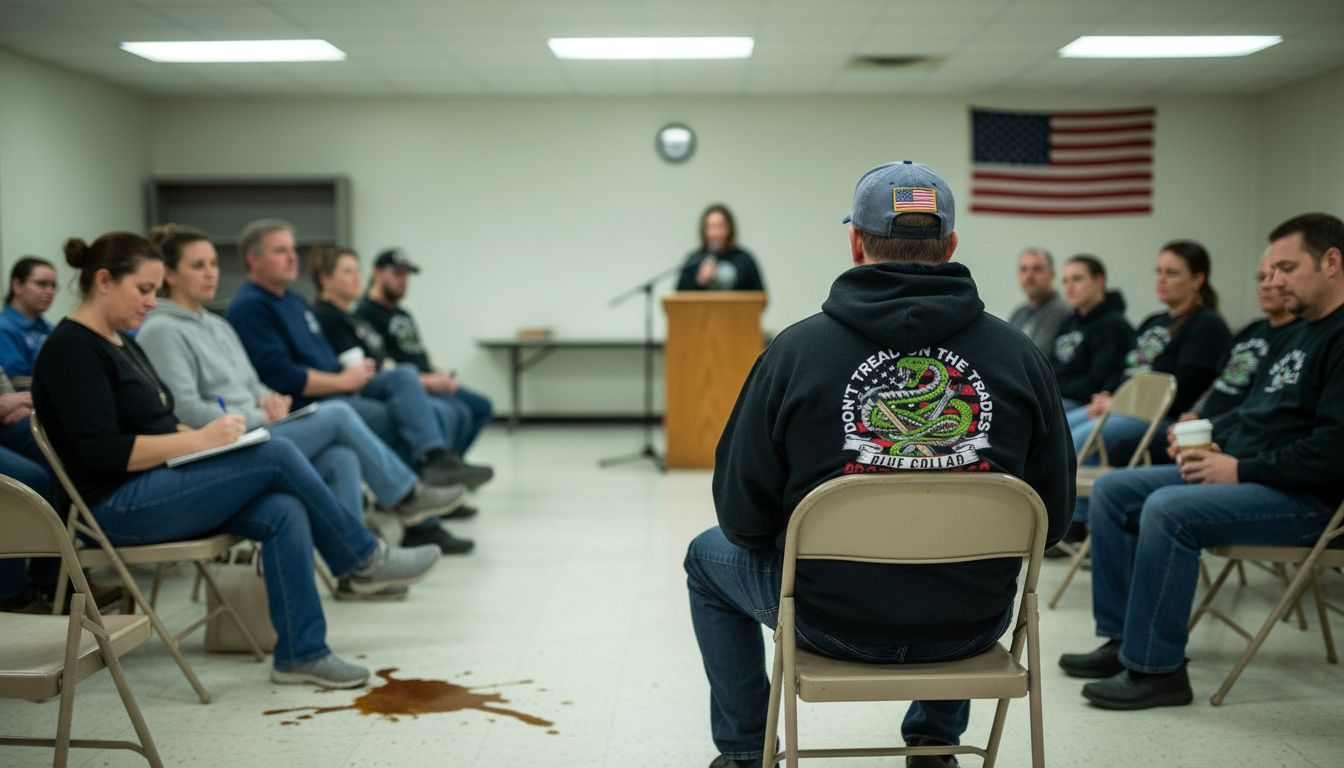
The strongest communities are built on people who care about more than just their own interests. Patriotism creates that foundation. When you believe in America and in your community’s ability to thrive, you are more likely to vote, to volunteer, to speak up when something is wrong, and to help your neighbors. Civic virtues and respectful discourse are sustained when patriots engage in communities with commitment to shared values and responsibilities. This looks different in every town, every street, every workplace. In construction and trades, it might mean ensuring safety standards that protect workers and the public. It might mean training the next generation with integrity. It might mean being honest about what a job costs and what it requires. It might mean showing up to local meetings about zoning or infrastructure. These concrete actions ripple outward and strengthen civic life in measurable ways.
Here is what matters: a patriot does not sit on the sidelines waiting for someone else to fix problems. You own a piece of your community’s success or failure. When you engage in civic life, you are not doing anyone a favor, you are fulfilling your stake in the country’s future. Whether through voting, volunteering skills, participating in local governance, supporting local businesses, or mentoring younger people in your field, you are directly contributing to the health of your community and the strength of American democracy. The communities that thrive are the ones where people actually show up and do the work. That work starts with patriotism, real patriotism, the kind that translates into action.
Pro tip: Attend one local community meeting or civic event this month, whether a town hall, school board meeting, or neighborhood association gathering, to see firsthand how your participation strengthens civic life.
Encouraging Everyday Patriotism at Work
Your job site is not separate from patriotism, it is one of the primary stages where patriotism plays out. Every single day, you have the opportunity to express patriotic values through how you work, how you treat your crew, and the quality of what you build. Patriotism at work means showing up with integrity, doing the job right, and understanding that your effort contributes to something larger than a paycheck. When you maintain high safety standards because you care about protecting your coworkers, that is patriotism. When you refuse to cut corners on materials or craftsmanship because you know the finished product will serve your community for years, that is patriotism. When you mentor a younger tradesperson or apprentice because you want to strengthen your industry and pass on knowledge that matters, that is patriotism. Teamwork and shared purpose aligned with democratic ideals create the foundation for a healthy workplace culture and a stronger society. The work you do matters because infrastructure, homes, systems, and facilities make communities function.
Patriotism at work also means how you conduct yourself and treat others. Respect for colleagues regardless of background, honest communication about what a project requires, refusing to participate in unethical practices, and supporting fair wages and safe conditions, these are patriotic acts. Civic responsibility and ethical behavior in the workplace reflect core American values of freedom and equality. When a site supervisor ensures that every worker is treated fairly and has the information they need to do their job safely, that supervisor is being patriotic. When you speak up about a safety concern instead of staying silent, you are being patriotic. When you hire locally or support apprenticeship programs that give young people a path forward, you are being patriotic. These choices are not about politics, they are about building workplaces and an industry that reflects the values you claim to care about.
Common workplace patriotic actions and their broader impact:
| Workplace Action | Direct Benefit | Community Impact |
|---|---|---|
| Mentoring apprentices | Knowledge transfer | Stronger skilled workforce |
| Insisting on safety practices | Fewer accidents | Safer public infrastructure |
| Supporting fair wages | Improved morale | Reduced inequality |
| Refusing dishonest practices | Trusted reputation | Higher ethical standards |
The connection between your work ethic and patriotism might not seem obvious at first, but it is direct and powerful. The quality of American infrastructure, homes, and systems depends on workers who care enough to do things right. When you show pride in your work and refuse to let standards slip, you are investing in your community’s future and proving through action that you believe in excellence. You can also encourage patriotism in your workplace by fostering a culture where people understand their contribution matters, where people look out for each other, and where doing the right thing is expected and respected. This does not require speeches or symbols, it requires consistent behavior and choices that align with your values.
Pro tip: Identify one workplace practice or decision you can improve this week to reflect patriotic values, whether that is enhancing safety procedures, improving communication with your team, or mentoring someone newer to the trade.
Show Your Patriotism with Workwear That Works as Hard as You Do
The article highlights a key challenge hardworking Americans face today finding ways to express real patriotism through meaningful action and everyday commitment. You want more than just symbols of pride you need durable, reliable workwear that supports your integrity and dedication to quality workmanship each day. At WorkWearComfort.com, we understand that true patriotism means showing up and doing the job right whether that is on a job site or in your community. That is why we offer rugged, comfortable apparel designed specifically for blue-collar workers and trade professionals who value strength, resilience, and honest effort.
Step beyond symbolic patriotism and equip yourself with apparel that reflects your hardworking values. From hoodies with UPF 50+ sun protection to women’s workwear that makes a confident statement you can trust our collection to keep you comfortable and ready for action. Visit WorkWearComfort.com today and find gear that matches your commitment to excellence and community. Take pride in your work and your country by choosing apparel that helps you live your patriotic values every day.
Frequently Asked Questions
What is the true meaning of patriotism for hardworking Americans?
Patriotism is about genuine identification with shared values and beliefs, not blind loyalty. It includes the ability to critique your country and work towards improvement while expressing commitment to core American principles.
How can everyday actions reflect patriotism?
Everyday actions such as showing up for work, treating colleagues with respect, volunteering in your community, and being engaged in local governance are all reflections of patriotism. These actions contribute to the common good and strengthen civic life.
What role does community involvement play in patriotism?
Community involvement is essential for patriotism as it connects individuals to something larger than themselves. Acts like volunteering at local organizations, mentoring others, and participating in town meetings enhance social bonds and foster trust within the community.
How does action-based patriotism differ from symbolic patriotism?
Action-based patriotism involves concrete choices and behaviors that improve communities and society, such as mentoring and civic participation, whereas symbolic patriotism focuses on visual expressions like flags and anthems without tangible efforts toward improvement.
