

Every American tradeswoman knows hard work in the field means more than just putting in hours. The demands of electrical and plumbing work call for strength, attention to detail, and a commitment to getting things right even when conditions are harsh. With grit and resilience as the backbone of success, choosing workwear that matches your discipline is key. Discover how reliable gear protects, supports, and expresses your professional pride no matter where the job takes you.
Table of Contents
- Defining Hard Work In Trade Professions
- Core Values: Grit, Consistency, And Reliability
- Why Experience And Discipline Lead Success
- The Real Payoff: Skill, Pride, Respect
- Shortcuts Versus Lasting Quality Work
- Workwear And Lifestyle: Embracing The Badge
Key Takeaways
| Point | Details |
|---|---|
| Hard Work in Trades | Hard work involves physical and mental demands, resilience, and consistency, distinguishing it from office work. |
| Importance of Grit and Discipline | Grit, defined by perseverance and consistency, coupled with discipline, leads to mastery and higher earning potential in trade professions. |
| Quality Over Shortcuts | Prioritizing quality work over shortcuts builds a strong reputation, resulting in trust and repeat business from customers. |
| Value of Professional Workwear | Quality workwear serves as a badge of honor, enhancing confidence and professionalism, which directly impacts customer perception and career success. |
Defining Hard Work in Trade Professions
Hard work in the trades looks different than it does in an office. It’s not about sending emails or attending meetings. It’s about the physical demand of swinging a hammer for eight hours, the mental precision required to diagnose an electrical fault, or the problem-solving skills needed when you’re elbow-deep in a kitchen sink at 10 PM on a Friday. Hard work in trade professions means showing up whether the weather is freezing cold or sweltering hot, whether you slept well or not, and whether the job is exactly what you expected. It means the calluses on your hands, the soreness in your back, and the satisfaction of seeing something you built or fixed work exactly as it should.
What defines hard work here goes far beyond simple effort. The skilled labor shortage in the United States reveals just how demanding this path truly is. Tradespeople face extensive training demands that can take years to complete, apprenticeships that average about three years or longer, and steep barriers to entry before you ever land your first paying job. You invest time, money, and genuine commitment before the paycheck arrives. But hard work in trades isn’t just physical labor combined with technical skill development. It’s also about something deeper: resilience and consistency over the long haul. Research shows that grit paired with hard work produces real results, and that combination matters more than raw effort alone. You need the passion to keep learning and the perseverance to handle setbacks when a project takes longer than planned or when equipment fails.
For electricians and plumbers specifically, hard work means staying current with code changes, managing your own business side of things, and building a reputation one satisfied customer at a time. It means acquiring what defines blue collar work in the modern world, where technical expertise now rivals the physical demands. You’re not just installing fixtures or running wire; you’re solving problems, meeting deadlines, and maintaining safety standards that protect lives. Every shift requires focus, precision, and the willingness to do the job right even when the easy way is tempting. Hard work in trades is fundamentally about discipline applied consistently across weeks, months, and years of your career. That accumulation of effort, expertise, and earned respect is what separates apprentices from master craftspeople and what builds the foundation of sustainable income and professional reputation in a field where demand continues to outpace supply.
Pro tip: Invest in quality workwear designed for durability and functionality so your gear supports your effort rather than slows you down during long, demanding shifts.
Core Values: Grit, Consistency, and Reliability
Grit isn’t some abstract concept you hear about in motivational speeches. In the trades, it’s the reason you show up at 5 AM even though your back aches from yesterday’s job. It’s why you keep learning new techniques even after twenty years of experience, and why you push through a frustrating problem instead of cutting corners. Grit combines two essential parts: perseverance of effort and consistency of interests. When you’re an electrician troubleshooting a complex wiring issue or a plumber dealing with a stubborn clog hidden behind walls, perseverance is what keeps you working through the challenge rather than walking away. The research is clear: grit predicts vocational success in skilled trades, and perseverance often matters more than simply having natural talent or initial interest. You don’t need to be the smartest person in the room. You need to be the one who won’t quit.
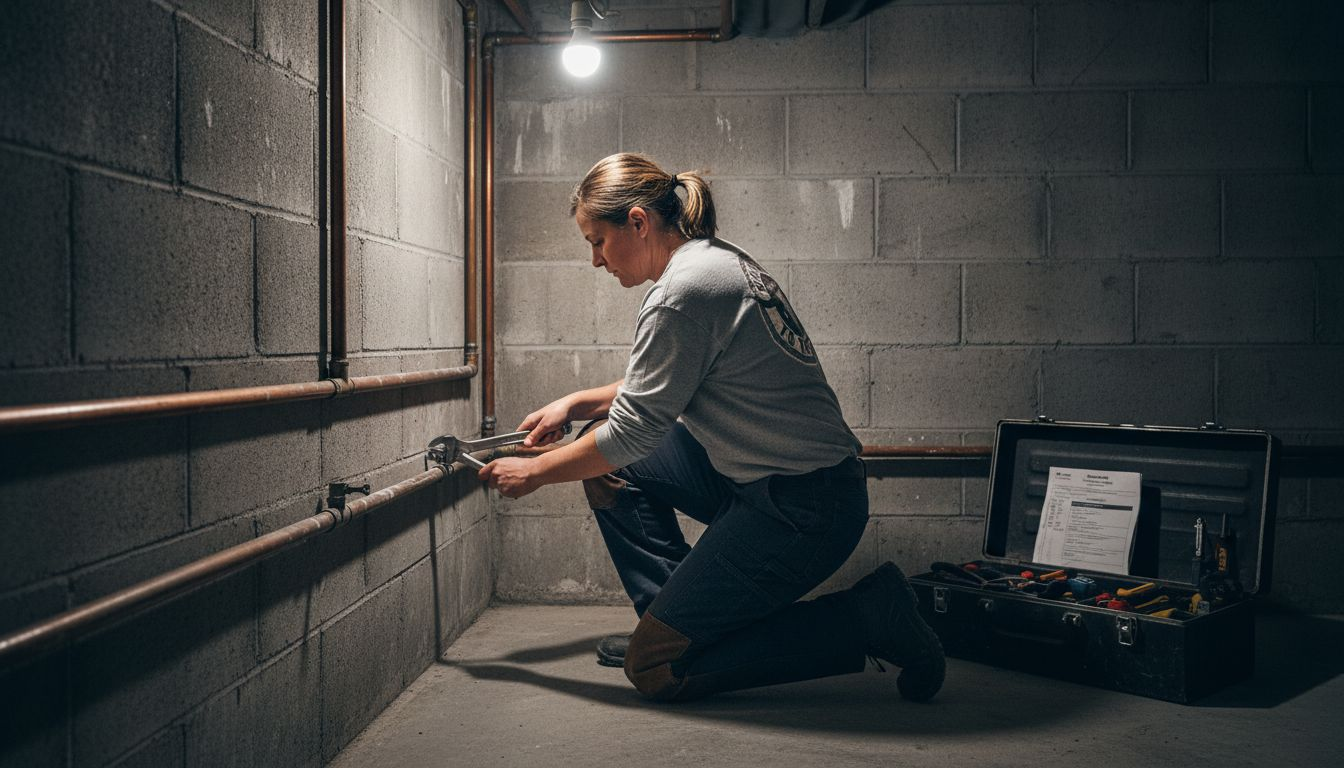
Consistency is where grit becomes powerful and lasting. Showing up exceptional one day means nothing if you’re unreliable the next. In the trades, your reputation lives or dies by consistency. A customer calls you back because you finished the job on time last month and they trust you’ll do it again. Your employer promotes you because you arrive ready to work, not just sometimes, but every single day. Reliability and consistency underpin your ability to sustain effort despite obstacles, whether that’s a difficult client, equipment failures, or physical exhaustion. Consistency and constancy in effort are what transform raw grit into genuine professional success. A single moment of heroic effort gets forgotten. Twelve months of steady, reliable work gets remembered and valued. This is especially true in the trades where your work quality directly affects safety and people’s homes or businesses.
These core values create a multiplier effect. Grit without consistency is just temporary enthusiasm that fades. Consistency without grit is rote compliance that stops the moment pressure hits. Together, they build something unshakeable. Customers seek out electricians and plumbers known for both toughness and reliability because they know the job will be done right and on schedule. Employers keep reliable, persistent workers around because they solve problems and reduce stress rather than creating it. Over time, this reputation becomes your most valuable asset, worth more than any tool or certification. The workers who thrive in trades aren’t necessarily the most talented; they’re the ones who decided that showing up, doing quality work, and maintaining their standards matters more than comfort or convenience.
Pro tip: Document your completed projects and customer feedback to build a tangible record of your consistency and reliability, which becomes invaluable when building your reputation and attracting steady work.
Why Experience and Discipline Lead Success
Every job you complete adds something to your toolkit that no classroom can teach. The first time you pull permits, you learn what inspectors actually care about. The second time, you move faster. By the tenth time, you do it in your sleep. Experience compounds. You’re not just repeating the same task; you’re building layers of understanding that let you anticipate problems before they happen, work more efficiently, and deliver better results. A plumber with two years of experience recognizes a water pressure issue by sound alone. An electrician with a decade under their belt can spot code violations before picking up a tool. That expertise didn’t come from reading manuals. It came from showing up, paying attention, and learning from both successes and failures across countless jobs.
Discipline is what transforms experience into actual mastery. You can work in trades for twenty years and still be mediocre if you cut corners, skip safety steps, or refuse to learn new methods. But combine discipline with time on the job and something powerful happens. Disciplined engagement with complex tasks develops skills and confidence that directly translate into success. In the trades, this looks like maintaining your tools properly, following safety protocols every single time not just when you feel like it, and systematically learning new techniques even when your old methods still work. Discipline means showing up mentally present, not just physically present. It means taking pride in the details that customers never see. These habits compound just like experience does. After months of disciplined practice, tasks become automatic, freeing your mind to focus on bigger problems and better solutions.
The combination of experience and discipline creates something unstoppable. You’ve seen the problems before, so you know how to solve them fast. You have the discipline to do it right even under pressure. Customers trust you because your track record speaks for itself. Employers promote you because you deliver consistent results. Discipline in work habits and accrued experience underpin long-term professional advancement. What separates the electricians and plumbers struggling to find steady work from those with full schedules booked months ahead isn’t luck or special talent. It’s this exact combination. They’ve been disciplined about their craft long enough that experience has built their reputation into something genuine and valuable. That reputation becomes your best marketing tool because satisfied customers tell their friends, and referrals never stop coming.
Pro tip: Keep a work journal documenting challenges you faced, solutions you found, and lessons learned; reviewing this regularly accelerates your learning curve and helps you spot patterns that improve future job performance.
Here’s how discipline, experience, and grit shape career outcomes in the trades:
| Attribute | Short-Term Impact | Long-Term Benefit |
|---|---|---|
| Discipline | Reliable job performance | Reputation for quality and safety |
| Experience | Faster problem-solving | Mastery and higher earning power |
| Grit | Persistence through setbacks | Ability to handle industry changes |
The Real Payoff: Skill, Pride, Respect
Money matters, but it’s not the only reason tradespeople wake up early and push through tough jobs. The real payoff runs deeper. When you finish a project and step back to see exactly what you built or fixed, something clicks. That’s pride in craftsmanship, and it’s something office work rarely delivers. You can see the results of your labor. A kitchen you rewired functions smoothly and safely. A bathroom you replumbed works perfectly. You didn’t just complete a task; you created something tangible that improves someone’s life. That feeling stays with you. It’s the reason electricians and plumbers talk about their work outside the jobsite. They’re not bragging; they’re sharing something they genuinely feel proud of. This pride becomes fuel. It pushes you to do better on the next job, to learn new techniques, and to maintain the standards that made you proud in the first place. Workers in skilled trades express this pride openly because respect earned through skill mastery contributes directly to infrastructure and economic development that communities depend on.
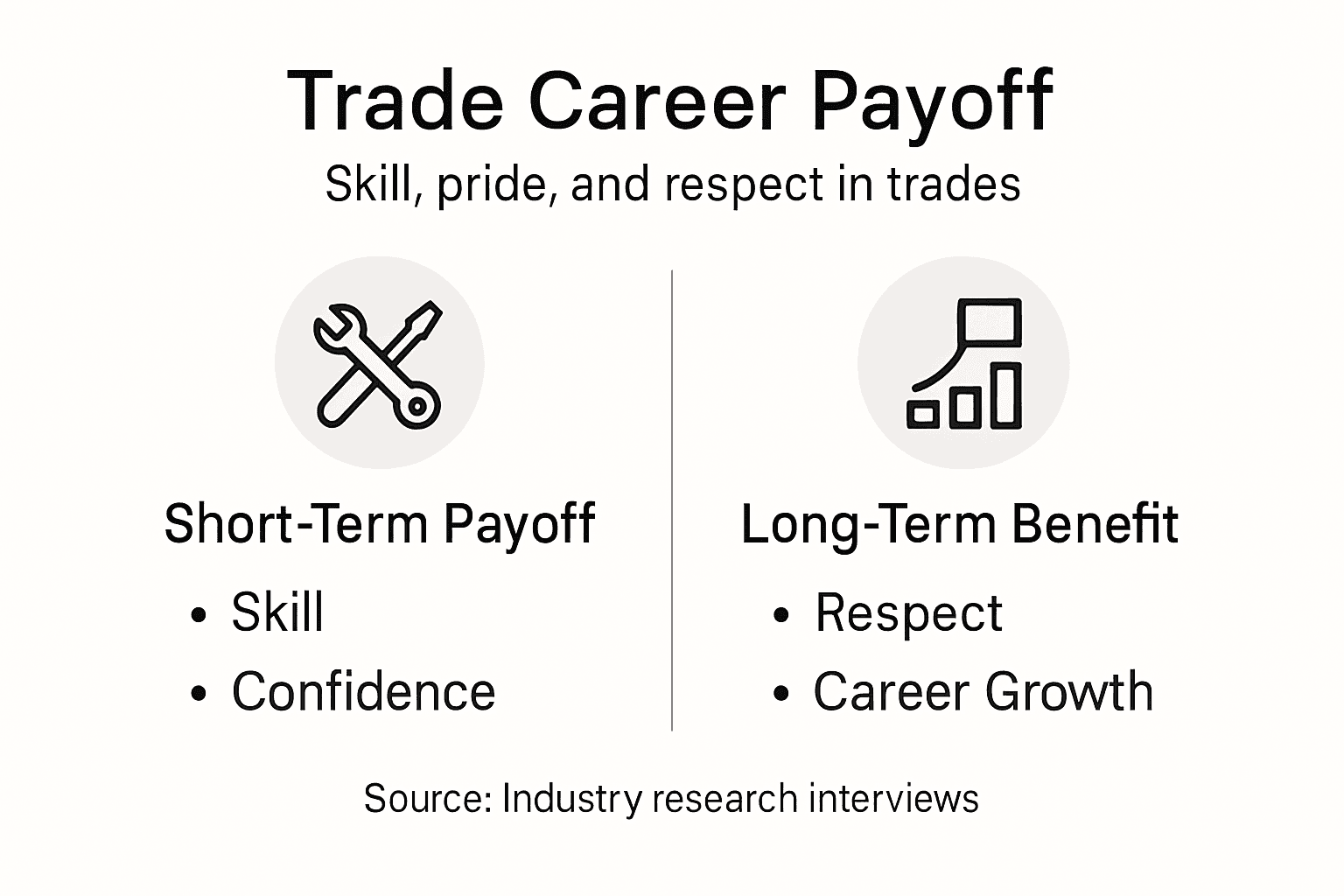
Respect follows naturally when you develop genuine skill. Not the fake kind you get from a title or paycheck, but real respect based on knowing you can handle complex problems. Your regular customers call you because they trust your work. Other tradespeople respect your knowledge and recommendations. Your family recognizes that you have a valuable, respected profession. That respect transforms how people treat you and how you see yourself. A skilled electrician or plumber isn’t just someone doing a blue collar job; they’re a professional whose expertise is valued and sought after. This status matters more than many realize. It affects your earning potential, your job security, and how comfortable you feel in your own professional identity. Developing expertise provides financial stability and elevates your status within your community, fostering enduring respect that lasts far beyond any single paycheck.
The combination of skill, pride, and respect creates a sustainable career you actually want to show up for. You’re not just trading time for money; you’re building something real. Your skills become more valuable as you refine them. Your pride keeps you motivated through the difficult parts of the job. Your respect opens doors to better opportunities, whether that’s choosing your own clients, mentoring others, or building your own business. This is why experienced tradespeople rarely leave the field for other work. They’ve tasted what it feels like to be genuinely good at something, to be respected for it, and to feel proud of their daily work. That’s a powerful combination that defeats burnout and keeps you engaged across decades of work. The financial rewards follow naturally when skill, pride, and respect are real.
Pro tip: Regularly photograph and document your completed work to build a visible portfolio that demonstrates your skill level and gives you concrete proof of the quality and scope of your accomplishments.
Shortcuts Versus Lasting Quality Work
Every electrician and plumber has faced the temptation. You’re running behind schedule, the customer is impatient, and you know a faster way to get the job done. The shortcut is right there, obvious and available. The problem is what happens next. Shortcuts fade. Solid work lasts. When you skip steps, use substandard materials, or ignore proper procedures, you’re not saving time; you’re borrowing trouble from the future. That bathroom remodel done quickly with cut corners will develop problems in six months. That electrical job finished ahead of schedule using questionable techniques might create a safety hazard. Then the customer calls back angry, your reputation takes a hit, and you end up doing the work again anyway, except now you’ve lost money and trust. This happens because cutting corners doesn’t actually work long term. It just delays consequences.
Quality management systems exist precisely because shortcuts destroy value. Quality systems emphasize discipline, consistency, and accountability to maintain lasting quality work, while shortcuts undermine standards and create long-term organizational and safety consequences. In trades, this translates directly. You follow code because code exists for safety reasons. You use proper materials because cheaper alternatives fail. You take the time to do inspections because problems caught early cost far less than problems discovered by an angry homeowner. These aren’t bureaucratic hassles; they’re the difference between work that lasts and work that fails. In the skilled trades, safety considerations especially demand strict adherence to procedures. Shortcut behaviors increase efficiency but carry risks such as accidents or errors. The trade-off between speed and quality is persistent, but in electrical and plumbing work, safety can’t be compromised. That customer who pays you to do their work expects that work to be done right, not fast.
The tradespeople who build genuine, sustainable careers choose quality every single time. Yes, it means turning down jobs that pressure you to cut corners. Yes, it means saying no to customers who want shortcuts. But those decisions protect your reputation, which is your most valuable asset. A plumber known for cutting corners gets cheaper customers who complain constantly and pay less. A plumber known for doing thorough, safe work at fair prices gets steady referrals and can choose their work. The financial payoff comes from lasting quality, not from rushing through jobs. When you invest in doing things right, you invest in customers coming back, in your reputation spreading, in your ability to charge what your expertise is worth. That’s not just better ethics; it’s better business.
Pro tip: When facing pressure to rush a job, quote the time needed for quality work and explain briefly why shortcuts would compromise safety or durability; most customers respect honest timelines more than promises that sound too good to be true.
Key differences between shortcut approaches and quality-focused work in the trades:
| Approach | Immediate Result | Long-Term Effect |
|---|---|---|
| Taking Shortcuts | Faster job completion | Reduced safety, lost clients |
| Ensuring Quality | Thorough, slower process | Trusted, repeat business |
Workwear and Lifestyle: Embracing the Badge
Your workwear isn’t just clothing. It’s a uniform that says something about who you are and what you do. When you pull on your tool belt, lace up your work boots, and grab your jacket, you’re not just getting dressed for the job; you’re stepping into an identity. Workwear has become a badge of honor in blue-collar professions, a visible marker of the work you do and the standards you maintain. The history of workwear is deeply connected to trades themselves. Carpenters, electricians, and plumbers didn’t choose denim and canvas because they looked cool; they chose them because those materials survive the demands of real work. That functionality evolved into style, and today that style represents something bigger than utility alone. When customers see you walk up in proper work gear, they immediately recognize expertise and professionalism. Your workwear communicates that you take your work seriously. The way workwear style reflects trade identity shows how functional clothing has transcended utility to become a symbol of lifestyle and pride in one’s occupational role.
For tradeswomen especially, the right workwear matters on multiple levels. You need gear that actually works for your body and your job, not clothing designed for someone else’s work. You need durability because your tools and materials are harsh on fabric. You need pockets and functionality because you’re managing equipment and materials all day. But beyond that practical side, you need workwear that makes you feel confident and capable. When your clothes fit right and perform well, you move differently. You feel stronger. You project competence. That confidence compounds across your career. Customers notice it. Your employers notice it. Other tradespeople notice it. The right workwear isn’t vanity; it’s a tool that helps you show up as your best professional self. Comfortable work wear gives blue-collar professionals an edge because when you’re not fighting uncomfortable clothing, you can focus entirely on doing excellent work.
Embracing the badge means owning what your workwear represents. You’re not apologizing for manual work or pretending to be something you’re not. You’re proud of what you do and how you look doing it. This mindset shifts everything. You invest in quality gear because it lasts and performs. You maintain your tools and your appearance because they reflect your standards. You wear your workwear with confidence, both on the job and off, because it’s genuinely part of who you are. The electricians and plumbers building sustainable careers understand this. Their workwear is part of their professional brand. Customers choose to work with them partly because they look professional and capable. That visual confidence supports the actual competence underneath. Your workwear is an extension of the grit and discipline you bring to your work. It’s the physical manifestation of your commitment to quality and professionalism. Make sure what you’re wearing actually supports that message.
Pro tip: Invest in quality work apparel designed specifically for your trade and body type; the right fit and durability mean better performance on the job and a more professional appearance that supports your reputation.
Gear Up for Every Shift with Workwear That Works as Hard as You Do
In “Hard Work, Hard Results: Strength in Every Shift,” the journey of relentless grit, consistent discipline, and unmatched resilience is clear. The article highlights the real challenges you face each day—long hours, demanding conditions, and the need for durable gear that supports your hard work rather than holding you back. You deserve apparel that matches the stamina and pride behind every job. At WorkwearComfort.com, we understand that true strength shows in the details. Our collection of All Hooded Sweatshirts offers rugged, functional options designed to keep you comfortable and protected through every tough shift while reflecting your commitment to quality and reliability.
Take control of your workday with gear built for endurance and style that embraces your blue-collar identity. Explore our Blue-Collar Working Man Sweatshirt Hoodies to find hoodies made for professionals who demand more from their apparel. Visit WorkwearComfort.com now to outfit yourself with premium, durable workwear that helps you maintain your discipline, stamina, and pride on every job. Don’t wait to invest in gear that honors your hard work and hard-earned results.
Frequently Asked Questions
What defines hard work in trade professions?
Hard work in trade professions involves physical and mental demands, commitment, and resilience. It is about demonstrating skill and expertise while consistently showing up, no matter the challenges present.
Why is grit important for success in trades?
Grit, which combines perseverance and consistency, is vital for tradespeople because it helps them overcome obstacles, learn new techniques, and maintain high standards of quality and safety in their work.
How does experience contribute to success in trade careers?
Experience allows tradespeople to develop a deep understanding of their craft, enabling them to work more efficiently, anticipate problems, and deliver better results over time, ultimately leading to mastery.
What role does quality workwear play in a tradesperson’s success?
Quality workwear serves as a tool that enhances performance and professional image. It provides comfort, functionality, and durability, allowing tradespeople to focus on their work while projecting competence and confidence to customers.
Recommended
- All Hooded Sweatshirts - WorkWear Comfort
- Women in the Trades 2025: Durable Workwear and Strong Careers - WorkWear Comfort
- The Essential Guide to We Workin Culture – WorkWearComfort
- What Durable Work Clothing Means for a Working Man – WorkWearComfort
- 7 Essential Off-Site Construction Best Practices - BoxBuild
