

In 1873, Levi Strauss patented a design that revolutionized manual labor clothing: denim jeans reinforced with rivets. This simple innovation extended garment life by strengthening stress points, setting the foundation for modern workwear. Understanding how workwear evolved from purely functional garments to cultural icons helps you make smarter choices about the clothes protecting you on the job today.
Table of Contents
- Historical Origins Of Key Workwear Garments
- Material And Technological Innovations In Workwear
- Industry-Specific Adaptations Shaping Workwear
- Common Misconceptions About Workwear Durability
- Comparative Analysis: Vintage Vs Modern Workwear
- Workwear As Cultural Identity And Its Legacy
- Applying Historical Insights To Choosing Durable Workwear Today
- Explore Durable Workwear Designed For You
- Frequently Asked Questions
Key takeaways
| Point | Details |
|---|---|
| Origins driven by labor needs | Late 19th century workwear emerged to address miners’ and laborers’ demands for durable, rugged clothing resistant to harsh conditions. |
| Technical innovations enhanced performance | Rivets, flame-resistant fabrics, and modern textile technologies improved garment durability and safety beyond raw material strength. |
| Industry-specific designs evolved | Mining, railroad, and agricultural sectors developed distinct workwear adaptations based on unique occupational hazards and environmental demands. |
| Modern workwear balances multiple priorities | Contemporary designs integrate durability with ergonomic comfort, flame resistance, and UV protection that vintage garments lacked. |
| Cultural identity embedded in design | Workwear symbolizes blue-collar pride and solidarity, with legacy brands maintaining authenticity through design heritage. |
Historical origins of key workwear garments
Denim jeans as durable workwear originated in the American West during the late 19th century, designed explicitly for miners and laborers needing rugged garments resistant to wear and tear. Gold rush workers faced brutal conditions that destroyed ordinary clothing within weeks. Standard cotton pants couldn’t withstand the constant abrasion from tools, rocks, and kneeling on rough surfaces.
Levi Strauss and Jacob Davis solved this problem in 1873 by patenting denim jeans with copper rivets at stress points. This innovation prevented pockets from ripping when filled with tools and ore samples. The combination of heavy denim fabric and metal reinforcements created garments that lasted months instead of weeks, dramatically reducing workers’ clothing expenses.
Heavy cotton duck cloth became another foundational workwear material during this era. Manufacturers like Carhartt used this tightly woven fabric for jackets and overalls because it resisted tearing and provided wind protection. Duck cloth’s weight ranged from 10 to 18 ounces per square yard, offering durability that matched the intensity of manual labor.
These early workwear innovations established patterns that influenced history of workwear guide development for generations:
- Reinforced construction at high-stress areas like knees, elbows, and pockets
- Heavy-duty fabrics that resisted abrasion and tearing
- Functional design prioritizing utility over aesthetics
- Multiple pockets for carrying tools and materials
- Simple construction allowing field repairs
Brands like Levi’s, Carhartt, and Filson built reputations by consistently delivering garments that survived punishing work environments. Their designs addressed real problems faced by miners, loggers, railroad workers, and farmers who needed clothing that wouldn’t fail during critical tasks.
Material and technological innovations in workwear
The invention of rivets in denim jeans by Levi Strauss was a key technological innovation that enhanced garment durability under strain, particularly at stress points like pockets. Before rivets, sewn seams would separate when workers stuffed pockets with heavy tools or bent repeatedly during labor. The metal reinforcements distributed stress across wider areas, preventing fabric from tearing at thread holes.
Flame-resistant fabrics emerged as critical workwear technology after the 1950s when industries recognized fire hazards in welding, electrical work, and oil fields. These specialized textiles use chemical treatments or inherently flame-retardant fibers that self-extinguish rather than continuing to burn. Workers in high-risk environments gained protection that could mean the difference between minor burns and fatal injuries.
Fabric weight directly correlates with abrasion resistance in workwear. Heavier materials like 12-ounce denim or 18-ounce duck cloth withstand repeated friction better than lightweight alternatives. However, weight comes with tradeoffs in breathability and flexibility. Modern durable work clothing insights balance these factors through fabric engineering.
Contemporary technical fabrics incorporate benefits vintage materials couldn’t offer:
- Moisture-wicking properties that pull sweat away from skin
- UV protection ratings up to UPF 50+ blocking harmful sun exposure
- Antimicrobial treatments reducing odor and bacteria growth
- Stretch fibers improving range of motion without sacrificing durability
- Water-resistant coatings that dry quickly after exposure
Pro Tip: Match fabric weight to your specific work demands. Jobs with constant abrasion like concrete work need heavier fabrics, while tasks requiring frequent movement benefit from lighter, technical materials with targeted reinforcements.
The evolution from simple cotton and denim to engineered technical fabrics represents workwear’s most significant advancement. Modern garments protect against hazards that early workers never considered, from UV radiation to chemical splashes. Understanding these material innovations helps you select clothing that addresses your specific workplace risks while maintaining the durability that defines quality workwear.
Industry-specific adaptations shaping workwear
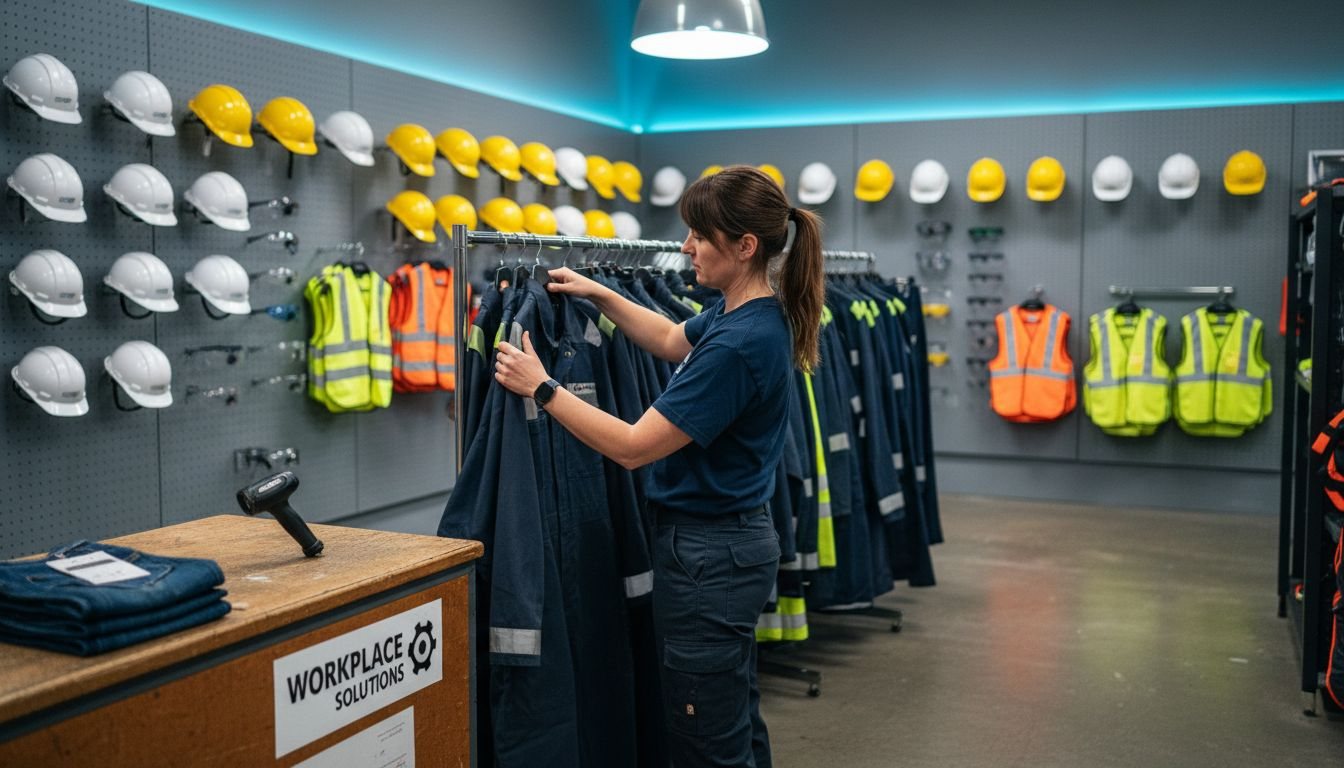
Different labor sectors demanded specialized workwear adaptations that addressed unique occupational hazards and environmental conditions. Mining, railroads, agriculture, and construction each developed distinct clothing requirements based on the specific dangers workers faced daily. These adaptations shaped the diverse workwear categories we recognize today.
-
Mining operations required rugged denim and duck cloth that resisted abrasion from crawling through tunnels and handling sharp rocks. Reinforced knees and seats became standard features because miners spent hours in positions that wore through ordinary fabric quickly.
-
Railroad workers needed flame-resistant clothing after fire hazards from locomotives and welding became apparent. Oil-soaked clothing ignited easily, leading to tragic accidents that prompted industry-wide adoption of treated fabrics and specific garment designs that minimized exposed fabric areas.
-
Agricultural labor emphasized breathable yet durable fabrics that withstood constant sun exposure and repetitive movements. Farmers needed clothing that dried quickly after morning dew or irrigation exposure while protecting skin from UV radiation and scratches from plants.
-
Construction trades developed workwear for construction workers with high-visibility colors, multiple tool pockets, and reinforced areas matching specific trade demands. Electricians required different protection than framers, leading to specialized subcategories.
-
Oil field and refinery workers needed garments that combined flame resistance with protection from chemical splashes and extreme weather. These environments demanded the most comprehensive protective features in a single garment.
Occupational hazards directly influenced design elements that became industry standards. Loggers needed protection from chainsaw cuts, leading to specialized pants with embedded protective layers. Welders required leather aprons and flame-resistant sleeves that could withstand sparks and molten metal splatter.
Climate considerations shaped regional workwear variations. Work clothes for extreme heat prioritized lightweight, breathable fabrics with moisture-wicking properties. Cold weather demanded insulated layers that maintained mobility while providing warmth. Understanding these adaptations helps you select appropriate workwear for your specific industry and climate.
The blue collar worker jacket evolved differently across industries, incorporating features like welding-specific arm designs, logger-length back panels, or construction-oriented tool loops. These variations represent decades of refinement based on worker feedback and safety data.
Common misconceptions about workwear durability
Many people assume vintage workwear always surpasses modern garments in durability, but this belief ignores critical advances in fabric technology and protective features. Nostalgia for older clothing overlooks limitations that made vintage garments less safe and comfortable than contemporary options. Understanding these misconceptions helps you make informed purchasing decisions.
Vintage fabrics lack modern flame resistance and UV protection that prevent serious injuries in today’s work environments. While heavy cotton duck cloth resists abrasion well, it ignites easily and provides no protection from harmful sun radiation. Modern fabrics incorporate chemical treatments or synthetic fibers that self-extinguish and block up to 98% of UV rays.
“The romantic notion that old workwear was inherently superior ignores measurable improvements in fabric science. Today’s technical textiles offer protection vintage workers never had access to, from flame resistance to antimicrobial properties that improve hygiene and garment longevity.”
Common consumer myths about vintage workwear toughness stem from survivorship bias. The garments that lasted decades represent a tiny fraction of total production. Most vintage workwear wore out and was discarded, leaving only exceptional examples that skew perception. Modern quality control ensures consistent durability across entire product lines rather than occasional exceptional pieces.
Key misconceptions about durability myths busting include:
- Heavier always means more durable (lighter technical fabrics often outlast heavy cotton through superior engineering)
- Vintage construction methods were superior (modern stitching and reinforcement techniques exceed historical standards)
- Natural fibers always beat synthetics (blended fabrics combine the best properties of multiple materials)
- Older garments break in better (modern ergonomic designs eliminate painful break-in periods)
Fabric science advances enable modern workwear to resist burns and sun damage that destroyed vintage garments. Cold weather work clothes safety features like durable water repellent coatings shed moisture and dry quickly, preventing the cold, damp conditions that plagued earlier workers. These technological improvements represent genuine progress, not marketing hype.
Understanding fabric composition and construction methods matters more than age when evaluating workwear quality. Modern garments that incorporate historical design wisdom with contemporary materials offer the best combination of durability, safety, and comfort. Don’t let nostalgia blind you to measurable improvements in workwear performance.
Comparative analysis: vintage vs modern workwear
Comparing vintage and contemporary workwear reveals significant tradeoffs between raw durability and enhanced functionality. Understanding these differences helps you select garments that match your specific work requirements rather than relying on assumptions about older being better.
| Feature | Vintage Workwear | Modern Workwear |
|---|---|---|
| Primary Focus | Raw durability through heavy fabrics | Balanced durability with ergonomic comfort |
| Fabric Weight | 12-18 oz cotton/denim | 8-12 oz technical blends |
| Flame Resistance | None (highly flammable) | Built-in through treatments or fiber choice |
| UV Protection | Minimal (standard cotton ~UPF 5) | Up to UPF 50+ blocking 98% of harmful rays |
| Moisture Management | Absorbs and retains sweat | Wicking properties pull moisture away |
| Range of Motion | Limited by stiff, heavy fabrics | Enhanced through stretch fibers |
| Break-in Period | Weeks of discomfort | Minimal to none with pre-washed fabrics |
| Maintenance | Difficult to clean, slow drying | Machine washable, quick drying |
Vintage workwear prioritized survival in harsh conditions through sheer fabric thickness and weight. A 1940s Carhartt jacket used 18-ounce duck cloth that resisted tearing but restricted movement and trapped heat during physical labor. Workers accepted discomfort as the price of durability because no alternatives existed.
Modern workwear enhances ergonomics without sacrificing protection through engineered fabrics and strategic reinforcement. Contemporary designs place heavy-duty material only at high-wear areas like elbows and knees while using lighter, breathable fabric elsewhere. This targeted approach reduces overall garment weight while maintaining durability where it matters most.
Flame resistance represents the most critical safety improvement modern workwear offers. Vintage cotton garments ignited easily from sparks or open flames, causing severe burn injuries. Today’s treated fabrics or inherently flame-resistant materials like aramid fibers self-extinguish, giving workers crucial seconds to remove clothing before serious burns occur.
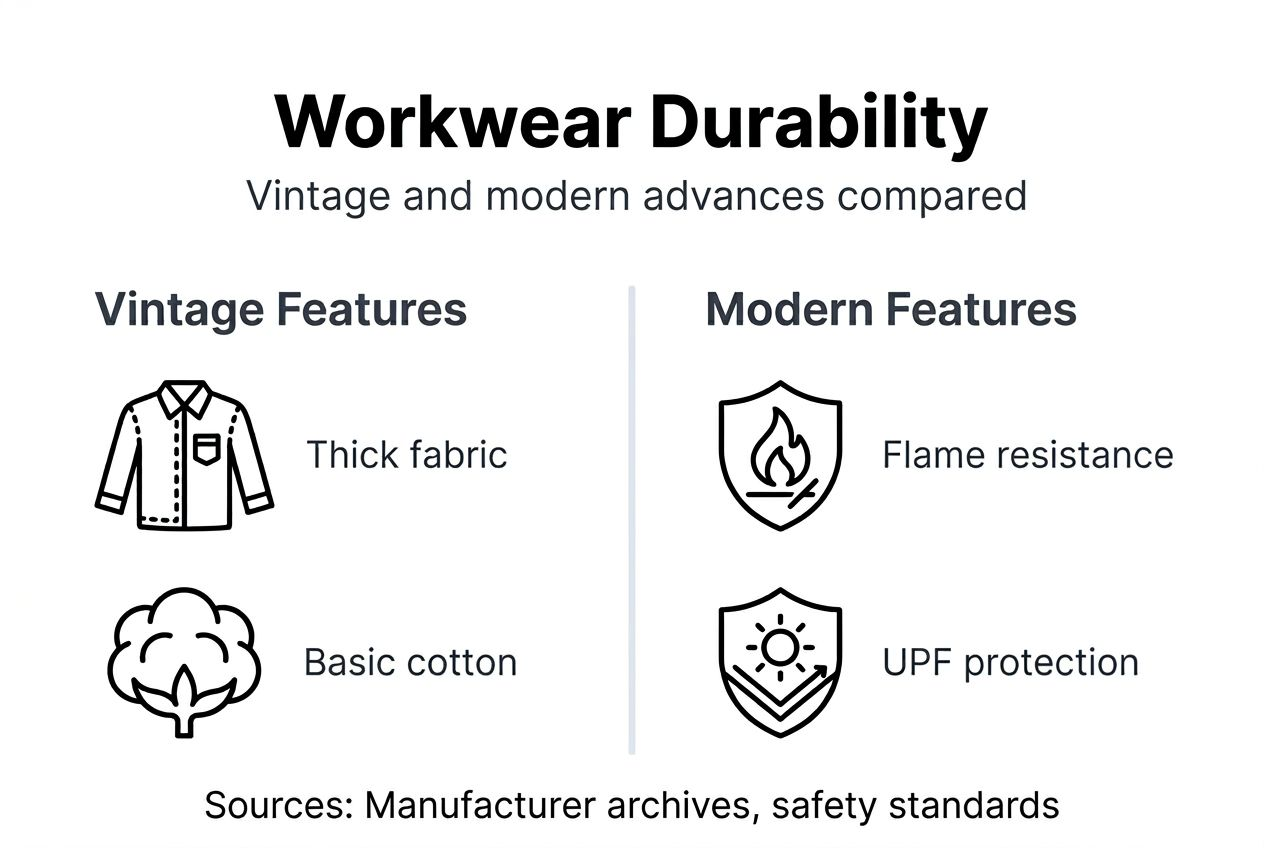
UPF protection addresses a hazard vintage workers didn’t understand: cumulative UV damage leading to skin cancer. Modern workwear rated UPF 50+ blocks 98% of harmful radiation, significantly reducing long-term health risks for outdoor workers. This invisible protection delivers value that’s impossible to appreciate until decades later.
Pro Tip: Evaluate workwear based on your specific job demands rather than general durability claims. If you work indoors with minimal abrasion, prioritize comfort and mobility. Outdoor workers need UV protection and moisture management. High-risk environments demand flame resistance regardless of other factors.
Balanced modern designs accommodate all-day wear without the fatigue vintage workwear caused. Strategic stretch panels at shoulders and crotch allow natural movement without fabric restriction. Pre-washed materials eliminate stiff, uncomfortable break-in periods that made new vintage workwear painful to wear initially. These improvements enhance productivity by reducing physical strain and distraction.
Workwear as cultural identity and its legacy
Workwear evolved beyond functional clothing to become a powerful symbol of blue-collar pride, solidarity, and authentic manual labor identity. The distinctive appearance of denim jeans, duck cloth jackets, and reinforced overalls signaled membership in working-class communities that valued physical skill and honest labor. This cultural significance influences how brands design and market workwear today.
Historical brands like Carhartt, Dickies, and Red Wing built reputations not just on product durability but on their connection to blue-collar values and lifestyles. Workers trusted these brands because they consistently delivered garments that survived demanding jobs. That trust extended beyond product quality to represent shared identity among people who earned livings through manual labor.
Workwear played visible roles in labor movements and social solidarity throughout the 20th century. Union members wore distinctive work clothes during strikes and protests, creating visual unity that strengthened collective bargaining power. The clothing itself became a statement of working-class consciousness and resistance to exploitation.
Legacy influences modern brand authenticity in ways consumers instinctively recognize:
- Heritage designs referencing historical patterns and construction methods
- Brand storytelling emphasizing founding dates and original purposes
- Endorsements from actual workers rather than celebrities or models
- Commitment to domestic manufacturing maintaining quality standards
- Support for trade education and skilled labor development
Contemporary workwear brands succeed by honoring this cultural legacy while incorporating modern improvements. Consumers want garments that connect them to blue-collar traditions even if their work doesn’t involve manual labor. The authenticity of workwear’s heritage resonates with people seeking durable, honest products in a disposable consumer culture.
This cultural dimension explains why workwear aesthetic influences fashion beyond its utilitarian origins. The values embedded in authentic work clothing appeal broadly: craftsmanship, durability, functionality, and unpretentious honesty. Understanding workwear’s cultural legacy helps you appreciate why certain brands and designs carry meaning beyond their physical characteristics.
Applying historical insights to choosing durable workwear today
Historical workwear development offers practical lessons for selecting garments that deliver durability, protection, and value in modern work environments. Understanding how workwear evolved helps you identify quality indicators and avoid marketing hype that promises more than products deliver.
Select fabrics with proven durability and protection based on your specific job type. If you face flame hazards from welding or electrical work, prioritize treated fabrics or aramid blends over untreated cotton regardless of weight. Outdoor workers need UPF-rated materials blocking harmful UV radiation. Match fabric technology to your actual workplace risks rather than general durability claims.
Consider ergonomic features that enhance all-day comfort without sacrificing protection. Strategic stretch panels, articulated knees, and gusseted crotches allow natural movement that reduces fatigue. Pre-washed fabrics eliminate uncomfortable break-in periods while maintaining durability. These modern improvements build on historical workwear foundations by addressing limitations workers previously accepted.
Look for technical fabric innovations that provide protection vintage materials couldn’t offer:
- Flame resistance through chemical treatments or inherent fiber properties
- UV protection rated UPF 30 or higher for outdoor work
- Moisture-wicking properties that improve comfort and reduce chafing
- Water-resistant coatings that shed rain and dry quickly
- Antimicrobial treatments reducing odor between washes
Maintenance practices extend garment life significantly regardless of initial quality. Wash workwear inside out to reduce abrasion on outer surfaces. Avoid excessive heat in dryers that degrades flame-resistant treatments and elastic fibers. Repair small tears immediately before they enlarge. Historical workers maintained clothing carefully because replacement costs were high; that same approach maximizes your investment today.
Using historical knowledge to inform smart purchases means recognizing that true quality workwear balances multiple factors rather than maximizing any single characteristic. The history of workwear guide demonstrates how successful designs evolved by addressing real worker needs rather than following trends. Apply that same practical evaluation when choosing blue collar apparel for your situation.
Brand heritage matters when it reflects genuine commitment to worker needs rather than marketing nostalgia. Companies that listen to worker feedback and continuously improve designs deliver better value than those trading solely on historical reputation. Evaluate brands based on current product performance while respecting the lessons their heritage represents.
Explore durable workwear designed for you
Workwear’s evolution from purely functional garments to culturally significant apparel that balances durability with comfort informs every design choice at WorkWearComfort.com. Our collection honors workwear heritage while incorporating modern fabric technologies that protect you better than vintage materials could. The Blue Collar Brotherhood Hoodie combines classic workwear styling with contemporary construction that moves with you through demanding tasks.
Modern technical fabrics deliver protection historical workers never accessed. The Lightweight UPF 50 Work Hoodie blocks 98% of harmful UV radiation while maintaining breathability for all-day comfort. For those who appreciate workwear’s vintage aesthetic, the Reddy Kilowatt Vintage Hoodie connects you to electrical trade heritage through authentic design references.
Every garment balances durability with ergonomic comfort, applying lessons from workwear’s century-long evolution. We design for people who depend on their clothing to perform in real work environments, not fashion enthusiasts seeking temporary trends. Explore options engineered to match your specific needs while honoring the blue-collar values that make workwear meaningful.
Frequently asked questions
What is workwear and why is its history important?
Workwear is clothing specifically designed for manual labor, prioritizing durability, protection, and functionality over fashion. Understanding its history reveals why certain design elements and fabric choices became standard, helping you select garments that address real workplace demands. Historical development shows how workers’ needs drove innovation in materials and construction methods that continue to inform quality workwear today.
How did rivets improve denim workwear?
Rivets reinforce pockets and seams at stress points, preventing fabric from tearing when filled with tools or subjected to repeated strain. Levi Strauss patented this innovation in 1873, extending garment life significantly by distributing stress across metal fasteners rather than thread alone. This simple addition transformed denim from ordinary fabric into durable workwear that could withstand punishing manual labor conditions.
Are vintage workwear pieces always more durable than modern ones?
Modern fabrics add flame resistance, UV protection, and moisture management that vintage materials completely lacked. Durability depends on fabric technology, construction methods, and intended use rather than age. While heavy vintage fabrics resisted abrasion well, they failed to protect workers from fire hazards, sun damage, and bacterial growth that contemporary technical textiles address effectively.
What should I look for when buying workwear today?
Focus on durability appropriate to your job, protection features matching your workplace hazards, and ergonomic design enabling comfortable all-day wear. Consider job-specific fabric technology like flame resistance for welding, UPF protection for outdoor work, or moisture-wicking properties for physically demanding tasks. Research choosing blue collar apparel guides that help you match garment features to your actual work requirements rather than general marketing claims.
