

You’ve been told 100% cotton shirts keep you cool on the job. Yet after an hour swinging a hammer or crawling through an attic, you’re drenched. The truth is many cotton shirts trap moisture and heat, while modern polyester blends with moisture-wicking technology actually keep you cooler and drier. This guide breaks down fabric technologies, design features, and trade-specific considerations to help you choose work shirts that enhance comfort without sacrificing durability.
Table of Contents
- Understanding Breathability In Work Shirts
- Fabric Technologies That Optimize Breathability And Durability
- Design Features That Enhance Comfort And Airflow
- Trade-Specific Needs: Construction And Hvac Focus
- Common Misconceptions About Breathable Work Shirts
- Comparing Popular Breathable Work Shirts: Features And Trade-Offs
- Practical Guidance On Selecting And Maintaining Breathable Work Shirts
- Enhance Your Workday With Breathable Gear From Workwearcomfort.com
Key takeaways
| Point | Details |
|---|---|
| Breathable fabrics regulate temperature | They allow air and moisture vapor to pass through, reducing heat stress during physical labor. |
| Polyester blends outperform cotton | They dry faster and resist abrasion better than traditional cotton work shirts. |
| Design features enhance airflow | Ventilation panels, mesh inserts, and relaxed fits improve circulation and lower skin temperature. |
| Trade-specific needs vary | Construction requires UV protection, while HVAC workers need moisture and water resistance. |
| Proper care extends performance | Following washing instructions preserves moisture-wicking finishes and fabric integrity. |
Understanding breathability in work shirts
Breathability refers to a fabric’s ability to allow air and moisture vapor to pass through its structure. When you’re climbing scaffolding or installing ductwork, your body generates heat and sweat. A breathable shirt moves that moisture away from your skin and releases it into the air, keeping you cooler and more comfortable.
Breathable fabrics enhance worker comfort by managing moisture and heat effectively. Without proper breathability, sweat accumulates against your skin, creating a clammy layer that increases perceived temperature. This moisture buildup also causes chafing, especially around seams and pressure points from tool belts or shoulder straps.
For blue-collar workers facing heat and physical exertion, breathability directly impacts job performance. When your body can’t regulate temperature efficiently, you fatigue faster and lose focus. Heat stress becomes a real concern during summer months or in environments with poor ventilation. A breathable work shirt acts as your first line of defense against these challenges.
Key breathability factors include:
- Fabric structure allowing air circulation between fibers
- Moisture-wicking properties pulling sweat to the surface
- Quick-drying capabilities preventing wet fabric from clinging to skin
- Ventilation design features enhancing natural airflow
Fabric technologies that optimize breathability and durability
Not all fabrics perform equally when tested on real job sites. Polyester blended with moisture-wicking finishes significantly increases breathability and drying speed compared to cotton. A cotton shirt might take hours to dry after you’ve worked up a sweat, while a polyester blend can dry in 30 minutes or less.
Cotton absorbs moisture and holds it, creating weight and reducing insulation. Polyester, on the other hand, doesn’t absorb water into its fibers. Instead, it spreads moisture across the fabric surface where it evaporates quickly. This fundamental difference explains why synthetic blends keep you drier during demanding physical work.
Specialized fabrics like ripstop and twill offer additional benefits. Ripstop features a reinforced grid pattern that prevents tears from spreading, crucial when you’re working around sharp edges or rough surfaces. Twill provides a diagonal weave pattern that’s both durable and allows decent airflow. Many modern work shirts combine these weave patterns with synthetic fibers for maximum performance.
Moisture-wicking finishes transform ordinary fabric into performance material. These chemical treatments create channels that pull sweat away from your skin through capillary action. The moisture spreads across a larger surface area, accelerating evaporation. Some fabrics include additional features:
- UV protection blocking harmful rays during outdoor work
- Durable water repellent (DWR) coatings shedding light rain or spills
- Antimicrobial treatments reducing odor from bacteria growth
- Abrasion-resistant zones reinforcing high-wear areas
Pro Tip: Check the fabric blend percentage. A 60/40 polyester-cotton blend often provides the sweet spot between breathability, comfort, and durability. Pure synthetic fabrics breathe well but can feel less natural against skin, while high cotton content sacrifices quick-drying performance.
For more insights on how fabric choice impacts comfort throughout your shift, explore breathable long sleeve work shirts and breathable work polo shirts.
Design features that enhance comfort and airflow
Fabric technology only tells half the story. How a shirt is constructed determines whether those performance materials actually improve your comfort on the job.
Mesh ventilation panels strategically placed across the back and underarms create pathways for hot air to escape. Ventilation panels can lower skin temperature by 5°F, significantly enhancing comfort during physically demanding tasks. These panels use different weave densities or perforated fabrics to maximize airflow without compromising durability.
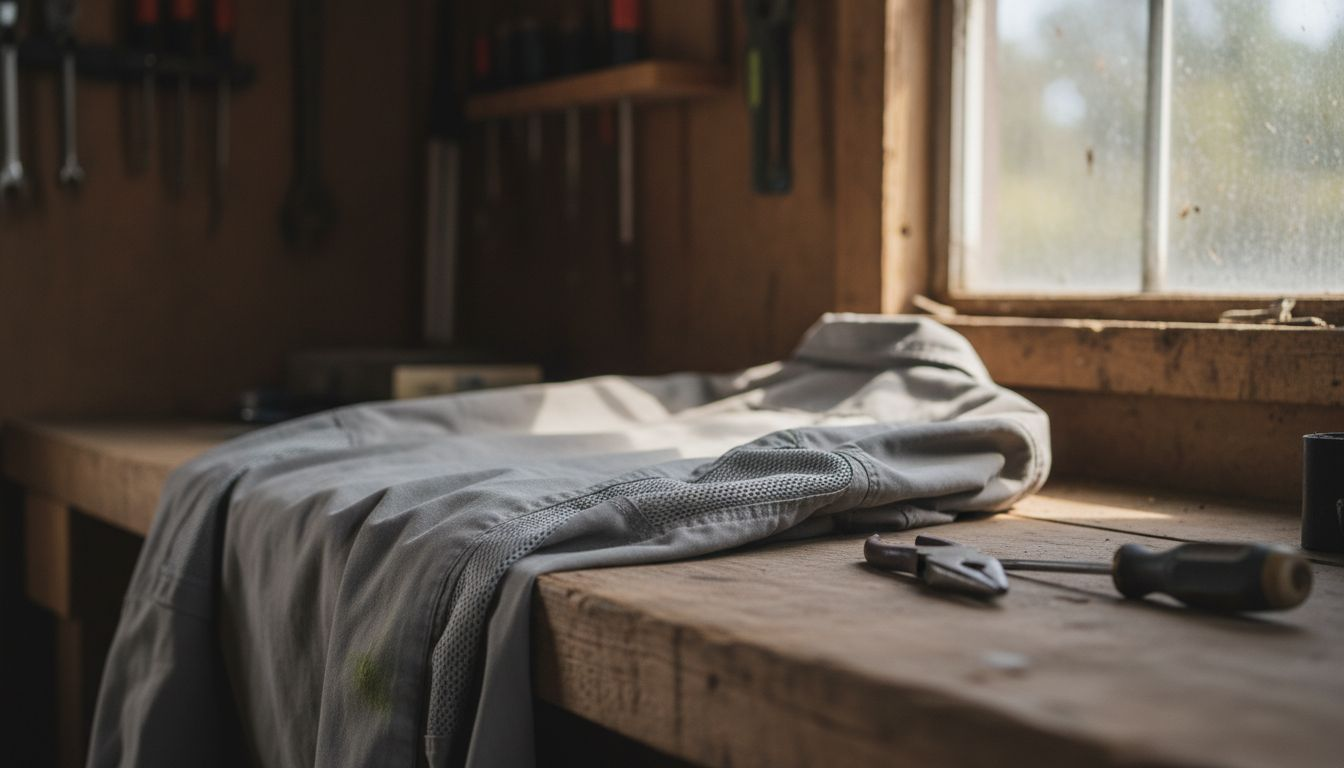
Seam construction matters more than you might think. Flat-lock seams lie flush against fabric instead of creating raised ridges. This reduces friction points that cause chafing when you’re reaching overhead or bending repeatedly. Traditional seams can also trap moisture and restrict airflow, while flat-lock construction allows better ventilation.
Fit plays a critical role in breathability. A relaxed fit creates space between fabric and skin, allowing air to circulate freely. Tight shirts might look sleeker, but they trap heat and restrict movement. Look for designs offering mobility through features like action backs, gusseted underarms, or articulated sleeves that move with your body.
Some advanced designs incorporate built-in ventilation flaps along the sides or back. These overlapping fabric sections allow air exchange while protecting you from direct sun exposure or debris. The principle is similar to the vents on a backpack, balancing airflow with coverage.
Practical design elements to prioritize:
- Raglan sleeves reducing shoulder seam pressure from straps
- Extended shirt tails staying tucked during bending and reaching
- Button plackets allowing adjustable ventilation
- Collar styles that don’t restrict neck movement or airflow
Pro Tip: Test arm mobility before buying. Raise your arms overhead and twist side to side. The shirt should move with you without riding up or pulling tight across the shoulders. This freedom of movement indicates proper ventilation design.
To understand the science behind these features, check out understanding moisture wicking technology.
Trade-specific needs: construction and HVAC focus
Construction and HVAC trades present unique challenges requiring specialized shirt features. Understanding these differences helps you select gear matching your actual work conditions.
Construction workers spend significant time outdoors under direct sunlight. UPF (Ultraviolet Protection Factor) ratings indicate how much UV radiation fabric blocks. A UPF 50 rating blocks 98% of UV rays, providing critical protection during long days framing houses or pouring concrete. Without proper sun protection, you risk painful burns and long-term skin damage.
Abrasion resistance becomes essential when you’re handling lumber, leaning against rough surfaces, or wearing tool belts daily. Reinforced shoulder panels and elbow patches extend shirt life in high-wear zones. Some construction-focused shirts feature double-layer fabric in these areas or use tougher ripstop material as reinforcement.
HVAC professionals face different demands. You’re moving between hot attics, cold basements, and climate-controlled spaces multiple times daily. Temperature regulation becomes more important than sun protection. Look for shirts with excellent moisture management that dry quickly as you transition between environments.
Water resistance matters when you’re dealing with condensation, leaks, or outdoor installations. DWR coatings cause water to bead up and roll off rather than soaking into fabric. This keeps you drier and more comfortable without completely blocking breathability. The key is finding the right balance for your typical conditions.
Trade-specific considerations:
- Dirt and grease resistance through tighter weaves or protective finishes
- Pocket configurations matching tool requirements and accessibility
- Visibility features like reflective strips for roadside or low-light work
- Chemical resistance when working with solvents or harsh cleaning agents
For deeper insights into work shirt selection for demanding trades, explore work shirt durability and function, durable work clothing meaning, and how UPF 50 hoodies block UV rays.
Common misconceptions about breathable work shirts
Several myths persist about work shirt performance, leading workers to make choices that actually reduce their comfort.
The biggest misconception is that 100% cotton always provides superior breathability. While cotton feels soft and natural, it absorbs moisture and holds it against your skin. Modern polyester blends with moisture-wicking finishes move sweat to the surface and dry exponentially faster. This translates to staying cooler and more comfortable throughout your shift.
Many workers misunderstand moisture-wicking technology, assuming it’s just marketing hype. The reality is that chemical treatments and fiber engineering create genuine performance improvements. Capillary action pulls moisture through the fabric structure, spreading it across a larger area for faster evaporation. This isn’t magic, it’s applied textile science.
Another confusion involves protective coatings like DWR. Some assume water-repellent treatments completely block breathability. Quality DWR finishes work at the fabric surface, repelling liquid water while still allowing water vapor (sweat) to pass through. The coating prevents external moisture from saturating the fabric without trapping internal moisture.
Fit misconceptions also cause problems. Tighter isn’t better when it comes to breathability. While a slim fit might look more professional, it restricts airflow and limits movement. The small air gap created by a relaxed fit dramatically improves ventilation and comfort during physical work.
Myths to abandon:
- Heavier fabric equals more durable (lightweight technical fabrics often outlast thick cotton)
- Dark colors are hotter (fabric technology matters more than color for heat management)
- Expensive always means better (focus on specific features matching your needs)
- New shirts perform best (some fabrics improve after initial washing removes manufacturing residues)
Comparing popular breathable work shirts: features and trade-offs
Understanding how different shirt types perform helps you make informed decisions based on your actual work conditions.
| Feature | 100% Cotton | Polyester Blend | Ripstop Synthetic |
|---|---|---|---|
| Breathability | Moderate | High | Very High |
| Moisture Management | Poor (holds water) | Excellent | Excellent |
| Drying Speed | Slow (2-4 hours) | Fast (30-60 min) | Very Fast (15-30 min) |
| Durability | Moderate | High | Very High |
| Abrasion Resistance | Low to Moderate | High | Very High |
| UV Protection | Minimal | Good (with treatment) | Excellent |
| Water Resistance | None | Good (with DWR) | Excellent |
| Comfort Feel | Very Soft | Comfortable | Slightly Technical |
Cotton shirts excel in comfort feel and initial softness, making them popular for lighter duty work or climate-controlled environments. However, they fail when moisture management becomes critical. A cotton shirt soaked with sweat becomes heavy, clingy, and takes hours to dry.
Polyester blends offer the best overall balance for most trades. You get significantly improved breathability, excellent moisture-wicking, and faster drying times. The fabric resists abrasion better than cotton, extending shirt life when you’re working in tough conditions. Modern blends feel comfortable against skin without the synthetic feel of pure polyester.
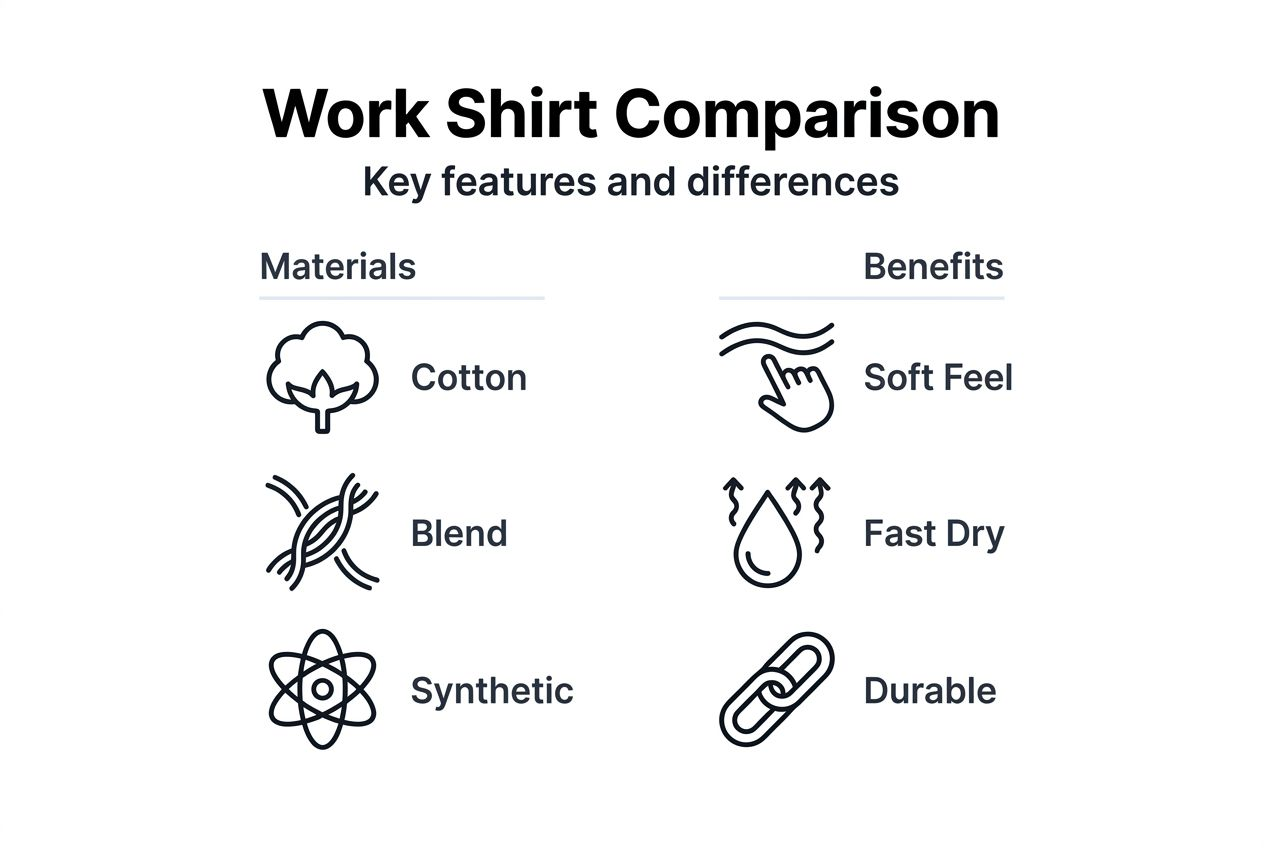
Ripstop synthetic fabrics provide maximum performance for the most demanding jobs. The reinforced grid pattern prevents small tears from spreading, crucial when working around sharp objects or rough surfaces. These shirts dry incredibly fast and handle abuse that would destroy cotton in weeks.
Trade-offs to consider:
- Cotton feels better initially but performs worse when you sweat
- Synthetics dry faster but may feel less natural against skin
- Water resistance reduces breathability slightly but keeps you dry in wet conditions
- Heavier fabrics offer more abrasion resistance but reduce breathability
For hot outdoor construction, prioritize UV protection and moisture-wicking over water resistance. In HVAC environments with temperature swings and potential moisture exposure, balance breathability with DWR coatings. Match your shirt choice to your most common working conditions rather than trying to find one perfect option.
Practical guidance on selecting and maintaining breathable work shirts
Making the right choice requires honest assessment of your work environment and following smart maintenance practices.
-
Evaluate your typical conditions. Track temperature ranges, sun exposure, and moisture levels throughout your workday. If you’re primarily outdoors in summer heat, prioritize maximum breathability and UV protection. Indoor work with occasional outdoor trips needs versatile performance.
-
Identify your primary discomfort sources. Is it heat buildup, moisture accumulation, or chafing from seams and straps? Target the specific problem with appropriate fabric technology or design features. Don’t pay for features you won’t use.
-
Test fabric performance claims. Many retailers offer satisfaction guarantees. Wear the shirt for a full shift and assess how it handles sweat, drying speed, and comfort during movement. Pay attention to how it performs at the end of a long day, not just the first hour.
-
Prioritize proven technologies. Look for established moisture-wicking treatments and fabric blends with track records. Read reviews from workers in similar trades rather than relying solely on marketing claims.
-
Consider your maintenance capacity. Some high-performance fabrics require specific washing conditions to maintain their properties. If you’re doing laundry at a laundromat or don’t have time for special care, choose more forgiving materials.
-
Build a rotation system. Having multiple shirts allows you to wash them properly without rushing. This extends overall lifespan and ensures you always have a fresh, fully functional shirt ready.
Pro Tip: Wash breathable work shirts inside out in cold water. This protects moisture-wicking finishes from abrasion and heat damage. Skip fabric softeners entirely as they coat fibers and reduce wicking performance. Air drying preserves technical features longest, but low heat tumble drying works if you’re short on time.
Maintenance practices that extend shirt life:
- Pre-treat stains with appropriate cleaners for grease, oil, or dirt
- Avoid chlorine bleach which degrades synthetic fibers and treatments
- Store shirts in a dry, ventilated area to prevent mildew
- Inspect seams and reinforcements regularly, repairing small issues before they spread
For comprehensive buying guidance, review tips for choosing breathable work shirts and tips for breathable waterproof workwear.
Enhance your workday with breathable gear from WorkwearComfort.com
Now that you understand what makes work shirts truly breathable and durable, it’s time to upgrade your workwear. WorkwearComfort.com specializes in apparel designed specifically for the demands of blue-collar trades.
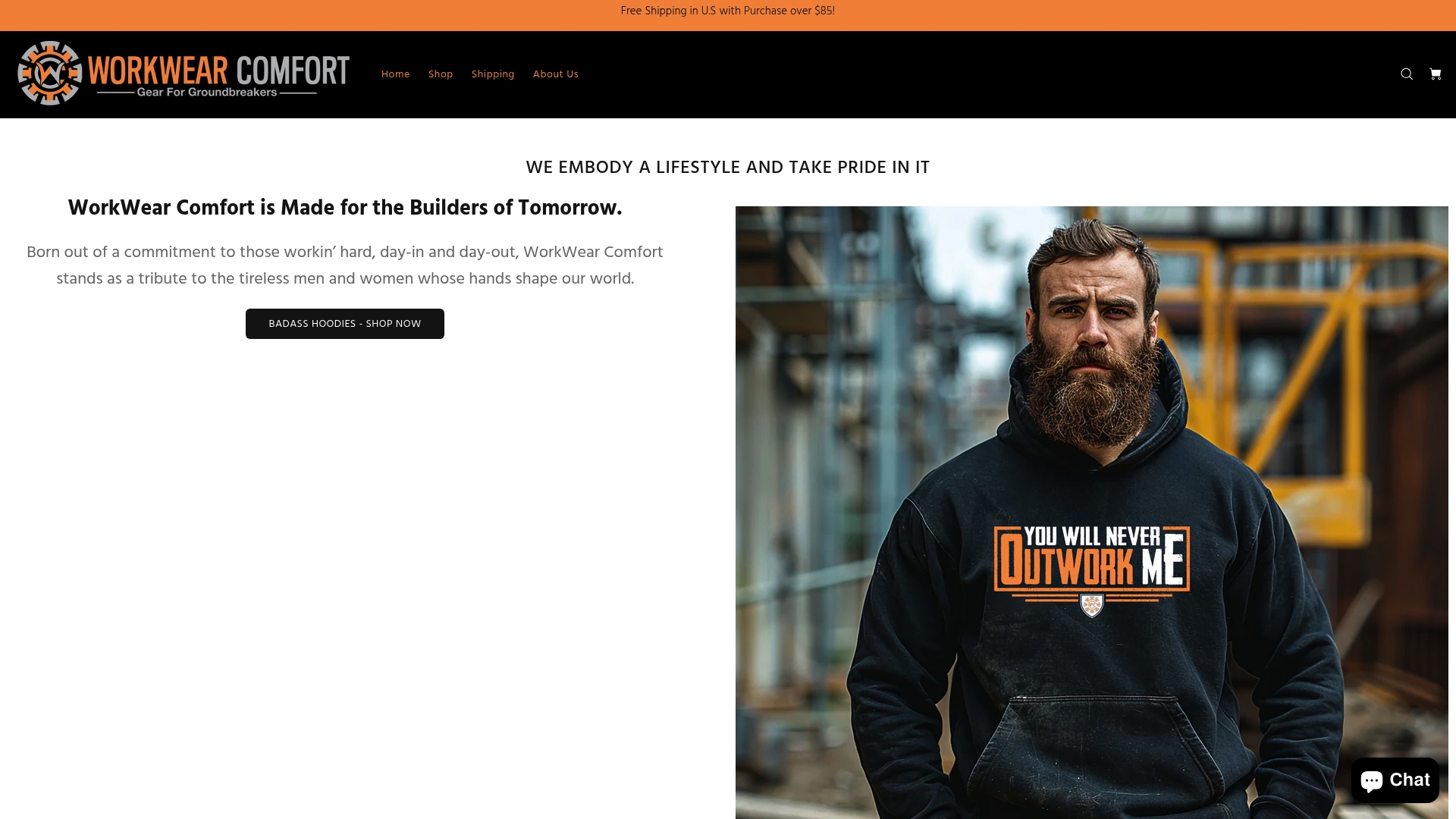
Our UPF 50 lightweight sun work hoodie blocks 98% of UV rays while maintaining excellent breathability for outdoor construction work. When temperatures drop, the Blue Collar Brotherhood hooded sweatshirt provides warmth without sacrificing mobility or comfort. Every piece in our collection emphasizes the durability and functionality that hardworking tradesmen demand. Explore our full range at WorkwearComfort.com to find gear that works as hard as you do.
FAQ
What fabric is best for breathable work shirts?
Polyester blends with moisture-wicking finishes typically offer superior breathability and faster drying compared to 100% cotton. These blends pull sweat away from skin and dry in 30 to 60 minutes versus several hours for cotton.
How do ventilation panels improve work shirt comfort?
Ventilation panels allow air circulation, lowering skin temperature by about 5°F and reducing sweat discomfort during physical work. Strategic placement across the back and underarms creates escape routes for hot, humid air trapped against your body.
Are cotton shirts less durable for construction work?
Cotton generally wears out faster under abrasion than polyester blends or ripstop fabrics, making synthetics better for durability. The natural fibers break down more quickly when exposed to friction from tool belts, rough surfaces, and repeated washing.
How should I care for breathable work shirts to maintain performance?
Follow manufacturer care instructions and avoid fabric softeners and high heat drying to extend moisture-wicking and durability. Wash inside out in cold water and air dry when possible to preserve technical finishes that enable breathability.
Recommended
- Understanding Breathable Long Sleeve Work Shirts for Professionals – WorkWearComfort
- 7 Tips for Choosing Breathable Work T Shirts for Comfort – WorkWearComfort
- 7 Tips for Choosing the Best Breathable Work Shirts – WorkWearComfort
- Breathable Work Polo Shirts: Comfort for Trades – WorkWearComfort
- Complete Guide to Humidity Proof Hairstyles - Joel C Ma Hair Studio
