

Finding work shirts that actually keep you comfortable during long shifts can feel impossible. Synthetic fabrics trap sweat and heavy cotton leaves you weighed down, especially in construction or outdoor trades. If your shirt causes overheating or restricts movement, it impacts not just your comfort, but also your safety and focus on the job.
Choosing the right work shirt means understanding what really works for breathability, moisture management, durability, and protection. You don’t have to guess—practical, science-backed features make a big difference in daily wear. These proven insights will help you select shirts that keep you cool and dry, move with you, and stand up to tough conditions.
Get ready to see which specific fabric properties and design details can transform your workday. Each item uncovers actionable tips that will change how you choose and care for your workwear, ensuring lasting comfort and performance.
Table of Contents
- 1. Understand The Importance Of Breathable Fabrics
- 2. Choose Shirts With Moisture-Wicking Technology
- 3. Look For Lightweight And Durable Materials
- 4. Evaluate Shirt Fit For Ease Of Movement
- 5. Check For Ventilation Features And Mesh Panels
- 6. Consider Sun Protection And Uv Ratings
- 7. Read Care Instructions For Long-Lasting Comfort
Quick Summary
| Takeaway | Explanation |
|---|---|
| 1. Choose breathable fabrics for comfort | Breathable fabrics regulate temperature and moisture, preventing overheating and discomfort during long shifts. |
| 2. Opt for moisture-wicking technology | Shirts with moisture-wicking properties keep you dry and cool by pulling sweat away from the skin, crucial for physical labor. |
| 3. Select lightweight, durable materials | Lightweight synthetic fabrics offer durability and protection without excessive weight, allowing for better mobility and comfort. |
| 4. Ensure proper shirt fit | A well-fitted shirt allows freedom of movement and reduces the risk of injury, essential for physically demanding jobs. |
| 5. Look for ventilation features | Shirts with mesh panels enhance airflow, helping to manage body temperature and prevent overheating during strenuous work. |
1. Understand the Importance of Breathable Fabrics
Breathable fabrics are more than just a comfort feature they’re a critical component of effective workwear for blue collar professionals. When you’re working long hours in challenging environments, the right fabric can make the difference between feeling miserable and staying comfortable throughout your shift.
Breathability matters because it directly impacts your body’s ability to regulate temperature and manage moisture. Fabrics that allow air circulation help prevent excessive sweating, reduce skin irritation, and keep you feeling dry. Moisture wicking properties are especially important for workers who spend time in hot or physically demanding environments.
The science behind breathable fabrics is fascinating. Materials like wool have a unique hydrophilic core that can absorb significant moisture and release it as vapor, creating a natural cooling effect. This means your shirt actively works to keep you comfortable, rather than trapping heat and sweat against your skin.
Professionals in construction, landscaping, and outdoor trades understand that clothing is more than just a uniform its a performance tool. Breathable fabrics help reduce heat stress, prevent chafing, and can even contribute to overall worker safety by maintaining a more stable body temperature.
When selecting breathable work shirts, look for fabrics like lightweight cotton blends, merino wool, and technical synthetics designed for moisture management. These materials offer superior air circulation and quick drying capabilities that traditional heavy cotton shirts simply cannot match.
Pro tip: Always choose work shirts with a loose weave and lightweight construction to maximize breathability and comfort during long work shifts.
2. Choose Shirts with Moisture-Wicking Technology
Moisture-wicking technology is a game changer for professionals working in physically demanding environments. Understanding how these advanced fabrics work can dramatically improve your comfort and performance during long work shifts.
At its core, moisture-wicking technology is about keeping you dry and cool. Advanced moisture-wicking fabrics utilize specialized fiber technologies that actively move sweat away from your skin. By pulling moisture to the fabric’s outer surface, these shirts create a cooling effect that helps regulate body temperature and prevents the discomfort of soggy, wet clothing.
The science behind moisture-wicking is fascinating. Synthetic blends like polyester and elastane are engineered with hydrophilic and hydrophobic fibers that efficiently transport sweat from your skin to the shirt’s exterior. This process enables rapid evaporation, which means you stay cooler and more comfortable even during intense physical labor.
When shopping for moisture-wicking work shirts, look for materials that combine performance with durability. Polyester blends, merino wool, and advanced synthetic fabrics offer the best combination of moisture management, breathability, and long-lasting wear. Avoid 100% cotton shirts, which tend to absorb and retain moisture, making you feel heavy and uncomfortable.
Workers in construction, landscaping, and outdoor trades will especially appreciate how moisture-wicking technology can reduce heat stress and improve overall comfort. By keeping your skin dry, these shirts help prevent chafing, reduce the risk of overheating, and allow you to focus on your work without distraction.
Pro tip: Choose moisture-wicking shirts with a loose fit to maximize air circulation and enhance the fabric’s natural cooling capabilities.
3. Look for Lightweight and Durable Materials
Choosing the right fabric for your work shirt is more than just a fashion decision it can significantly impact your comfort and performance on the job. Lightweight and durable materials are the backbone of effective workwear for professionals who need clothing that can withstand tough conditions.
Synthetic fabrics like polyester offer an exceptional balance between weight, strength, and performance. These materials are engineered to provide maximum protection without weighing you down, making them ideal for construction workers, landscapers, and other trade professionals who need reliable clothing that moves with them.
The key to selecting the right work shirt is understanding material properties. Polyester blends and nylon offer remarkable durability while remaining lightweight. These synthetic fabrics resist tearing, maintain their shape, and dry quickly compared to traditional cotton shirts. Natural fibers like hemp and wool can also provide excellent durability with added breathability, giving you multiple options for high performance workwear.
Consider the specific demands of your work environment when selecting materials. Jobs requiring frequent movement or exposure to rough surfaces need shirts that can handle abrasion without falling apart. Synthetic blends provide superior resistance to wear and tear, ensuring your shirt remains functional through multiple work seasons.
Material weight plays a critical role in worker comfort. Heavier fabrics can cause fatigue and restrict movement, while lightweight materials allow for better air circulation and less physical strain. Modern work shirts use advanced textile technologies to create thin, strong fabrics that protect without feeling restrictive.
Pro tip: Always check the fabric weight and composition before purchasing a work shirt, and select materials that match the specific environmental challenges of your job.
4. Evaluate Shirt Fit for Ease of Movement
The right work shirt should feel like a second skin comfortable, flexible, and supporting your body through every task. Proper shirt fit is critical for preventing workplace injuries and maintaining peak performance.
Workwear fit goes beyond simple measurements. It is about understanding how clothing interacts with your body during physical activities. A well fitted shirt provides strategic room around key movement areas shoulders, arms, and torso allowing you to bend, reach, and stretch without restriction.
Professionals in construction, landscaping, and manual trades need shirts that move with them. This means looking for designs with articulated sleeves, gusseted underarms, and slightly looser cuts that accommodate dynamic physical work. Avoid shirts that bunch up, pull tight, or restrict your natural range of motion.
Consider the specific demands of your work environment when selecting fit. Jobs requiring frequent overhead work need shirts with extended shoulder room. Roles involving repetitive motions benefit from shirts with stretch panels or athletic fit designs that provide maximum mobility.
Remember that fit is not just about comfort it is a safety consideration. Shirts that are too loose can snag on machinery, while overly tight clothing can limit circulation and reduce your ability to perform tasks efficiently. The ideal work shirt strikes a precise balance between comfort, protection, and unrestricted movement.
Pro tip: When trying on a work shirt, perform a series of stretching and reaching movements to test its full range of motion before making a purchase.
5. Check for Ventilation Features and Mesh Panels
Ventilation is not just a luxury in work shirts it is a critical component of comfort and safety for professionals working in demanding environments. Ventilation features can significantly improve your work experience by managing body temperature and reducing heat stress.
Mesh panels and strategic ventilation zones transform an ordinary work shirt into a high performance garment. These sophisticated design elements are strategically placed in areas that generate the most heat such as underarms, back, and side panels. By creating channels for air circulation, these features help regulate body temperature and prevent excessive sweating.
For professionals in construction, landscaping, and outdoor trades, effective ventilation is more than comfort it is about maintaining peak performance. Mesh panels allow heat to escape while permitting cool air to flow through the shirt. This dynamic air exchange helps prevent overheating, reduces moisture buildup, and keeps you feeling fresh during long and physically demanding work shifts.
When shopping for work shirts, look for designs with specialized ventilation technologies. Perforated fabrics, strategically placed mesh inserts, and lightweight materials with open weave structures all contribute to enhanced breathability. Consider shirts with zippered or buttoned ventilation ports that can be adjusted based on temperature and activity level.
Remember that ventilation is not just about comfort it is a safety consideration. Shirts with poor air circulation can lead to excessive sweating, increased risk of heat related illnesses, and decreased work performance. Investing in a shirt with intelligent ventilation design is an investment in your professional effectiveness and personal well being.
Pro tip: When trying on work shirts, raise your arms and simulate work movements to assess how effectively the mesh panels and ventilation features perform in real world conditions.
6. Consider Sun Protection and UV Ratings
Sun protection is not just a health recommendation it is a critical safety consideration for professionals who spend extended hours working outdoors. UPF ratings are your first line of defense against harmful ultraviolet radiation.
Ultraviolet Protection Factor represents how effectively a fabric blocks damaging sun rays. A UPF rating of 50+ means the shirt blocks 98% of UV radiation providing significant protection against skin damage, sunburn, and long term health risks associated with sun exposure.
Professionals in construction, landscaping, agriculture, and outdoor trades are particularly vulnerable to prolonged sun exposure. Choosing work shirts with high UPF ratings is more than a comfort choice it is a critical health strategy. Lightweight, long sleeved shirts with UPF protection can dramatically reduce your risk of skin cancer and premature aging.
When evaluating work shirts, look for specific UPF ratings printed on the label. Fabrics with tight weaves, darker colors, and synthetic materials typically offer better sun protection. Some advanced shirts incorporate special treatments that enhance UV blocking capabilities without compromising breathability or comfort.
Remember that not all clothing provides equal protection. Regular cotton shirts might only offer a UPF rating of 5 10, which is insufficient for comprehensive sun protection. Specialized workwear with UPF 50+ ratings create a reliable barrier against both UVA and UVB radiation, ensuring your skin remains protected during long work shifts.
Pro tip: Rotate and replace your sun protective work shirts periodically, as repeated washing and wear can gradually reduce the fabric’s UV blocking effectiveness.
7. Read Care Instructions for Long-Lasting Comfort
Your work shirt is an investment and proper care can significantly extend its performance and lifespan. Care labels provide crucial guidance for maintaining the quality and functionality of your breathable workwear.
Care instructions are not just suggestions they are a blueprint for preserving your shirt’s technical properties. Different fabrics require specific washing, drying, and handling techniques to maintain their breathability, moisture-wicking capabilities, and overall structural integrity.
Understanding fabric-specific care requirements can prevent common issues like shrinkage, color fading, and loss of performance features. Synthetic performance fabrics often need gentler washing cycles, while natural fibers like wool require specialized detergents and careful handling to maintain their unique moisture management properties.
Pay close attention to temperature recommendations, detergent types, and drying instructions. Some high performance work shirts may require cold water washing, avoiding fabric softeners, and air drying to preserve their technical features. Ignoring these guidelines can compromise the shirt’s breathability, UV protection, and moisture management capabilities.
Consider keeping a small reference guide or taking smartphone photos of care labels to ensure you always have the correct washing instructions. Proper maintenance not only extends the life of your work shirt but also ensures it continues to provide the comfort and performance you depend on during demanding work environments.
Pro tip: Turn your work shirts inside out before washing to protect exterior fabrics and preserve color and technical performance features.
Below is a comprehensive table summarizing the key considerations and strategies from the article “Choosing Effective Work Shirts for Blue Collar Professionals” as discussed throughout its content.
| Feature | Explanation | Benefits |
|---|---|---|
| Breathable Fabrics | Fabrics that allow air circulation, such as lightweight cotton blends and merino wool. | Enables temperature regulation, prevents excessive sweating, and reduces heat stress. |
| Moisture-Wicking Technology | Advanced fibers that draw sweat away from the skin for rapid evaporation. | Keeps the skin dry, prevents chafing, and improves comfort in hot or demanding environments. |
| Lightweight Materials | Usage of fabrics like polyester blends that balance durability with reduced fabric weight. | Improves comfort, reduces fatigue, and performs well in challenging work conditions. |
| Ergonomic Fit | Design elements such as articulated sleeves and slightly looser cuts to facilitate motion. | Prevents restriction, offers ease of movement, and increases overall work safety. |
| Ventilation Features | Mesh panels and perforated fabrics for additional airflow in heat-prone areas. | Enhances breathability, reduces moisture buildup, and prevents overheating during tasks. |
| Sun Protection Ratings (UPF) | Fabrics rated for UV protection, such as UPF 50+. | Shields skin from harmful sun rays, reducing risks like sunburn and long-term damage. |
| Appropriate Care Instructions | Observing specified garment care techniques to preserve fabric integrity over time. | Extends the garment’s functional lifespan and maintains its technical properties effectively. |
Elevate Your Work Comfort with the Right Gear
Choosing breathable work shirts with moisture-wicking technology and sun protection is essential for staying comfortable and safe. You want durable, lightweight materials that move with you and ventilation features that keep you cool during long shifts. Avoid sweat-soaked shirts that weigh you down or offer little protection from the sun.
Discover how Blue-Collar Working Man Sweatshirt Hoodies – WorkWearComfort - WorkWear Comfort combine toughness, breathability, and UPF protection in one rugged design.
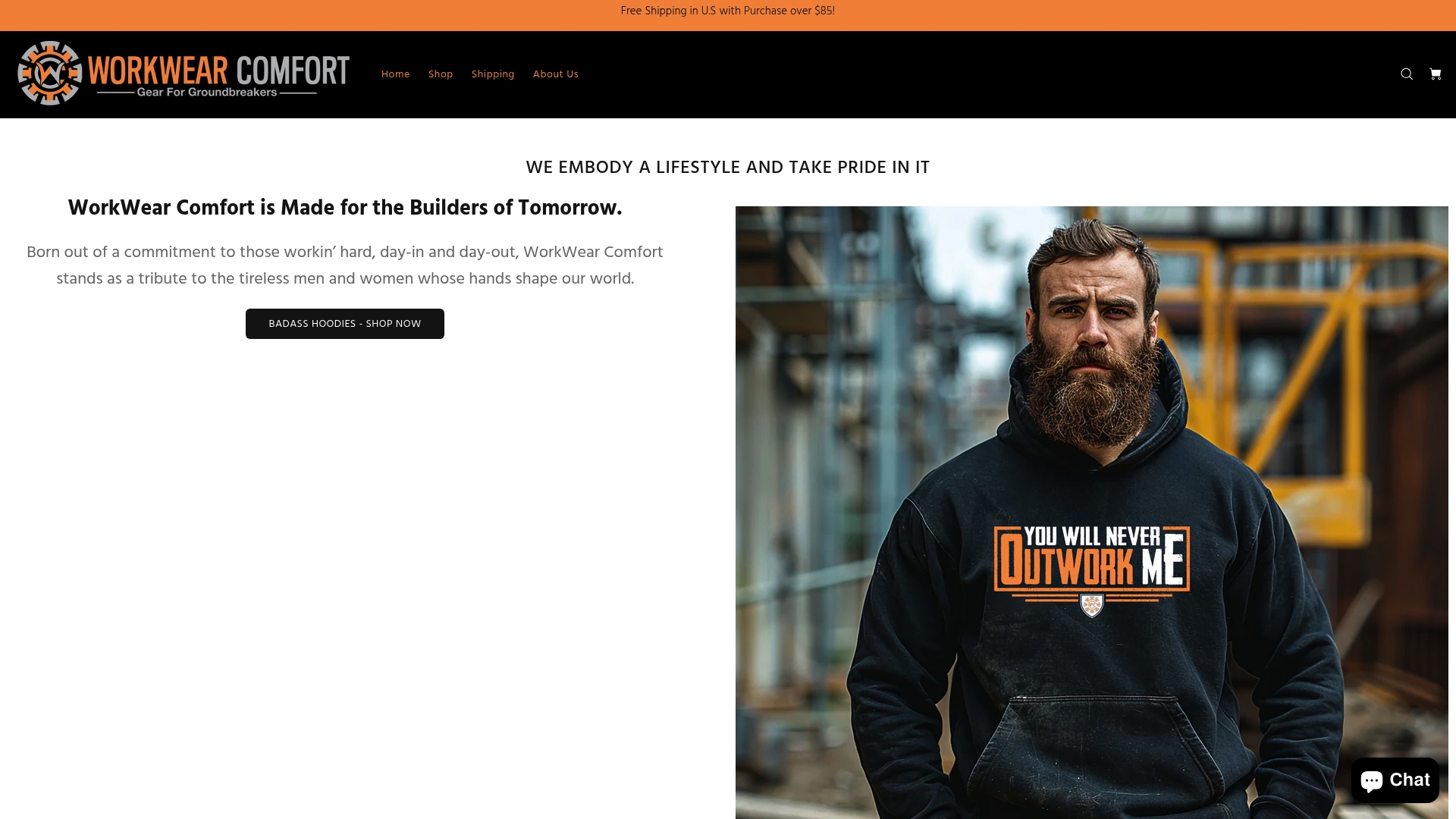
Don’t settle for less when your work demands the best. Explore the full range at WorkWearComfort.com today and experience workwear built for resilience and comfort. Check out our UPF 50+ Sun Protection Hoodie - WorkWear Comfort for superior sun defense along with style and durability. Invest now in your comfort and safety on the job with gear designed to work as hard as you do.
Frequently Asked Questions
What should I look for in breathable work shirts?
Breathable work shirts should have moisture-wicking properties, lightweight materials, and a loose fit for maximum comfort. Choose materials like lightweight cotton blends, merino wool, or technical synthetics that promote air circulation.
How do moisture-wicking fabrics work in work shirts?
Moisture-wicking fabrics pull sweat away from your skin to the outer surface, allowing it to evaporate quickly. Look for shirts made of synthetic blends, like polyester and elastane, which enhance ventilation and keep you dry during physically demanding tasks.
Why is fit important when selecting a work shirt?
A proper fit prevents restriction of movement and promotes comfort, which is essential for avoiding workplace injuries. Try on shirts and perform stretching movements to ensure they allow full range of motion before making a purchase.
How can ventilation features impact my work shirt’s performance?
Ventilation features, like mesh panels, enhance airflow, helping to regulate body temperature and reduce sweating. Look for shirts with strategically placed ventilation zones to help you stay cool even during intense work shifts.
What does UPF mean in relation to work shirts?
UPF stands for Ultraviolet Protection Factor, indicating how well a fabric blocks ultraviolet rays from the sun. Choose work shirts with a UPF rating of 50+ for effective protection against harmful UV radiation, especially if you work outdoors.
How should I care for my breathable work shirts?
Follow the care labels for specific washing and drying instructions to maintain the shirt’s performance features. For example, turn the shirts inside out before washing to protect the outer fabric and preserve color.
Recommended
- Best Workwear for Hot Weather: Stay Cool & Protected in 2025 - WorkWear Comfort
- 7 Essential Tips for Choosing Breathable Workwear - WorkWear Comfort
- Understanding Breathable Long Sleeve Work Shirts for Professionals – WorkWearComfort
- Understanding Sweatshirts: Versatile Apparel Explained – WorkWearComfort
- Musou Tower unisex T-shirt – Musou Black special shirt for the Samurai – Dekoja.net
