

Wearing the wrong t-shirt to work can leave you sweaty, overheated, and struggling to stay comfortable on the job. Finding a shirt that truly helps you stay dry and cool all day can feel overwhelming with so many options on the shelves. The right knowledge makes a real difference—certain fabrics, construction details, and design features set the best work t-shirts apart from the rest.
This guide brings together the most practical strategies to help you pick a breathable work t-shirt that actually performs where it counts. You’ll learn how factors like moisture management, fabric weight, and special technologies impact your comfort and long-term durability.
Get ready to discover specific, expert-backed traits that will make your next work t-shirt your most comfortable one yet. Each insight below is designed to give you an immediate advantage when making your choice.
Table of Contents
- Understand Fabric Types For Maximum Breathability
- Check Moisture Wicking Features For Sweat Control
- Look For Lightweight Construction To Reduce Heat
- Select Durable Materials For Rugged Performance
- Evaluate Fit And Cut For Better Airflow
- Consider Upf Protection For Outdoor Worksites
- Compare Brand Options For Quality And Reliability
Quick Summary
| Takeaway | Explanation |
|---|---|
| 1. Choose the right fabric type | Select breathable fabrics like cotton blends or synthetic materials for better moisture control and comfort during work. |
| 2. Look for moisture-wicking features | Prioritize work t-shirts with advanced moisture-wicking technology to keep sweat away and improve overall comfort. |
| 3. Opt for lightweight construction | Lightweight fabrics enhance breathability and airflow, keeping you cool and reducing fatigue in hot environments. |
| 4. Consider durability in materials | Choose high-quality, durable fabrics that resist wear and tear, ensuring your work t-shirt lasts longer. |
| 5. Evaluate fit for optimal airflow | A well-fitted t-shirt allows for better air circulation, which is essential for temperature regulation during physical tasks. |
1. Understand Fabric Types for Maximum Breathability
Choosing the right fabric is crucial for creating a breathable work t-shirt that keeps you comfortable during long, demanding workdays. Not all fabrics are created equal when it comes to moisture management and temperature regulation.
Breathability is fundamentally about how well a fabric can transfer moisture and heat away from your body. Advanced textile technologies are now enabling fabrics that can dynamically adapt to environmental conditions, offering unprecedented comfort for workers.
Key fabric types for maximum breathability include:
- Cotton blends: Lightweight and natural, but can retain moisture
- Polyester: Excellent moisture-wicking properties
- Merino wool: Natural temperature regulation
- Synthetic performance fabrics: Engineered for maximum moisture transfer
Breathability depends on the fabric’s ability to allow moisture vapor to pass through its layers efficiently.
When evaluating breathable fabrics, consider these critical factors:
- Moisture-wicking capability
- Fabric weight
- Fiber composition
- Weave density
Performance synthetic fabrics typically outperform traditional materials by creating microscopic channels that quickly move sweat away from your skin. These advanced materials can transfer moisture vapor through physical or chemical mechanisms, ensuring you stay dry and comfortable.
Pro tip: Look for work t-shirts with a blend of synthetic fibers and choose lightweight, tight-knit fabrics that offer both breathability and durability.
2. Check Moisture Wicking Features for Sweat Control
Sweat control is critical for maintaining comfort and productivity during long workdays, especially in physically demanding environments. Understanding moisture management technology can make a significant difference in your workwear performance.
Advanced moisture wicking technology allows fabrics to transport sweat away from your skin quickly and efficiently. Synthetic materials like polyester excel at this task by creating microscopic channels that move moisture across the fabric surface.
Key characteristics of effective moisture-wicking work t-shirts include:
- Rapid sweat absorption
- Quick drying capabilities
- Minimal fabric saturation
- Reduced skin dampness
Moisture-wicking fabrics pull sweat away from the body and spread it over a larger surface area for faster evaporation.
When evaluating moisture management, consider these critical factors:
- Fabric fiber composition
- Surface area of moisture transfer
- Speed of moisture evaporation
- Fabric weight and thickness
Synthetic performance fabrics are scientifically engineered to control sweat and enhance comfort. Unlike cotton, which absorbs and retains moisture, these advanced materials actively move liquid away from your skin.
Pro tip: Always check the fabric label for moisture-wicking percentages and look for terms like “quick-dry” or “performance” to ensure optimal sweat management.
3. Look for Lightweight Construction to Reduce Heat
When working in hot environments, your clothing can make a significant difference in comfort and performance. Lightweight construction is more than just a fashion choice - it’s a critical factor in managing body temperature and reducing fatigue.
Lightweight materials are engineered to provide maximum breathability with minimal fabric weight. These advanced textiles are designed to help your body regulate temperature more effectively, keeping you cool and comfortable during demanding work conditions.
Key benefits of lightweight work t-shirts include:
- Reduced thermal load
- Faster moisture evaporation
- Enhanced air circulation
- Minimized heat retention
- Improved overall comfort
Lightweight materials balance low density with high performance, creating clothing that supports worker productivity.
When selecting a lightweight work t-shirt, consider these important factors:
- Fabric weight per square yard
- Weave density
- Material composition
- Thermal conductivity
The science behind lightweight performance wear involves strategic material engineering that maintains strength while reducing overall mass. Synthetic fibers like polyester and nylon are often used to create shirts that feel almost weightless but provide exceptional functionality.
Pro tip: Hold the t-shirt up to the light and check its transparency - a more translucent fabric typically indicates better breathability and lighter construction.
4. Select Durable Materials for Rugged Performance
Workwear isn’t just clothing - it’s your professional armor against harsh work environments. Selecting the right materials can mean the difference between a t-shirt that falls apart after a few weeks and one that becomes a reliable companion through countless challenging jobs.
Durable material selection is about understanding how specific fabric compositions resist wear, tear, and repeated stress. Your work t-shirt needs to withstand more than just daily use - it must survive demanding physical labor, exposure to rough surfaces, and repeated washing.
Key characteristics of durable work t-shirts include:
- Reinforced fabric weaves
- High tensile strength fibers
- Resistance to abrasion
- Minimal fabric breakdown
- Consistent performance under stress
A truly durable work t-shirt protects your investment by lasting longer and maintaining its functional properties.
Consider these critical factors when evaluating material durability:
- Fiber composition
- Fabric weight
- Weave density
- Textile treatment techniques
Synthetic and blended materials often provide superior performance in workwear applications. Polyester and nylon blends, for instance, offer remarkable strength-to-weight ratios that resist stretching, tearing, and degradation.
Pro tip: Perform a simple durability test by gently stretching the fabric and checking how quickly it returns to its original shape - high-quality materials will bounce back immediately.
5. Evaluate Fit and Cut for Better Airflow
Your work t-shirt’s design is more than just a style choice - it’s a critical component of your comfort and performance. Strategic garment fit can dramatically improve your body’s ability to regulate temperature and manage moisture during demanding work conditions.
Airflow principles reveal that clothing cut significantly impacts thermal comfort. The right fit creates natural ventilation channels that help your body cool down more efficiently.
Key characteristics of an optimal work t-shirt fit include:
- Relaxed shoulder area
- Slightly loose body cut
- Minimal fabric restriction
- Strategic ventilation zones
- Room for air circulation
A well-designed work t-shirt acts like a personal cooling system, actively managing heat and moisture.
Consider these critical fit evaluation factors:
- Range of motion
- Fabric drape
- Strategic side vents
- Shoulder and armpit design
Understanding airflow fundamentals for clothing means recognizing that looser does not always mean baggy. The goal is a cut that allows air movement without excess fabric bulk.
Pro tip: When trying on a work t-shirt, raise your arms and do a few simulated work motions to ensure the cut allows unrestricted movement and natural airflow.
6. Consider UPF Protection for Outdoor Worksites
For workers spending long hours under direct sunlight, your choice of work t-shirt can be more than a comfort issue - it’s a critical health protection strategy. Sun protection through clothing offers an essential defense against harmful ultraviolet radiation.
UPF protection technologies are scientifically designed to block dangerous solar radiation, significantly reducing your risk of skin damage and long-term health complications.
Key benefits of UPF-rated work t-shirts include:
- Blocks up to 98% of UV rays
- Prevents sunburn
- Reduces skin cancer risk
- Lightweight and breathable
- Constant protection without reapplication
A UPF 50+ rated shirt provides superior protection equivalent to wearing robust sunscreen all day.
When evaluating UPF protection, consider these critical factors:
- UPF rating level
- Fabric density
- Color and weave
- Moisture-wicking capabilities
Understanding ultraviolet protection ratings means recognizing that not all fabrics offer equal protection. Higher ratings mean more comprehensive shielding from harmful solar radiation.
Pro tip: Choose darker colored shirts with tighter weaves for maximum UPF protection, and remember that a UPF rating of 50+ blocks approximately 98% of ultraviolet rays.
7. Compare Brand Options for Quality and Reliability
Choosing the right work t-shirt brand goes far beyond simple aesthetics - it’s about investing in performance, durability, and professional standards. Brand selection matters significantly when your workwear needs to withstand challenging environments.
Brand evaluation platforms now provide unprecedented transparency in comparing manufacturers based on quality, sustainability, and reliability. Understanding these metrics helps workers make informed purchasing decisions.
Key factors when comparing work t-shirt brands include:
- Manufacturing standards
- Material quality
- Fabric performance
- Customer service reputation
- Price-to-value ratio
Not all work t-shirt brands are created equal - research separates the exceptional from the ordinary.
Consider these critical brand comparison strategies:
- Check manufacturing origin
- Review customer feedback
- Assess fabric technology
- Evaluate warranty and replacement policies
American-made brands often prioritize t-shirt quality and craftsmanship with rigorous production standards that set them apart from international competitors.
Pro tip: Request fabric samples or purchase a single shirt first to personally evaluate the brand’s quality before committing to a full wardrobe investment.
Below is a comprehensive table summarizing the main concepts and recommendations discussed throughout the article regarding choosing optimal work t-shirts for comfort and functionality.
| Topic | Key Recommendations | Benefits |
|---|---|---|
| Fabric types | Choose synthetic performance fabrics or cotton blends. | Improved breathability and moisture management. |
| Moisture wicking | Opt for fabrics designed for quick sweat evaporation. | Enhanced dryness and comfort. |
| Lightweight materials | Select lightweight fabrics with proper weave density. | Reduced thermal load and improved air circulation. |
| Durability | Focus on reinforced weaves and high-strength fibers. | Prolonged garment lifespan and resistance to wear. |
| Fit and cut | Consider relaxed fits with ventilation zones. | Better airflow and unrestricted movement. |
| UPF sun protection | Look for UPF-rated materials for outdoor work. | Reduced risk of skin damage from UV exposure. |
| Brand evaluation | Research brands for quality and durability. | Reliable investment and trustworthy performance. |
Experience Ultimate Comfort with Breathable Work T-Shirts from WorkWearComfort
Choosing breathable work t-shirts that combine moisture-wicking technology, lightweight construction, and durable materials can dramatically improve your comfort and productivity on the job. If you are tired of sweat-soaked shirts and restrictive fits that limit airflow and movement, it is time to upgrade your workwear with apparel designed specifically for hardworking professionals like you. Our collection prioritizes advanced breathability, moisture management, and rugged durability to keep you cool, dry, and focused throughout the workday.
Explore our wide range of Mens Work T-shirts – WorkWearComfort that embody smart fabric technology and strategic fit. Whether you need extra protection under the sun or crave lightweight options for hot conditions, our UPF 50+ Sun Protection Work Hoodie – WorkWearComfort offers breathable sun defense without compromising comfort. See how our durable, functional designs meet the toughest worksite demands while reflecting the strength and resilience of blue-collar life.
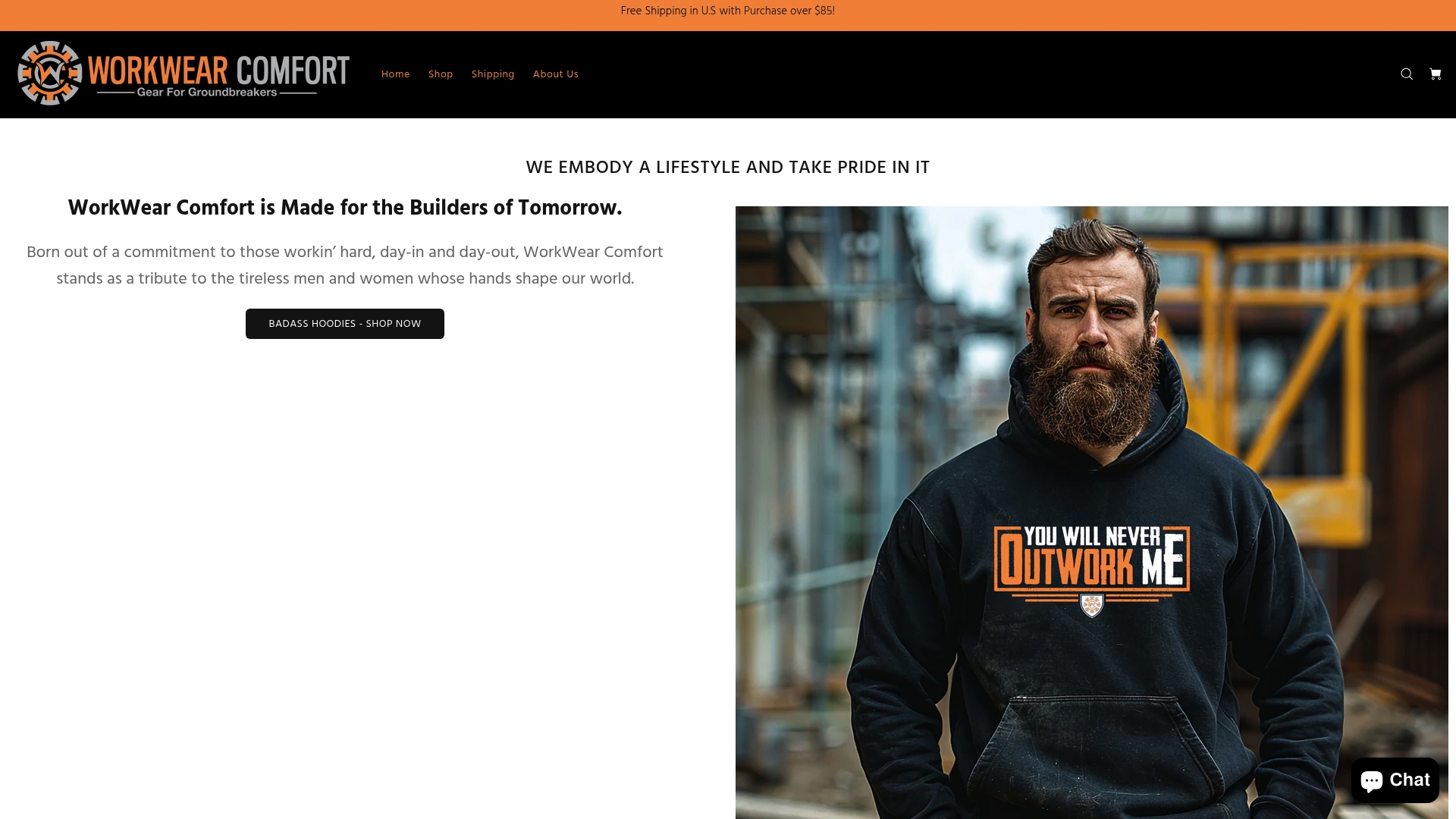
Don’t settle for anything less than apparel engineered for your hard work. Visit WorkWearComfort.com now to find your perfect breathable work t-shirt and step into reliable comfort every day. Upgrade your wardrobe today and experience the difference of workwear built for true professionals.
Frequently Asked Questions
What types of fabric should I look for in a breathable work t-shirt?
Choosing breathable work t-shirts involves looking for fabrics that enhance moisture management and air circulation. Prioritize types like polyester for moisture-wicking, cotton blends for comfort, and synthetic performance fabrics for optimal breathability.
How can I evaluate moisture-wicking features in work t-shirts?
To evaluate moisture-wicking features, check for rapid sweat absorption and quick-drying capabilities. Look for fabric labels that specify moisture-wicking percentages to ensure effective sweat management.
What characteristics indicate a lightweight work t-shirt?
A lightweight work t-shirt should have a low fabric weight, enhanced air circulation, and minimal heat retention. When shopping, consider holding the t-shirt up to the light to gauge its transparency, as a more translucent fabric usually indicates better breathability.
How can I determine the durability of work t-shirts?
Assess durability by examining the fabric weight, weave density, and the fiber composition. Perform a stretch test on the fabric; high-quality materials will return to their original shape quickly, indicating superior strength.
What fit should I look for to improve airflow in work t-shirts?
For better airflow, look for work t-shirts that have a slightly loose fit around the body and relaxed shoulder areas. Ensure the design allows for strategic ventilation through side vents and sufficient room for air circulation during movement.
How important is UPF protection in work t-shirts for outdoor environments?
UPF protection is crucial for outdoor work t-shirts as it helps block harmful UV rays, reducing your risk of skin damage. Choose UPF-rated shirts and opt for higher ratings, such as UPF 50+, to ensure maximum protection against the sun.
Recommended
- Best Workwear for Hot Weather: Stay Cool & Protected in 2025 - WorkWear Comfort
- Breathable Work Polo Shirts: Comfort for Trades – WorkWearComfort
- 7 Essential Tips for Choosing Breathable Workwear - WorkWear Comfort
- 7 Must-Know Tips for Choosing Warm Weather Work Clothes – WorkWearComfort
- Understanding the Best Fabrics for Hot Weather - DressMeUpNY
