

Working outdoors or in hot environments can leave you drenched in sweat, distracted by discomfort, and worried about sun exposure. Finding work clothes that actually help you stay cool, dry, and safe is a challenge many face when summer arrives. The solution is choosing gear with the right features to manage heat, wick away moisture, and block harmful sun rays.
This list shows you how to pick warm weather work clothes that deliver the comfort and protection you need. Discover actionable tips to help you move easily, prevent heat stress, and keep your skin safe. Each method taps into proven fabric technologies and design choices so you can focus on getting your job done instead of battling the heat.
Table of Contents
- 1. Pick Breathable Fabrics For Maximum Airflow
- 2. Choose Moisture-Wicking Material For Dry Comfort
- 3. Look For UPF Protection Against Sun Exposure
- 4. Select Lightweight Styles That Don’t Sacrifice Durability
- 5. Opt For Relaxed Fits To Boost Movement And Comfort
- 6. Prioritize Ventilated Features Like Mesh Panels
- 7. Include Accessories That Enhance Hot Weather Protection
Quick Summary
| Key Message | Explanation |
|---|---|
| 1. Choose Breathable Fabrics | Select fabrics that facilitate airflow and moisture escape to enhance comfort in hot conditions. |
| 2. Opt for Moisture-Wicking Materials | Use materials that actively draw sweat away, improving comfort and reducing heat stress. |
| 3. Look for UPF Sun Protection | Wear clothing with UPF ratings to shield against harmful UV radiation while working outdoors. |
| 4. Select Lightweight Yet Durable Styles | Choose garments that balance comfort and strength without sacrificing protection in demanding environments. |
| 5. Prioritize Relaxed Fits | Favor relaxed-fit clothing to enhance movement and air circulation, promoting comfort and safety during work activities. |
1. Pick Breathable Fabrics for Maximum Airflow
Staying comfortable during long work hours in hot weather starts with selecting the right fabrics. When temperatures rise, your clothing can make the difference between enduring the heat and struggling through your workday.
Breathable fabrics are essential for workers exposed to warm environments because they allow moisture and heat to escape. The science behind breathability involves creating pathways for air and water vapor to move through the fabric, which helps regulate body temperature and prevent excessive sweating.
Key characteristics of breathable work clothing include:
- Natural fibers like wool that absorb and release moisture
- Lightweight materials with open weave structures
- Fabrics with moisture wicking properties
- Mesh or perforated design elements
Moisture transmission mechanisms play a critical role in keeping workers cool. Fabrics with microporous or hydrophilic coatings enable sweat to evaporate quickly, creating a cooling effect that prevents overheating.
Breathable clothing isn’t just about comfort - it’s about maintaining worker safety and performance in challenging environments.
When shopping for warm weather work clothes, prioritize materials like:
- Lightweight cotton blends
- Performance synthetics with moisture management
- Merino wool for natural temperature regulation
- Technical fabrics designed for outdoor work
Pro tip: Test fabric breathability by holding the material up to light - more visible spaces between fibers typically indicate better airflow and moisture management.
2. Choose Moisture-Wicking Material for Dry Comfort
Workwear that keeps you dry is more than just a comfort feature - it’s a critical safety consideration for professionals working in warm environments. Understanding how moisture-wicking fabrics work can transform your workday experience.
Moisture-wicking materials are engineered to actively manage sweat by moving moisture away from your skin through specialized fabric technologies. These innovative textiles use synthetic fibers with unique properties that pull sweat from your body and facilitate rapid evaporation.
Key benefits of moisture-wicking work clothes include:
- Reduced risk of heat stress
- Enhanced worker comfort
- Faster cooling through evaporation
- Prevention of skin irritation and chafing
- Improved overall performance in hot conditions
Synthetic fabrics like polyester are particularly effective because they combine hydrophobic and hydrophilic fiber characteristics. This means the inside of the fabric repels water while the outside actively spreads moisture for quick drying.
Moisture management isn’t just about comfort - it’s about maintaining worker safety and productivity in challenging environments.
When selecting moisture-wicking work clothing, look for:
- Performance polyester blends
- Lightweight synthetic materials
- Fabrics with mesh or perforated designs
- Advanced moisture management technologies
Pro tip: Test a fabric’s moisture-wicking capabilities by applying a few water drops - if they quickly spread and disappear, you’ve found an excellent moisture-managing material.
3. Look for UPF Protection Against Sun Exposure
Outdoor workers face significant risks from prolonged sun exposure, making protective clothing a critical safety measure. Understanding UPF protection can help you shield yourself from harmful ultraviolet radiation during long workdays.
UPF ratings indicate how effectively clothing blocks UV rays, with higher numbers providing greater protection. A UPF 50+ garment allows only 1/50th of the sun’s ultraviolet radiation to reach your skin, dramatically reducing your risk of sunburn and long-term skin damage.
Key benefits of UPF-rated workwear include:
- Blocks both UVA and UVB radiation
- Provides consistent sun protection
- Reduces skin cancer risk
- Works even when you’re sweating
- Prevents premature skin aging
Most effective UPF clothing uses specialized techniques like:
- Tightly woven fabric structures
- UV-absorbing chemical treatments
- Darker colored materials
- Synthetic fibers with inherent sun-blocking properties
Workplace sun protection isn’t optional - it’s a critical component of worker safety and long-term health.
Pro tip: Check your clothing’s UPF rating before outdoor work - anything rated 30-50+ provides excellent protection against harmful solar radiation.
4. Select Lightweight Styles That Don’t Sacrifice Durability
For workers battling hot environments, finding workwear that balances lightweight comfort with rugged performance is critical. Sustainable fabric technologies have revolutionized how professionals can stay cool without compromising protection.
The key is selecting materials that offer both breathability and strength. Modern work clothing achieves this through innovative fabric engineering that combines natural and synthetic fibers designed to withstand demanding conditions while maintaining wearer comfort.
Advantages of lightweight yet durable workwear include:
- Enhanced mobility during physical tasks
- Reduced heat stress
- Faster moisture evaporation
- Improved overall worker comfort
- Extended garment lifespan
Top fabric choices for warm weather work clothing:
- Organic hemp blends
- Moisture-wicking synthetic materials
- Lightweight ripstop cotton
- Performance polyester composites
Lightweight doesn’t mean weak - the right fabric can provide superior protection without weighing you down.
Pro tip: Always check fabric weight and weave density when selecting warm weather work clothes - a tight weave ensures durability even in lightweight garments.
5. Opt for Relaxed Fits to Boost Movement and Comfort
Workwear that restricts movement can turn a challenging job into an uncomfortable ordeal. OSHA safety guidelines emphasize the importance of clothing that allows workers to move freely and stay cool.
Relaxed-fit work clothing isn’t just about comfort - it’s a strategic approach to maintaining performance and preventing heat stress. By allowing air circulation between the fabric and your skin, loose garments create a natural cooling mechanism that keeps you comfortable during demanding physical tasks.
Benefits of choosing relaxed-fit work clothes include:
- Enhanced air circulation
- Reduced risk of heat-related illnesses
- Greater range of motion
- Improved overall worker comfort
- Less fabric friction during movement
Key characteristics of ideal relaxed-fit workwear:
- Roomy shoulders and arms
- Gentle tapering that doesn’t restrict movement
- Extra space around core muscle groups
- Flexible fabric with slight give
Proper clothing fit is more than a comfort issue - it’s a critical component of workplace safety and performance.
Pro tip: When trying on work clothes, perform a few stretching and reaching movements to ensure the garment allows full range of motion without binding or restricting.
6. Prioritize Ventilated Features Like Mesh Panels
In the battle against workplace heat, strategic clothing design can be your most powerful ally. Ventilation strategies have revolutionized how workers stay cool during demanding tasks.
Mesh panels are not just a design aesthetic - they’re a sophisticated cooling technology that creates targeted airflow exactly where you need it most. By strategically placing breathable zones in high-heat areas like the back, underarms, and sides, these ventilation features allow heat to escape and cooler air to circulate.
Key benefits of ventilated work clothing include:
- Immediate temperature regulation
- Reduced risk of heat exhaustion
- Enhanced moisture management
- Increased overall worker comfort
- Improved performance during physical labor
Ideal ventilation placement locations:
- Underarm gussets
- Back panel between shoulder blades
- Side panels near torso
- Inner elbow and knee regions
Proper ventilation isn’t a luxury - it’s a critical safety feature for workers in hot environments.
Pro tip: When shopping for ventilated work clothes, stretch and move around in the garment to ensure mesh panels align with your body’s natural heat-generating zones.
7. Include Accessories That Enhance Hot Weather Protection
Protecting yourself from heat and sun goes beyond just choosing the right clothing. OSHA recommends comprehensive protective strategies that include specialized accessories designed to keep workers safe and comfortable.
Strategic accessories can significantly reduce heat-related risks by providing additional layers of protection against sun exposure and temperature extremes. These carefully designed items work in tandem with your work clothing to create a comprehensive defense system.
Essential hot weather protective accessories include:
- Wide-brim hats with neck protection
- UV-blocking sunglasses
- Cooling neck wraps
- Moisture-wicking bandanas
- Lightweight, breathable gloves
- Compact hydration systems
Key protective functions of these accessories:
- Block direct sun radiation
- Regulate body temperature
- Prevent heat exhaustion
- Minimize UV skin damage
- Enhance overall worker comfort
Accessories aren’t just extras - they’re critical components of workplace safety in hot environments.
Pro tip: Choose accessories with light colors and moisture-wicking materials to maximize their cooling and protective capabilities.
Below is a comprehensive table summarizing the main strategies and considerations for selecting work clothing suited to hot weather as discussed in the article.
| Aspect | Recommendations and Features | Benefits |
|---|---|---|
| Breathable Fabrics | Use materials like lightweight cotton blends, performance synthetics, and merino wool with open weaves or mesh for maximum airflow. | Allows moisture and heat to escape, aiding in cooling and comfort. |
| Moisture-Wicking Properties | Choose synthetic materials like polyester blends designed for efficient moisture management. | Keeps skin dry, reduces chafing, and prevents heat stress. |
| UPF Protection | Select tightly woven, UV-treated, and darker-colored fabrics with high UPF ratings. | Provides protection from harmful UV radiation and reduces sunburn risk. |
| Lightweight and Durable | Opt for fabrics like organic hemp, ripstop cotton, and performance composites. | Ensures comfort, mobility, and prolonged garment lifespan. |
| Relaxed Fit | Wear loose clothing with roomy cuts, flexible material, and enhanced air circulation. | Improves motion range, reduces heat stress, and boosts comfort. |
| Ventilated Features | Integrate mesh panels or gussets at areas like underarms and backs. | Enhances temperature regulation through active airflow. |
| Protective Accessories | Employ UV-blocking hats, sunglasses, cooling wraps, and lightweight gloves. | Complements clothing by providing additional heat protection and comfort. |
Gear Up for Warm Weather Work with Proven Protection and Comfort
Choosing the right warm weather work clothes means overcoming heat, sun exposure, and sweat management challenges that can wear down any hardworking professional. You know you need breathable fabrics, moisture-wicking technology, UPF protection, and relaxed fits to stay safe and comfortable across long, tough shifts. At the heart of this is finding durable apparel that does not sacrifice performance or your blue-collar spirit.
WorkwearComfort.com understands these critical needs and offers a carefully curated selection built to tackle heat and sun head-on. Explore our full range of All Hooded Sweatshirts - WorkWear Comfort for options blending lightweight durability with relaxed designs. For direct sun protection, our UPF 50+ Sun Protection Hoodie - WorkWear Comfort line delivers proven defense against harmful UV rays while keeping you cool and focused. When you choose WorkwearComfort, you get more than clothing — you get gear designed for the demands of rugged work by people who value strength, resilience, and comfort.
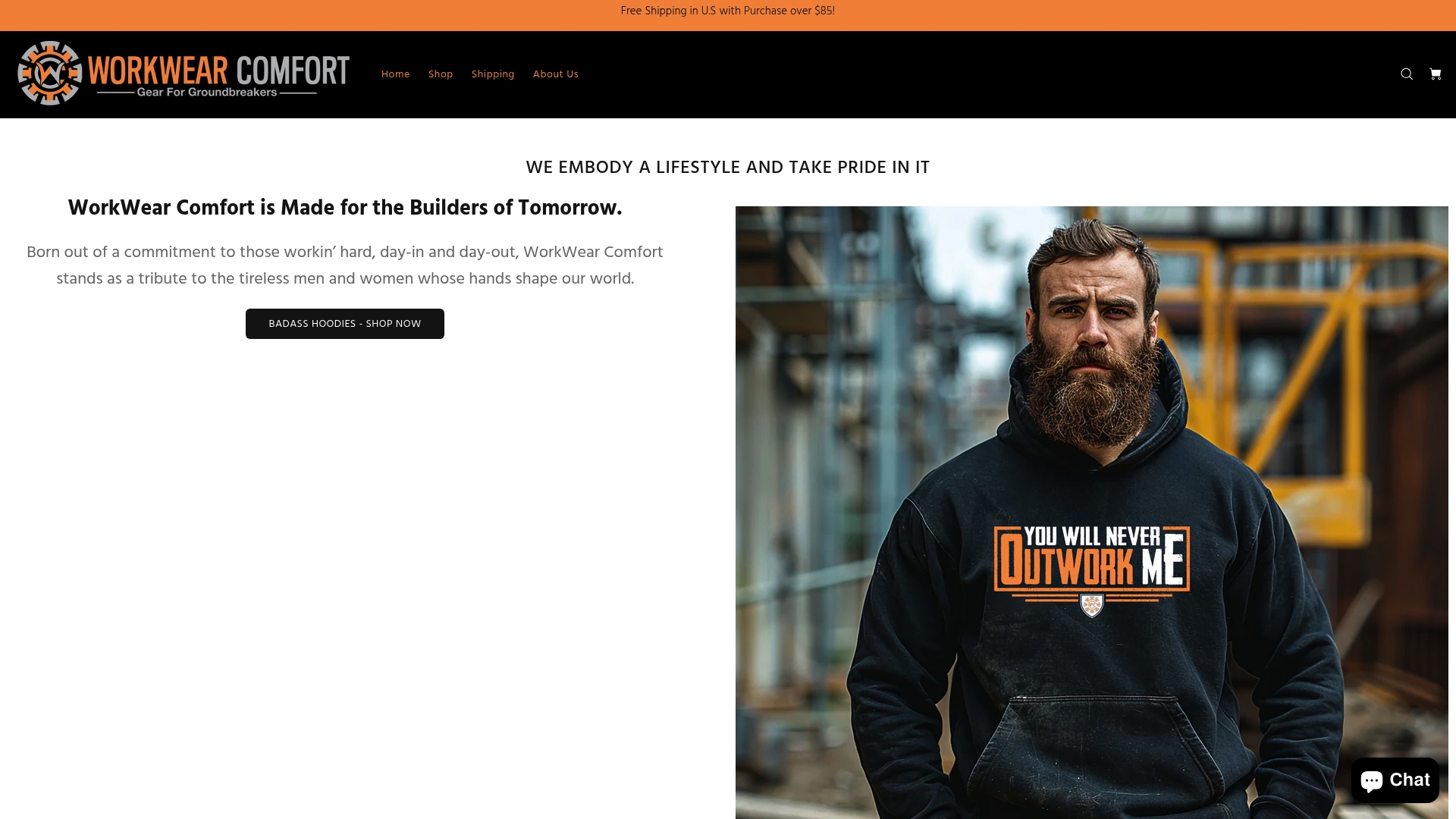
Don’t let the heat slow you down or risk your safety. Visit WorkwearComfort.com today to find your next essential workwear pieces engineered for warm weather conditions. Equip yourself now to stay cool, protected, and confident on every job site.
Frequently Asked Questions
What types of fabrics are best for warm weather work clothes?
Choosing breathable fabrics is essential for hot work environments. Look for lightweight materials such as cotton blends, merino wool, or technical synthetics that allow moisture and heat to escape more effectively.
How can I identify moisture-wicking materials for my work clothes?
Moisture-wicking materials actively pull sweat away from your skin to keep you dry and comfortable. Test a fabric by placing a few drops of water on it; if the liquid quickly spreads and evaporates, it has good moisture-wicking properties.
What is UPF protection, and why is it important for outdoor work?
UPF protection indicates how well fabric blocks ultraviolet rays, which is critical for outdoor workers. Seek clothing with a UPF rating of 30-50+ to minimize your risk of sunburn and long-term skin damage during prolonged sun exposure.
Why should I prefer relaxed-fit clothing for hot weather work?
Relaxed-fit clothing allows for better air circulation and greater freedom of movement, reducing the risk of heat-related illnesses. When shopping, try on garments to ensure they provide ample room around your shoulders and core for comfort.
How can I enhance ventilation in my warm weather work clothes?
Look for work clothing with mesh panels or ventilation zones placed in high-heat areas like underarms and backs. These features allow heat to escape and promote airflow, improving your overall comfort during physically demanding tasks.
What accessories should I include for better protection against heat and sun?
In addition to clothing, consider accessories like wide-brim hats, UV-blocking sunglasses, and cooling neck wraps. These items work together to block sunlight, regulate body temperature, and enhance your comfort in hot weather.
Recommended
- Best Workwear for Hot Weather: Stay Cool & Protected in 2025 - WorkWear Comfort
- 7 Essential Tips for Choosing the Perfect Hoodie Sweatshirt – WorkWearComfort
- 7 Best Appropriate Work Clothes for Hot Weather Comfort – WorkWearComfort
- 7 Essential Tips for Choosing Workwear in Hot Weather – WorkWearComfort
