

Keeping dry and comfortable on the job site is a challenge every professional faces, especially when unpredictable weather conditions collide with demanding tasks. The right waterproof breathable workwear does more than shield you from rain—it balances protection, comfort, and mobility so you can stay focused and perform at your best.
This list breaks down the exact features and fabric technologies that separate high-performance workwear from uncomfortable gear. Discover practical solutions, from innovative membranes that let sweat escape, to seam sealing methods and fit strategies that maximize your safety and freedom of movement.
Get ready for actionable insights that will help you choose workwear designed for durability, adaptability, and all-day comfort in any environment.
Table of Contents
- Understand Breathable Waterproof Technology
- Look for Durable Seam Sealing
- Prioritize Proper Fit and Mobility
- Consider Multi-Season Layering Options
- Choose Fabrics Resistant to Oil and Stains
- Check for Easy-Care Maintenance Features
- Value Added Safety Elements Like Reflective Trim
Quick Summary
| Takeaway | Explanation |
|---|---|
| 1. Prioritize Breathable Waterproof Technology | Choose workwear that keeps you dry and comfortable during harsh conditions by allowing sweat to escape. |
| 2. Ensure Durable Seam Sealing | Look for well-sealed seams to prevent water penetration and maintain garment safety and effectiveness. |
| 3. Focus on Proper Fit and Mobility | Workwear should fit well, allowing full range of motion to enhance your performance and comfort on the job. |
| 4. Invest in Multi-Season Layering Options | Layering effectively helps regulate your temperature and adapt to changing weather conditions throughout the workday. |
| 5. Check for Easy-Care Maintenance Features | Choose workwear that is machine washable and quick-drying to extend its lifespan and simplify upkeep. |
1. Understand Breathable Waterproof Technology
When it comes to workwear, understanding breathable waterproof technology is your first line of defense against harsh environmental conditions. These advanced fabrics are engineered to solve a fundamental problem: keeping you dry without making you feel like you’re trapped inside a plastic bag.
Breathable waterproof membranes function through sophisticated scientific principles. They utilize specially designed materials that block liquid water while allowing water vapor to escape. This means your sweat can evaporate, preventing that uncomfortable clammy feeling that traditional waterproof gear creates.
Key characteristics of these advanced fabrics include:
- Microporous membrane structure
- Hydrophobic exterior layer
- Moisture-wicking capabilities
- Lightweight construction
The science behind these materials is remarkable. Waterproof breathable membranes work by balancing two critical factors: preventing liquid water penetration while enabling water vapor transmission. This intricate process involves complex lamination technologies that transform ordinary textiles into high-performance protective gear.
Breathable waterproof technology doesn’t just protect you - it keeps you comfortable and performing at your best.
Professional trades demand clothing that can handle unpredictable environments. Whether you’re an electrician working in rainy conditions or a plumber navigating wet job sites, understanding these fabric technologies helps you make smarter workwear choices.
Pro tip: When shopping for breathable waterproof workwear, check the fabric’s water vapor transmission rate (WVTR) to ensure maximum comfort and performance.
2. Look for Durable Seam Sealing
In the world of workwear, seam sealing is your first line of defense against water penetration and potential equipment failure. Those tiny needle holes and stitched connections can become major weak points if not properly protected.
Seam sealing is more than just a simple waterproofing technique. Seam seal tapes are engineered to create a critical barrier against moisture while maintaining the garment’s flexibility and comfort. This technology ensures that every potential entry point for water is strategically blocked.
Key factors that determine seam sealing quality include:
- Sealing temperature
- Application speed
- Roller pressure
- Nozzle pressure
- Adhesive strength
Professional workwear requires robust protection. When water can penetrate through seams, it compromises not just your comfort but potentially your safety in demanding work environments. Industrial and outdoor workers need garments that can withstand constant exposure to challenging conditions.
A single unsealed seam can render an entire waterproof garment ineffective.
When shopping for workwear, inspect the seams carefully. Look for smooth, even tape application without bubbles or gaps. High-quality seam sealing should feel flexible and remain intact after multiple washes.
Pro tip: Always stretch and inspect seam-sealed areas before purchasing workwear to ensure comprehensive water resistance and durability.
3. Prioritize Proper Fit and Mobility
Workwear isn’t just about protection it’s about performance and comfort. Personal protective equipment fit dramatically impacts your ability to work safely and efficiently.
The right workwear should feel like a second skin. It needs to move with you not against you. Restricted mobility can slow down your reactions and increase physical strain especially in high-demand trades like construction or electrical work.
Consider these critical fit factors:
- Range of motion in shoulders and arms
- Flexibility at joints
- Ability to bend and crouch without restriction
- Weight distribution across body
- Ergonomic design elements
Professional trades demand clothing that adapts to your body’s movements. Ill-fitting gear can compromise not just comfort but your overall job performance and safety.
Your workwear should enhance your capabilities not limit them.
When trying on workwear, perform actual work movements. Stretch. Bend. Reach. Ensure the garment moves with you without bunching or restricting critical muscle groups.
Pro tip: Always try workwear during an active fitting session and perform realistic job-site movements to test true mobility and comfort.
4. Consider Multi-Season Layering Options
Your workwear needs to be as adaptable as you are. Layering isn’t just about staying warm it’s about maintaining optimal performance across changing environmental conditions.
Multi-layered waterproof fabrics represent a breakthrough in workwear technology. These advanced materials provide windproof, breathable, and waterproof properties that can transform your comfort and productivity.
Effective layering involves strategic clothing selections:
- Base layer for moisture management
- Insulating middle layer for temperature regulation
- Outer protective layer for weather resistance
- Ability to add or remove layers quickly
Tradespeople work in unpredictable environments. From freezing morning jobsites to warm afternoon temperatures your clothing should adapt seamlessly. The right layering system allows you to regulate body temperature without compromising mobility or protection.
Smart layering turns challenging weather conditions into just another part of the job.
Consider materials that offer flexibility. Lightweight, compressible fabrics allow you to pack additional layers without bulk. Look for pieces that can transition smoothly between different work environments and temperature ranges.
Pro tip: Invest in versatile base and mid-layers that can be easily mixed and matched to create a comprehensive all-season workwear system.
5. Choose Fabrics Resistant to Oil and Stains
In tough work environments, your clothing takes a beating. Stain and oil resistance isn’t just about looking clean it’s about protecting your investment and maintaining professional appearance.
Nanofinishing techniques have revolutionized textile protection. These advanced treatments create a powerful barrier against oils and dirt without compromising the fabric’s breathability or waterproof qualities.
Key benefits of oil and stain resistant workwear include:
- Reduced fabric degradation
- Easier cleaning and maintenance
- Extended garment lifespan
- Improved professional appearance
- Enhanced protection from environmental contaminants
Tradespeople encounter countless substances that can permanently damage clothing. From engine grease to paint splatter your workwear needs to withstand harsh conditions while maintaining its structural integrity.
A single oil stain can compromise your entire workwear investment.
The technology mimics nature’s self-cleaning mechanisms. Inspired by the lotus leaf effect these nanotechnology coatings create microscopic barriers that repel liquids and prevent absorption into fabric fibers.
Pro tip: Periodically check your workwear’s oil and stain resistance by performing a water droplet test to ensure the protective coating remains effective.
6. Check for Easy-Care Maintenance Features
Workwear isn’t just about performance. It’s about smart maintenance and longevity. The right fabric can save you time and money by being simple to clean and preserve.
Maintaining waterproof breathable membranes requires understanding specific care protocols that protect your investment. Not all workwear is created equal when it comes to cleaning and upkeep.
Key easy-care maintenance features to look for include:
- Machine washable fabrics
- Quick-drying materials
- Stain-resistant treatments
- Color-fast fabric technology
- Minimal ironing requirements
Trade professionals need clothing that can handle frequent washing without losing performance. Your workwear should withstand tough conditions while remaining simple to maintain.
Smart maintenance extends your workwear’s life and keeps you looking professional.
Avoid harsh chemicals and follow manufacturer guidelines. Some waterproof treatments require specific cleaning approaches to maintain their protective qualities.
Pro tip: Always check the care label and wash your waterproof workwear in cold water with gentle detergents to preserve its protective features.
7. Value Added Safety Elements like Reflective Trim
Safety isn’t an afterthought it’s a critical component of professional workwear. Reflective elements transform your clothing from simple protection to a powerful safety tool.
Reflective trim technology goes far beyond basic visibility. These advanced materials are engineered to keep you safe without compromising comfort or performance.
Key safety features to look for include:
- 360-degree reflective coverage
- Breathable reflective materials
- Flame-resistant trim options
- Strategically placed reflective panels
- Durability under harsh conditions
Tradespeople often work in low-light environments where visibility can mean the difference between safety and serious risk. Reflective trim provides critical protection during early morning, evening, and nighttime work scenarios.
Your workwear should announce your presence before you even arrive.
Modern reflective technologies are lightweight and integrated seamlessly into fabric design. They maintain breathability while offering maximum visibility to passing vehicles and equipment operators.
Pro tip: Choose reflective workwear with segmented strips that move with your body, ensuring visibility doesn’t compromise your range of motion.
Below is a comprehensive table summarizing the key concepts and recommendations discussed throughout the article regarding selecting and optimizing workwear for professional use.
| Category | Description | Key Considerations |
|---|---|---|
| Breathable Waterproof Technology | Advanced materials that block liquid water while allowing breathability for comfort. | Look for materials with microporous membranes and moisture-wicking properties. |
| Durable Seam Sealing | Techniques to prevent water penetration through seams. | Inspect seam integrity and quality of seal tapes. |
| Proper Fit and Mobility | Ensures safety and supports ease of movement during work. | Assess fit by performing work-like movements while trying gear. |
| Layering Options | Adaptability for varying environmental conditions through multi-layered systems. | Focus on base, insulating, and outer layers for flexibility. |
| Oil and Stain Resistance | Protects clothing from contaminants and simplifies maintenance. | Choose items with nanotechnology upgrades for long-lasting protection. |
| Maintenance Features | Easy care preserves gear’s functionality over time. | Prefer machine washable, quick-drying, and stain-resistant fabrics. |
| Safety Enhancements | Features ensuring visibility and worker security. | Select items with reflective elements designed for comfort and durability. |
Gear Up with Breathable Waterproof Workwear That Works as Hard as You Do
Choosing the right breathable waterproof workwear means conquering the constant challenge of staying dry and comfortable while on the job. If you want gear that features advanced moisture-wicking fabrics, durable seam sealing, and a fit designed for full mobility, you’re not alone. Every hardworking professional knows the struggle with clammy, restrictive clothing that fails when the weather turns against you.
Discover rugged clothing tailored for strength, resilience, and all-day comfort at WorkWear Comfort. Our range includes high-performance All Hooded Sweatshirts - WorkWear Comfort offering breathable, waterproof options designed to protect while allowing freedom of movement. Whether you’re facing rain, wind, or sun, gear up with apparel that enhances your performance and keeps you comfortable.
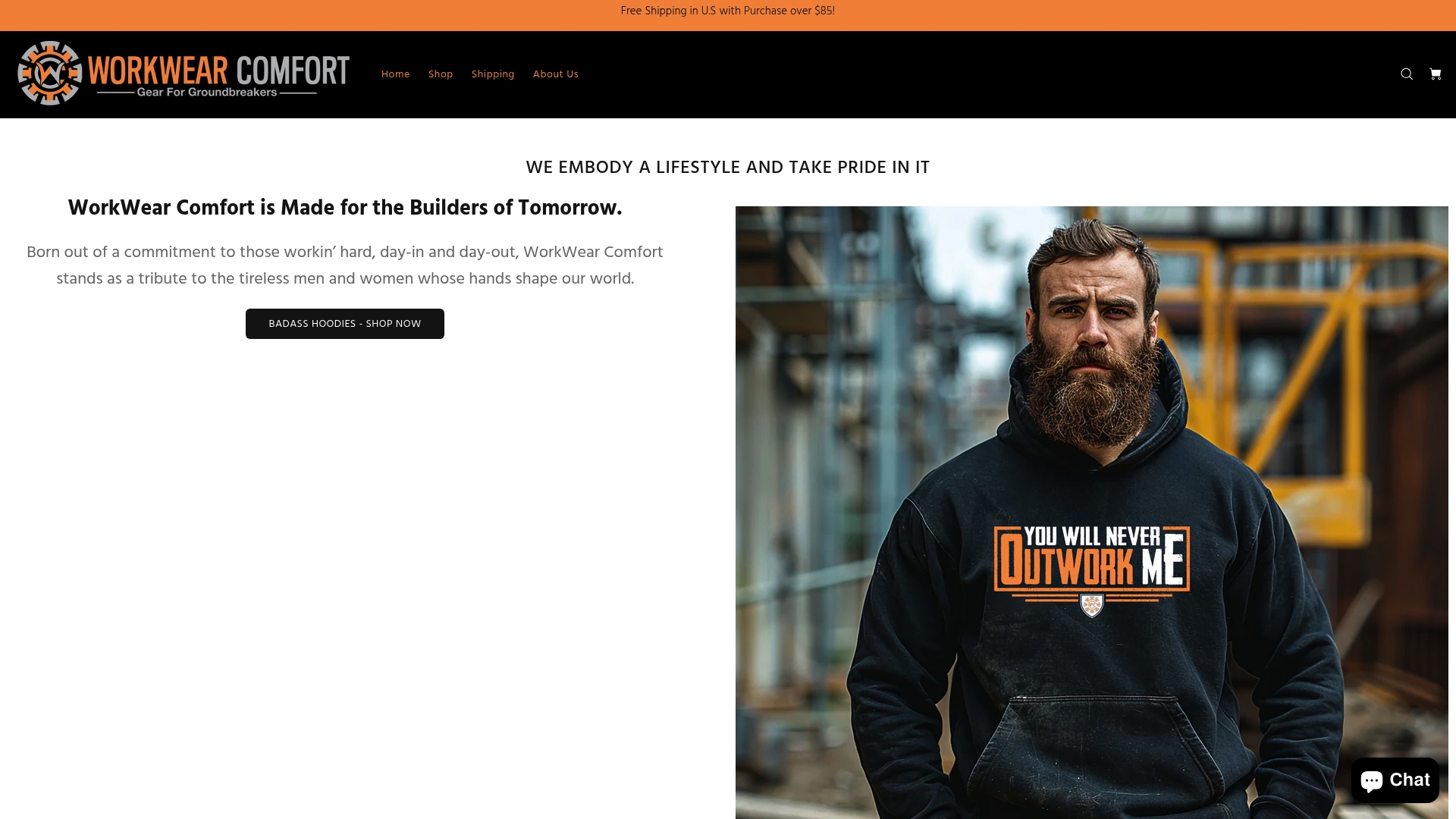
Don’t settle for workwear that holds you back. Explore our durable, stylish hoodies and embrace protection built for every season and every challenge. Visit WorkWearComfort.com today and step into breathable waterproof workwear made to last through your toughest days.
Frequently Asked Questions
What is breathable waterproof technology?
Breathable waterproof technology refers to advanced fabrics that keep you dry by blocking liquid water while allowing sweat to evaporate. Look for gear with microporous membranes and moisture-wicking capabilities for optimal comfort and protection.
How can I ensure my workwear has durable seam sealing?
To ensure durable seam sealing, inspect the seams for smooth, even tape application without bubbles or gaps. Testing seam integrity by stretching can help confirm the effectiveness of the waterproof protection.
What are the benefits of proper fit and mobility in workwear?
Proper fit and mobility enhance comfort and performance, allowing you to move freely without restriction. Try on clothing and perform realistic job movements to identify if the gear fits securely without hindering your activities.
Why is multi-season layering important for workwear?
Multi-season layering allows you to adapt your clothing to fluctuating temperatures and changing weather conditions. Consider investing in versatile base and mid-layers that easily mix and match, enabling quick adjustments to your outfit.
What should I look for to ensure my workwear is oil and stain resistant?
Good oil and stain resistant workwear will feature nanofinishing techniques that repel liquids and prevent absorption. Test your workwear by performing a water droplet test periodically to ensure the protective coating remains effective.
How can I maintain breathable waterproof workwear?
To maintain breathable waterproof workwear, always follow the care label instructions, using cold water and gentle detergents when washing. Regularly check for cleaning protocols to ensure the waterproof features remain intact and extend the garment’s lifespan.
Recommended
- Best Workwear for Hot Weather: Stay Cool & Protected in 2025 - WorkWear Comfort
- 7 Essential Tips for Choosing Breathable Workwear - WorkWear Comfort
- What Is Workwear? A 2025 Guide for Hardworking Professionals - WorkWear Comfort
- 7 Essential Tips for Choosing the Perfect Hoodie Sweatshirt – WorkWearComfort
- Weather Conditions and Coatings: Impact on Durability
