

Staying comfortable and protected during long workdays is a constant challenge for trade professionals. Finding a work shirt that stands up to repeated stress, keeps you warm, and doesn’t restrict your movement can feel overwhelming with so many options on the market. The right choices make a huge difference in both your daily comfort and your safety on the job. This list uncovers practical, research-backed ways to select, wear, and maintain work shirts that actually work for you. Get ready to discover how smart fabric picks, sturdy seam construction, and thoughtful features can transform your workwear experience.
Table of Contents
- 1. Pick The Right Fabric For Warmth And Durability
- 2. Check For Functional Features Like Pockets And Reinforced Seams
- 3. Prioritize Comfortable Fits For Long Workdays
- 4. Choose Shirts With Moisture-Wicking Technology
- 5. Consider Layering Options For Versatile Warmth
- 6. Look For Easy Care And Maintenance Materials
- 7. Balance Style With Job Site Safety Requirements
Quick Summary
| Key Message | Explanation |
|---|---|
| 1. Choose Natural Fabrics | Opt for fabrics like organic hemp, wool, or linen for warmth and durability in challenging work environments. |
| 2. Prioritize Functional Features | Look for shirts with reinforced pockets and strong seam construction to enhance utility and lifespan. |
| 3. Ensure Comfortable Fits | Select shirts that allow full range of motion without excess fabric, ensuring comfort for long workdays. |
| 4. Invest in Moisture-Wicking Technology | Choose moisture-wicking fabrics to keep sweat away from your skin and maintain comfort during physical tasks. |
| 5. Check Safety Compliance | Ensure work shirts meet safety standards with features like high visibility colors or flame resistance for protection on the job. |
1. Pick the Right Fabric for Warmth and Durability
Choosing the right fabric is critical for trade professionals who spend long hours working in challenging environments. Your work shirt’s material can make the difference between comfort and constant distraction.
Traditionally, flannel remains a top choice for warm workwear due to its exceptional thermal properties and durability. Flannel provides excellent insulation by trapping warm air close to your body while remaining breathable and soft against your skin. This makes it ideal for workers who need reliable warmth without sacrificing mobility.
When selecting work shirt fabrics, focus on natural fibers that offer both sustainability and performance. Organic hemp, wool, recycled cotton, and linen are superior options that provide remarkable warmth and resilience. These materials not only keep you comfortable but also stand up to repeated washing and tough working conditions.
Wool deserves special attention for its remarkable temperature regulation. It can keep you warm in cold conditions while wicking moisture away from your body. Synthetic blends that incorporate wool can enhance durability and provide additional stretch for increased comfort during physical work.
Consider fabric weight as another critical factor. Heavyweight fabrics like thick flannel or wool blends offer maximum warmth for extreme cold, while midweight options provide versatile protection for variable temperatures. Your specific work environment and typical weather conditions should guide your fabric selection.
Pro tip: Always check fabric composition labels and prioritize materials with at least 30% natural fibers for optimal warmth and breathability.
2. Check for Functional Features Like Pockets and Reinforced Seams
Your work shirt is more than just a layer of fabric. It is a critical piece of equipment designed to support your daily tasks and withstand challenging work environments.
Functional features like pockets and reinforced seam construction are not mere design elements but essential components of high performance workwear. Professional grade work shirts incorporate strategic design elements that enhance utility and durability.
Pocket Design Matters. Look for work shirts with multiple reinforced pockets positioned for maximum accessibility. Ideally, pockets should be deep enough to securely hold tools like measuring tapes, pens, and small equipment without risking items falling out during physical work. Reinforced pocket edges prevent tearing and extend the shirt’s overall lifespan.
Seam Construction is Critical. Double stitched or flat felled seams provide superior strength at stress points. These advanced stitching techniques distribute tension across multiple thread lines, preventing unraveling and maintaining shirt integrity even under demanding conditions. Strategic seam placement around shoulders, arms, and sides ensures maximum mobility and durability.
Additional Performance Features. Beyond basic pockets and seams, consider work shirts with features like articulated sleeves for enhanced range of motion, reinforced elbow patches, and gusseted underarms. These design elements transform a simple shirt into a robust work companion.
Pro tip: Always inspect pocket and seam stitching before purchasing a work shirt. High quality stitches should look even, tight, and show no loose threads or uneven stitching.
3. Prioritize Comfortable Fits for Long Workdays
Comfort is not a luxury for trade professionals. It is a critical requirement that directly impacts your performance, safety, and overall work experience.
Selecting a work shirt that provides optimal ergonomic support means understanding how clothing affects your physical capabilities. A well fitted shirt allows complete range of motion without unnecessary fabric bunching or restriction that can impede your movements.
Fit Fundamentals. Your work shirt should provide strategic room in key areas: shoulders, arms, and torso. Look for shirts with slightly relaxed cuts that accommodate layering while preventing excess fabric from getting caught in machinery or tools. A good fit means the shirt moves with you not against you.
Performance Fit Strategies. Consider shirts with articulated sleeves and gusseted underarms that provide enhanced mobility. Athletic cut shirts designed for active professions offer stretch panels and athletic shaping that support natural body movements. Avoid shirts that are too tight or too loose both extremes can create workplace discomfort and potential safety risks.
Mental and Physical Impact. Comfortable clothing directly influences your psychological state and work performance. When your shirt fits well you experience less physical distraction allowing better focus on complex tasks. Reduced physical strain means more energy and mental clarity throughout demanding workdays.
Pro tip: Always try on work shirts while performing mock work movements to ensure genuine comfort and unrestricted mobility.
4. Choose Shirts with Moisture-Wicking Technology
Sweat is an inevitable part of hard work. But allowing that moisture to linger against your skin can create discomfort and potential health risks for trade professionals.
Moisture-wicking technology transforms how workers manage perspiration during demanding physical tasks. These advanced fabrics actively transport sweat away from your body, creating a dry and comfortable microclimate next to your skin.
How Moisture Wicking Works. Synthetic fibers with specialized hydrophobic and hydrophilic properties pull moisture from your skin to the fabric’s outer surface. This rapid transportation allows quick evaporation, keeping you dry and regulating body temperature more effectively than traditional cotton shirts.
Performance Benefits. Moisture-wicking shirts prevent several common workplace challenges. They reduce skin irritation, minimize chafing, help maintain consistent body temperature, and decrease the likelihood of bacterial growth. For trade professionals working in physically demanding environments these shirts are not just comfortable they are a strategic performance tool.
Fabric Selection Strategies. When shopping for moisture-wicking work shirts prioritize synthetic blends like polyester or nylon with specific moisture management properties. Look for shirts that explicitly advertise moisture-wicking capabilities and have a tight weave that facilitates rapid sweat transportation.
Pro tip: Opt for moisture-wicking base layers during colder months to create an efficient thermal regulation system that keeps you dry and warm.
5. Consider Layering Options for Versatile Warmth
Smart trade professionals understand that staying warm is not about wearing one thick shirt but strategically combining clothing layers for maximum temperature control.
Layering systems provide ultimate temperature flexibility by allowing you to adapt quickly to changing work conditions and physical exertion levels.
Base Layer Fundamentals. Start with a moisture-wicking base layer that sits directly against your skin. These lightweight shirts pull sweat away and help regulate body temperature. Materials like synthetic blends or merino wool work best for maintaining a dry comfortable foundation.
Mid Layer Strategy. Your mid layer provides critical insulation. Typically this means a slightly thicker shirt or lightweight fleece that traps warm air near your body. Look for breathable materials that offer warmth without restricting movement. Flannel shirts or thin wool sweaters are excellent mid layer options for trade professionals.
Outer Layer Protection. The outer layer shields you from wind rain and additional cold. Choose work shirts with water resistant or windproof properties that can be easily added or removed depending on weather conditions. Jackets with zippered vents offer additional temperature management flexibility.
Adaptability Matters. The key to effective layering is having pieces that can be quickly added or removed. Select work shirts with simple closure systems like full length zippers or snap buttons that allow fast transitions between layers without complicated clothing changes.
Pro tip: Invest in lightweight layer pieces that compress easily into your work bag so you can always be prepared for unexpected temperature shifts.
6. Look for Easy Care and Maintenance Materials
Workwear needs to survive the rigors of daily use without demanding excessive time and effort in maintenance. Selecting the right materials can save you hours of frustrating laundry and shirt care.
Fabric properties determine maintenance requirements for trade professionals. Understanding how different materials perform can help you choose work shirts that look good and require minimal upkeep.
Fabric Performance Characteristics. Synthetic materials like polyester offer exceptional durability and wrinkle resistance. These fabrics dry quickly, maintain shape, and resist staining better than traditional cotton. Recycled polyester blends provide both sustainability and low maintenance benefits.
Strategic Material Selection. Opt for work shirts with materials that combine easy care with performance. Blended fabrics that include polyester, nylon, or recycled synthetic fibers will provide wrinkle resistance, quick drying capabilities, and durability. Look for shirts that explicitly highlight low maintenance features on their labels.
Sustainable Maintenance Approach. Modern work shirts can balance sustainability with easy care. Organic cotton blended with recycled polyester creates shirts that are environmentally responsible and simple to maintain. These materials resist shrinking, maintain color, and require less frequent washing.
Practical Washing Strategies. Choose work shirts that can withstand industrial washing and maintain integrity. Cold water washing, gentle cycles, and avoiding high heat drying will extend the life of your shirts. Darker colored synthetic blends tend to show less wear and look professional longer.
Pro tip: Rotate between multiple work shirts and wash them in small batches to minimize wear and maintain fabric quality over time.
7. Balance Style with Job Site Safety Requirements
Workwear is not just about looking good. It is a critical component of workplace safety that combines professional appearance with essential protective features.
Safety regulations demand specific workwear standards that go far beyond simple aesthetic considerations. Your work shirt is a key piece of personal protective equipment that can prevent workplace injuries.
Safety Feature Essentials. Look for work shirts with integrated safety elements like high visibility colors reflective strips or flame resistant materials. Bright colors such as neon yellow or orange can significantly improve visibility in construction zones industrial settings and low light environments. These features are not just stylish but potentially life saving.
Material Safety Considerations. Different job sites require specific material safety standards. Welders need flame resistant shirts electrical workers require arc rated clothing and road construction workers need high visibility garments. Select shirts that not only meet your workplace safety requirements but also reflect your personal professional style.
Performance and Protection. Modern work shirts can seamlessly blend safety functionality with contemporary design. Seek out shirts with reinforced shoulders articulated sleeves and strategic fabric weight that provide mobility comfort and protection. The best work shirts make you look good while keeping you safe.
Cultural Workplace Style. Understand your specific work environment cultural norms. Some job sites prefer more traditional workwear while others welcome modern stylish approaches to safety clothing. Your work shirt can be a statement of both personal style and professional commitment.
Pro tip: Always check your specific workplace safety regulations before purchasing work shirts and prioritize shirts that exceed minimum safety requirements.
Below is a comprehensive table summarizing the main factors and recommendations discussed throughout the article about selecting ideal work shirts for trade professionals.
Find Your Perfect Warm Work Shirt and Stay Comfortable All Day
Choosing the ideal work shirt goes beyond just warmth. The challenge is to find durable, comfortable, and functional shirts that keep you protected in harsh conditions while allowing full mobility and moisture control. Pain points like poor fabric quality, lack of reinforced seams, and inadequate fit can slow you down and cause discomfort during long workdays.
At WorkWearComfort.com, we understand these needs. Our collection, including Blue-Collar Working Man Sweatshirt Hoodies, features rugged apparel designed for trade professionals who demand performance and style. With smart designs emphasizing durability, moisture management, and comfort, our workwear supports your hardest jobs with trusted materials and expert craftsmanship.
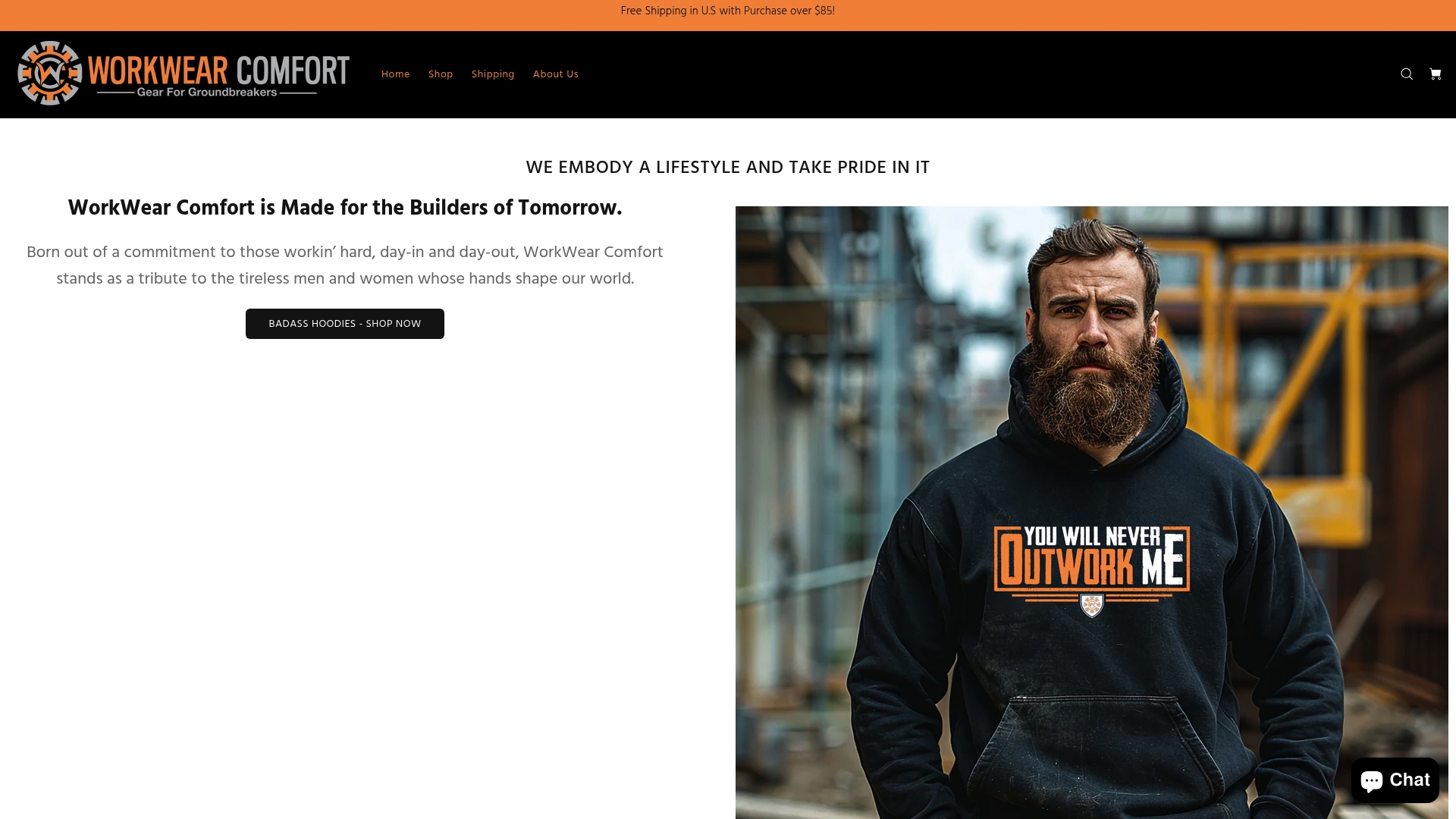
Ready to upgrade your work wardrobe with gear that works as hard as you do? Visit WorkWearComfort.com today and explore our full range of durable workwear and hooded sweatshirts. Don’t wait—equip yourself now for warmth, durability, and professional confidence on the job site.
Frequently Asked Questions
What type of fabric should I choose for warmth in work shirts?
Selecting the right fabric is essential for warmth. Look for materials like flannel, wool, or blends with natural fibers that offer insulation and breathability. Aim for shirts with at least 30% natural fibers to enhance warmth and comfort.
How do I know if a work shirt has the necessary functional features?
Check for features like reinforced seams and functional pockets. Ensure that pockets are deep and secure to hold tools without falling out, and inspect seams for durability by looking for double-stitched or flat-felled designs.
What fit should I look for in a work shirt to maximize comfort during long work hours?
Prioritize a slightly relaxed fit that allows for layering and movement. Avoid shirts that are too loose or too tight, as they can hinder movement and become uncomfortable during physical tasks; testing shirt fit through basic movements can help.
How does moisture-wicking technology improve comfort in work shirts?
Moisture-wicking technology actively pulls sweat away from your body, creating a dry microclimate. Choose shirts made with synthetic blends specifically designed for moisture management to keep you dry and comfortable throughout your workday.
What layering options should I consider for versatile warmth?
Start with a moisture-wicking base layer, add an insulating mid layer like flannel, and finish with an outer layer that offers protection against wind or rain. By choosing lightweight and compressible pieces, you can easily adapt to changing temperatures and physical activities.
How can I determine the maintenance requirements for work shirts?
Look for fabrics that highlight low maintenance features, such as synthetic materials that dry quickly and resist wrinkling. To maintain shirt quality, consider washing in cold water and rotating shirts to reduce wear; this can extend the lifespan of your workwear significantly.
Recommended
- Understanding Breathable Long Sleeve Work Shirts for Professionals – WorkWearComfort
- Understanding Warm Work Jackets for Men: Key Insights – WorkWearComfort
- 7 Essential Tips for Choosing Workwear in Hot Weather – WorkWearComfort
- 7 Key Features to Look for in Warm Work Hoodies – WorkWearComfort
- 7 Essential Steps for How to Choose Contractors Wisely
