

Over half of American mechanics admit that uncomfortable work clothes slow them down and lead to costly mistakes. For those spending long hours in busy repair shops, ordinary clothing just cannot keep up with tough grease, sharp tools, and constant movement. Discover how specialized workwear transforms both performance and comfort, offering real solutions designed specifically for American professionals who demand more from every shirt and pair of pants.
Table of Contents
- Defining Auto Mechanic Work Clothes Basics
- Essential Types And Key Garment Differences
- Critical Features For Comfort And Safety
- Popular Materials And Protective Technologies
- Common Mistakes When Choosing Work Apparel
- Emerging Trends And Innovations In Workwear
Key Takeaways
| Point | Details |
|---|---|
| Durability is Essential | Auto mechanic work clothes are designed to withstand harsh conditions, resist stains, and provide flexibility during tasks. Choose garments with reinforced stitching for longevity. |
| Functionality Matters | Look for mechanics’ clothing with multiple utility pockets and ergonomic designs that enhance movement and comfort. This ensures greater efficiency in the workspace. |
| Protective Features are Crucial | Safety should be prioritized; select clothing with chemical resistance, flame-resistant fabrics, and reinforced zones to mitigate hazards in automotive environments. |
| Embrace Emerging Technologies | Stay updated on innovative materials and smart textiles that enhance safety and monitoring capabilities, ensuring optimal performance and protection during work. |
Defining Auto Mechanic Work Clothes Basics
Auto mechanics require specialized work clothing that goes far beyond typical apparel. These garments are engineered to withstand the harsh, grease-laden environments of automotive repair shops while providing critical protection and functionality. Skilled tradespeople in automotive repair rely on work clothes that merge durability with comfort, creating a protective armor against daily mechanical challenges.
The fundamental components of auto mechanic work clothes typically include heavy-duty pants, resilient shirts or coveralls, and safety footwear. Durability is paramount - these garments must resist petroleum-based stains, withstand frequent washing, and provide flexibility during complex repair tasks. Mechanics need clothing that can handle dropped tools, sharp metal edges, hydraulic fluid splashes, and constant movement without restricting mobility.
Key characteristics of professional mechanic work clothes include reinforced fabric in high-wear areas like knees and elbows, multiple utility pockets for tools and personal items, and materials that offer both breathability and protection. Typically constructed from canvas, denim, or specialized synthetic blends, these clothes are designed to repel liquids, resist tears, and maintain structural integrity through countless hours of demanding work. Color choices often lean toward darker shades like navy, black, or dark gray to better conceal inevitable grease and oil stains.
Pro tip: Invest in work clothes with triple-stitched seams and bartack reinforcements at stress points to maximize durability and extend the lifecycle of your professional attire.
Essential Types and Key Garment Differences
Auto mechanic work clothes represent a specialized category of workwear with unique protective characteristics, designed to meet the rigorous demands of automotive repair environments. Unlike standard clothing, these garments are engineered to provide maximum functionality, safety, and durability through carefully selected materials and construction techniques.
The primary types of auto mechanic work clothes include coveralls, utility shirts, heavy-duty pants, and specialized protective jackets. Coveralls offer comprehensive body protection, typically featuring reinforced knees, multiple tool pockets, and stain-resistant fabrics. Utility shirts and pants are often constructed from canvas or denim blends with strategic reinforcements in high-wear areas like elbows and knees. Some garments incorporate advanced synthetic materials that enhance resistance to petroleum-based chemicals, hydraulic fluids, and persistent automotive grease.
Key garment differences emerge through specific design elements tailored to mechanical work. Professional-grade mechanic clothing distinguishes itself through features like triple-stitched seams, bartack reinforcements at stress points, expandable gussets for improved mobility, and strategically placed utility pockets. Mechanics require clothing that can withstand constant movement, potential sharp edge encounters, and exposure to harsh chemicals while maintaining breathability and comfort. Color selections typically favor darker shades like navy, black, and charcoal to effectively mask inevitable workplace stains and maintain a professional appearance.
Pro tip: Always select work clothes with ripstop fabric technology and consider purchasing a spare set to rotate and extend overall wardrobe longevity.
Here is a summary comparing the main types of auto mechanic work clothes:
| Garment Type | Main Benefit | Typical Material | Best Use Scenario |
|---|---|---|---|
| Coveralls | Full-body protection | Heavy cotton blend | Intensive, dirty repairs |
| Utility Shirt | Upper body comfort | Canvas/denim blend | General shop work |
| Heavy-Duty Pants | Leg coverage | Reinforced denim | Kneeling, sharp objects |
| Protective Jacket | Layered protection | Synthetic blends | Cold, hazardous tasks |
Critical Features for Comfort and Safety
Auto mechanics require work clothes that provide comprehensive personal protective equipment standards to ensure both physical safety and workplace comfort. The intricate balance between protection and mobility defines high-performance mechanic apparel, with each design element carefully engineered to address specific occupational hazards encountered during automotive repair work.
Critical safety features include strategically reinforced fabric zones, flame-resistant materials, and ergonomic designs that minimize potential injury risks. Mechanics need clothing with built-in protection against chemical splashes, sharp metal edges, and potential heat exposure. Key safety components include triple-layered knee panels, specialized shoulder reinforcements, and breathable fabrics that prevent overheating while providing a protective barrier against workplace contaminants. Some advanced garments incorporate integrated tool loops, hidden zippered pockets, and expandable gussets that allow unrestricted movement during complex repair tasks.
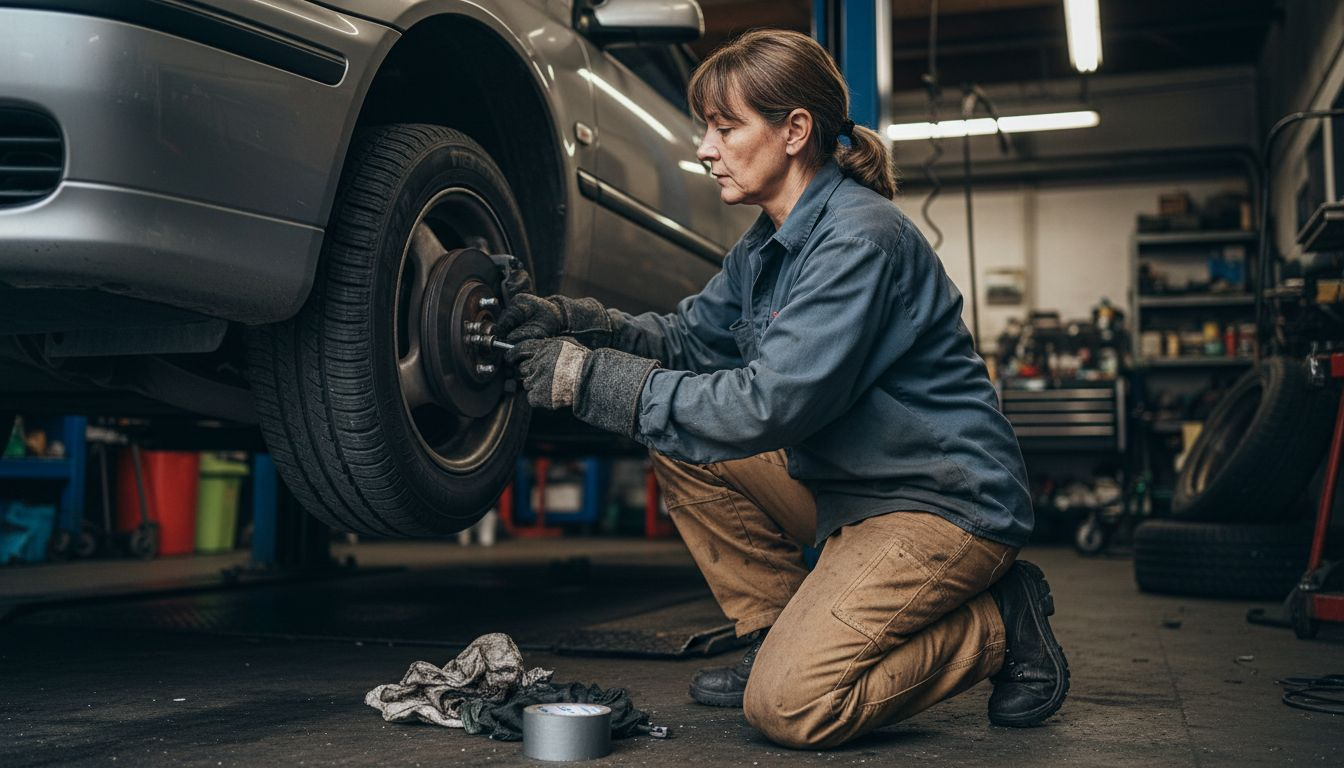
Comfort considerations are equally important in mechanic work clothes. Proper fit is paramount - garments must accommodate dynamic body movements without bunching or restricting motion. Moisture-wicking fabrics help regulate body temperature, while strategic ventilation panels prevent excessive sweating during physically demanding work. Lightweight yet durable materials like ripstop canvas and specialized synthetic blends offer mechanics the perfect combination of protection and flexibility, ensuring they can focus on precision work without being hindered by uncomfortable clothing.
Pro tip: Invest in work clothes with moisture-management technologies and select items with at least two inches of ease around major muscle groups to maximize comfort and mobility.
Popular Materials and Protective Technologies
Auto mechanic work clothes have evolved significantly through advanced protective clothing technologies, incorporating sophisticated materials designed to withstand the most demanding workplace environments. Modern garments blend cutting-edge fabric engineering with practical safety considerations, creating apparel that offers unprecedented protection and comfort for automotive professionals.
Primary materials used in high-performance mechanic work clothes include robust cotton blends, heavyweight denim, and specialized synthetic fabrics like Nomex and Kevlar. These materials provide exceptional durability and resistance against chemical splashes, heat exposure, and mechanical abrasions. Advanced textile treatments now offer additional benefits such as stain resistance, moisture-wicking properties, and enhanced breathability. Some innovative fabrics incorporate flame-resistant technologies, integrated cooling systems, and reinforced stress points to maximize both safety and comfort during complex repair tasks.
Protective technologies in mechanic work clothes go beyond basic fabric selection. Manufacturers now integrate strategic design elements like multilayered protective zones, articulated joints for increased mobility, and specialized chemical-resistant coatings. Breathable membrane technologies allow heat dissipation while maintaining a protective barrier against workplace contaminants. Ergonomic considerations include expandable gussets, strategic ventilation panels, and lightweight materials that reduce worker fatigue while providing comprehensive protection against potential workplace hazards.
Pro tip: Prioritize work clothes with multiple fabric technologies and look for garments featuring at least two protective treatments to maximize your safety and comfort.
Common Mistakes When Choosing Work Apparel
Auto mechanics frequently encounter critical errors when selecting work clothing, often overlooking essential protective equipment standards that directly impact their safety and performance. Understanding these common missteps can help professionals make more informed apparel choices that balance comfort, durability, and comprehensive workplace protection.
One prevalent mistake is choosing work clothes based solely on appearance or initial cost, rather than considering long-term functionality and safety requirements. Mechanics often underestimate the importance of proper fit - garments that are too loose can snag on machinery, while overly tight clothing restricts movement and causes rapid wear. Another significant error involves neglecting fabric technology, such as selecting materials that lack moisture-wicking properties or chemical resistance. This oversight can lead to increased discomfort, reduced productivity, and potential safety risks during complex automotive repair tasks.
Additional critical mistakes include failing to assess specific workplace hazards before selecting protective gear and inadequate maintenance of work apparel. Mechanics might purchase generic workwear without considering the unique demands of their specific work environment, such as exposure to hydraulic fluids, extreme temperatures, or sharp metal edges. Some professionals also neglect to replace worn clothing regularly, continuing to use garments with compromised protective features that no longer provide adequate safety or functionality.
Pro tip: Conduct a thorough workplace hazard assessment before purchasing work clothes and invest in at least two complete sets of high-quality protective apparel to ensure consistent safety and rotation.
Emerging Trends and Innovations in Workwear
The automotive mechanic workwear landscape is undergoing a revolutionary transformation with advanced wearable technology innovations that promise to redefine workplace safety and performance. These cutting-edge developments blend sophisticated sensor technologies, intelligent fabrics, and ergonomic design principles to create garments that do far more than simply protect workers.
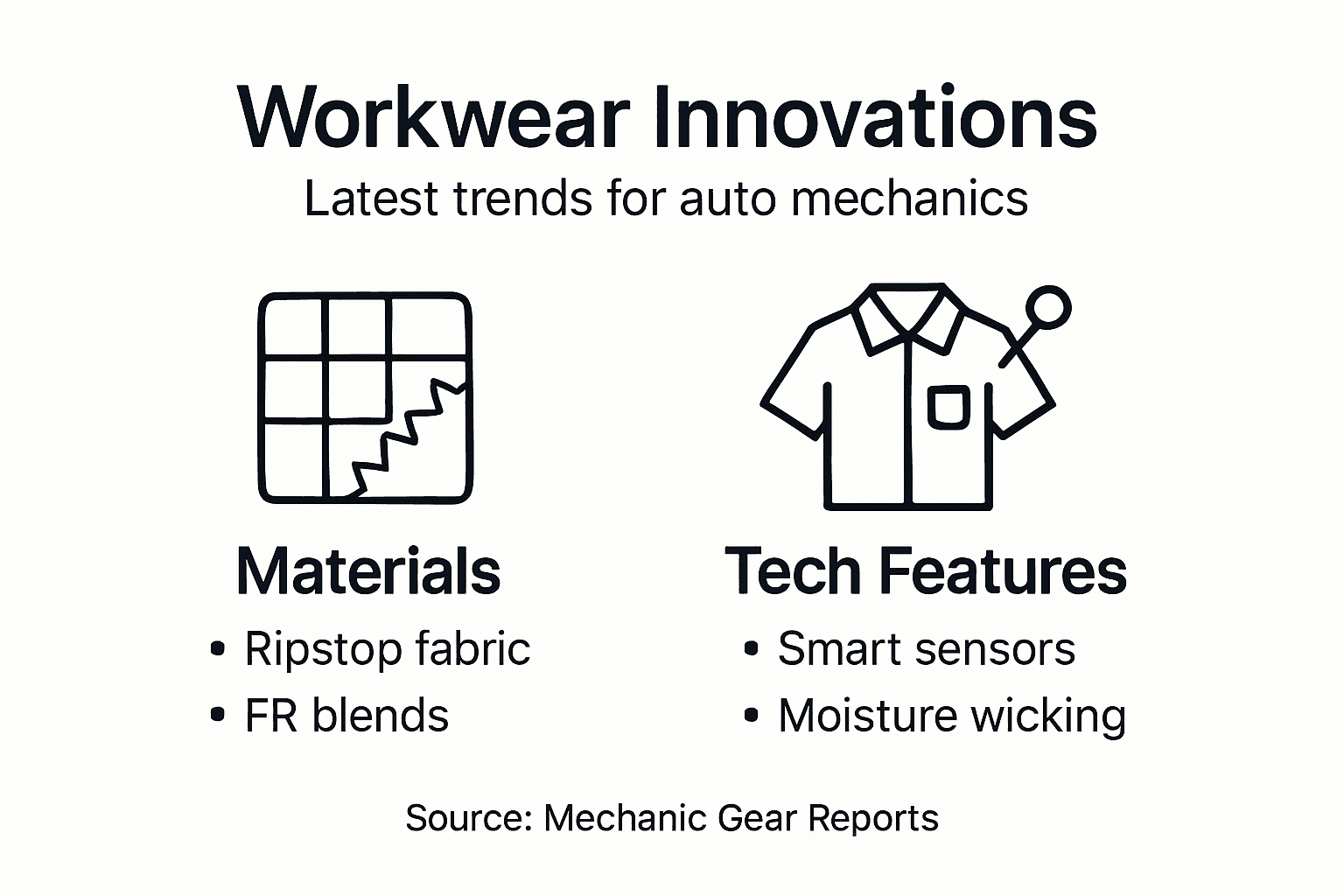
Emerging workwear technologies now incorporate embedded sensors capable of monitoring physiological parameters, environmental conditions, and potential workplace hazards in real-time. Smart textiles can track worker fatigue, detect sudden temperature changes, and even alert mechanics to potential chemical exposures or ergonomic strain. Some advanced garments feature stretchable electronic components that can monitor heart rate, body temperature, and muscular stress, providing unprecedented insights into worker health and safety during complex automotive repair tasks.
Sustainability and technological integration are driving the next generation of mechanic workwear. Innovative fabric technologies now include self-cleaning materials, adaptive thermal regulation systems, and biodegradable synthetic blends that reduce environmental impact while enhancing performance. Manufacturers are developing garments with modular design concepts, allowing workers to customize protective layers based on specific workplace requirements. These innovations represent a significant leap beyond traditional workwear, transforming clothing from a passive protective layer into an active safety and performance management system.
Pro tip: Stay informed about emerging workwear technologies and consider investing in garments with integrated smart sensor capabilities to enhance your workplace safety and performance monitoring.
The following table highlights recent innovations shaping mechanic workwear design:
| Innovation | Description | Workplace Advantage |
|---|---|---|
| Smart Sensors | Monitor safety and health in real time | Enhanced hazard awareness |
| Adaptive Thermal Fabrics | Adjust temperature actively | Better comfort and less fatigue |
| Self-Cleaning Materials | Repel contaminants automatically | Reduced maintenance effort |
| Modular Layering Systems | Customizable protective layers | Flexible for various tasks |
Discover Workwear That Matches Your Auto Mechanic Demands
Auto mechanics face the daily challenge of finding work clothes that combine toughness with comfort and safety. This article highlights the need for durable fabrics, reinforced stitching, and practical design features that protect against grease, sharp edges, and chemical exposure without sacrificing mobility. If you want apparel built for those long hours on the job, where comfort meets reliability, it is essential to choose clothing designed with those exact demands in mind.
Elevate your workwear game today by exploring our collection of Blue-Collar Working Man Sweatshirt Hoodies crafted for durability and function. Whether you need layering for cold shop environments or comfortable gear for everyday tasks, WorkWearComfort.com offers rugged options that embody hard work and resilience. Find the perfect balance between protective features and breathable comfort for your mechanic lifestyle. Visit WorkWearComfort.com now and gear up with apparel that works as hard as you do.
Frequently Asked Questions
What are the essential features of auto mechanic work clothes?
Auto mechanic work clothes should have durability, comfort, and safety features. Look for reinforced fabric in high-wear areas, moisture-wicking capabilities, stain resistance, and ergonomic designs that allow for ease of movement.
How do I choose the right material for mechanic work clothes?
The best materials for mechanic work clothes include heavy-duty cotton blends, reinforced denim, and specialized synthetic fabrics. These materials provide durability, chemical resistance, and comfort in demanding work environments.
What are the main types of auto mechanic work clothing?
The primary types include coveralls for full-body protection, utility shirts for upper body comfort, heavy-duty pants for leg coverage, and protective jackets for layered safety. Each type serves different purposes based on the specific tasks at hand.
What mistakes should I avoid when selecting automotive work apparel?
Common mistakes include focusing solely on appearance or cost instead of functionality, selecting poorly fitting garments, and neglecting specific workplace hazards. It’s also important to routinely maintain and replace worn clothing to ensure adequate protection.
Recommended
- Complete Guide to Mechanic Work Wear Essentials – WorkWearComfort
- What Is Workwear? A 2025 Guide for Hardworking Professionals - WorkWear Comfort
- Understanding Workwear for Mechanics: Durability and Function – WorkWearComfort
- 7 Ways Comfy Work Wear Gives Blue-Collar Pros the Edge – WorkWearComfort
- Blog | Optyx Auto Studio
