

Most American auto mechanics spend over eight hours a day on their feet, working in greasy, demanding conditions that ruin ordinary clothes. As every garage professional knows, finding workwear tough enough to handle daily spills yet comfortable for long shifts is not just about looks. This guide breaks down what makes mechanic workwear truly durable, highlighting the features that matter most when safety, flexibility, and day-long comfort are priorities on the job.
Table of Contents
- What Auto Mechanic Workwear Is
- Types of Mechanic Workwear Explained
- Essential Features for Garage Safety
- Legal and Safety Compliance for Workwear
- Cost Factors and Common Mistakes
Key Takeaways
| Point | Details |
|---|---|
| Specialized Workwear | Auto mechanic workwear is designed for durability and safety, incorporating features that protect against workplace hazards while offering comfort. |
| Types and Applications | Key categories of workwear include coveralls, jackets, protective pants, and safety footwear, each tailored to specific tasks and protection levels. |
| Legal Compliance | Adhering to legal requirements, such as hazard assessments and training, is crucial for ensuring workplace safety and protecting mechanics. |
| Cost Considerations | Investing in high-quality workwear is essential, as it affects durability, safety, and overall workplace effectiveness, reducing long-term costs. |
What Auto Mechanic Workwear Is
Auto mechanic workwear is specialized clothing designed to protect and support professionals working in automotive repair environments. Unlike standard clothing, these garments are engineered to withstand the harsh conditions mechanics encounter daily. Workwear is specifically designed to provide durability and safety for those in trade industries, with auto mechanic clothing representing a critical subset of professional protective attire.
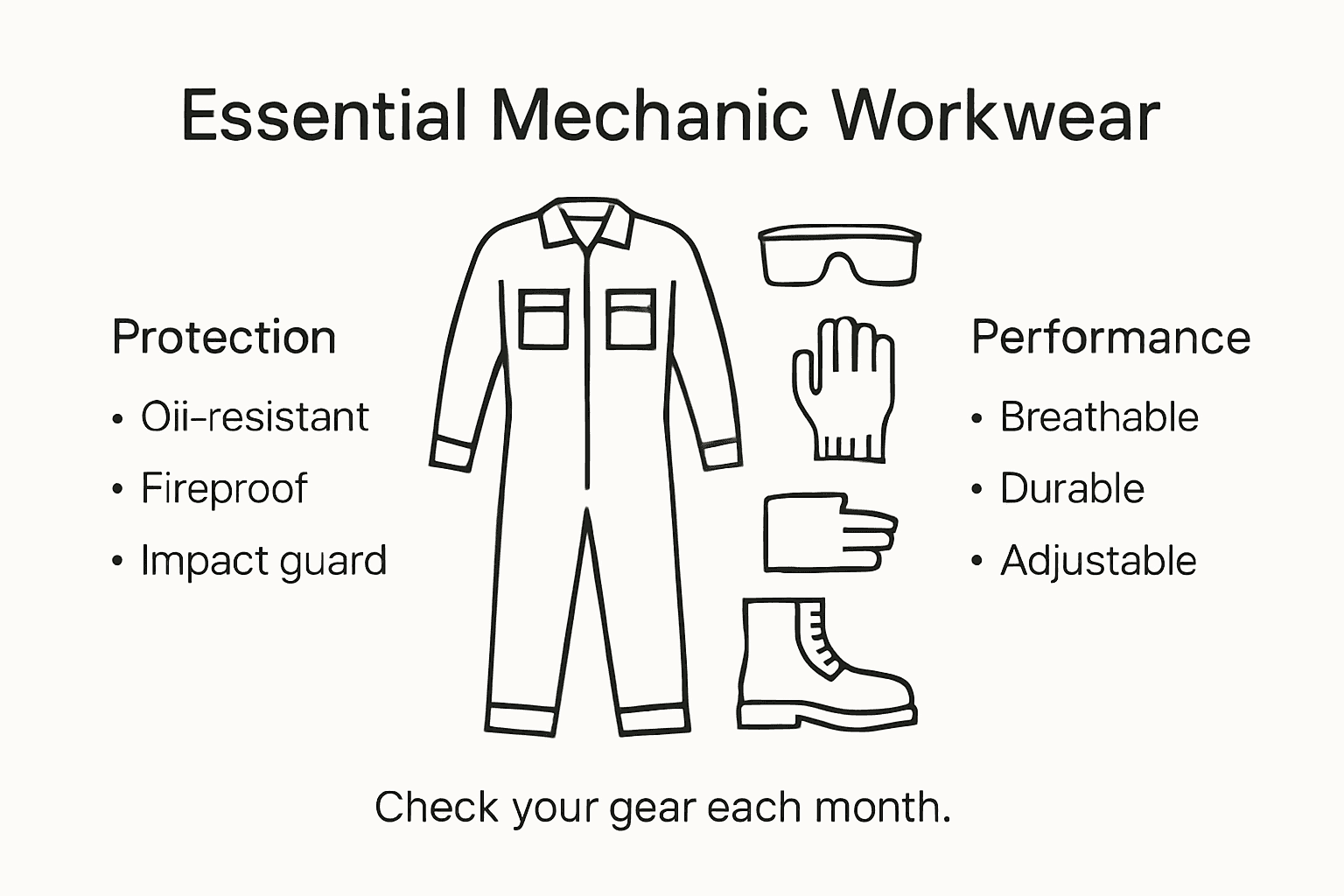
At its core, auto mechanic workwear encompasses a range of clothing and accessories engineered for maximum functionality. Typical components include reinforced pants, durable jackets, protective gloves, steel-toed boots, and specialized headwear. These items are constructed from robust materials like heavy-duty cotton, canvas, and synthetic blends that resist oil, grease, and mechanical wear. The primary goal is to offer mechanics protection from workplace hazards while providing comfort during long hours of physical labor.
The defining characteristics of auto mechanic workwear go beyond mere clothing. These garments incorporate strategic design elements such as multiple pockets for tools, reinforced knees and elbows, breathable fabrics, and adjustable fits. Workwear differs from personal protective equipment (PPE) by focusing on overall durability and wearability, creating a comprehensive solution that supports a mechanic’s daily performance and safety needs.
Pro tip: Invest in workwear with double-stitched seams and ripstop fabric to ensure maximum durability and protection against daily mechanical wear and tear.
Types of Mechanic Workwear Explained
Auto mechanics rely on a diverse range of specialized workwear designed to address specific workplace challenges. Mechanics wear specialized clothing depending on their tasks and the level of protection needed, with each garment serving a crucial purpose in maintaining safety and performance. The primary categories of mechanic workwear include protective outer layers, hand protection, footwear, and specialized safety gear.
Outer Layer Workwear forms the foundation of a mechanic’s protective ensemble. This category includes:
- Coveralls: Full-body protection that shields clothing from grease, oil, and mechanical debris
- Work Jackets: Durable outerwear with reinforced shoulders and multiple tool pockets
- Protective Pants: Designed with extra knee reinforcement and made from tough, tear-resistant materials
Hand and foot protection represent another critical component of mechanic workwear. Protective Gloves range from lightweight mechanics’ gloves with enhanced grip to heavy-duty options with chemical resistance. Safety Footwear typically includes steel-toe boots that protect against falling objects and provide electrical hazard protection. Some specialized roles, such as welding or fuel system maintenance, require additional protective elements like flame-resistant clothing and arc-rated gear.

Pro tip: Invest in multi-purpose workwear with removable layers and adjustable features to maximize versatility across different automotive work environments.
Here’s a comparison of common auto mechanic workwear types and their ideal uses:
| Workwear Type | Best For | Key Benefit |
|---|---|---|
| Coveralls | Full-body tasks | Maximum coverage, easy on/off |
| Work Jackets | Upper body protection | Holds tools, reinforced areas |
| Protective Pants | Kneeling and crawling | Durable with knee support |
| Safety Footwear | Shop floors, heavy tools | Protects feet, slips, shocks |
| Specialty Gear | Welding, chemical tasks | Specific hazard resistance |
Essential Features for Garage Safety
Garage safety demands comprehensive protective strategies that go beyond simple clothing choices. Safety protocols emphasize the importance of regular inspection of both tools and protective gear to prevent workplace injuries, making workwear a critical component of mechanic protection. The right workwear serves as the first line of defense against potential workplace hazards.
Key protective features for mechanic workwear include:
- Abrasion Resistance: Materials that withstand constant friction and mechanical stress
- Chemical Protection: Fabrics that repel oils, solvents, and other harmful substances
- Flame Resistance: Specially treated clothing that prevents potential fire-related injuries
- Mobility Design: Flexible construction that allows full range of motion during complex tasks
Personal protective equipment (PPE) remains crucial in garage safety. Safety Glasses protect against flying debris, while Chemical-Resistant Gloves shield hands from potentially harmful substances. Steel-Toe Boots prevent foot injuries from heavy falling objects, and Respiratory Protection guards against harmful dust and chemical vapors. The comprehensive approach to garage safety integrates clothing design with strategic protective elements that address multiple potential workplace risks.
Pro tip: Conduct a monthly inspection of your protective gear, checking for signs of wear, chemical damage, or structural compromise that could reduce its safety effectiveness.
Legal and Safety Compliance for Workwear
Legal compliance in auto mechanic workwear is not just a recommendation, but a critical requirement for workplace safety. The Occupational Safety and Health Act (OSH Act) ensures safe working conditions by requiring employers to provide workplaces free from recognized hazards, which includes mandating appropriate protective equipment and workwear for all automotive technicians.
Key legal requirements for mechanic workwear include:
- Hazard Assessment: Employers must systematically identify and evaluate workplace risks
- Protective Equipment Standards: Specific guidelines for material durability, chemical resistance, and protective capabilities
- Training Requirements: Mandatory instruction on proper use and maintenance of protective workwear
- Regular Inspection Protocols: Documented checks to ensure ongoing compliance and equipment effectiveness
The shared responsibility between employers and employees means that both parties play crucial roles in maintaining safety standards. Mechanics must actively participate in safety protocols by wearing certified protective gear, reporting potential hazards, and maintaining their workwear in compliance with established regulations. Employers are legally obligated to provide appropriate training, supply certified protective equipment, and create workplace environments that prioritize worker safety through comprehensive protective strategies.
Pro tip: Maintain a personal log of your protective gear’s inspection dates and replacement schedules to ensure continuous compliance with safety regulations.
Cost Factors and Common Mistakes
Auto mechanic workwear represents a significant investment with multiple cost considerations beyond the initial purchase price. Cost factors for auto mechanic workwear include material durability, protective features, brand reputation, and compliance with safety standards, which collectively determine the long-term value and effectiveness of protective clothing.
Key cost considerations and potential pitfalls include:
- Material Quality: Higher upfront costs often translate to longer-lasting gear
- Protective Capabilities: Cheaper options might compromise safety features
- Frequency of Replacement: Low-quality workwear requires more frequent replacement
- Performance Impact: Inferior clothing can reduce workplace efficiency and productivity
Common mistakes in workwear selection can lead to significant health and safety risks. Failure to protect skin against exposure to oils, solvents, and chemicals found in garages can cause serious occupational health problems, including irritant contact dermatitis and other skin diseases. Mechanics often underestimate the importance of proper fit, chemical resistance, and regular gear maintenance, which can result in reduced protection and increased long-term health expenses.
Pro tip: Calculate the total cost of ownership for workwear by considering durability, replacement frequency, and potential injury prevention, not just the initial purchase price.
Below is a summary of factors influencing the true cost of mechanic workwear:
| Cost Factor | Impact on Value | Example Consideration |
|---|---|---|
| Material Durability | Long-term investment | Fewer replacements needed |
| Safety Compliance | Reduced legal risk | Meets OSHA requirements |
| Maintenance Effort | Ongoing effectiveness | Easy to clean and inspect |
| Brand Reputation | Reliable performance | Trusted by industry experts |
Gear Up for Maximum Protection and Performance
Working as an auto mechanic means facing tough challenges that demand durable, reliable workwear designed to keep you safe and comfortable. Whether you’re dealing with oily stains, abrasion risks, or chemical exposures, having gear that supports your daily tasks is essential. At WorkWearComfort.com, we understand these needs and offer a rugged collection of apparel including All Hooded Sweatshirts - WorkWear Comfort that combine durability with style. Our hoodies provide comfort and protection for long hours in the shop while reflecting the blue-collar values of resilience and hard work.
Do not settle for apparel that fails to meet your tough work environment demands. Visit WorkWearComfort.com today to explore apparel built to endure the wear and tear of demanding trades. If you are looking for stylish yet functional options designed especially for women, check out our Female Hoodie Sweatshirts – WorkWearComfort collection. Take the next step toward better workwear and protect your performance now.
Frequently Asked Questions
What is auto mechanic workwear?
Auto mechanic workwear refers to specialized clothing designed for automotive repair professionals. It includes garments made from durable materials to protect mechanics from hazards like grease and mechanical wear while providing comfort during extended work hours.
What types of clothing are included in auto mechanic workwear?
Auto mechanic workwear typically includes coveralls, work jackets, protective pants, safety footwear, and specialized safety gear. Each category serves a specific purpose to enhance safety and performance in the workplace.
Why is durability important in mechanic workwear?
Durability is essential in mechanic workwear because it ensures that garments withstand harsh conditions, resist wear and tear, and provide ongoing protection. Investing in high-quality materials can reduce the frequency of replacements and enhance overall safety.
What features should I look for in mechanic workwear for safety?
Key features to consider when selecting mechanic workwear include abrasion resistance, chemical protection, flame resistance, and mobility design. These attributes help protect against various hazards encountered in automotive repair environments.
Recommended
- What Is Workwear? A 2025 Guide for Hardworking Professionals - WorkWear Comfort
- Complete Guide to Mechanic Work Wear Essentials – WorkWearComfort
- Understanding Workwear for Mechanics: Durability and Function – WorkWearComfort
- Best Workwear for Electricians: Top Choices for 2025 - WorkWear Comfort
- 7 Essentials for a Complete Men’s Winter Wardrobe Checklist – Vellure Homme
