

Working all day in the Southern heat can leave you drenched, drained, and dangerously exposed to the sun. It’s not just about sweating—it’s about keeping cool, staying dry, and protecting your skin from harmful ultraviolet rays while you get the job done. Finding work clothes that actually provide relief is a struggle many know all too well.
There are proven features and fabrics that make a real difference when you’re up against scorching temperatures. From moisture-wicking shirts that pull sweat away from your skin to UPF-rated clothing that rivals the best sunscreen, smart choices set you up for comfort and safety.
You’re about to discover specific strategies for selecting work apparel that helps you beat the heat, avoid sunburn, and feel better through every shift. Get ready for practical tips you can use right away to upgrade your warm-weather work wardrobe.
Table of Contents
- 1. Choose Moisture-Wicking Fabrics For Maximum Comfort
- 2. Look For UPF-Rated Clothing For Sun Protection
- 3. Opt For Lightweight And Breathable Work Shirts
- 4. Select Durable Lightweight Work Pants Or Shorts
- 5. Prioritize Ventilated And Safety-Approved Work Boots
- 6. Accessorize With Hats And Cooling Gear For Extra Relief
Quick Summary
| Key Message | Explanation |
|---|---|
| 1. Choose moisture-wicking fabrics | Moisture-wicking materials keep you dry by pulling sweat away from your skin, improving comfort and reducing heat stress. |
| 2. Look for UPF-rated clothing | UPF-rated clothes provide all-day protection from UV rays, minimizing skin cancer risk without needing frequent reapplication. |
| 3. Opt for lightweight, breathable work shirts | Lightweight, breathable fabrics enhance air circulation, helping to regulate body temperature and prevent overheating during long shifts. |
| 4. Select durable, lightweight pants or shorts | Pants and shorts made of durable, lightweight materials ensure protection while allowing for better ventilation and movement on job sites. |
| 5. Use ventilated, safety-approved work boots | Ventilated work boots improve airflow, reducing heat and moisture buildup while maintaining safety compliance and comfort throughout your shift. |
1. Choose Moisture-Wicking Fabrics for Maximum Comfort
When you’re working outside in Southern heat, staying dry isn’t just about comfort. It’s about maintaining focus and avoiding heat exhaustion during those long shifts.
Moisture-wicking fabrics work by pulling sweat away from your skin and spreading it across the fabric surface where it can evaporate quickly. This process keeps you feeling dry even when you’re actively sweating, which means you stay cooler longer.
Here’s how the technology works:
- Inner layer properties: The fabric side touching your skin repels moisture (hydrophobic), preventing that clingy, damp feeling
- Outer layer properties: The fabric surface attracts moisture (hydrophilic), allowing sweat to spread out and evaporate faster
- Temperature regulation: By promoting evaporation, these fabrics help your body maintain a stable temperature even in extreme heat
The real benefit? You avoid that uncomfortable sensation of sweat pooling in your shirt or dripping down your face. Moisture management in textiles directly affects how comfortable you feel during physical work, especially when humidity is high.
For construction workers and tradespeople, this matters because wet clothing creates multiple problems. It makes movement harder, causes chafing, and can lead to heat-related issues. A moisture-wicking work shirt keeps you performing at your best from sunrise to quitting time.
Moisture-wicking fabrics don’t just feel better—they help regulate your body temperature when it matters most.
When selecting work clothes, look for materials specifically designed to pull perspiration away from the skin and enhance evaporation. Many modern work shirts combine moisture-wicking properties with durability, so your clothes handle both sweat and the demands of your job.
The difference becomes obvious after your first shift. You’ll notice less sweat buildup, fewer wet spots on your torso, and better overall comfort. That’s the advantage of choosing the right fabric technology for hot weather work.
Pro tip: Check the fabric label for polyester blends or synthetic materials marketed as moisture-wicking or quick-drying, as these outperform 100% cotton in hot, humid conditions.
2. Look for UPF-Rated Clothing for Sun Protection
Working under the Southern sun all day means your skin faces serious UV damage risk. Unlike sunscreen that wears off with sweat and requires reapplication, UPF-rated clothing provides consistent, all-day protection.
UPF stands for Ultraviolet Protection Factor, and it measures how effectively a fabric blocks both UVA and UVB rays. A UPF 50 rating blocks approximately 98% of ultraviolet radiation, which rivals high-quality sunscreen without the need for frequent reapplication.
Here’s why this matters for your work:
- No reapplication needed: Once you put on UPF clothing, you’re protected for the entire shift
- Consistent protection: Weather, sweat, and water don’t diminish the fabric’s protective properties like they do with sunscreen
- Dual UV defense: UPF-rated garments block both UVA and UVB rays, reducing skin cancer risk and sun damage
- Practical coverage: Long-sleeve shirts and wide-brimmed hats with UPF ratings provide maximum protection without sacrificing comfort
The fabric construction makes the difference. Densely woven, tightly constructed materials naturally block more light penetration. Some manufacturers also use chemical treatments to enhance protection, though these require careful laundering since effectiveness can diminish with repeated washing.
UPF 50 clothing blocks nearly as much UV radiation as professional-grade sunscreen, but without the hassle of reapplication.
When selecting work clothes, prioritize loose-fitting garments that are dry, as tight or wet clothing reduces effectiveness. Pair your UPF work shirts with protective hats and apply sunscreen to exposed areas like your face and neck for maximum coverage.
For construction workers spending eight or more hours in direct sunlight, UPF-rated clothing becomes non-negotiable. The cumulative UV exposure from years of outdoor work accelerates skin aging and increases cancer risk significantly. Investing in quality UPF workwear now protects your health for decades.
Pro tip: Look for UPF 50 or UPF 50+ ratings on labels, as these provide maximum protection, and avoid overwashing since frequent laundering can reduce the fabric’s protective capability over time.
3. Opt for Lightweight and Breathable Work Shirts
A heavy work shirt clinging to your skin in ninety-degree heat is your enemy. Lightweight and breathable materials make the difference between a tolerable shift and complete exhaustion.
Breathable fabrics allow air to circulate through the material, which helps your body dissipate heat naturally. When combined with moisture-wicking properties, these shirts pull sweat away from your skin and speed evaporation, preventing that soaked feeling that drains your energy.
There are two main fabric categories worth considering:
- Natural fibers like wool: Possess inherent breathability and absorb significant moisture without feeling wet, releasing it as vapor to regulate temperature
- Synthetic blends or cotton blends: Incorporate hydrophilic and hydrophobic fibers that pull sweat away and accelerate evaporation
- Lightweight construction: Reduces overall fabric weight while maintaining durability for work demands
The key difference between breathable and non-breathable shirts becomes obvious within the first hour of work. Breathable fabrics facilitate heat dissipation and improve ventilation, which reduces your risk of heat stress and heat-related illness during long outdoor shifts.
Wool might surprise you as a hot-weather option. Its natural properties allow it to regulate temperature across varying activity levels, absorbing moisture without making you feel clammy. This dynamic breathability means you stay comfortable whether you’re working hard or taking a break.
Breathable fabrics aren’t a luxury—they’re essential for preventing heat stress during eight-hour shifts in extreme Southern heat.
When shopping for work shirts, check the fabric label for lightweight blends specifically marketed as breathable. Look for garments that feel thin in your hands but still maintain structural integrity. Your work shirt should feel light enough that you forget you’re wearing it.
The weight difference matters more than you think. A heavy cotton shirt absorbs sweat and holds it against your body, trapping heat. A breathable, lightweight alternative keeps air moving and sweat moving, maintaining cooler skin temperature throughout your shift.
Pro tip: Choose shirts with a fabric weight under six ounces per square yard, and prioritize cotton-polyester blends over 100% cotton, as blends offer superior breathability and faster drying times.
4. Select Durable Lightweight Work Pants or Shorts
Your lower half takes a beating on job sites, which means you need pants or shorts that won’t tear, rip, or wear through before the season ends. Yet heavy denim drains your energy in hot weather, creating an impossible choice. Lightweight work pants and shorts solve this dilemma by combining durability with breathability.
Modern work pants for hot climates are engineered from cotton blends or ripstop nylon, materials that resist tearing while remaining significantly lighter than traditional work pants. These fabrics provide the protection you need without the weight that causes overheating.
Key features that matter for hot weather work:
- Reinforced stress points: Extra stitching at seams, pocket corners, and areas prone to tearing extends garment lifespan
- Multiple functional pockets: Secure storage for tools and personal items without adding bulk
- Breathable construction: Allows air circulation for temperature regulation throughout your shift
- Water-repellent treatments: Protects against spills and splashes without trapping moisture
- Stretch materials: Nylon and polyester blends with stretch components improve mobility and comfort
Work shorts designed for hot weather emphasize durability alongside ventilation. Many quality shorts feature UPF 50+ sun protection built into the fabric, protecting your legs during long outdoor shifts. The combination of lightweight nylon or polyester blends with reinforced stitching creates shorts that withstand demanding job site conditions.
Proper fit matters significantly. Pants that are too tight restrict movement and trap heat around your legs. Shorts that are too loose create tripping hazards and reduce functionality. Look for a comfortable fit that allows full range of motion without excess fabric bunching or sagging.
Lightweight work pants outperform heavy denim in hot climates because they allow heat dissipation while maintaining structural integrity under stress.
The ripstop fabric used in many tactical work pants deserves special mention. Its grid pattern prevents small tears from spreading, meaning a small snag doesn’t become a rip that forces you to replace the pants mid-season. Combined with lightweight materials, ripstop construction provides exceptional durability-to-weight ratio.
Consider your specific work environment when choosing between pants and shorts. Full-length pants protect your legs from sun exposure and minor cuts, while shorts maximize ventilation. Many skilled trades professionals keep both options available depending on the day’s tasks and heat conditions.
Pro tip: Choose pants or shorts with reinforced pocket construction and ripstop or blend fabrics, and prioritize options with a weight under eight ounces per square yard to maintain comfort during eight-hour shifts.
5. Prioritize Ventilated and Safety-Approved Work Boots
Your feet are trapped inside boots for eight or more hours, making them ground zero for heat buildup and sweat accumulation. Yet you can’t sacrifice safety protection for comfort. Ventilated, safety-approved work boots give you both.
Safety-approved work boots must meet OSHA requirements and protect against workplace hazards like falling objects, punctures, and electrical risks. The good news is that modern safety boots now incorporate ventilation features that keep your feet cooler without compromising protection.
Ventilation in work boots works by promoting airflow inside the shoe, which reduces heat buildup and moisture accumulation. Better airflow means your feet stay drier, cooler, and more comfortable throughout your shift. This principle directly reduces heat stress discomfort during exposure to high temperatures.
Look for these ventilation features:
- Breathable mesh panels: Allow air circulation while maintaining structural support
- Perforated insoles: Create airflow pathways beneath your foot
- Moisture-wicking linings: Pull sweat away from skin to keep feet dry
- Lighter-colored uppers: Reflect heat rather than absorbing it
- Open-grid designs: Maximize ventilation in non-safety-critical areas
Your workplace hazard assessment determines which safety features you actually need. A roofer needs different protection than an electrician, and construction workers have unique requirements. Don’t pay for safety features you don’t need, but never compromise on those you do.
Ventilated safety boots reduce foot fatigue and heat stress while maintaining OSHA compliance for your specific job site hazards.
The difference between standard and ventilated safety boots becomes obvious by mid-afternoon. Your feet will feel less swollen, your socks won’t feel soaked, and blisters become less likely. This comfort improvement translates directly to better focus and safer work habits.
Break in ventilated safety boots before your first full shift. New boots require adjustment time, and ventilated designs sometimes feel looser than traditional boots. Taking time to properly acclimate ensures maximum comfort and safety performance when it matters most.
Consider keeping two pairs of safety boots in rotation. Alternating between pairs allows each boot to dry completely, extending lifespan and maintaining ventilation effectiveness. This small investment in extra footwear pays dividends in comfort and durability.
Pro tip: Select safety boots with breathable mesh construction and moisture-wicking insoles, and verify they meet OSHA requirements for your specific workplace hazards before purchasing.
6. Accessorize with Hats and Cooling Gear for Extra Relief
You’ve got the right shirt, pants, and boots, but your head, face, and neck are still getting hammered by direct sun. The right accessories transform your comfort level and provide critical protection that clothing alone cannot achieve.
A wide-brimmed hat is non-negotiable for outdoor work in hot climates. It shields your head, face, neck, and ears from harmful ultraviolet rays. Unlike a baseball cap that leaves your ears and neck exposed, a wide brim creates a protective perimeter around your entire upper body.
Look for hats with these features:
- Wide brims (at least three inches): Provide maximum shade coverage for face, ears, and neck
- UPF protection: Hats with UPF ratings block ultraviolet radiation similar to rated clothing
- Moisture-wicking sweatbands: Absorb sweat and prevent it from running into your eyes
- Ventilation holes: Allow heat and moisture to escape without sacrificing coverage
- Lightweight construction: Reduces neck strain and heat buildup during long shifts
Cooling accessories amplify your comfort beyond what base clothing provides. Moisture-wicking neck gaiters retain moisture and facilitate evaporative cooling, keeping your neck cooler throughout the day. UV-protective sunglasses reduce eye strain and protect delicate facial skin.
Think of cooling gear as a complete system. Your shirt handles moisture management across your torso. Your hat protects your head and face. Your neck gaiter handles the vulnerable neck area. Sunglasses protect your eyes and prevent squinting that causes facial tension. Together, they create comprehensive protection.
Combining a wide-brimmed hat with cooling accessories like neck gaiters provides extra comfort and reduces heat-related illness risk during extreme Southern heat.
Many construction professionals underestimate how much accessories improve their day. Shade from a proper hat reduces direct sun exposure by up to 75 percent on your face and neck. This reduction in solar radiation directly lowers your core body temperature.
Hydration works best alongside proper accessories. A wide-brimmed hat keeps sun off your face, reducing sweating in that area. This preserved hydration can be directed toward critical cooling needs elsewhere. Frequent breaks in the shade become more effective when you’re wearing protective gear.
Invest in quality accessories you’ll actually wear. A flimsy hat that blows off on the job site or uncomfortable neck gear that irritates your skin won’t protect you. Choose gear designed for work environments with durable construction and proven comfort.
Pro tip: Select a wide-brimmed hat with UPF 50+ rating and a moisture-wicking sweatband, then pair it with a UV-protective neck gaiter or bandana for maximum head and neck cooling during your shift.
Below is a comprehensive table summarizing strategies and considerations for selecting appropriate clothing and accessories for working under Southern heat as discussed in the article.
| Topic | Key Details | Benefits |
|---|---|---|
| Moisture-Wicking Fabrics | Keeps skin dry by pulling sweat to the outer fabric layer for evaporation. | Reduces discomfort and heat exhaustion risk. |
| UPF-Rated Clothing | Provides consistent UV protection without reapplication. | Protects against skin damage and reduces cancer risk. |
| Lightweight and Breathable Shirts | Allows air circulation and moisture evaporation to maintain a cooler body temperature. | Prevents heat stress and increases stamina during long shifts. |
| Durable Lightweight Pants or Shorts | Combines resistance to wear and tear with material breathability. | Enhances mobility and reduces heat exhaustion. |
| Ventilated and Safety-Approved Boots | Incorporates airflow features while meeting safety regulations. | Keeps feet dry and comfortable while providing protection. |
| Hats and Cooling Gear | Includes items like wide-brimmed hats and neck gaiters for added heat relief. | Reduces direct sun exposure and improves hydration retention. |
Stay Cool and Protected with Workwear Designed for Southern Heat
Working long hours under the Southern sun means battling sweat, heat, and constant UV exposure. As the article highlights, moisture-wicking fabrics, UPF-rated clothing, breathable materials, and ventilated boots are essential to maintain comfort and safety while preventing heat-related issues. At WorkwearComfort.com, we understand these challenges and offer durable, functional apparel that helps you stay cool, dry, and protected from sun damage all day long.
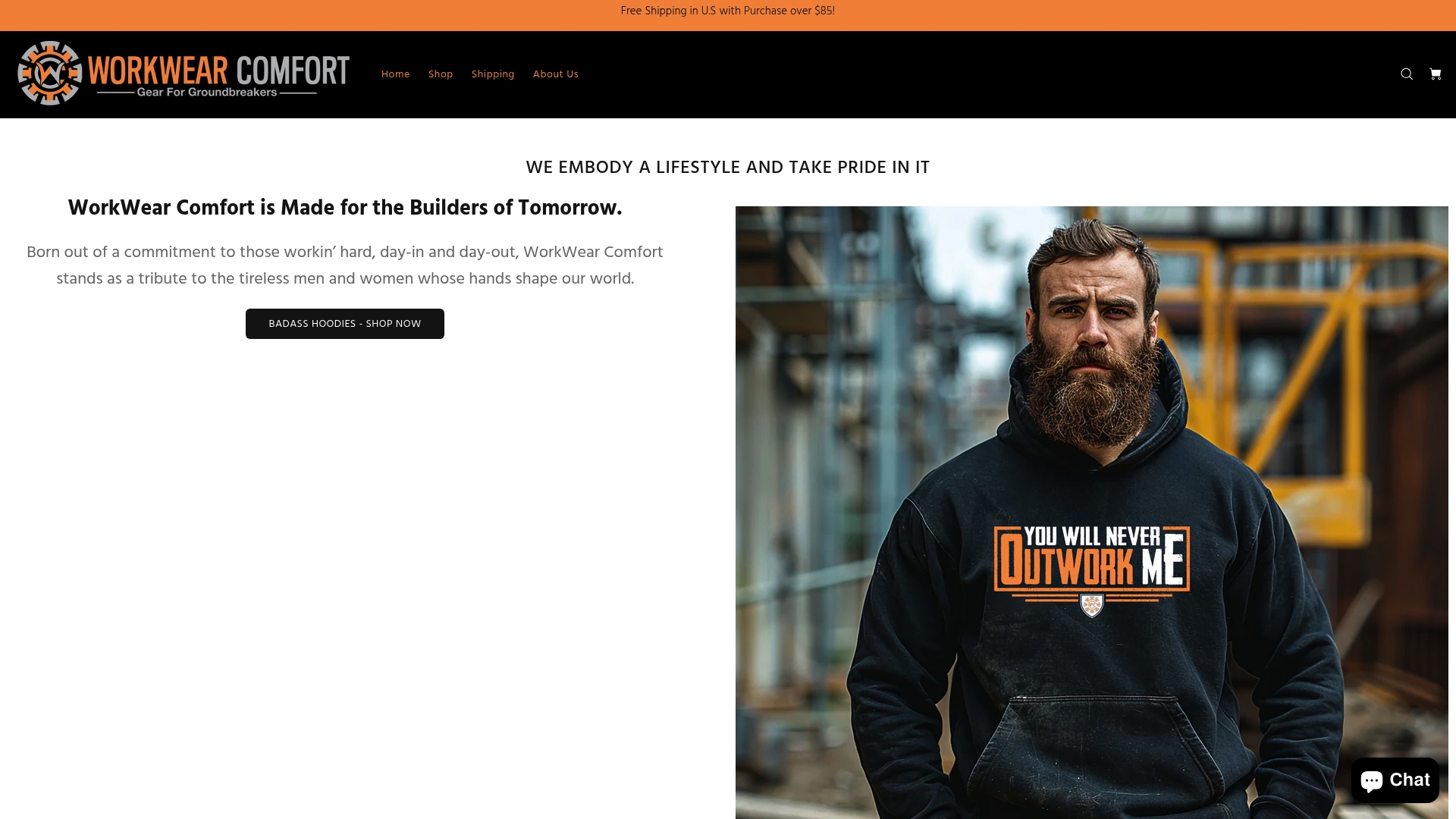
Explore our collection featuring moisture-wicking shirts with UPF 50+ protection and lightweight work pants designed for breathability and toughness on the job site. Don’t sacrifice comfort for durability when you can have both. Visit WorkwearComfort.com now and gear up with the right tools to conquer the heat and work smarter in Southern conditions. Your next shift just got cooler and safer.
Frequently Asked Questions
What are moisture-wicking fabrics, and why are they important for hot weather work clothes?
Moisture-wicking fabrics pull sweat away from your skin and facilitate quick evaporation, helping you stay dry and cool during hot shifts. Look for work clothes specifically labeled as moisture-wicking to improve your comfort and performance on the job.
How does UPF-rated clothing protect me from sun damage while working outdoors?
UPF-rated clothing provides consistent protection from harmful UV rays without the need for reapplication, making it ideal for all-day outdoor work. When selecting clothing, prioritize items with a UPF rating of 50 or higher for maximum sun protection.
What should I consider when choosing lightweight work pants or shorts for hot conditions?
When selecting lightweight work pants or shorts, focus on breathable materials that offer durability, such as cotton blends or ripstop nylon. Ensure they have features like reinforced stress points and functional pockets to enhance both comfort and practicality during your shifts.
Why are ventilated and safety-approved work boots necessary for hot weather jobs?
Ventilated and safety-approved work boots keep your feet cool and dry while also protecting against workplace hazards. Look for boots with breathable mesh panels and moisture-wicking linings for optimal comfort during long hours of work.
How can accessories like hats and cooling gear enhance my comfort in hot weather?
Accessories such as wide-brimmed hats provide critical sun protection and cooling for your face, neck, and ears, while neck gaiters can enhance moisture management. Invest in quality accessories that will keep you comfortable and reduce heat-related illness risk during your shifts.
What specific features should I look for in breathable work shirts?
Breathable work shirts should be made of lightweight materials that allow air circulation, such as cotton-polyester blends. Choose shirts that are marketed as breathable and have moisture-wicking properties to ensure maximum comfort throughout your workday.
