

Finding workwear that keeps you cool while standing up to the demands of physically tough jobs in hot climates feels impossible. You need gear that breathes when temperatures soar, yet resists tears and abrasion when you’re working with rough materials or near sparks. Most options force you to choose between comfort and protection, leaving you overheated or under-protected. This guide breaks down the key criteria for selecting hot weather workwear, reviews top tested options for breathability and durability, and provides clear comparisons to help you choose the best garments for your specific trade and work environment.
Table of Contents
- Key takeaways
- Criteria for choosing workwear in hot climates
- Top workwear options tested for hot climates
- Comparing hot climate workwear: durability vs breathability
- Recommendations for different trades and climates
- Discover workwear designed for your tough, hot climate jobs
- Frequently asked questions about workwear for hot climates
Key Takeaways
| Point | Details |
|---|---|
| Breathability matters most | Breathability is the top factor in hot climates, enabling airflow and quick sweat evaporation to prevent heat buildup. |
| Truewerk T1 airflow leader | The Truewerk T1 delivers high airflow while maintaining durability for mixed hot weather tasks. |
| 1620 NYCO high abrasion | The 1620 NYCO blend offers rugged abrasion resistance suitable for construction and sparks yet remains reasonably breathable. |
| Agricultural balance picks | BRUNT Costello and Dickies FLEX provide breathable yet durable options for farming and fieldwork. |
| Loose clothing reduces heat | Loose breathable clothing minimizes heat stress symptoms and improves productivity during hot shifts. |
Criteria for choosing workwear in hot climates
Selecting the right workwear for hot conditions requires balancing multiple factors that directly impact your safety and comfort throughout long shifts. Understanding these criteria helps you make informed decisions rather than settling for whatever’s available at the local supply store.
Breathability stands as the most critical factor for hot weather work. Fabrics must allow maximum airflow and let sweat evaporate quickly to prevent heat buildup. Without proper ventilation, your body temperature rises rapidly, leading to fatigue and potential heat-related illness. Look for materials with open weaves or moisture-wicking properties that actively move heat away from your skin.
Durability against tears and abrasion matters just as much, especially in physically demanding trades. Your workwear faces constant friction from tools, materials, and rough surfaces. Fabric must resist punctures from sharp objects and withstand repeated stress without falling apart. The challenge lies in finding materials that offer protection without sacrificing breathability through heavy, tightly woven construction.
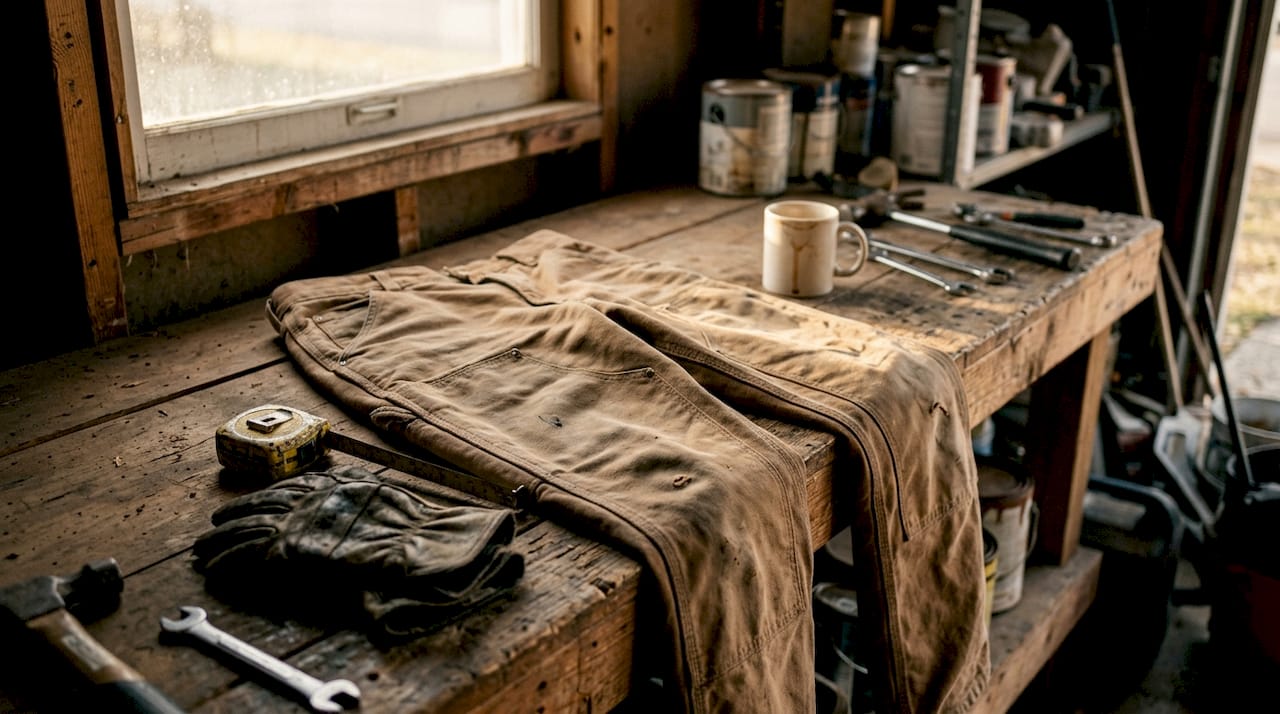
Fabric weight directly impacts how comfortable you’ll feel during hot weather work. Heavier materials often provide better abrasion resistance but trap more heat against your body. Lighter fabrics enhance cooling but may not hold up to aggressive work conditions. The sweet spot depends on your specific job demands and the intensity of heat exposure you face daily.
Fit plays a crucial role in ventilation and comfort. Loose breathable clothing reduces heat stress symptoms and improves productivity during hot months. Garments that allow air circulation between fabric and skin help regulate body temperature naturally. However, clothing can’t be so loose that it creates safety hazards around machinery or catches on equipment.
Material composition affects every performance aspect. NYCO blends (nylon and cotton) offer durability with reasonable breathability. Synthetic moisture-wicking fabrics excel at moving sweat but may feel less comfortable against skin. Natural fibers like cotton breathe well but dry slowly and tear more easily. Consider how different materials perform under your specific work conditions.
Pro Tip: If you work in environments with minimal abrasion risk, prioritize breathability over heavy-duty durability. The comfort boost and reduced heat stress will significantly improve your energy levels and focus throughout the day. Save the heavy-duty options for jobs involving sparks, sharp materials, or constant surface friction. Check out workwear hot weather tips for more guidance on staying cool.
Top workwear options tested for hot climates
Several workwear options have undergone rigorous testing for breathability, tear strength, and abrasion resistance. These tests reveal clear performance differences that matter when you’re working through scorching conditions.
The Truewerk T1 excels in breathability and durability, making it a top choice for workers who need both comfort and protection. This garment delivers superior airflow while maintaining impressive tear strength and abrasion resistance. It performs exceptionally well across multiple demanding scenarios without forcing you to sacrifice cooling for toughness.
Key strengths of the Truewerk T1:
- Outstanding airflow keeps you cooler during intense physical labor
- High tear strength withstands pulls and snags from sharp objects
- Excellent abrasion resistance handles repeated friction against rough surfaces
- Balanced weight provides protection without excessive heat retention
- Versatile enough for various trades requiring both breathability and durability
The 1620 NYCO Utility offers the highest abrasion resistance among tested options, making it ideal for high-risk environments. Construction workers, welders, and mechanics working near sparks or constantly abrasive surfaces benefit most from this choice. The trade-off comes in reduced airflow due to heavier fabric construction.
1620 NYCO Utility characteristics:
- Maximum protection against abrasion and spark exposure
- Strong tear force resists damage from sharp tools and materials
- Heavier fabric weight limits breathability compared to lighter options
- Best suited for jobs where protection outweighs cooling needs
- Durable construction extends garment lifespan in harsh conditions
The Ariat M5 Ultralight provides best airflow for extreme heat but shows weaker tear resistance. This option works perfectly for trades with minimal abrasion risk where maximum cooling takes priority. Landscapers, delivery workers, and agricultural laborers in scorching climates appreciate the ventilation.
Arial M5 Ultralight features:
- Superior airflow for maximum cooling in extreme temperatures
- Lightweight construction enhances mobility and reduces fatigue
- Lower tear resistance makes it less suitable for high-abrasion work
- Ideal for jobs prioritizing comfort over heavy-duty protection
- Quick-drying properties help manage sweat during long shifts
The Dickies Flex Cooling line offers moderate performance but falls short in durability testing. While the cooling features provide some relief, the lower abrasion and tear resistance make it less recommended for demanding physical labor. It works adequately for light-duty tasks but struggles in tougher conditions. Explore more options in our guide to the best hot weather workwear.
Comparing hot climate workwear: durability vs breathability
Understanding the specific trade-offs between different workwear options helps you match garments to your job demands. This comparison table shows how top choices measure up across critical performance metrics.
| Workwear Option | Airflow Rating | Tear Strength (lb) | Abrasion Passes | Fabric Weight |
|---|---|---|---|---|
| Truewerk T1 | Excellent | 89 | 2,400 | Medium |
| 1620 NYCO Utility | Good | 95 | 3,200 | Heavy |
| Ariat M5 Ultralight | Outstanding | 62 | 1,800 | Light |
| Dickies Flex Cooling | Good | 58 | 1,600 | Light |
The data reveals clear patterns in performance trade-offs. Truewerk T1 balances airflow and tear strength better than competitors, while 1620 NYCO dominates in abrasion resistance at the cost of some breathability. High breathability typically means lower durability because lighter, more open-weave fabrics resist damage less effectively than dense, heavy materials.
These trade-offs force you to evaluate your specific work conditions carefully. Jobs involving constant friction against rough surfaces, exposure to sparks, or sharp material handling demand higher abrasion resistance even if it means slightly reduced cooling. Conversely, work in extreme heat with minimal physical hazards benefits more from maximum airflow and lighter weight construction.
The 1620 NYCO Utility’s 3,200 abrasion passes significantly outperform other options, making it the clear choice for welders, metal workers, and construction professionals working near dangerous surfaces. The heavier fabric weight and reduced airflow become acceptable trade-offs when protection prevents injury or extends garment life in harsh conditions.
Arial M5 Ultralight sits at the opposite end of the spectrum with outstanding airflow but only 1,800 abrasion passes and 62 pounds of tear strength. This makes perfect sense for outdoor workers in scorching climates who face minimal physical hazards. The cooling benefit outweighs durability concerns when your primary challenge is managing body temperature rather than protecting against abrasion.
Pro Tip: Select based on your specific job risk profile rather than trying to find one perfect option. If you regularly work near sparks, grinding operations, or extremely abrasive surfaces, choose the 1620 NYCO despite lower breathability. Your safety and garment longevity matter more than a few degrees of extra cooling. For jobs in extreme heat without significant abrasion risks, maximize breathability with options like the Ariat M5 or Truewerk T1. Learn more about choosing breathable workwear for your specific needs.
The Truewerk T1 emerges as the most versatile choice for workers who need strong performance across all categories without extreme specialization. Its medium fabric weight, excellent airflow, and solid durability metrics make it adaptable to various trades and conditions. This balanced approach works well when your job demands shift between different tasks or environments throughout the week.
Recommendations for different trades and climates
Matching workwear to your specific trade and climate intensity ensures optimal comfort and protection. Different jobs present unique challenges that require tailored solutions rather than one-size-fits-all approaches.
-
Trades with low abrasion risk: Landscaping, delivery, light maintenance, and similar jobs benefit most from maximum breathability options like Truewerk T1 or Ariat M5. These trades expose you to intense heat without significant tear or abrasion hazards. Prioritize airflow and lightweight construction to prevent heat exhaustion and maintain energy throughout long shifts. The superior cooling outweighs any durability concerns since you’re not working with sharp materials or abrasive surfaces regularly.
-
High abrasion and spark risk trades: Construction workers, mechanics, welders, and metal fabricators need the protection of 1620 NYCO workwear despite reduced breathability. Your work environment presents constant threats from sparks, grinding operations, sharp metal edges, and rough concrete or steel surfaces. The heavy-duty abrasion resistance and superior tear strength prevent injuries and extend garment life significantly. Accept slightly reduced cooling as a necessary trade-off for essential protection.
-
Agricultural jobs with mixed demands: Farming, ranching, and agricultural work combines elements of both previous categories. You face moderate abrasion from equipment and materials while working in intense heat for extended periods. Balanced options like BRUNT Costello or Dickies FLEX cooling line provide adequate protection without excessive heat retention. These garments handle typical agricultural tasks while offering better ventilation than heavy-duty construction wear.
-
Climate intensity considerations: Extreme heat environments (consistently above 95°F) demand prioritizing breathability even in moderately abrasive jobs. Your body’s cooling needs become critical to preventing heat-related illness. Choose the lightest, most breathable option your job safety allows. In milder hot climates (80-90°F), you can opt for slightly heavier, more protective options without overwhelming heat stress.
-
Monitoring and adjustment: Pay attention to heat stress symptoms like excessive fatigue, dizziness, or reduced focus. These signs indicate your current workwear isn’t managing heat effectively. Switch to lighter, more breathable options even if it means slightly reduced durability. Your health and productivity matter more than maximizing garment lifespan. Find more guidance on appropriate hot weather work clothes and additional work wear for hot weather tips.
Fit adjustments matter as much as fabric selection. Ensure garments allow air circulation without creating safety hazards. Loose fits work better in most hot weather scenarios, but avoid excessive bagginess around machinery or moving equipment. Test different sizes to find the balance between ventilation and safe working conditions.
Discover workwear designed for your tough, hot climate jobs
You deserve workwear that handles both the heat and the demands of your job without forcing compromises. We’ve built our selection around the real challenges blue-collar workers face in hot climates, focusing on breathability, durability, and comfort that lasts through long shifts.
Our Blue Collar Brotherhood Hoodie has become a favorite among workers who need versatile, comfortable gear that stands up to tough conditions. Browse our full range to find specialized garments that match your specific trade demands. We understand that protection and comfort aren’t luxuries, they’re necessities for doing your job well. Every piece we offer reflects our commitment to supporting hardworking professionals who need gear that works as hard as they do.
Frequently asked questions about workwear for hot climates
What fabrics are best for extremely hot conditions?
Lightweight synthetic blends with moisture-wicking properties offer the best cooling in extreme heat. Look for fabrics that combine breathability with quick-drying capabilities to manage sweat effectively. NYCO blends work well when you need some durability, while ultralight synthetics maximize airflow for low-abrasion jobs.
How loose should workwear be for hot climates?
Workwear should fit loosely enough to allow air circulation between fabric and skin without creating safety hazards. Aim for garments that don’t cling to your body but won’t catch on equipment or machinery. Test mobility by bending, reaching, and moving through typical work motions to ensure the fit supports both cooling and safe operation.
Can PPE like gloves and boots affect heat stress?
Yes, personal protective equipment significantly contributes to heat stress by trapping heat and limiting ventilation. Choose the lightest PPE that meets safety requirements for your job. Look for gloves with breathable backs and boots with moisture-wicking liners to minimize additional heat buildup while maintaining necessary protection.
How often should workwear be replaced when used in hot, abrasive jobs?
Replace workwear when you notice significant thinning, tears, or reduced protective capability, typically every 6 to 12 months in high-abrasion environments. Inspect garments regularly for weak spots that could fail during critical moments. Investing in higher-quality, more durable options like 1620 NYCO extends replacement intervals and provides better long-term value.
Are there cooling technologies integrated into modern hot weather workwear?
Modern workwear incorporates several cooling technologies including moisture-wicking fibers, ventilated panels, and reflective treatments that deflect heat. Some garments feature mesh inserts in high-heat areas or chemical treatments that enhance evaporative cooling. These technologies work best when combined with proper fit and appropriate fabric weight for your specific work conditions.
