

Every American worker in a physically demanding job understands the value of clothing that works as hard as they do. Durable blue collar apparel is the backbone of countless industries, offering far more than just coverage. With over 60 percent of American jobs falling into blue collar professions, the right gear means increased safety, comfort, and the power to tackle tough environments. Discover how purpose-built workwear keeps workers protected, productive, and prepared for anything the job throws their way.
Table of Contents
- Defining Blue Collar Apparel And Its Purpose
- Core Workwear Essentials For Every Trade
- Why Durability And Performance Matter
- Trade-Specific Clothing: Meeting Unique Demands
- Maximizing Comfort For Productivity On The Job
Key Takeaways
| Point | Details |
|---|---|
| Purpose of Blue Collar Apparel | Blue collar apparel provides safety, durability, and functionality, essential for workers in physically demanding roles across industries. |
| Core Workwear Essentials | Important items include reinforced work pants, sturdy boots, and protective outerwear tailored to specific trades and their hazards. |
| Importance of Durability | Investing in high-performance workwear enhances safety and reduces long-term costs, as durable clothing withstands extreme conditions. |
| Comfort Drives Productivity | Ergonomic design and proper fit of workwear significantly influence worker comfort, enhancing productivity and reducing fatigue. |
Defining Blue Collar Apparel and Its Purpose
Blue collar apparel represents more than just clothing - it’s purpose-built protection for workers who turn physical labor into the foundation of our economy. Understanding blue-collar worker definitions reveals the critical role these professionals play across industries like manufacturing, construction, and maintenance.
At its core, blue collar workwear serves three fundamental purposes: safety, durability, and functionality. Workers in physically demanding roles need clothing that can withstand harsh environments, resist wear and tear, and provide critical protection against workplace hazards. Unlike white collar office attire, blue collar apparel is engineered to handle everything from extreme temperatures to potential chemical exposures, dirt, and mechanical stress.
The design philosophy behind blue collar clothing prioritizes practical performance. Reinforced stitching, heavy-duty fabrics, and strategic padding aren’t just fashion choices - they’re essential features that enable workers to perform demanding tasks safely and comfortably. From welders needing flame-resistant materials to construction workers requiring high-visibility gear, each specialized profession demands unique apparel solutions that blend protection with mobility.
Historically, blue collar apparel emerged from the practical needs of industrial workers, evolving from simple denim and cotton workwear to today’s advanced, technology-enhanced clothing. Comprehensive blue collar dress code guides now outline sophisticated requirements that balance workplace safety regulations with worker comfort and professional appearance.
Core Workwear Essentials for Every Trade
Every trade demands a unique set of workwear essentials, but certain core pieces are universal across industries. Understanding workwear for mechanics reveals the critical importance of clothing that can withstand intense physical demands while providing maximum protection and functionality.
Work pants form the foundation of any tradesperson’s wardrobe. These aren’t just ordinary trousers - they’re engineered for durability, featuring reinforced knee areas, multiple utility pockets, and robust fabric that can handle everything from construction sites to automotive workshops. Manufacturers like heavy-duty workwear brands have perfected designs that combine rugged materials with practical features like tool loops, extra-strong stitching, and resistance to wear and tear.
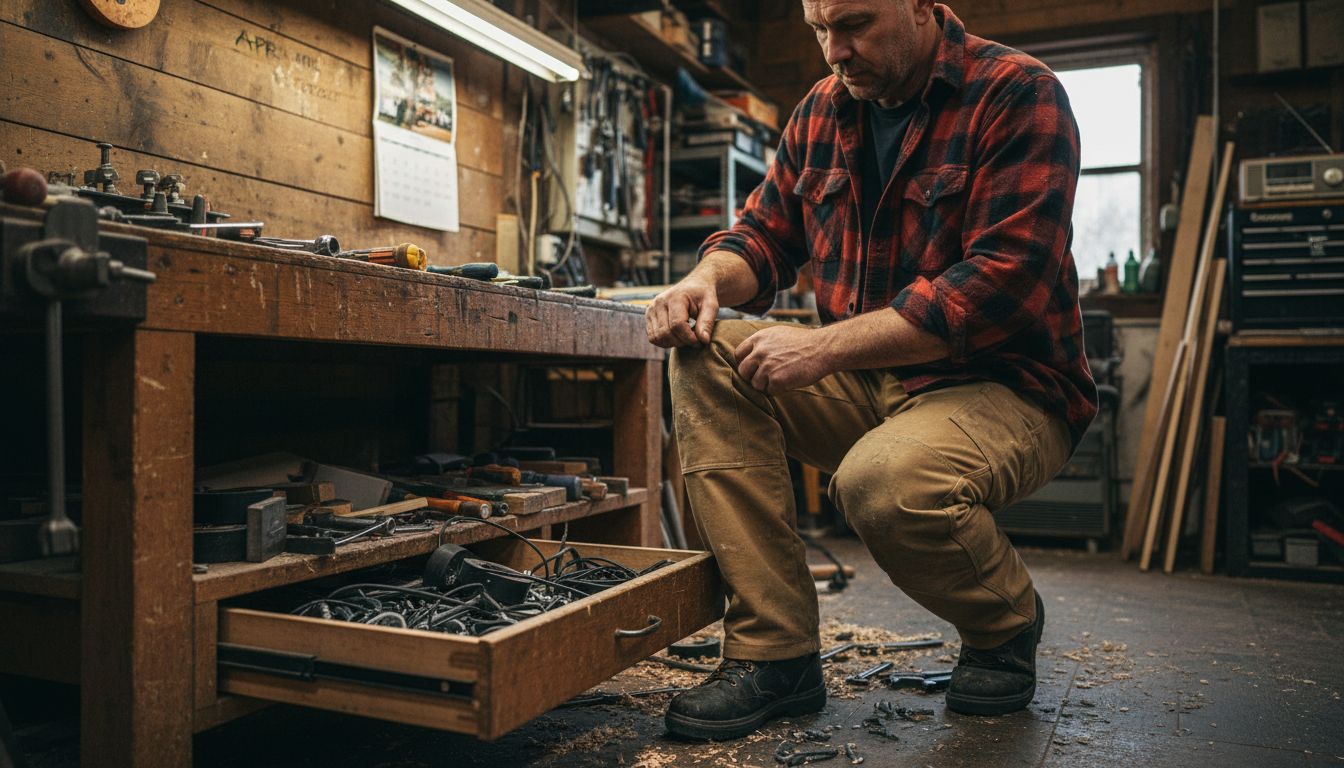
Beyond pants, the critical trio of workwear essentials includes sturdy boots, durable outerwear, and protective headgear. Steel-toe boots provide critical foot protection in hazardous environments, while heavy-duty jackets shield workers from harsh weather conditions. Construction workwear insights highlight the importance of selecting gear that’s not just comfortable, but also compliant with safety regulations.
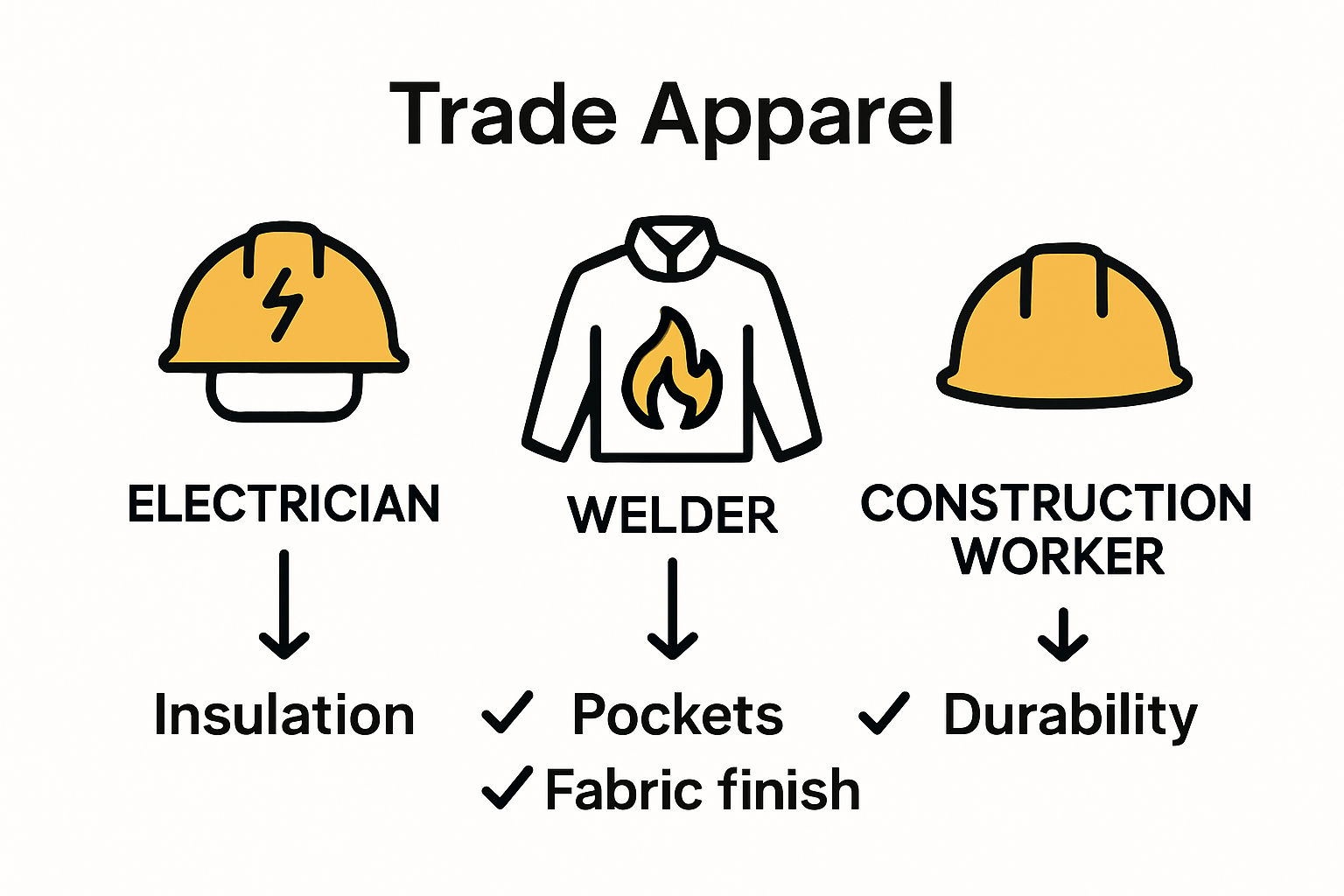
Specialized trades require additional specific gear. Welders need flame-resistant clothing, electricians demand non-conductive materials, and outdoor workers require high-visibility garments. The key is matching your workwear precisely to your profession’s unique challenges, ensuring both safety and peak performance in the most demanding work environments.
Why Durability and Performance Matter
Top trades gear and apparel reveal a fundamental truth about blue-collar work: clothing isn’t just about coverage, it’s about survival and performance. In environments where a single stitch failure could compromise safety, durability becomes more than a feature - it’s a lifeline for workers facing extreme conditions daily.
Performance engineering in workwear goes far beyond aesthetic considerations. Heavy-duty workwear manufacturers understand that professional-grade clothing must withstand brutal punishment, with materials like 12-ounce cotton canvas and triple-stitched seams representing the gold standard of workplace protection. These robust fabrics aren’t just about lasting longer - they’re about protecting workers from potential injuries, temperature extremes, and mechanical hazards that could interrupt critical work.
The economic calculus of durable workwear is straightforward: investing in high-performance clothing reduces long-term costs. Cheaper garments might save money upfront, but they quickly deteriorate, requiring frequent replacement and potentially exposing workers to increased risk. Professional-grade workwear distributes its initial higher cost across months or years of consistent performance, making it a smart financial decision for both individual workers and companies.
Beyond physical durability, performance matters in less tangible ways. Clothing that moves with the body, wicks away moisture, and provides strategic reinforcement allows workers to focus entirely on their tasks. Whether it’s a welder dealing with extreme heat, a construction worker battling harsh weather, or a mechanic navigating tight spaces, the right workwear becomes an extension of the professional - enhancing capability rather than restricting movement.
Trade-Specific Clothing: Meeting Unique Demands
Understanding trade-specific workwear requires recognizing that no single clothing solution fits every professional environment. Workwear for hardworking professionals demonstrates the critical need for specialized apparel that addresses the unique challenges of different occupational sectors.
Protective clothing represents more than just a safety requirement - it’s a sophisticated engineering challenge. Specialized workwear manufacturers have developed intricate designs tailored to specific trade demands, such as fire-resistant clothing for electricians, insulated gear for outdoor workers, and chemical-resistant fabrics for industrial technicians. Each profession demands its own unique protective characteristics, from thermal regulation to impact resistance.
Trade-specific clothing goes beyond basic protection, incorporating advanced features that enhance worker performance. Construction workers require high-visibility materials and reinforced knee panels, while welders need flame-retardant fabrics with extra mobility. Mechanics benefit from grease-resistant textiles and strategically placed tool pockets, allowing them to work efficiently without clothing limitations. These specialized design elements transform workwear from simple coverage to a critical performance tool.
The evolution of trade-specific clothing reflects ongoing technological innovation and a deeper understanding of workplace ergonomics. Designers now collaborate directly with professionals to create apparel that addresses specific environmental challenges, movement restrictions, and safety protocols. This approach ensures that clothing becomes an active partner in workplace productivity, protecting workers while simultaneously enabling them to perform at their highest potential.
Maximizing Comfort for Productivity On the Job
Reducing workplace fatigue starts with understanding that comfort isn’t a luxury - it’s a critical performance strategy. Blue-collar workers spend hours in physically demanding environments, where clothing can either support or hinder their ability to work efficiently and safely.
Ergonomic design transforms workwear from a simple protective layer into a performance-enhancing tool. Strategic features like moisture-wicking fabrics, stretch panels, and lightweight materials help workers maintain mobility and energy throughout long shifts. Breathable workwear techniques reveal that temperature regulation and fabric flexibility can significantly reduce physical strain and mental exhaustion.
The science of workplace comfort extends beyond fabric selection. Proper fit is crucial - clothing that’s too tight restricts movement, while overly loose garments can catch on machinery or impede quick reactions. Thoughtful design includes articulated knees, gusseted crotches, and shoulder designs that allow full range of motion without bunching or riding up. These subtle engineering details mean workers can focus on their tasks instead of constantly adjusting uncomfortable clothing.
Temperature management represents another critical comfort factor. Workers in hot environments need lightweight, ventilated clothing that prevents overheating, while those in cold conditions require insulating layers that trap body heat without restricting movement. The goal is creating a microclimate that keeps workers at an optimal physical state, reducing fatigue and maintaining peak performance throughout demanding work cycles.
Gear Up with Durable Apparel That Works as Hard as You Do
Blue collar apparel is more than just clothing—it is your first line of defense against tough work environments. This essential guide shows that durability, safety, and performance are not optional but critical for every tradesperson. If you are facing challenges like wearing out gear quickly or lacking functional features that support your daily tasks, it is time to upgrade to workwear designed with those exact needs in mind.
Discover a wide selection at All Hooded Sweatshirts - WorkWear Comfort where style meets rugged durability. These hoodies incorporate smart features such as UPF 50+ sun protection and are perfect for long shifts outdoors or chilly job sites.
Don’t settle for gear that fails when you need it most. Equip yourself with apparel built to handle harsh conditions and keep you comfortable throughout the day. Visit WorkwearComfort.com now to explore quality options designed to boost your confidence and performance at work. For women who want gear that fits both function and fashion, check out our Female Hoodie Sweatshirts – WorkWearComfort collection made just for you.
Frequently Asked Questions
What is blue collar apparel?
Blue collar apparel refers to specialized clothing designed for workers in physically demanding jobs, such as manufacturing and construction. It prioritizes safety, durability, and functionality to withstand harsh environments and protect against workplace hazards.
Why is durability important in blue collar workwear?
Durability is crucial in blue collar workwear because clothing that fails during demanding tasks can lead to safety risks and increased costs from frequent replacements. High-quality materials and construction ensure the apparel lasts longer while providing necessary protection and comfort.
How does trade-specific clothing differ from general workwear?
Trade-specific clothing is tailored to the unique requirements of different professions, incorporating specialized features such as flame-resistant fabrics for welders or reinforced materials for construction workers. General workwear may not provide these specialized capabilities, which are essential for safety and performance in specific trades.
What features should I look for in comfortable workwear?
When selecting comfortable workwear, look for features such as ergonomic design, moisture-wicking fabrics, good fit, and temperature regulation. Additional features like stretch panels and articulated designs allow for better movement and reduced fatigue during long shifts.
Recommended
- Best Workwear for Tradesmen – Expert Comparison 2025 – WorkWearComfort
- Understanding the Blue Collar Dress Code: A Comprehensive Guide – WorkWearComfort
- Best Workwear for Construction Workers – Expert Comparison 2025 – WorkWearComfort
- How to Choose the Best Blue Collar Worker Apparel – WorkWearComfort
- How to Style Men’s Designer Sweatshirts for Any Occasion – The Regimental Store Ltd
- How to Clean White Dress Shirt & Keep Bright | Laundry Tips
