

Over half of American mechanics report replacing their work jackets every year due to damage from grease and heavy use. For those spending long hours in busy auto shops, reliable protection and comfort are not negotiable. This guide breaks down what truly defines a mechanic work jacket, so you can find options built to resist tough stains, survive rough conditions, and provide hassle-free functionality throughout every shift.
Table of Contents
- What Defines A Mechanic Work Jacket
- Types And Variations By Use Case
- Key Features: Fabric, Fit, Protection
- Grease Resistance And Maintenance Needs
- Comparing Alternatives And Common Mistakes
Key Takeaways
| Point | Details |
|---|---|
| Durability and Functionality | A mechanic work jacket must provide high durability against grease and mechanical wear for trade professionals. |
| Ergonomic Design | Jackets should feature articulated sleeves and stretch materials for comfort and ease of movement during tasks. |
| Work Environment Suitability | Selecting the right jacket type is critical, with options like cold weather and waterproof jackets tailored for specific environments. |
| Maintenance Considerations | Proper maintenance techniques, such as immediate stain treatment and appropriate washing, extend the life of mechanic work jackets. |
What Defines a Mechanic Work Jacket
A mechanic work jacket is more than just another piece of clothing. It represents a specialized garment engineered specifically for trade professionals who work in demanding environments. Skilled tradespeople in mechanical fields require protective apparel that can withstand harsh conditions while providing maximum functionality and comfort.
The core characteristics that define a superior mechanic work jacket include durability, protection, and strategic design features. These jackets are crafted from robust materials capable of resisting grease, oil, and mechanical wear. Unlike standard outerwear, they incorporate reinforced areas around high-stress zones like shoulders and elbows, which experience significant friction and potential damage during technical work. Key design elements often include multiple specialized pockets for tool storage, adjustable cuffs to prevent debris entry, and breathable fabric that allows temperature regulation during intense physical labor.
Beyond physical construction, a truly exceptional mechanic work jacket must balance practicality with worker comfort. Workwear designed for manual labor traditionally emphasizes protection and durability, but modern jackets also prioritize ergonomic considerations. This means incorporating stretch panels, lightweight materials, and moisture-wicking technologies that enable mechanics to move freely while maintaining professional protection standards.
Pro tip: When selecting a mechanic work jacket, always prioritize jackets with reinforced stitching at stress points and choose materials that offer both flexibility and resistance to industrial chemicals and abrasions.
Types and Variations by Use Case
Mechanic work jackets are not a one-size-fits-all solution. Work jacket types vary significantly based on specific environmental and professional demands, with each variation designed to address unique workplace challenges. Understanding these differences helps mechanics select the most appropriate protective gear for their specific work conditions.
The primary categories of mechanic work jackets include cold weather jackets, lightweight performance jackets, waterproof protective jackets, and specialized industrial designs. Cold weather jackets feature heavy insulation and thermal lining to protect against low temperatures, often incorporating wind-resistant materials and additional layering capabilities. Lightweight performance jackets prioritize mobility and breathability, using stretchy fabrics that allow unrestricted movement during complex mechanical tasks. Waterproof variations ensure mechanics remain dry in wet or humid environments, with sealed seams and water-resistant exterior treatments that prevent moisture penetration.
Specialized Jacket Types:
- Welding Jackets: Flame-resistant materials with extra padding
- Automotive Mechanic Jackets: Multiple tool pockets and grease-resistant fabrics
- Industrial Maintenance Jackets: Reinforced shoulders and heavy-duty construction
- Cold Storage Jackets: Thermal insulation for refrigerated work environments
Historical workwear designs like the traditional donkey jacket demonstrate how protective clothing has evolved, originally featuring leather-reinforced shoulders and durable wool fabric to withstand harsh outdoor working conditions. Modern mechanic jackets build upon these foundational principles, integrating advanced materials and ergonomic design elements that enhance both protection and comfort.
Pro tip: Always match your work jacket to your specific job environment, considering factors like temperature, potential chemical exposure, and required mobility.
Here’s how mechanic work jacket types address different workplace needs:
| Jacket Type | Key Advantage | Typical Environment |
|---|---|---|
| Cold weather jacket | Thermal insulation | Outdoor, low temperatures |
| Lightweight performance | Maximum mobility | Indoor, high activity |
| Waterproof protective | Keeps wearer dry | Wet, humid conditions |
| Specialized industrial design | Focused hazard resistance | Welding, automotive, cold storage |
Key Features: Fabric, Fit, Protection
A mechanic’s work jacket is a complex piece of personal protective equipment that goes far beyond simple clothing. Personal protective equipment must shield workers from workplace hazards while providing maximum comfort and functionality. The three primary considerations in selecting an exceptional work jacket are fabric composition, ergonomic fit, and comprehensive protection features.
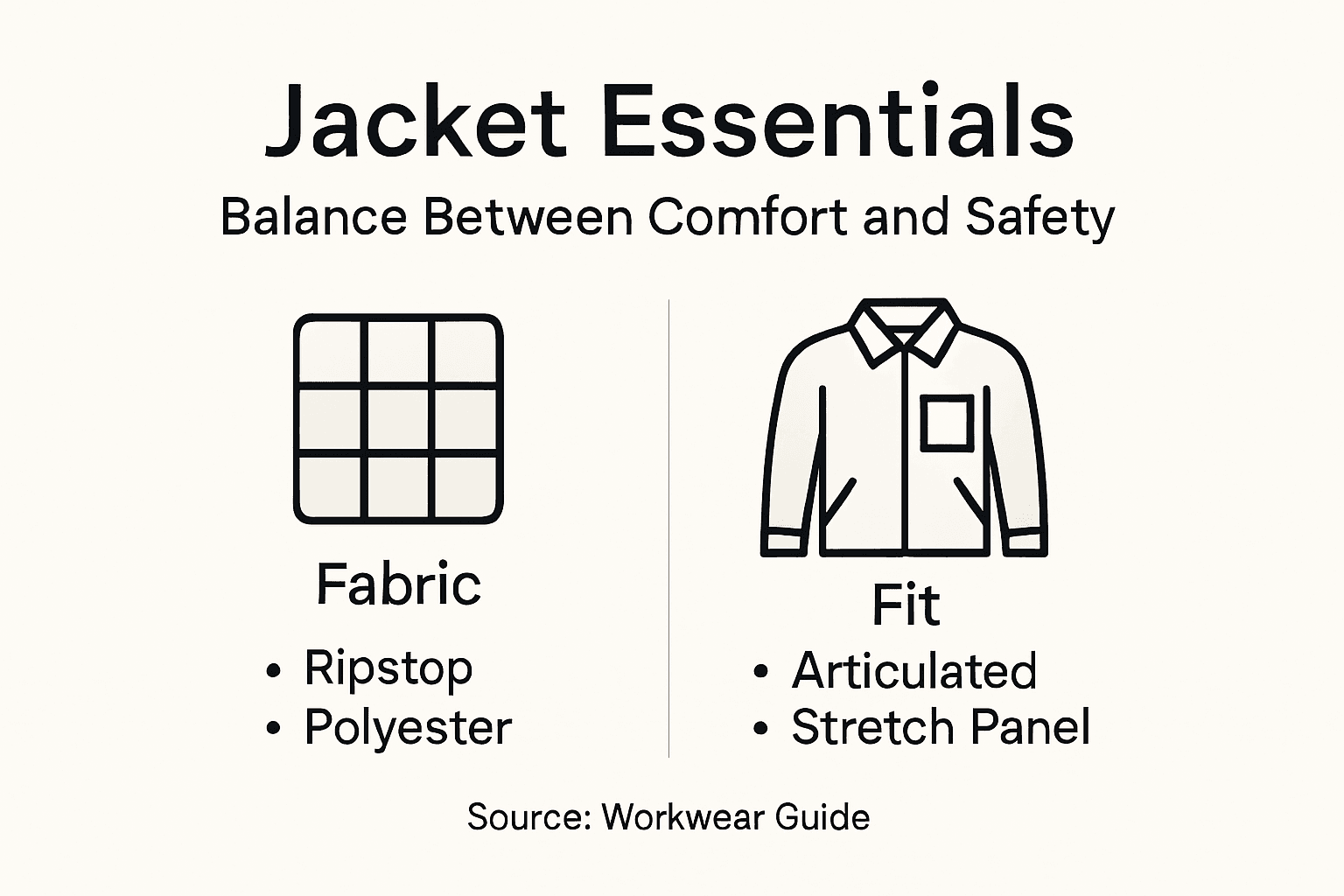
Fabric Characteristics are the foundation of an outstanding mechanic work jacket. Work jacket fabrics must balance durability with performance, incorporating materials that resist grease, repel water, and withstand repetitive mechanical stress. High-performance synthetic blends like ripstop nylon and polyester offer superior tear resistance, while strategic fabric treatments provide additional protection against oil, chemical splashes, and environmental contaminants. Breathability remains crucial, allowing moisture management to prevent overheating during intense physical work.
Fit and protection intersect through strategic design elements. Mechanics require jackets with articulated sleeves for unrestricted movement, reinforced stress points at shoulders and elbows, and adjustable features like cinched waists and expandable cuffs. Protective elements include:
- Flame-resistant fabric treatments
- Impact-resistant padding
- Chemical-resistant outer layers
- Thermal insulation for temperature regulation
- Multiple secure tool storage pockets
The ideal mechanic work jacket represents a sophisticated balance between robust protection and ergonomic comfort, engineered to support professionals through demanding workplace challenges.
Pro tip: Invest in a work jacket with stretch panels and articulated design to maximize both protection and mobility during complex mechanical tasks.
Below is a summary of essential features by category to help with selection:
| Category | Important Feature | Why It Matters |
|---|---|---|
| Fabric | Grease and abrasion resistance | Prevents quick wear and stains |
| Fit | Articulated sleeves, stretch | Ensures comfort and movement |
| Protection | Reinforced stress zones, padding | Shields against injuries |
| Maintenance | Easy-clean surfaces, sealants | Simplifies cleaning process |
Grease Resistance and Maintenance Needs
Mechanic work jackets face an intense battle against persistent grease, oil, and industrial contaminants that can quickly degrade fabric quality. Grease presents significant challenges for protective clothing), requiring specialized fabric technologies that prevent absorption and enable easy cleaning.
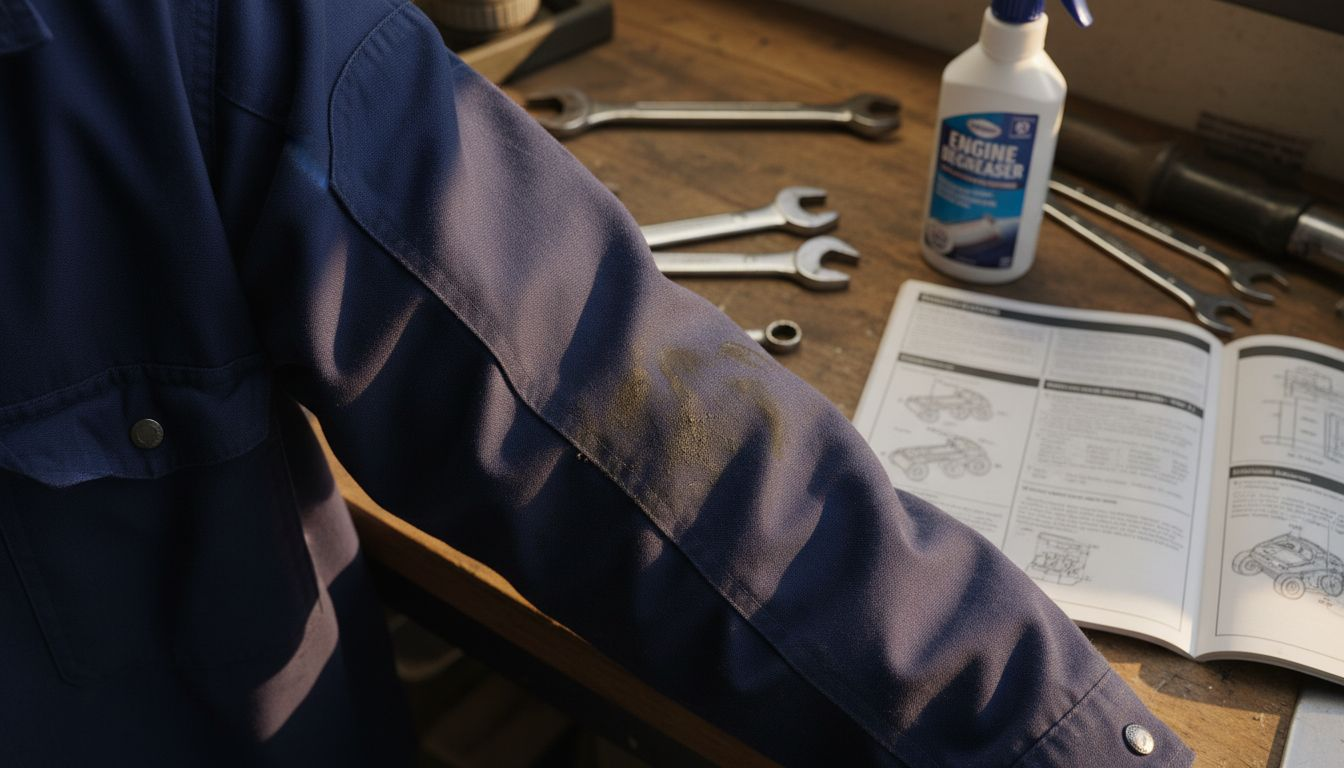
Modern work jackets incorporate advanced fabric treatments designed to create a protective barrier against grease and oil penetration. Standardized testing evaluates fabric resistance to ensure materials can withstand repeated exposure to lubricants and mechanical fluids. These treatments typically involve creating a microscopic repellent layer that prevents grease molecules from bonding with fabric fibers, allowing liquids to bead up and roll off instead of saturating the material.
Maintenance Strategies for keeping mechanic work jackets in top condition include:
- Immediate spot treatment of grease stains
- Regular washing using industrial-strength detergents
- Avoiding high-heat drying that can set permanent stains
- Periodic professional cleaning for deep-set contaminants
- Applying fabric protectant sprays to enhance existing grease-resistant treatments
The most effective grease-resistant jackets combine innovative fabric chemistry with practical design elements that minimize potential contamination points. This includes sealed seams, smooth fabric surfaces, and strategically placed reinforcement panels that can be easily cleaned or replaced.
Pro tip: Keep a specialized industrial degreaser and microfiber cloth in your work kit to quickly address grease spots before they become permanent stains.
Comparing Alternatives and Common Mistakes
Mechanics face numerous choices when selecting protective workwear, with alternatives extending beyond traditional work jackets. Understanding these options requires careful evaluation of specific workplace demands, performance requirements, and potential limitations inherent in different garment designs.
Workwear Alternatives include several distinct categories:
- Insulated Jackets: Best for cold environments, providing thermal protection
- Lightweight Performance Shells: Ideal for moderate temperatures and high mobility
- Rain-Resistant Coats: Designed for wet working conditions
- Coveralls: Full-body protection for extremely messy or hazardous environments
- Layered Clothing Systems: Modular approach allowing temperature and protection adaptability
Common mistakes in work jacket selection frequently stem from prioritizing aesthetics over functionality. Mechanics often underestimate the importance of specialized features like reinforced stress points, proper mobility design, and specific material treatments that protect against workplace hazards. Choosing a jacket based solely on appearance can lead to compromised safety, reduced durability, and decreased comfort during long working hours.
The most critical evaluation criteria include assessing fabric durability, range of motion, protection level, and maintenance requirements. Mechanics should prioritize jackets that offer a comprehensive blend of protection, comfort, and practicality, rather than making compromises in any single area.
Pro tip: Always try on work jackets while mimicking your typical work movements to ensure genuine comfort and unrestricted mobility.
Gear Up with Durable and Comfortable Workwear Designed for You
If staying protected and comfortable while working hard is your priority then choosing the right gear matters. The article highlights the importance of mechanic work jackets that combine grease resistance durability and ergonomic fit to help you face tough work conditions without sacrificing freedom of movement or protection. At WorkWearComfort.com we understand these challenges and offer apparel made for blue-collar professionals who demand rugged reliability along with comfort and style.
Explore our full collection of All Hooded Sweatshirts - WorkWear Comfort that feature durable fabrics and smart designs you can count on. Whether you need layered warmth moisture-wicking, or easy-care materials these hoodies complement your mechanic jacket perfectly for a complete work-ready outfit. Don’t wait to upgrade your workwear experience — visit WorkWearComfort.com now and equip yourself with apparel built to last through every job while reflecting your hardworking spirit.
Frequently Asked Questions
What materials are typically used in mechanic work jackets?
Mechanic work jackets are often crafted from durable materials like ripstop nylon and polyester, which resist grease and mechanical wear while ensuring breathability and flexibility.
How do I maintain my mechanic work jacket to ensure its longevity?
To maintain your mechanic work jacket, promptly spot treat grease stains, wash it with industrial-strength detergents, avoid high-heat drying, and consider professional cleaning for deep-set stains.
What are the key features to look for in a mechanic work jacket?
Look for reinforced stress points, articulated sleeves for mobility, grease and abrasion resistance, and multiple secure pockets for tools. These features enhance both protection and comfort.
How do different types of mechanic work jackets serve various workplace conditions?
Different types of mechanic work jackets, such as cold weather jackets, lightweight performance jackets, and waterproof designs, cater to specific conditions by providing targeted insulation, mobility, or moisture resistance.
