

Over the past decade, American tradeswomen have sparked a remarkable shift in the skilled trades, with their numbers growing by an impressive 77.3 percent since 2015. This surge is more than just statistical. It challenges outdated stereotypes and propels women into highly visible roles once dominated by men. By examining how tradeswomen redefine job sites and champion purpose-built workwear, you will discover how their presence is transforming the American workforce from the ground up.
Table of Contents
- Defining Tradeswomen And Their Growing Impact
- Evolution Of Women In The Skilled Trades
- Unique Challenges In Tradeswoman Workwear
- Workwear Features Built For Women’s Jobs
- Empowerment Through Style And Functionality
Key Takeaways
| Point | Details |
|---|---|
| Growing Workforce | The number of tradeswomen has surged by 77.3% since 2015, with over 366,000 women expected in skilled trades by 2024. |
| Cultural Transformation | Tradeswomen are challenging industry stereotypes, inspiring future generations, and promoting inclusivity in male-dominated fields. |
| Workwear Challenges | Current workwear often lacks design considerations for women’s needs, highlighting the importance of improved safety and functionality. |
| Empowerment Through Design | Thoughtfully designed workwear gives tradeswomen a sense of identity, capability, and belonging in their professional environments. |
Defining Tradeswomen and Their Growing Impact
Tradeswomen are transforming industrial landscapes across America, challenging long-standing gender barriers in skilled professions. According to recent research, the number of women in trades has surged dramatically by 77.3% since 2015, reaching 366,360 professionals in construction and extraction occupations by 2024.
This remarkable growth reflects more than just employment statistics. Tradeswomen are redefining workforce dynamics, bringing exceptional skills, precision, and innovative perspectives to traditionally male-dominated sectors. From advanced manufacturing to clean energy, women are proving that technical expertise knows no gender boundaries. The Million Women in Construction initiative underscores this momentum, aiming to double women’s representation in construction over the next decade.
The impact extends beyond individual career achievements. Tradeswomen are dismantling stereotypes, inspiring younger generations, and creating pathways for more inclusive professional environments. By demonstrating exceptional technical competence, resilience, and problem-solving skills, they are not just entering trades but fundamentally reshaping industry culture. Their growing presence signals a profound shift: technical proficiency is about talent, dedication, and skill - not gender.
Evolution of Women in the Skilled Trades
Women have a rich and often overlooked history of participation in skilled trades, with roots stretching back centuries. Historical records reveal women’s involvement in skilled occupations as far back as the 1300s, documenting their presence in over 200 occupational roles in Germany during the medieval period. In the United States, significant milestones include the International Association of Machinists (IAM) admitting its first female machinist in 1890, with membership growing to over 116,544 women by 1975.
Despite this long history, women continue to face substantial challenges in trade professions. Contemporary workforce statistics highlight the ongoing struggle for representation, with women comprising only 2.7% of on-site construction workers as of 2025. These numbers mask the remarkable resilience and exceptional skills that women bring to traditionally male-dominated industries. Qualitative studies underscore the critical importance of mentorship and supportive work environments in breaking down systemic barriers.
The narrative of women in skilled trades is fundamentally about breaking boundaries and challenging preconceived notions of capability. Women are not just entering these fields – they are transforming them, bringing unique perspectives, technical expertise, and a commitment to excellence that reshapes industry culture. From welding and electrical work to advanced manufacturing and engineering, women are proving that skill, dedication, and passion transcend gender limitations. Their growing presence represents more than individual career achievements; it signals a profound cultural shift towards true professional equality and recognition of talent regardless of gender.
Unique Challenges in Tradeswoman Workwear
Workwear for women in skilled trades represents far more than a clothing choice - it’s a critical intersection of safety, functionality, and professional identity. Tradeswomen frequently encounter workplace environments that systematically disadvantage their physical needs and professional aspirations, with inadequate facilities and equipment creating substantial barriers to their success and safety.
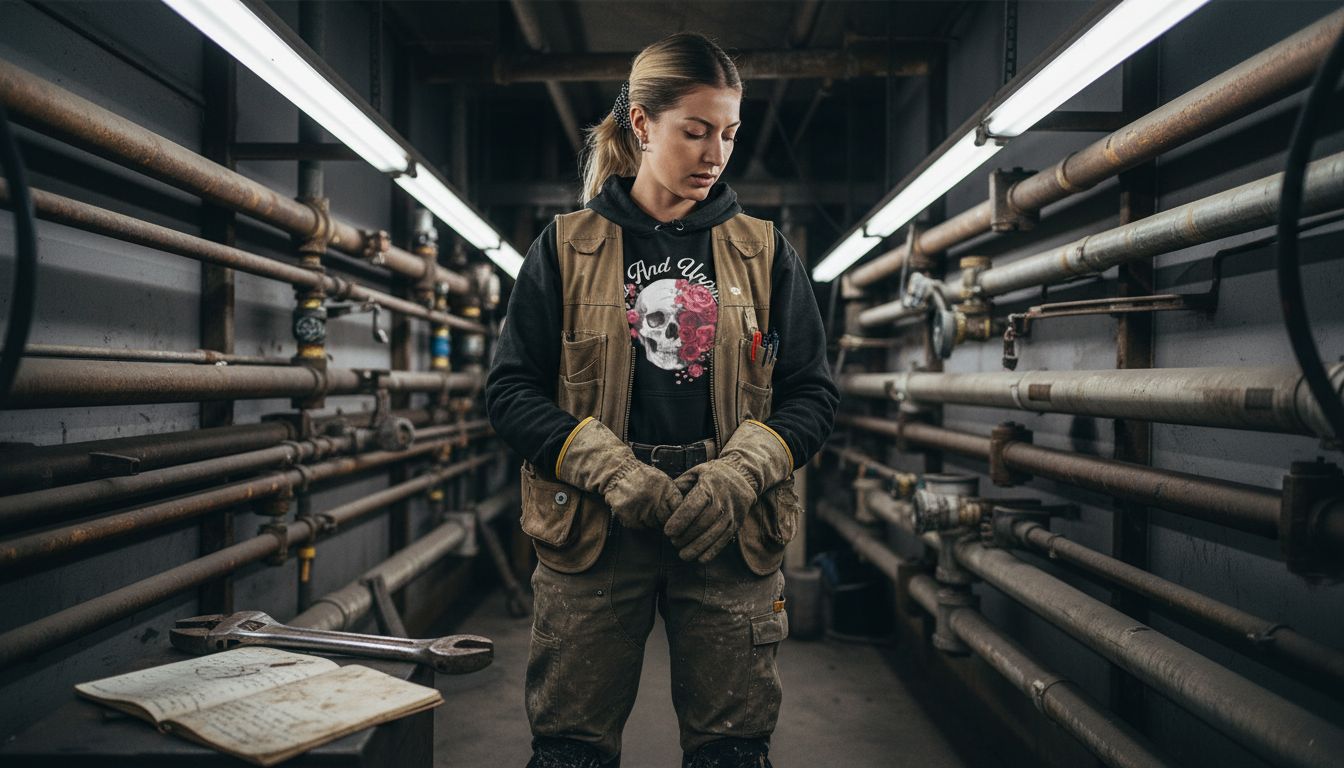
Workplace design traditionally reflects male-centric perspectives, resulting in protective gear, tools, and workspaces that fundamentally fail to accommodate women’s body types and professional requirements. Gender bias extends beyond physical infrastructure, manifesting in discriminatory practices that include inappropriate workplace behaviors, limited training opportunities, and cultural barriers that discourage women’s full participation. These systemic challenges create additional emotional and professional burdens beyond the already demanding technical skills required in trades.
Addressing these challenges requires a multifaceted approach that goes beyond simple clothing modifications. Meaningful change demands comprehensive workplace cultural transformations, including intentional design of protective equipment, inclusive training programs, and zero-tolerance policies for discriminatory behavior. Women in trades are not seeking special treatment, but rather equitable working conditions that recognize their skills, ensure their safety, and provide genuine opportunities for professional growth and leadership. Their resilience in navigating these complex workplace dynamics demonstrates remarkable strength and commitment to breaking down long-standing professional barriers.
Workwear Features Built for Women’s Jobs
Workwear for tradeswomen demands a sophisticated approach that goes far beyond simply shrinking male designs. Ergonomic considerations are paramount, with clothing engineered to accommodate women’s unique body mechanics, range of motion, and professional requirements. Women’s construction workwear guide highlights the critical importance of tailored fit, mobility, and protection.
Key design features must address multiple performance dimensions. Specialized workwear incorporates strategic elements like articulated knees for enhanced flexibility, contoured waistbands that prevent gaping, and adjustable straps that accommodate different body shapes. Breathable, moisture-wicking fabrics become essential, recognizing that women’s physiological temperature regulation differs from traditional male-designed workwear. Reinforced stress points, strategically placed pockets sized for women’s hands, and lighter-weight materials that maintain durability represent sophisticated engineering solutions.
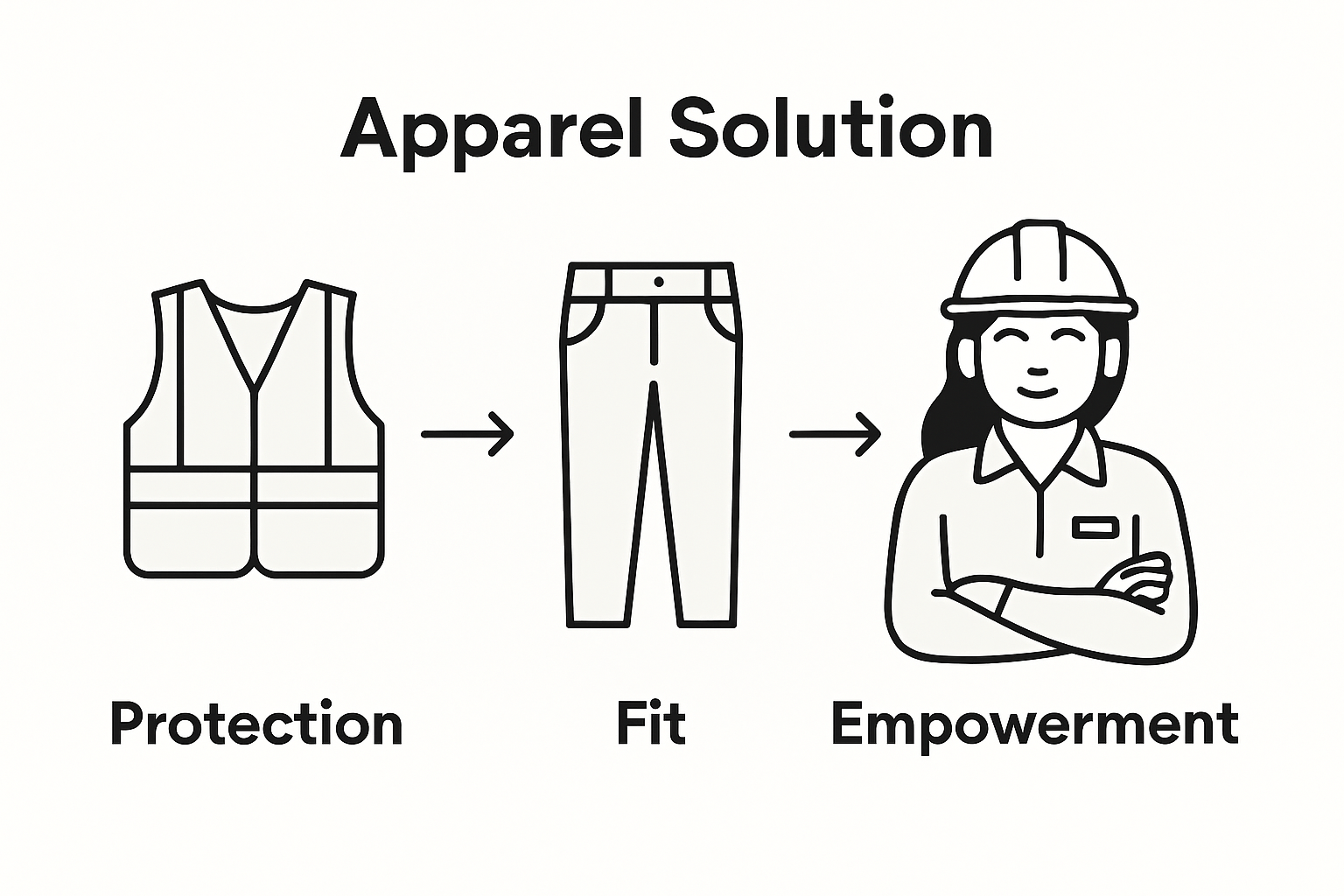
Beyond physical design, modern tradeswoman apparel embodies a powerful statement of professional identity. The clothing becomes a form of empowerment, reflecting the wearer’s skill, confidence, and commitment to her craft. Thoughtful design integrates safety features like high-visibility elements, abrasion-resistant panels, and flexible protection zones that move naturally with the body. These are not just garments, but precision tools that support women’s performance, safety, and professional excellence across demanding work environments.
Empowerment Through Style and Functionality
Personal expression in workwear transcends mere clothing choices, becoming a powerful statement of professional identity and resilience. Tradeswomen organizations actively champion recruiting, retaining, and developing leadership through strategic apparel design, recognizing that what workers wear profoundly influences their confidence and performance in challenging work environments.
Workwear represents more than protective equipment - it’s a form of nonverbal communication that communicates competence, skill, and personal agency. Thoughtfully designed apparel addresses practical needs while simultaneously challenging traditional gender narratives. Strategic design elements like reinforced panels, adaptive fit technologies, and performance fabrics enable women to move with confidence, demonstrating their technical expertise through clothing that respects their physical capabilities and professional aspirations.
The psychological impact of well-designed workwear cannot be overstated. When tradeswomen wear gear that genuinely fits, protects, and reflects their professional identity, they send a powerful message about belonging and capability. These garments become tools of empowerment, transforming workplace dynamics by visually asserting women’s right to occupy traditionally male-dominated spaces. By combining sophisticated functionality with personal style, modern tradeswoman apparel becomes a revolutionary statement - proving that professional excellence has no gender.
Gear Up with Tradeswoman Apparel That Empowers and Protects
Women in skilled trades face unique challenges where workwear must combine safety, functionality, and a tailored fit that respects their professional identity. The article highlights how traditional gear often overlooks critical ergonomic needs and safety features required by tradeswomen. At the core, tradeswomen seek clothing that not only withstands tough work environments but also boosts confidence and breaks outdated stereotypes.
Discover the power of apparel designed specifically for you in our Badass Women’s Clothing - WorkWear Comfort collection.
Step into gear that moves with your body thanks to ergonomic designs and durable materials crafted for mobility and protection. Visit WorkWearComfort.com today to explore our range of functional clothing and Female Hoodie Sweatshirts – WorkWearComfort created with your strength and style in mind. There is no better time than now to outfit yourself with workwear that empowers and keeps you safe on the job.
Frequently Asked Questions
What types of features should I look for in tradeswoman workwear?
When selecting tradeswoman workwear, look for ergonomic features such as articulated knees, contoured waistbands, and adjustable straps that accommodate different body shapes. Additionally, breathable fabrics and strategically placed pockets can enhance functionality and comfort.
How does tradeswoman apparel contribute to safety on the job?
Tradeswoman apparel is designed with safety in mind, incorporating high-visibility elements, abrasion-resistant materials, and reinforced stress points. These features help protect tradeswomen in demanding work environments while ensuring comfort and flexibility.
Why is proper fit important in tradeswoman workwear?
A proper fit is crucial as it allows for a full range of motion, reducing the risk of accidents and enhancing overall comfort. Well-fitting workwear can increase confidence and performance, enabling tradeswomen to effectively carry out their tasks.
How can workwear impact the professional identity of tradeswomen?
Workwear can serve as a powerful form of self-expression and professional identity. Thoughtfully designed garments reflect the skills and commitment of tradeswomen, challenging traditional gender narratives and asserting their presence in male-dominated spaces.
