

Finding workwear that fits well while standing up to the demands of tough jobs can feel like an impossible task for many women in blue-collar professions. Ill-fitting gear compromises comfort, safety, and confidence on the job site. This comprehensive fit guide walks you through every step of selecting durable, stylish workwear tailored to your body and your job’s specific demands. You’ll discover how to take accurate body measurements, choose materials that balance protection with mobility, address common fitting problems, and verify your workwear truly supports your performance and safety throughout long shifts.
Table of Contents
- Key takeaways
- Preparing to find your perfect workwear fit
- Selecting materials and styles for durability and comfort
- Common fit issues and how to address them
- Verifying fit for safety and performance on the job
- Explore durable, well-fitting women’s workwear
- Frequently asked questions
Key Takeaways
| Point | Details |
|---|---|
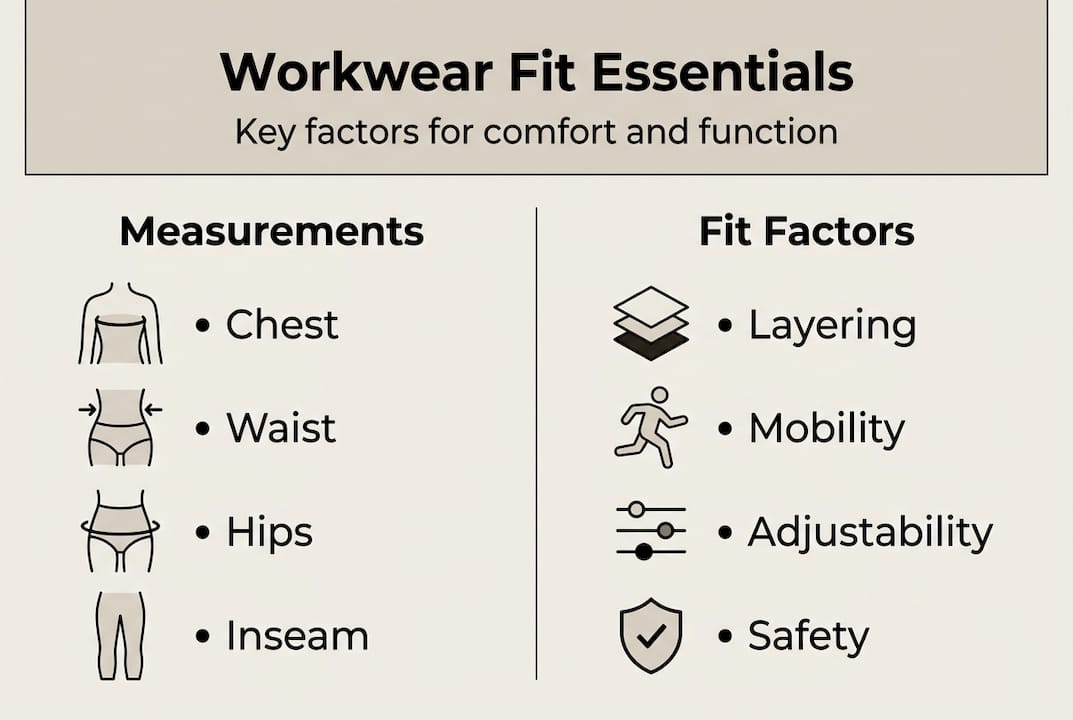
| Accurate measurements | Measure in five key areas: chest, waist, hips, inseam, and arm length to guide size selection. |
| Brand sizing varies | Size charts are guidelines not absolutes, and you should compare your measurements to each brand’s chart before purchasing. |
| Fit by environment | Cold weather requires room for layers, hot environments benefit from airflow, and climbing duties require closer fits to prevent snagging. |
| Measurement log | Create a simple log and update it every six months to track changes and improve future fits. |
| Durable fabrics | Choose fabrics that balance protection with mobility such as cotton blends, ripstop, canvas, and reinforced panels for high wear zones. |
Preparing to find your perfect workwear fit
Getting the right fit starts long before you click purchase or walk into a store. Preparation makes the difference between workwear that supports you all day and gear that causes constant frustration.
Start by gathering your measurements in five critical areas. You need your chest measurement at the fullest part, your natural waist where you bend sideways, your hips at the widest point, your inseam from crotch to ankle, and your arm length from shoulder to wrist. These numbers form the foundation of finding workwear that actually fits your body.
Taking accurate measurements yourself is possible with a flexible tape measure and a mirror, but having someone help ensures better precision. Stand naturally without sucking in or puffing out. Keep the tape snug but not tight, and measure over the undergarments or base layers you’ll wear under your workwear. Write down every measurement immediately because you’ll reference these numbers repeatedly when comparing size charts.
Size charts provide a helpful starting point, but treat them as guidelines rather than absolute rules. Different brands cut their workwear differently, and a medium in one company might fit like a large in another. Always cross-reference your measurements against each brand’s specific chart before ordering. When your measurements fall between two sizes, consider your job’s physical demands. Jobs requiring frequent reaching or lifting often benefit from sizing up for mobility.
Your work environment significantly impacts fit requirements. Cold weather jobs need room for thermal layers underneath, while hot environments benefit from looser fits that promote airflow. Jobs involving climbing or working at heights require closer fits that won’t snag on equipment. Think through your typical workday movements and environmental conditions when deciding on sizing.
Pro Tip: Measure yourself at the end of your workday when your body is slightly larger from activity and fluid retention. This prevents ordering workwear that feels perfect in the morning but becomes uncomfortably tight by afternoon.
Consider creating a simple measurement log you update every six months. Bodies change, and having current numbers prevents ordering based on outdated information. Include notes about which brands fit you well and which run small or large. This personal reference saves time and reduces returns on future purchases.
Selecting materials and styles for durability and comfort
The fabric and style you choose directly impacts how well your workwear performs and how comfortable you feel during demanding shifts. Making informed material decisions ensures your investment lasts while supporting your body through tough conditions.
Durable fabrics form the backbone of quality workwear. Cotton blends offer breathability with added synthetic fibers for strength and shape retention. Ripstop weaves resist tearing even when snagged, making them ideal for environments with sharp edges or rough surfaces. Reinforced panels at knees, elbows, and seat areas extend garment life in high-wear zones. Canvas and duck cloth provide heavy-duty protection for the most demanding jobs, though they require break-in time to soften.
Stretch fabrics and flexible materials revolutionize comfort for women in physical jobs. Small percentages of spandex or elastane allow fabric to move with your body rather than restricting motion. This flexibility proves especially valuable in the shoulders, hips, and knees where women’s bodies need different accommodation than traditional men’s workwear provides. Stretch materials reduce the pulling and binding that causes fatigue and distraction during work.
Workwear styles have evolved beyond basic coveralls and oversized shirts. Well-designed work pants feature contoured waistbands that follow women’s natural curves without gaping. Jackets with princess seams provide shape without sacrificing the room needed for layering and movement. Hoodies offer warmth and protection while maintaining a professional appearance on job sites. Each style serves specific functions, so match your choices to your daily tasks.
| Fabric Type | Durability Rating | Comfort Level | Best For | Fit Considerations |
|---|---|---|---|---|
| Cotton Blend | High | Very High | General construction, moderate wear | Allows slight stretch, breathes well |
| Ripstop | Very High | Moderate | Rough environments, snagging hazards | Structured fit, minimal give |
| Canvas/Duck | Extreme | Moderate | Heavy-duty work, abrasion resistance | Stiff initially, requires break-in |
| Stretch Blend | High | Extreme | Physical jobs requiring mobility | Flexible fit, moves with body |
Pro Tip: Look for workwear with adjustable features like cuffs with button tabs, drawstring waists, and articulated knees. These design elements let you customize fit throughout the day as your body temperature and activity level change.
Color choices matter more than aesthetics alone. Darker colors hide stains and wear better, while lighter shades reflect heat in hot environments. Some job sites require high-visibility colors for safety, which limits options but shouldn’t compromise fit quality. Prioritize fit and durability first, then select from available colors that meet your workplace requirements.
Pay attention to closure systems too. Heavy-duty zippers outlast buttons in high-stress areas. Reinforced buttonholes prevent premature failure. Hook and loop closures offer adjustability but can collect debris in dirty environments. The best workwear combines multiple closure types strategically placed for maximum durability and function.
Common fit issues and how to address them
Even with careful measurement and selection, certain fit challenges appear frequently for women in workwear. Recognizing these issues and knowing how to solve them saves money and frustration while improving your comfort and safety.
Shoulder tightness ranks among the most common complaints. Traditional workwear often assumes narrow, straight shoulders that don’t accommodate women’s proportions or the range of motion needed for overhead work. This restriction causes fatigue and limits your ability to perform tasks safely. Solutions include seeking styles with raglan sleeves that eliminate shoulder seams, choosing garments with stretch panels across the upper back, or sizing up in the shoulders while tailoring the waist if needed.
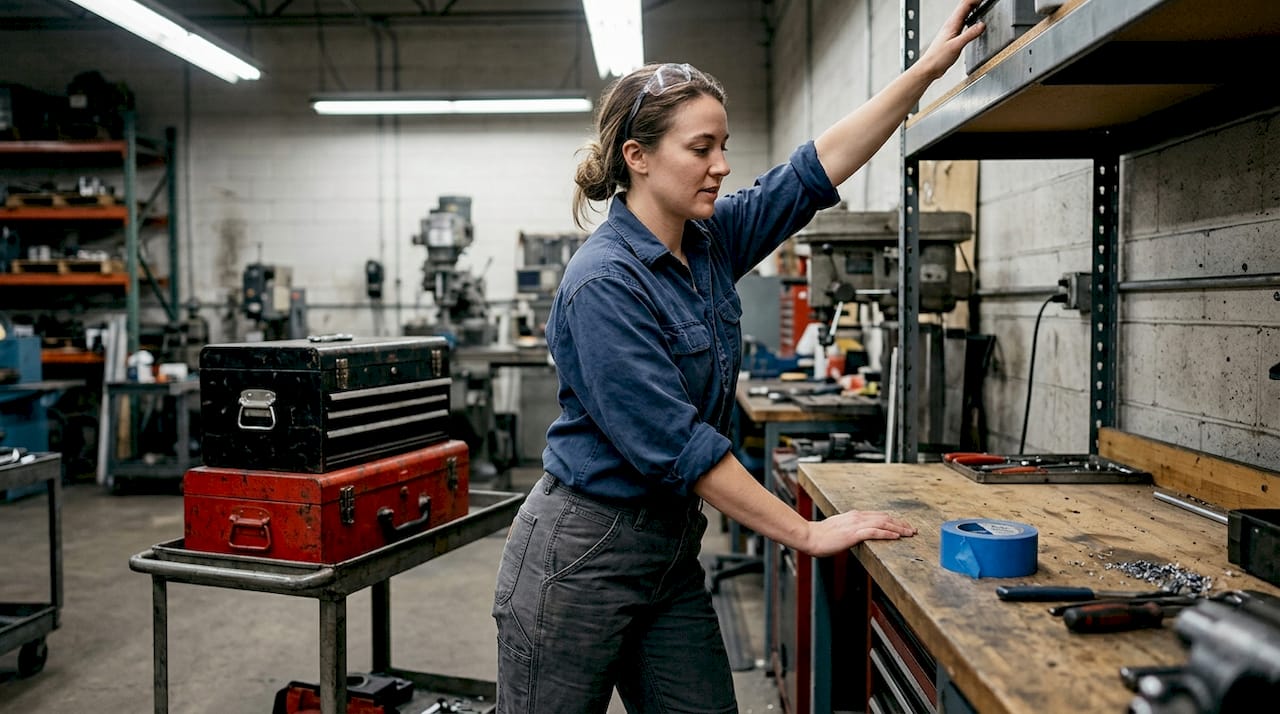
Waist gaps create both comfort and safety issues. When pants fit your hips but gap at the back waist, you constantly adjust them throughout the day. This gap also allows dirt and debris to enter, defeating the protective purpose of workwear. Address this by choosing pants with contoured waistbands designed for women’s proportions, using quality belts that actually hold position, or having a tailor take in the waist while preserving hip fit. Some brands offer pants with elastic side panels that accommodate the difference between hip and waist measurements.
Restrictive sleeves limit your reach and cause bunching that interferes with detailed work. Comfortable work outfits adapt sleeve design to allow full range of motion without excess fabric. Look for set-in sleeves with gussets, or try three-quarter length sleeves that eliminate wrist bulk while maintaining arm coverage. Rolled cuffs work temporarily but create bulk that catches on equipment.
Improper pant length creates tripping hazards and premature wear. Too long, and hems fray from dragging on ground and catching under boots. Too short, and gaps expose your legs to hazards and weather. Hem pants to break slightly on your work boot when standing, or choose styles with adjustable hem systems. Some workwear features hidden hem tape that lets you adjust length without sewing.
Quick fixes for immediate relief:
- Use suspenders instead of belts when waist gaps persist despite proper sizing
- Layer a fitted base layer under looser workwear to prevent bunching and chafing
- Apply temporary hem tape for length adjustments before committing to permanent alterations
- Choose tops with side slits that prevent riding up during bending and reaching
- Select pants with reinforced knees positioned correctly for your leg length
Step-by-step adjustment process:
- Identify exactly where the fit problem occurs and what movements trigger discomfort
- Determine whether the issue stems from overall sizing or specific design features
- Try the next size up or down to see if different proportions solve the problem
- Explore different styles within the same brand that might suit your body better
- Consider professional tailoring for garments that fit well overall but need minor adjustments
- Document what works so you can replicate successful choices in future purchases
Pro Tip: Before finalizing any workwear purchase, perform a full range of motion test. Squat down completely, reach overhead as high as possible, bend to touch your toes, and twist your torso side to side. Any pulling, binding, or restriction during these movements will magnify dramatically during an actual work shift.
Some fit issues indicate you need a different brand entirely rather than adjustments. If you consistently struggle with one brand’s proportions across multiple styles, that company likely doesn’t cut for your body type. Don’t waste time and money trying to force a fit. Explore brands specifically designing for women’s workwear rather than adapting men’s patterns.
Verifying fit for safety and performance on the job
Once you’ve selected and adjusted your workwear, systematic verification ensures it truly supports your safety and performance before you commit to wearing it through demanding shifts.
Proper fit verification starts with a comprehensive checklist. Put on your complete work outfit including all layers, boots, and safety equipment you’ll wear on the job. Stand naturally and assess comfort without movement first. Nothing should pinch, pull, or feel restrictive while standing still. Check that waistbands sit comfortably without digging in, sleeves reach your wrists without riding up, and pant legs break appropriately on your boots.
Now test dynamic fit through job-specific movements. Climb stairs or a ladder to verify pants don’t restrict your stride and tops don’t ride up exposing your back. Kneel on both knees to ensure pants have adequate length and knee reinforcements align properly. Reach overhead repeatedly to confirm shoulders and arms move freely without binding. Bend forward at the waist as if picking up tools to check that backs of pants don’t gap and shirts provide adequate length. Twist your torso side to side simulating reaching across your body for equipment.
| Fit Characteristic | Ideal Fit | Poor Fit | Impact on Work |
|---|---|---|---|
| Shoulder Movement | Full overhead reach without pulling | Restricted lifting, fabric strain | Limits range of motion, causes fatigue |
| Waist Comfort | Secure without digging in, no gapping | Constant adjustment needed | Distraction, safety hazard from shifting |
| Leg Mobility | Easy squatting and kneeling | Restricted bending, pulling at crotch | Reduced efficiency, discomfort |
| Sleeve Function | Reaches wrist, moves with arm | Rides up or bunches at elbow | Exposed skin, interference with tasks |
| Overall Length | Appropriate coverage without excess | Tripping hazards or exposure | Safety risk, premature wear |
Safety considerations related to fit require special attention. Proper fit improves safety by preventing snags and ensuring protective features function correctly. Use this numbered checklist:
- Verify that cuffs fit snugly enough to stay in place but not so tight they restrict circulation
- Confirm pockets sit in accessible positions without gaping open when you bend
- Check that reflective strips remain visible and properly positioned during movement
- Ensure no excess fabric hangs loose where it could catch on machinery or equipment
- Test that closures stay fastened during vigorous activity without popping open
- Validate that layered clothing works together without bunching or creating pressure points
- Assess whether the fit allows proper wearing of required safety equipment like harnesses
Wear your new workwear for a trial period during lighter work before committing to a full demanding shift. A few hours of moderate activity reveals fit issues that might not appear during a brief fitting room test. Pay attention to any rubbing, chafing, or areas that feel increasingly uncomfortable as time passes. Minor irritation during a short test becomes major problems during ten or twelve hour shifts.
If anything feels uncertain about the fit, don’t hesitate to revisit your sizing choices or try different styles entirely. The cost of returning or exchanging workwear pales compared to the price of working in uncomfortable, unsafe gear that compromises your performance and wellbeing. Your workwear should feel like a second skin that supports and protects you, not a constant source of adjustment and distraction.
Document your verification results for future reference. Note which brands and styles passed your tests and which failed. Record specific measurements and size numbers that worked. This information becomes invaluable when you need to replace worn items or add pieces to your work wardrobe.
Explore durable, well-fitting women’s workwear
Now that you understand how to find and verify the perfect fit, you’re ready to explore workwear options designed specifically for women who demand both durability and style on the job. WorkwearComfort.com offers a curated selection of apparel that combines the toughness required for blue-collar work with fits tailored to women’s bodies. From reinforced pants that move with you to hoodies that provide warmth without bulk, each piece reflects the understanding that proper fit enhances both safety and confidence.
The blue collar brotherhood hooded sweatshirt exemplifies how workwear can deliver durability and comfort while making a statement about your professional pride. Browse the complete collection at WorkwearComfort.com to discover gear that works as hard as you do, with the fit and style you deserve.
Frequently asked questions
What measurements are most important for women’s workwear?
Chest, waist, hips, inseam, and arm length provide the foundation for accurate workwear sizing. These five measurements account for the key differences in women’s proportions and ensure garments fit properly in critical areas. Taking these measurements accurately and comparing them against brand-specific size charts dramatically improves your chances of ordering workwear that fits right the first time.
How do stretch fabrics improve workwear fit for women?
Stretch fabrics containing small percentages of spandex or elastane move with your body instead of restricting motion during physical tasks. This flexibility proves especially valuable in shoulders, hips, and knees where women need different accommodation than traditional rigid workwear provides. Stretch materials reduce fatigue by eliminating the constant pulling and binding that occurs with non-flexible fabrics during demanding work.
What are quick fixes for common fit issues in women’s workwear?
Adjustable features like cuffs with button tabs, drawstring waists, and side adjusters let you customize fit throughout the day. Layering fitted base layers under workwear prevents bunching, while quality belts or suspenders address waist gaps. For persistent fit problems that quick fixes can’t solve, professional tailoring offers permanent solutions that transform almost-right workwear into perfect-fitting gear.
How can I tell if my workwear fits safely and comfortably?
Test your complete work outfit through job-specific movements including squatting, overhead reaching, bending, and twisting before wearing it for a full shift. Properly fitting workwear allows full range of motion without pulling, binding, or creating excess fabric that could snag. Check that nothing pinches in static positions and all closures stay fastened during vigorous activity. Any discomfort during testing will intensify dramatically during actual work.
