

Outdoor work in hot and sunny conditions can quickly leave you tired, overheated, and at risk for serious health issues. Choosing the right clothing is more than a comfort decision—it directly impacts your safety and productivity. The right gear can help you stay cool, dry, and protected, even under the toughest conditions.
In this list, you’ll discover how fabric choices, moisture management, and smart accessories can transform your workday. You’ll learn which materials keep sweat under control, which clothing protects against the sun, and how strategic features can make your gear work harder for you. Get ready to see the practical moves that can keep you safer and more comfortable during every outdoor shift.
Table of Contents
- Choose Lightweight, Breathable Fabrics
- Prioritize Moisture-Wicking Materials
- Select UPF 50+ Sun Protection Workwear
- Opt for Light Colors to Reflect Heat
- Wear Vented or Mesh-Panel Clothing
- Pick Durable Workwear With Reinforced Seams
- Include Protective Accessories Like Hats and Sleeves
Quick Summary
| Key Message | Explanation |
|---|---|
| 1. Choose breathable fabrics | Lightweight, breathable materials are essential for comfort and performance in warm outdoor conditions. |
| 2. Opt for moisture-wicking materials | Fabrics that pull sweat away from the skin keep you cooler and prevent heat-related stress during work. |
| 3. Select UPF 50+ sun protection | Clothing with a UPF rating blocks harmful rays and protects your skin from long-term damage. |
| 4. Wear light-colored clothing | Lighter shades reflect sunlight, reducing heat absorption and helping to maintain a cooler body temperature. |
| 5. Use protective accessories | Accessories like hats and sleeves enhance UV protection and complement your sun-safe clothing choices. |
1. Choose Lightweight, Breathable Fabrics
When working outdoors in warm weather, your fabric choice can make or break your comfort and performance. Lightweight breathable materials are not just a luxury they’re a necessity for anyone spending long hours under the sun.
Workwear fabrics play a critical role in managing body temperature and moisture. Natural moisture management techniques highlight the importance of selecting the right materials to prevent heat stress and maintain worker safety.
Key fabric characteristics to prioritize include:
- Moisture-wicking properties
- Quick-drying capabilities
- Lightweight construction
- Ability to release heat and sweat
Natural fibers like wool and cotton offer remarkable breathability. Wool has unique temperature-regulating properties that allow it to absorb moisture and release it as vapor keeping you dry and comfortable during intense outdoor work.
Breathable fabrics are your first line of defense against heat exhaustion and workplace discomfort.
Synthetic performance fabrics have also advanced significantly providing excellent moisture management. Look for materials engineered with ventilation zones strategic mesh panels and lightweight weaves that promote air circulation.
Pro tip: Opt for light-colored fabrics that reflect sunlight and help maintain a cooler body temperature during outdoor work shifts.
2. Prioritize Moisture-Wicking Materials
When working in hot outdoor environments every drop of sweat matters. Moisture-wicking fabrics are your first line of defense against heat and discomfort.
Advanced moisture transport technologies enable workers to stay cooler by pulling moisture away from the skin. These specialized materials use a combination of hydrophilic and hydrophobic fibers that actively manage perspiration.
What makes moisture-wicking materials so effective?
- Rapidly pulls sweat away from skin surface
- Accelerates evaporation process
- Reduces risk of heat-related stress
- Prevents fabric from becoming saturated
Synthetic performance fabrics are particularly engineered to provide superior moisture management. Their advanced fiber construction creates a dynamic system that transports sweat quickly and efficiently.
Moisture-wicking isn’t just about comfort it’s about workplace safety and performance.
Unlike traditional cotton materials that absorb and retain moisture these innovative fabrics create a cooling effect by facilitating rapid evaporation. This means you stay drier cooler and more comfortable during long outdoor work shifts.
Pro tip: Look for workwear with mesh panels and strategically placed ventilation zones to maximize moisture management and airflow.
3. Select UPF 50+ Sun Protection Workwear
Working outdoors means constant sun exposure that can seriously damage your skin. Sun protection is not optional it’s a critical health requirement for anyone spending hours under direct sunlight.
Advanced sun protection clothing blocks up to 98% of harmful UVA and UVB rays preventing long-term skin damage and reducing skin cancer risks.
Key features of excellent sun protection workwear include:
- UPF 50+ rating
- Tightly woven fabric construction
- UV-absorbing chemical treatments
- Long-sleeve designs
- Lightweight breathable materials
Wool offers natural UV protection with inherent fiber characteristics that shield skin from harmful radiation. Its dense structure provides a UPF of 30+ while maintaining comfort and breathability.
Protecting your skin isn’t just about avoiding sunburn it’s about long-term health and prevention.
When selecting sun protection workwear look for scientifically rated fabrics that offer comprehensive coverage. Dark colors and tightly woven materials typically provide better protection than light loose weaves.
Pro tip: Check the UPF rating before purchasing outdoor work clothing and replace garments that become worn or stretched which can reduce sun protection effectiveness.
4. Opt for Light Colors to Reflect Heat
Working outdoors under intense sunlight requires strategic clothing choices that go beyond fabric type. Color selection is your secret weapon against heat absorption and discomfort.
Solar radiation management demonstrates how lighter colors can significantly reduce heat buildup during long outdoor shifts.
Key benefits of choosing light-colored workwear include:
- Reflects more solar radiation
- Reduces surface temperature of clothing
- Helps maintain lower body temperature
- Minimizes heat stress risk
- Provides visual contrast for job site safety
Lighter shades scientifically outperform dark colors by redirecting sunlight and preventing excessive heat retention. White tan khaki and light gray are particularly effective at keeping you cooler during demanding outdoor work.
Your clothing color isn’t just a fashion choice it’s a critical heat management strategy.
The physics behind color and heat absorption is straightforward darker colors absorb more solar energy while lighter colors reflect a higher percentage of incoming radiation. This means your clothing color directly impacts your comfort and safety in hot work environments.
Pro tip: Consider layering light-colored moisture-wicking base layers with lightweight outer garments to create a comprehensive heat management system for outdoor work.
5. Wear Vented or Mesh-Panel Clothing
Standing out in the scorching heat demands more than just lightweight fabrics. Strategic ventilation is your cooling secret for staying comfortable during long outdoor work shifts.
Dynamic ventilation technologies are revolutionizing how workwear manages heat and moisture around your body.
Vented clothing offers critical advantages such as:
- Improved air circulation
- Enhanced evaporative cooling
- Reduced heat retention
- Quick moisture management
- Targeted temperature regulation
Mesh panels create microclimate zones that actively adjust to your body’s changing temperature needs. These strategic openings allow heat to escape while maintaining protective coverage for industrial and outdoor work environments.
Intelligent clothing design isn’t just about comfort it’s about worker safety and performance.
Some advanced workwear now features scientifically designed venting systems that can open or close based on humidity and sweat levels. This means your clothing adapts dynamically to keep you at an optimal temperature throughout your workday.
Pro tip: Look for workwear with zippered or perforated ventilation zones under arms, along back panels, and near core body areas for maximum cooling effectiveness.
6. Pick Durable Workwear With Reinforced Seams
Workwear is your armor against harsh outdoor conditions and demanding physical labor. Reinforced seams are not a luxury they’re your first line of defense against workplace wear and tear.
Industrial work clothing durability depends critically on construction techniques that prevent premature breakdown under extreme conditions.
Key characteristics of highly durable workwear include:
- Triple-stitched seam construction
- Bartack reinforcement at stress points
- Double-layered fabric in high-wear areas
- Robust thread quality
- Crosshatch stitching techniques
Wool offers exceptional durability characteristics with natural resistance to abrasion and bending stresses. Its inherent strength makes it an excellent base material for long-lasting professional workwear.
Reinforced clothing isn’t just about lasting longer it’s about maintaining worker safety and performance.
When selecting workwear focus on garments with intentional design elements that distribute stress across multiple fabric layers. Strategic reinforcement at high-friction zones like shoulders knees and elbows can dramatically extend your clothing’s functional lifespan.
Pro tip: Inspect reinforced seams before purchasing by gently tugging and checking stitch density choose workwear with tight compact stitching that doesn’t easily separate.
7. Include Protective Accessories Like Hats and Sleeves
Workplace sun protection goes far beyond your basic clothing choices. Strategic accessories are your secret defense against harmful ultraviolet radiation during long outdoor shifts.
Comprehensive sun protection strategies emphasize the critical role of specialized accessories in shielding vulnerable skin areas.
Essential protective accessories include:
- Wide-brimmed hats with UPF ratings
- UV-blocking arm sleeves
- Neck gaiters with sun protection
- Moisture-wicking head coverings
- Lightweight sun shields
Specialized accessories provide targeted protection for areas most exposed to direct sunlight like faces necks and arms. These items complement your base clothing by creating an additional barrier against harmful radiation.
Your accessories aren’t just fashion statements they’re critical health protection gear.
Choose accessories made from moisture-wicking fabrics with UPF 50+ ratings. These advanced materials not only block UV rays but also help manage heat and perspiration during demanding outdoor work.
Pro tip: Select accessories with multiple functions like convertible neck gaiters that can transform into face masks or head coverings to maximize versatility and protection.
Below is a comprehensive table summarizing the essential tips for selecting outdoor workwear for maximum comfort, safety, and performance in challenging conditions.
| Aspect | Recommendation | Outcome |
|---|---|---|
| Fabric Selection | Choose lightweight and breathable materials to facilitate airflow and moisture wicking. | Improved temperature regulation and comfort. |
| Moisture Management | Opt for fabrics with moisture-wicking properties that pull sweat away from the skin. | Enhanced dryness and reduced risk of overheating. |
| Sun Protection | Select workwear with UPF 50+ ratings to block harmful UV rays. | Minimized skin damage and increased long-term health protection. |
| Color Choice | Wear light-colored clothing to reflect sunlight and reduce heat absorption. | Lower clothing surface temperature and better comfort during hot days. |
| Ventilation Features | Incorporate vented or mesh-panel designs in clothing. | Promoted air circulation and improved cooling efficiency. |
| Durability | Choose garments with reinforced seams and high-quality construction. | Improved longevity and consistent safety performance. |
| Accessories | Use protective items such as hats, sleeves, and neck gaiters with UV protection. | Additional coverage and defense against sun exposure. |
Stay Cool and Protected with Workwear Designed for Outdoor Toughness
Working outdoors in warm weather presents serious challenges. The article highlights the critical need for UPF 50+ sun protection, breathable moisture-wicking fabrics, and durable reinforced seams to combat heat, sun damage, and wear. These pain points are exactly what every hardworking professional faces daily when performing labor-intensive tasks under the sun. You deserve workwear that not only stands up to tough conditions but also keeps you safe and comfortable.
Discover our collection of UPF 50+ Sun Protection Hoodie engineered to block harmful UV rays while delivering breathability and toughness. These garments help you manage heat and moisture with premium fabric technology, so you stay cooler longer. When you need women’s-specific designs that combine style and function with the same rugged durability, explore our Female Hoodie Sweatshirts collection crafted for confidence on the job.
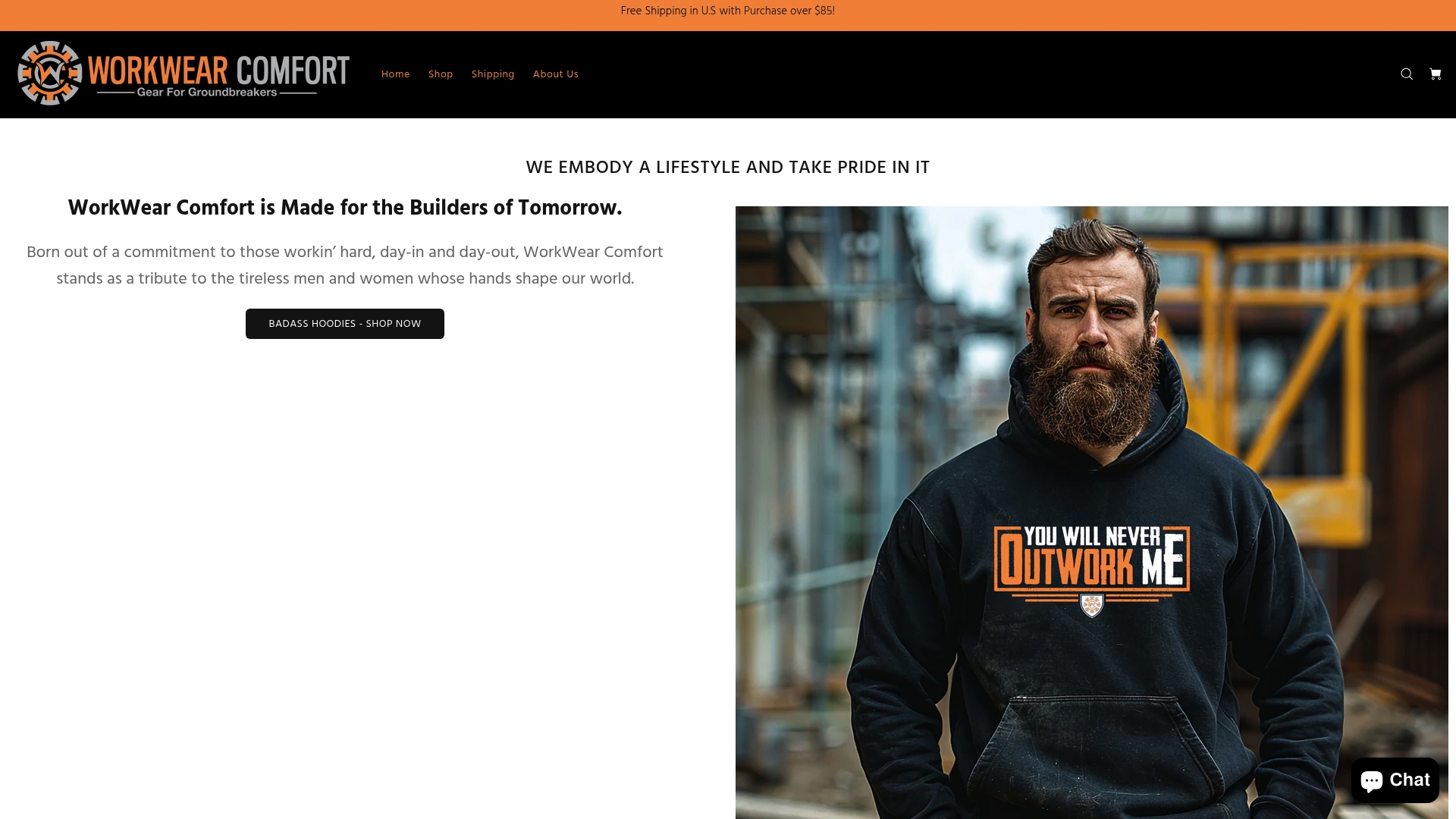
Don’t let the heat slow you down or risk your health. Upgrade your work wardrobe today with gear built for outdoor challenges at WorkWearComfort.com. Find the perfect balance of protection, durability, and comfort designed for hardworking professionals who demand better. Shop now and experience the difference quality workwear makes.
Frequently Asked Questions
What types of fabrics are best for warm weather outdoor work?
Lightweight, breathable fabrics are essential for comfortable outdoor work in warm weather. Choose materials with moisture-wicking properties and quick-drying capabilities to stay dry and cool throughout your shift.
How do moisture-wicking materials enhance comfort during outdoor work?
Moisture-wicking materials pull sweat away from your skin, allowing for rapid evaporation. This significantly reduces the risk of heat stress, helping you stay drier and more comfortable on hot days.
Why is UPF 50+ sun protection important for outdoor work?
UPF 50+ sun protection is crucial for blocking harmful UVA and UVB rays, which can cause skin damage over time. Always check the UPF rating of your workwear to ensure adequate protection against sun exposure when working outdoors.
How can color selection impact my comfort in warm weather work?
Choosing light-colored workwear can help reflect sunlight and keep your body temperature lower. Opt for shades like white, tan, or light gray to minimize heat absorption and enhance your overall comfort during long outdoor shifts.
What benefits do vented or mesh-panel clothing provide for outdoor workers?
Vented or mesh-panel clothing improves air circulation and enhances evaporative cooling. Look for workwear with strategically placed ventilation zones to maintain a comfortable temperature even in high heat situations.
What role do protective accessories play in outdoor workwear?
Protective accessories, such as wide-brimmed hats and UV-blocking sleeves, provide additional shielding against harmful sunlight. Incorporate these items into your work attire to further safeguard against UV radiation during extended outdoor exposure.
Recommended
- Best Workwear for Hot Weather: Stay Cool & Protected in 2025 - WorkWear Comfort
- 7 Must-Know Tips for Choosing Warm Weather Work Clothes – WorkWearComfort
- 7 Best Appropriate Work Clothes for Hot Weather Comfort – WorkWearComfort
- 7 Essential Tips for Choosing Workwear in Hot Weather – WorkWearComfort
- Weather Conditions and Coatings: Impact on Durability
