

Finding workwear that keeps up with long shifts while feeling comfortable and looking professional is a real challenge for women in trades. You need gear that moves with you, stands up to abrasion, and fits your body properly without compromising safety. Too often, workwear designed for men leaves women dealing with poor fit, restricted movement, or safety hazards. This guide breaks down the essential criteria for evaluating women’s workwear, reviews top brands known for durability and comfort, and gives you a practical framework to choose items that match your job demands and personal style.
Table of Contents
- Key takeaways
- Key criteria for choosing comfortable workwear for women
- Top comfortable workwear brands and items for women
- Comparing durable workwear options: abrasion, comfort, and price
- Choosing the right comfortable workwear for your job and style
- Explore comfortable workwear designed for women at WorkWearComfort
- FAQ
Key Takeaways
| Point | Details |
|---|---|
| Women specific cuts | Women specific cuts address fit and safety by contoured waistbands and shorter rises with pockets placed where you can reach them. |
| Durability and breathability | Fabrics should withstand more than 50,000 abrasion cycles and deliver breathability above 5,000 grams per square meter per 24 hours. |
| Mobility features | Mobility features such as four way stretch and articulated knees help you move freely during long shifts. |
| Brand durability value | Carhartt and Dickies lead in rugged durability and value while offering safety features like toe caps and slip resistant outsoles. |
Key criteria for choosing comfortable workwear for women
Selecting workwear that actually works for women in blue-collar jobs requires looking beyond basic sizing. You need gear engineered for durability, breathability, and movement while fitting your body correctly. Understanding these criteria helps you evaluate options and avoid costly mistakes.
Fabric durability stands as your first consideration. Workwear benchmarks include >50,000 abrasion cycles and breathability >5,000 g/m²/24h with 4-way stretch and gusseted crotches important for mobility. Abrasion resistance measured in Martindale cycles tells you how well fabric withstands rubbing and wear. Anything below 50,000 cycles wears out quickly in construction, electrical work, or plumbing jobs where you kneel, crawl, and brush against rough surfaces constantly.
Breathability determines whether you stay comfortable during physical work. Moisture vapor transmission rate measures how well fabric releases sweat. Look for ratings above 5,000 g/m²/24h to avoid feeling clammy and overheated. This becomes critical during summer months or in enclosed spaces where ventilation is limited.
Women-specific cuts address problems that unisex or men’s workwear creates. Proper fits prevent gapping at the waist, eliminate excess fabric that creates trip hazards, and position pockets where you can actually reach them. Features like contoured waistbands, shorter rises, and narrower shoulders make a tangible difference in comfort and safety. For more insights on construction-appropriate options, check out workwear for construction insights.
Safety features protect you from workplace hazards:
- Steel or composite toe caps guard against falling objects and compression injuries
- Slip-resistant outsoles prevent falls on wet or oily surfaces
- Reinforced knees and seat areas extend durability in high-wear zones
- Electrical hazard protection insulates against accidental contact with live circuits
- High-visibility elements improve safety in low-light conditions or around heavy equipment
Mobility features separate workwear that restricts movement from gear that moves with you. Four-way stretch fabric flexes in multiple directions, crucial for climbing ladders, bending, and reaching overhead. Gusseted crotches add fabric at stress points to prevent binding and tearing. Articulated knees pre-shape pants for a natural bend, reducing strain when kneeling.
Pro Tip: Test workwear mobility before committing to multiple pairs. Squat down, reach overhead, and bend at the waist while wearing the item. If you feel restricted or fabric pulls uncomfortably, that discomfort multiplies over a 10-hour shift.
Top comfortable workwear brands and items for women
Several brands have earned reputations for producing workwear that balances durability with comfort. Each brings different strengths, so matching brand characteristics to your job requirements matters.
Carhartt built its reputation on heavy-duty canvas that withstands years of abuse. Top brands include Carhartt, Dickies, Helly Hansen; fabrics with >50,000 abrasion cycles and breathability >5,000 g/m²/24h set the standard. Their duck fabric resists tears and abrasion exceptionally well, making it ideal for welding, construction, and manufacturing. However, this durability comes with tradeoffs. The fabric feels stiff initially and requires breaking in. It also traps heat, which becomes uncomfortable in warm weather or during intense physical activity. Carhartt’s women’s line includes Force technology that wicks moisture and dries quickly, partially addressing the heat issue.
Dickies offers solid performance at more accessible price points. Their workwear provides decent abrasion resistance and comes in women-specific cuts that fit better than unisex options. The fabric feels lighter and more breathable than Carhartt’s heavy canvas, trading some durability for comfort. This makes Dickies a smart choice if your work involves moderate wear rather than extreme abrasion. Their Flex fabric incorporates mechanical stretch for easier movement.
Helly Hansen focuses on technical fabrics originally developed for maritime and outdoor industries. Their workwear incorporates stretch materials that move naturally with your body while maintaining durability. The breathability ratings often exceed competitors, keeping you cooler during physical work. However, the specialized fabrics command premium prices. Compare different construction worker options at workwear for construction workers comparison.
Dovetail Workwear designs exclusively for women in trades. Their cuts account for different body proportions without sacrificing durability. Features like tool loops positioned for women’s reach and reinforced pockets sized for actual tools show attention to practical details. The brand uses stretch canvas that balances mobility with abrasion resistance.
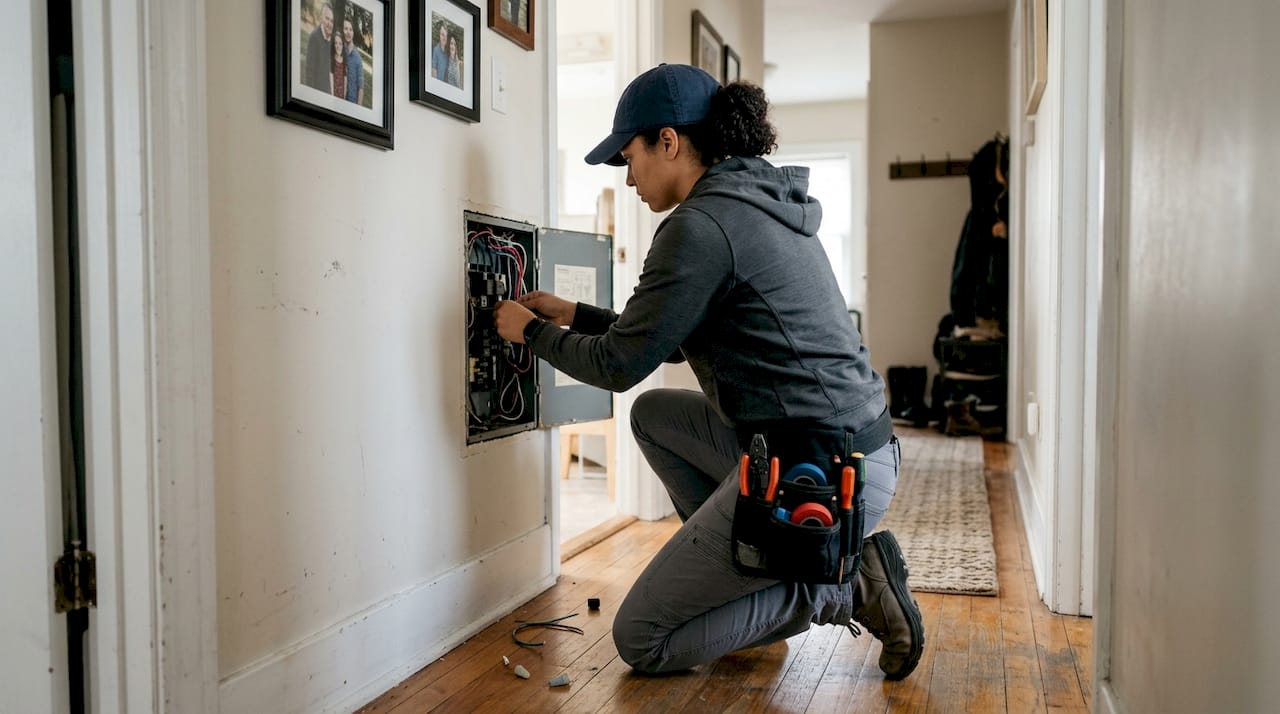
For footwear, Steel Blue Southern Cross Zip boots offer women-specific fit, steel toe, and slip/oil resistance with minimal break-in required. These boots address the common problem of work boots designed for men’s feet, which create pressure points and blisters for women. The side zip makes them easy to get on and off, while the steel toe and electrical hazard protection meet safety requirements. The slip and oil-resistant outsole provides traction on job sites.
Pro Tip: Rotate between three or four pairs of work pants and two pairs of boots. This rotation extends the lifespan of each item by allowing materials to rest and recover between wears. It also ensures you always have clean, dry gear ready.
Explore additional brand comparisons at workwear for tradesmen comparison to see how different options stack up.
Comparing durable workwear options: abrasion, comfort, and price
Direct comparison reveals how brands perform across the factors that matter most: durability, comfort, safety features, and cost. This helps you make informed decisions based on your priorities.
| Brand | Abrasion resistance | Comfort/mobility | Price range | Best for |
|---|---|---|---|---|
| Carhartt | Excellent (>60,000 cycles) | Moderate (stiff, heavy) | $$$ | Welding, heavy construction, extreme wear |
| Dickies | Good (45,000-50,000 cycles) | Good (lighter, flexible) | $$ | General construction, electrical, moderate wear |
| Helly Hansen | Very good (50,000+ cycles) | Excellent (stretch, breathable) | $$$$ | Active trades, variable weather, high mobility needs |
| Dovetail | Very good (50,000+ cycles) | Excellent (women-specific stretch) | $$$ | All trades, prioritizing fit and movement |
Carhartt outperforms Dickies in abrasion resistance and kneeling durability but at higher price points. If you work in environments with extreme abrasion like concrete finishing, metal fabrication, or roofing, Carhartt’s superior durability justifies the investment. A pair of Carhartt pants might last two to three years of daily use, while Dickies typically last 12 to 18 months under similar conditions.
Price analysis shows important patterns:
- Entry-level Dickies pants: $35-50
- Mid-range Carhartt or Dovetail: $60-90
- Premium Helly Hansen: $90-130
- Quality work boots (any brand): $120-200
The initial cost difference seems significant, but calculating cost per wear changes the picture. A $40 pair of pants lasting one year costs more per wear than an $80 pair lasting three years. Factor in the hassle and downtime of replacing worn-out gear more frequently.
Comfort and mobility considerations favor lighter, stretch fabrics. Brands incorporating spandex or elastane (typically 2-5% of fabric content) move more naturally with your body. This reduces fatigue during repetitive motions and makes awkward positions less uncomfortable. However, stretch fabrics sometimes sacrifice maximum abrasion resistance. The tradeoff works well for trades like electrical work or HVAC installation where mobility matters more than extreme durability.
Women-specific cuts eliminate common fit problems:
- Proper rise prevents gapping at the back waist when bending
- Contoured waistbands follow natural curves without binding
- Tapered legs reduce excess fabric that catches on equipment
- Positioned pockets allow easy access without awkward reaching
- Shorter inseams available without alterations
These fit improvements directly impact safety by reducing trip hazards and ensuring freedom of movement in emergency situations. Find more women-specific options at women’s construction apparel comparison.
Pro Tip: Balance your workwear budget by investing in premium items for high-wear areas (pants, boots) while choosing mid-range options for tops and outerwear. Rotate three to four pairs of pants to extend their useful life, and consider brands offering repair services to maximize your investment.
Choosing the right comfortable workwear for your job and style
Applying the criteria and brand knowledge to your specific situation requires honest assessment of your work environment and priorities. This personalized approach ensures you get gear that actually works for your daily reality.
Follow this decision framework:
-
Assess your daily tasks and hazards. List the physical activities you perform regularly: kneeling, climbing, reaching overhead, working in tight spaces. Identify environmental factors like temperature extremes, moisture, sharp edges, or electrical hazards. This determines your minimum requirements for abrasion resistance, safety features, and weather protection.
-
Determine required safety features. Check your employer’s safety requirements and industry standards. Steel or composite toes, electrical hazard protection, high-visibility elements, and flame resistance might be mandatory rather than optional. Never compromise on required safety features to gain comfort or style.
-
Evaluate comfort priorities. Consider how many hours you wear workwear daily and the climate you work in. Heavy canvas durable but can be hot and stiff; stretch fabrics better for mobility; fashion-focused workwear often lacks proper abrasion resistance. If you work 10-12 hour shifts in summer heat, breathability and moisture wicking become critical. For shorter shifts in moderate conditions, you can prioritize durability over maximum breathability.
-
Compare brand options matching your needs. Use the comparison information to shortlist two or three brands that meet your requirements. Read reviews from women in similar trades to learn about real-world performance. Pay attention to comments about sizing accuracy, durability after months of use, and how well features hold up.
-
Plan your budget and rotation strategy. Calculate how many items you need to maintain a rotation that extends garment life. Factor in the true cost per wear rather than just initial price. Decide whether to buy multiple items from one brand or mix brands based on specific garment strengths.
Style considerations matter more than some people acknowledge. Feeling confident in your appearance affects your mindset and how others perceive your professionalism. However, prioritize function over fashion. Workwear that looks great but fails to protect you or wears out quickly wastes money and compromises safety.
Women-specific fits deserve special emphasis because poorly fitting workwear creates actual hazards. Pants that gap at the waist expose skin to sparks, chemicals, or abrasion. Excess fabric around ankles catches on ladders or equipment. Sleeves that are too long interfere with hand tools. Investing in proper fit prevents these problems and makes long days more comfortable. Explore options at comfortable work outfits for women.
Temperature regulation impacts your performance and safety. Overheating leads to fatigue, poor decision-making, and increased injury risk. Layer strategically rather than relying on a single heavy garment. Base layers that wick moisture, insulating mid-layers, and weather-resistant outer layers give you flexibility to adjust as conditions change throughout the day.
Mobility requirements vary by trade. Electricians climbing ladders and working overhead need maximum shoulder and arm mobility. Plumbers working in crawl spaces require flexible waists and knees. Framers swinging hammers all day benefit from unrestricted shoulder movement. Match fabric stretch and cut to your specific movement patterns.
Explore comfortable workwear designed for women at WorkWearComfort
WorkWearComfort understands that women in trades need gear that works as hard as they do. The curated selection focuses on items that combine durability with comfort, ensuring you stay protected and feel good throughout your shift.
The blue collar brotherhood hoodie and hard work matters hoodie represent the kind of functional apparel women in trades appreciate. These hoodies feature heavyweight fabric that stands up to job site conditions while providing warmth during early mornings or cool evenings. The designs celebrate the pride and dedication that define blue-collar work.
Beyond hoodies, WorkWearComfort offers a growing selection of workwear essentials chosen specifically for durability and comfort. Each item gets evaluated for real-world performance in trade environments, ensuring you get gear that actually delivers on its promises. Browse the full collection at WorkWearComfort homepage to find options that match your specific needs and style preferences. The focus remains on supporting women who work hard and deserve workwear that keeps up with their demanding jobs.
FAQ
What fabrics provide the best comfort and durability for women’s workwear?
The ideal fabric depends on your specific work environment and priorities. Heavy canvas is durable but can feel hot and stiff; lightweight stretch fabrics enhance mobility and breathability for jobs requiring constant movement. Cotton canvas with 10-12 oz weight offers excellent abrasion resistance for welding or heavy construction, while cotton-spandex blends (95/5 or 98/2 ratios) provide stretch for electrical work or plumbing. Ripstop fabrics resist tearing and work well for general construction. Consider your climate and activity level when choosing between maximum durability and enhanced comfort.
How important is women-specific fit in workwear?
Women-specific fit directly impacts both comfort and safety on job sites. Women-specific cuts prevent gapping and trip hazards and improve overall fit and safety compared to unisex or men’s sizing. Properly fitted workwear eliminates excess fabric that catches on equipment, prevents waistband gaps that expose skin to hazards, and positions pockets where you can actually reach them. The contoured waistbands and appropriate rise lengths reduce the need for belts cinched uncomfortably tight. For women working in active trades, proper fit reduces fatigue by eliminating constant adjustments and allows natural movement without restriction.
What safety features should women look for in work boots?
Work boots must balance protection with comfort suited to women’s foot anatomy. Steel Blue Southern Cross Zip boots offer steel toe, EH protection, and slip/oil resistance with a women-specific fit for comfort and minimal break-in time. Essential features include ASTM-rated toe protection (steel or composite), electrical hazard certification if you work around live circuits, and slip-resistant outsoles tested for oil and water. Women-specific lasts (the foot-shaped forms boots are built on) prevent heel slippage and pressure points common with men’s boots. Side zippers make boots easier to get on and off while maintaining ankle support throughout your shift.
How many pairs of work pants should I own?
Owning three to four pairs of work pants creates an effective rotation that extends the life of each pair while ensuring you always have clean gear ready. This rotation allows fabric to rest and recover between wears, reducing stress on seams and maintaining shape. It also gives you flexibility when one pair needs repair or gets unexpectedly soiled. If you work five days weekly, three pairs work with weekend laundry. For longer work weeks or jobs with heavy soiling, four pairs provide more buffer. The investment in multiple pairs pays off through extended garment life and reduced per-wear cost over time.
