

Finding a work jacket that stands up to rough job sites is a challenge many American construction workers face daily. With over 60 percent of construction injuries linked to inadequate protective gear, choosing the right jacket means more than just staying warm. This guide helps you zero in on durable, stylish options designed for breathability and protection, keeping American workers safe and comfortable during those long, demanding shifts outdoors.
Table of Contents
- What Is A Construction Work Jacket?
- Types Of Jackets For Construction Workers
- Key Features For Durability And Safety
- Weather Resistance And Breathability Needs
- Mistakes To Avoid When Buying A Work Jacket
Key Takeaways
| Point | Details |
|---|---|
| Construction Work Jackets are Essential | They provide critical safety features and protection against workplace hazards in demanding industrial environments. |
| Different Jacket Types for Specific Needs | Choosing the right jacket type—insulated, waterproof, or lightweight—is crucial based on work conditions and seasonal demands. |
| Durability and Safety Features Matter | Key features such as reinforced stress points and ergonomic design enhance both the lifespan and safety of work jackets. |
| Avoid Common Purchasing Mistakes | Always ensure proper sizing, understand environmental risks, and prioritize safety standards over price when selecting a work jacket. |
What Is a Construction Work Jacket?
A construction work jacket is a specialized protective garment designed specifically for workers in demanding industrial environments. Workwear fundamentally serves to provide durability, safety, and comfort during physically intense manual labor tasks. These jackets are engineered to withstand harsh workplace conditions while protecting workers from environmental hazards and potential workplace risks.
Construction work jackets go far beyond standard clothing. They are strategic pieces of personal protective equipment (PPE) that shield workers from potential injuries, temperature variations, and workplace dangers. OSHA regulations require specific protective clothing standards to minimize occupational risks, making these jackets more than just a fashion statement - they are a critical safety component.
Typically, construction work jackets feature robust materials like heavy-duty canvas, reinforced polyester, or specialized blended fabrics that offer multiple protective qualities. Key design elements often include:
- Thick insulation for temperature regulation
- Reinforced stress points like shoulders and elbows
- Multiple utility pockets for storing tools
- Reflective safety elements for visibility
- Water-resistant or weatherproof exterior materials
Pro tip: When selecting a construction work jacket, prioritize fit and mobility alongside protective features to ensure maximum comfort and safety during long work shifts.
Types of Jackets for Construction Workers
Construction workers require different jacket types depending on their specific work environment and seasonal demands. Construction work jackets range from lightweight options for mild conditions to heavy-duty insulated versions for extreme cold and challenging workplace environments. These specialized garments are engineered to provide protection, comfort, and functionality across diverse work scenarios.
The primary categories of construction work jackets include:
- Insulated Jackets: Designed for cold weather, these jackets feature thick thermal lining and advanced insulation technologies to maintain worker body temperature in freezing conditions. They typically incorporate materials like fleece, quilted padding, and synthetic insulators that trap heat while remaining breathable.
- Waterproof Jackets: Essential for rainy or humid work environments, these jackets feature water-resistant exterior materials that prevent moisture penetration while allowing body heat to escape.
- Canvas and Duck Fabric Jackets: Known for exceptional durability, these jackets use heavyweight materials that resist abrasion and provide superior protection against workplace hazards.
- Lightweight Performance Jackets: Perfect for mild temperatures, these jackets offer mobility and minimal bulk while still providing basic protective features.
Each jacket type serves a unique purpose, with design elements carefully tailored to meet the demanding requirements of construction work. Factors like material strength, thermal properties, and mobility play crucial roles in determining the most appropriate jacket for specific job conditions.
Here’s a comparison of construction work jacket types and their ideal usage environments:
| Jacket Type | Best For | Key Material Features |
|---|---|---|
| Insulated Jackets | Extreme cold | Fleece lining, thermal insulation |
| Waterproof Jackets | Wet, humid conditions | Water-repellent shells, sealed seams |
| Canvas/Duck Fabric Jackets | High-abrasion areas | Heavy canvas, double stitching |
| Lightweight Performance | Mild climates | Breathable fabrics, minimal bulk |
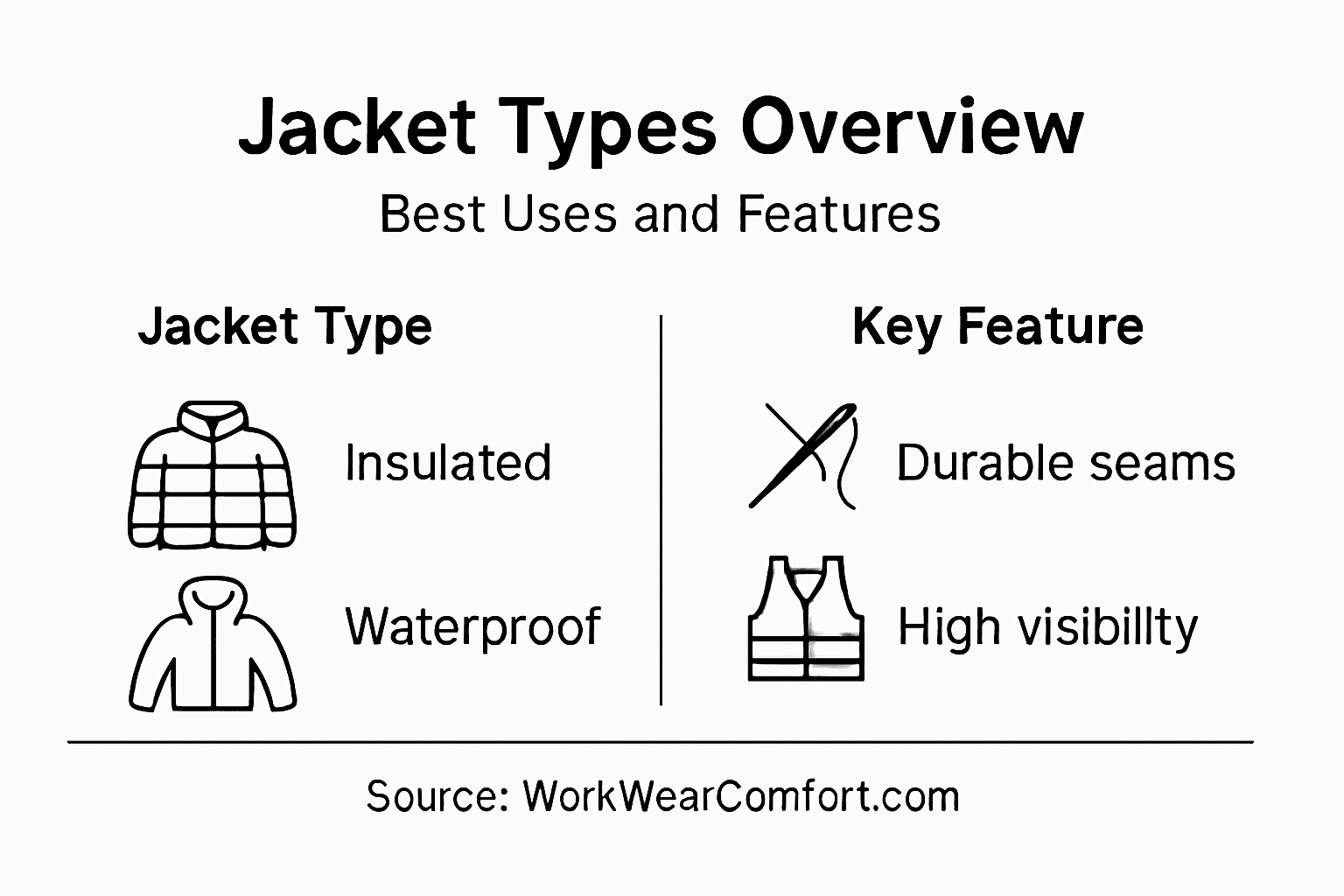
Pro tip: Always choose a work jacket that matches your specific work environment, considering factors like temperature, potential hazards, and required mobility.
Key Features for Durability and Safety
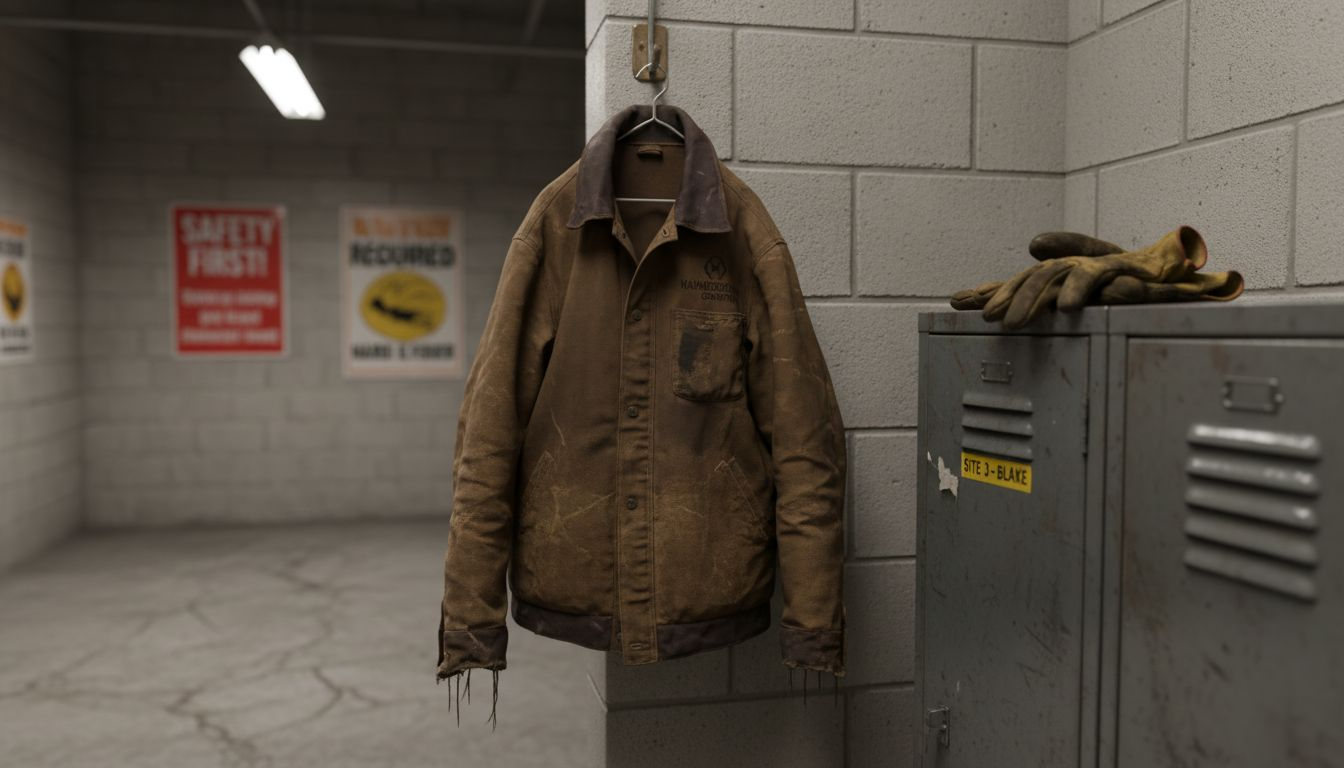
Construction work jackets are engineered with critical features that protect workers from workplace hazards while ensuring maximum durability. Heavy-duty fabric construction forms the foundation of these essential safety garments, incorporating advanced materials designed to withstand extreme working conditions. The right jacket acts as a critical line of defense against environmental risks, physical impacts, and potential workplace injuries.
Key durability and safety features include:
- Reinforced Stress Points: Strategic reinforcement at shoulders, elbows, and high-wear areas prevents premature jacket breakdown
- Triple-Stitched Seams: Provides additional structural integrity and prevents tearing under intense physical movement
- Water-Resistant Coatings: Protects workers from moisture while maintaining breathability
- Reflective Safety Elements: Enhances worker visibility in low-light conditions, reducing accident risks
- Ergonomic Design: Allows full range of motion while maintaining protective coverage
The most effective construction work jackets combine multiple protective elements. Workwear manufacturers emphasize durability through innovative design techniques that address specific workplace challenges. These jackets are not just clothing - they’re sophisticated protective equipment engineered to keep workers safe and comfortable during demanding work shifts.
Pro tip: Inspect your work jacket regularly for signs of wear, and replace it immediately if protective features become compromised.
This summary highlights how features contribute to both durability and worker safety:
| Jacket Feature | Durability Benefit | Safety Impact |
|---|---|---|
| Reinforced Stress Points | Prolongs garment lifespan | Reduces risk of rips and injury |
| Triple-Stitched Seams | Prevents seam failure | Protects against sudden tears |
| Reflective Elements | Preserves visibility over time | Lowers risk of workplace accidents |
| Ergonomic Design | Withstands repeated movement | Maintains full protective coverage |
Weather Resistance and Breathability Needs
Construction workers require work jackets that offer superior protection against harsh environmental conditions while maintaining optimal personal comfort. Waterproof fabric technologies have revolutionized protective workwear, creating advanced garments that shield workers from rain, wind, and cold without sacrificing mobility or causing internal moisture buildup.
The most critical aspects of weather-resistant work jackets include:
- Microporous Membranes: Innovative fabric layers that block water droplets while allowing sweat vapor to escape
- Thermal Regulation: Balanced insulation that prevents overheating during intense physical work
- Moisture-Wicking Properties: Fabrics that quickly move perspiration away from the body
- Wind-Resistant Exterior: Protective outer layers that block cold air penetration
- Quick-Drying Materials: Textiles that rapidly eliminate accumulated moisture
Safety management experts emphasize that effective work jackets must balance protection with breathability. This means preventing external moisture while simultaneously managing internal heat and sweat, which is crucial for maintaining worker comfort and reducing risks associated with temperature extremes.
Pro tip: Select work jackets with removable inner layers to adapt quickly to changing weather conditions throughout your work shift.
Mistakes to Avoid When Buying a Work Jacket
Purchasing the right construction work jacket requires careful consideration beyond simple aesthetic preferences. Common purchasing errors can significantly compromise worker safety and long-term jacket performance. Understanding these potential mistakes helps construction professionals make more informed decisions about their essential protective gear.
Key mistakes to avoid include:
- Incorrect Size Selection: Jackets that restrict movement or are too loose compromise safety and functionality
- Ignoring Specific Work Environment Hazards: Failing to match jacket features to unique workplace risks
- Overlooking Safety Standards: Selecting jackets that do not meet industry-specific protective requirements
- Prioritizing Price over Protection: Choosing cheaper options that sacrifice crucial safety features
- Neglecting Material Durability: Selecting jackets with inferior fabrics that wear out quickly
Construction safety experts emphasize the critical importance of understanding site-specific hazards when selecting protective clothing. A jacket that works perfectly in one environment might be dangerously inadequate in another. Careful evaluation of potential risks, material performance, and specific job requirements is essential for making the right choice.
Pro tip: Always try on work jackets while wearing your typical work layers to ensure proper fit and range of motion.
Gear Up for Long Shifts with Durable Comfort
Every construction worker knows the challenge of staying protected and comfortable during long workdays. This article highlights the importance of choosing construction work jackets that offer durability, weather resistance, and safety features. But what about when you need versatile layering options that keep you warm, mobile, and connected to your blue-collar values? That is where the right workwear makes all the difference.
All Hooded Sweatshirts - WorkWear Comfort delivers rugged, stylish hoodies designed specifically for hardworking professionals who demand comfort and function.
Don’t let unpredictable weather or long hours slow you down. Explore our collection at WorkWearComfort.com to find hoodies that combine strength, durability, and the perfect fit for your work environment. Whether you operate heavy equipment or tackle tough job sites, our gear supports your commitment to quality and resilience. Ready to upgrade your worklayers that match tough job requirements? Start browsing now and experience workwear built for those who never quit.
Frequently Asked Questions
What is a construction work jacket?
A construction work jacket is a specialized protective garment designed for workers in industrial environments, providing durability, safety, and comfort during manual labor tasks.
What types of construction work jackets are available?
Construction work jackets come in various types, including insulated jackets for cold weather, waterproof jackets for wet conditions, durable canvas and duck fabric jackets, and lightweight performance jackets for mild temperatures.
What key features should I look for in a durable construction work jacket?
When selecting a durable construction work jacket, look for reinforced stress points, triple-stitched seams, water-resistant coatings, reflective safety elements, and an ergonomic design to ensure comfort and protection.
How can I ensure my construction work jacket provides adequate weather resistance and breathability?
Choose jackets made with microporous membranes that block water while allowing sweat vapor to escape, along with thermal regulation, moisture-wicking properties, and quick-drying materials to maintain comfort and prevent overheating.
