

Over half of American construction workers report that ill-fitting or inadequate workwear has led to on-the-job discomfort or safety concerns. Choosing the right protective gear is critical because it impacts your comfort, performance, and long-term safety every single day on the job site. This guide empowers you to navigate the crowded market, helping you make confident choices so your workwear meets both industry standards and the demands of American construction environments.
Table of Contents
- Stage 1: Assess Your Workwear Requirements
- Stage 2: Explore Local and Online Workwear Options
- Stage 3: Compare Features and Durability of Products
- Stage 4: Verify Product Fit and Comfort
- Stage 5: Complete Your Purchase Securely
Quick Summary
| Key Point | Explanation |
|---|---|
| 1. Assess Workplace Hazards Thoroughly | Identify specific risks unique to your environment to determine necessary protective clothing and comfort needs. |
| 2. Explore Local and Online Options | Compare specialized workwear from local stores and online platforms for diverse selections and immediate inspection. |
| 3. Compare Features and Durability | Assess fabric types and additional performance features to ensure the workwear meets protection and comfort standards. |
| 4. Verify Fit Through Testing | Perform movement tests when trying on workwear to ensure comfort and range of motion are adequate for job tasks. |
| 5. Ensure a Secure Purchase Process | Confirm supplier reputation and safety standards while reviewing return policies before completing your workwear purchase. |
Stage 1: Assess Your Workwear Requirements
Before purchasing construction workwear, you need a strategic approach to understanding your specific job requirements and safety needs. The goal is matching your professional demands with appropriate protective clothing that ensures comfort and safety.
Start by conducting a thorough assessment of workplace hazards and risks unique to your specific work environment. This involves identifying potential physical risks like sharp objects, extreme temperatures, chemical exposures, and mechanical stresses that could impact your clothing choices. Consider factors such as job role, typical work surfaces, potential impact zones, and environmental conditions that might affect your workwear performance.
Your workwear assessment should include evaluating key protection categories: impact resistance, thermal regulation, breathability, durability, and flexibility. Not all construction jobs require identical protective gear. A roofing professional needs different protective attributes compared to an electrician or heavy equipment operator. Pay close attention to specific safety standards required in your industry and local workplace regulations. Consulting your job site safety manager or reviewing industry specific guidelines can provide precise insights into recommended workwear specifications.
Warning: Never compromise safety for cost savings. Investing in high quality workwear designed for your specific job requirements is crucial for personal protection and long term workplace safety.
Stage 2: Explore Local and Online Workwear Options
Discovering the right construction workwear involves strategically exploring both local retail spaces and online platforms to find the best protective gear for your specific needs. Your goal is to compare available options efficiently and identify workwear that matches your professional requirements.
Start by investigating local workwear purchasing strategies that provide immediate access to physical product inspection. Local specialty workwear stores, industrial supply shops, and dedicated safety equipment retailers often carry specialized construction clothing that allows you to assess fabric quality, fit, and durability firsthand. These local vendors frequently understand regional work environment demands and can offer personalized recommendations based on your specific job requirements.
Online platforms offer extensive selections and competitive pricing that can complement your local search. Websites specializing in professional workwear provide detailed product specifications, customer reviews, and convenient comparison tools. When exploring online options, carefully review sizing charts, material composition, safety certifications, and return policies. Pay special attention to user feedback from professionals in similar industries to gain insights into real world performance and durability.
Warning: Always verify product safety standards and workplace compliance before purchasing workwear. Cheaper alternatives might compromise your protection and potentially violate job site safety regulations.
Stage 3: Compare Features and Durability of Products
Comparing workwear features and durability requires a systematic approach that goes beyond surface level appearance. Your objective is to identify construction apparel that provides maximum protection, comfort, and long term value for your specific professional demands.
Understand the critical role of fabric selection in construction workwear durability, which directly impacts performance and longevity. Key fabric types like cotton duck, denim, and twill offer exceptional strength and resistance to wear while maintaining breathability and comfort across different work environments. Examine fabric weight, weave density, reinforced stress points, and material composition to assess true durability. Look for features such as triple stitched seams, bartack reinforcements at high stress areas, and specialized fabric treatments that enhance resistance to abrasion, moisture, and potential chemical exposures.
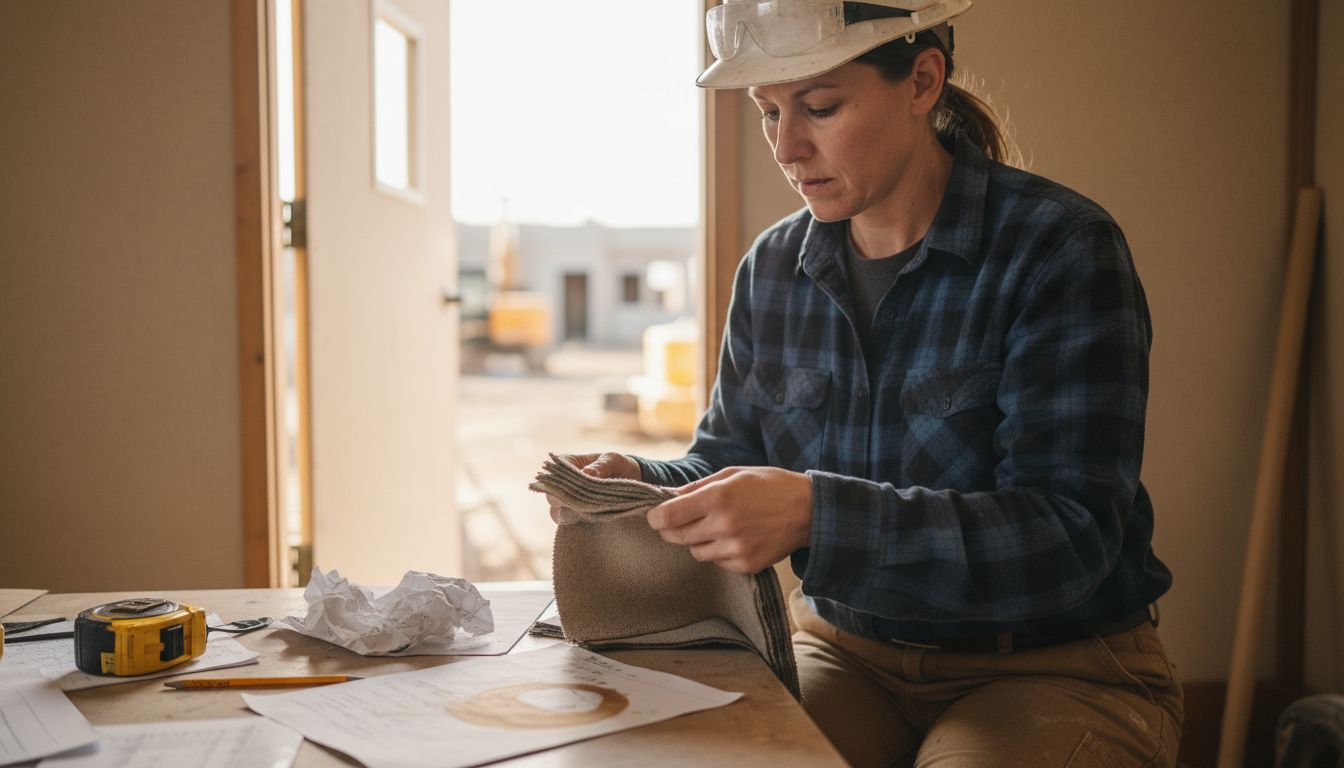
Beyond material composition, evaluate additional performance features that distinguish high quality workwear. Assess elements like articulated knees for enhanced mobility, multiple reinforced pockets designed for tool storage, integrated knee pad compatibility, ventilation zones, and strategic stretch panels. Compare product specifications against your specific job requirements, considering factors like temperature regulation, UV protection, moisture wicking capabilities, and overall ergonomic design.
Warning: Do not compromise on quality for cost savings. Investing in superior workwear that meets safety standards and provides reliable protection is crucial for your professional performance and personal safety.
Stage 4: Verify Product Fit and Comfort
Finding the right workwear goes far beyond selecting the correct size. Your goal is to ensure the clothing supports your body movements, provides optimal comfort, and enhances your professional performance throughout long working hours.
Apply a comprehensive approach to testing workwear comfort and fit that mimics real world working conditions. Begin by performing dynamic movement tests that simulate your typical job site activities. This means trying on workwear and performing actual work motions like bending, squatting, reaching, and lifting to assess range of motion and potential restrictions. Pay close attention to key areas of potential discomfort such as shoulder seams, waistband flexibility, knee and elbow articulation, and overall fabric stretch. Consider how different clothing layers interact and whether the workwear allows sufficient ventilation and moisture management during extended physical activities.
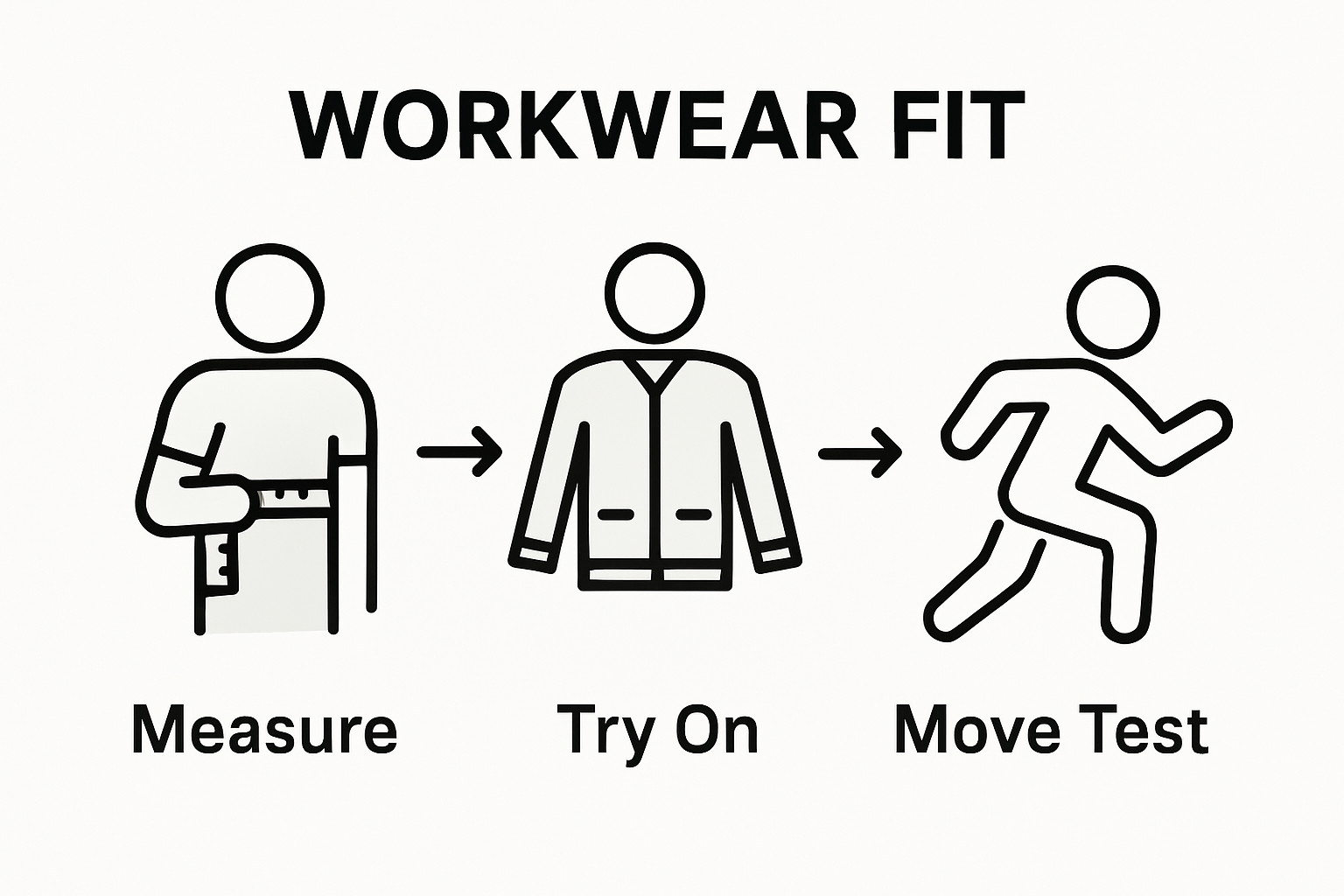
Take a strategic approach to sizing by understanding that standard measurements do not always translate to perfect fit. Different brands and styles can have unique sizing profiles, so always consult specific measurement charts and consider trying multiple sizes if possible. Look for workwear with adjustable features like waistband tabs, suspender buttons, gusseted designs, and articulated knees that provide additional customization options. If purchasing online, carefully review customer feedback regarding fit experiences from professionals in similar industries.
Warning: Ill fitting workwear can compromise both comfort and safety. Prioritize trying on clothing or purchasing from vendors with flexible return policies that allow you to exchange items for optimal fit.
Stage 5: Complete Your Purchase Securely
Finalizing your construction workwear purchase requires careful consideration of multiple factors beyond simply selecting the right item. Your objective is to ensure a secure transaction that provides maximum protection and value for your professional needs.
Navigate the purchasing process by understanding critical workwear buying considerations that extend beyond product selection. Verify the supplier’s reputation by examining customer reviews, return policies, and warranty information. Confirm that the workwear meets specific safety standards relevant to your industry and job requirements. Check payment security features such as encrypted checkout processes, multiple payment options, and clear transaction protocols. Carefully review size charts, material specifications, and detailed product descriptions to minimize the risk of purchasing inappropriate gear.
Before completing your purchase, conduct a final comprehensive review of your selected workwear. Validate that the item meets all professional safety requirements, provides appropriate protection for your specific work environment, and aligns with your personal comfort and functionality needs. Examine shipping costs, estimated delivery times, and any potential additional fees. If purchasing online, ensure the website offers secure payment methods, transparent return policies, and customer support for potential post purchase inquiries.
Warning: Always prioritize safety and quality over price. Cutting corners on workwear can compromise your professional protection and potentially violate workplace safety regulations.
Discover Durable Construction Workwear That Meets Your Needs
Finding the right construction workwear is about more than just comfort or style. The article highlights the challenge of matching your professional demands with protective clothing that offers safety, durability, and fit without compromise. Whether you are assessing workplace hazards or seeking apparel that supports your toughest projects, you need reliable gear designed specifically for the blue-collar lifestyle. At WorkwearComfort.com, we understand these pain points and have tailored our collection to provide rugged, functional workwear that stands up to demanding conditions without sacrificing comfort.
Explore our Blue-Collar Working Man Sweatshirt Hoodies – WorkWearComfort to find apparel made with durable fabrics and features designed for hard work and long days on site. Women looking for confidence and performance will appreciate our distinct Female Hoodie Sweatshirts – WorkWearComfort collection crafted for fit and style. Don’t settle for less when it comes to your safety and comfort. Visit WorkwearComfort.com now and secure workwear that performs as hard as you do.
Frequently Asked Questions
How can I assess my workwear requirements for construction?
To assess your workwear requirements, identify workplace hazards, job roles, and environmental conditions. Conduct a thorough evaluation of the risks unique to your job site and match these with the appropriate protective clothing choices.
What features should I look for when comparing construction workwear?
Look for key features such as impact resistance, thermal regulation, breathability, and durability. Focus on fabric quality, reinforced stress points, and ergonomic designs that accommodate your specific job tasks.
How do I ensure the right fit and comfort when trying on workwear?
To ensure the right fit, perform dynamic movements like bending and stretching while trying on the workwear. Pay attention to sizing charts and consider brands that offer adjustable features for a customized fit.
What should I verify before completing my workwear purchase?
Before completing a purchase, verify the supplier’s reputation, product safety standards, and your sizing. Ensure you review the return policy and shipping costs to avoid unexpected issues post-purchase.
How can I explore local options for construction workwear?
Explore local options by visiting specialty workwear stores or industrial supply shops. Inspect the quality and fit of the clothing firsthand to find the most suitable clothing for your job needs.
What are the risks of choosing cheaper workwear options?
Choosing cheaper workwear can compromise your safety and protection on the job. Always prioritize investing in high-quality gear that meets safety standards to reduce the likelihood of workplace accidents.
