

For many American mechanics, finding the right workwear can make all the difference during a long day in the shop. Daily exposure to sharp tools, hot surfaces, and relentless grease means ordinary clothes simply will not cut it. Modern mechanic overalls have become advanced protective gear, expertly designed to balance durability, resistance against grime, and the comfort needed for nonstop movement. This guide clears up common myths and helps you discover which features matter most for keeping you comfortable and safe while you work.
Table of Contents
- Defining Mechanic Overalls And Common Misconceptions
- Types Of Mechanic Overalls And Key Differences
- Essential Features For Shop Durability
- Comfort, Flexibility, And Performance Factors
- Comparing Leading Alternatives And Mistakes To Avoid
Key Takeaways
| Point | Details |
|---|---|
| Mechanic Overalls Are Specialized | These garments provide protection against grease, chemicals, and mechanical hazards, ensuring comfort and functionality for automotive professionals. |
| Coveralls vs. Overalls | Understanding the distinctions between these types of workwear is crucial for selecting appropriate protective equipment based on job requirements and hazards. |
| Essential Features for Durability | Look for abrasion resistance, chemical protection, flame retardant properties, and breathable construction to withstand demanding automotive environments. |
| Comfort Impacts Performance | Insist on mechanic overalls designed for thermal regulation, moisture management, and flexibility to enhance mobility and reduce fatigue during work. |
Defining Mechanic Overalls and Common Misconceptions
Mechanic overalls represent far more than simple workwear - they are specialized protective garments engineered to withstand the demanding environment of automotive repair shops. Unlike standard clothing, these robust garments are designed to shield professionals from grease, chemicals, and mechanical hazards while providing essential comfort and functionality.
When discussing mechanic overalls, it’s crucial to understand the key distinctions from other protective workwear. Coveralls and overalls serve different purposes, with overalls typically featuring a bib-and-brace design that allows upper body flexibility, while coveralls provide comprehensive full-body protection. This nuanced difference impacts a mechanic’s ability to move and work effectively.
Common misconceptions about mechanic overalls often stem from outdated perceptions of workwear. Many people assume these garments are purely utilitarian and uncomfortable. However, modern mechanic overalls have evolved significantly:
- Fabric Innovation: Heavy-duty materials treated to resist tears and chemical exposure
- Ergonomic Design: Strategically placed stretch panels for enhanced mobility
- Professional Features: Multiple specialized pockets, reinforced stress points
- Comfort Technology: Breathable fabrics and adjustable fit mechanisms
The modern mechanic overall is a sophisticated piece of professional equipment, far from the rudimentary work garments of previous generations. Advanced workwear technologies have transformed these garments into high-performance tools that protect, support, and enhance a professional’s capabilities.
Pro Tip: When selecting mechanic overalls, prioritize durability, mobility, and protection over aesthetic considerations.
Types of Mechanic Overalls and Key Differences
Mechanic workwear encompasses a diverse range of protective garments, with overalls and coveralls representing two critical categories that serve distinctly different purposes in professional automotive environments. Understanding these variations is essential for selecting the right protective equipment that balances safety, comfort, and functionality.
Work coveralls come in multiple specialized configurations, designed to address specific workplace challenges and environmental conditions. The primary types include:
- Flame-Resistant Coveralls: Ideal for high-risk environments with potential fire hazards
- High-Visibility Coveralls: Critical for mechanics working in low-light or traffic-adjacent areas
- Insulated Coveralls: Designed for cold workshop or outdoor mechanical repair settings
- Lightweight Performance Coveralls: Optimal for warm environments requiring breathability
- Arc-Flash Resistant Coveralls: Specialized protection for electrical system repair professionals
Mechanical Workwear Distinctions fundamentally revolve around protection levels and mobility. Overalls and coveralls differ significantly in their structural design and protective capabilities. Overalls typically feature a two-piece bib-style construction that allows greater upper body flexibility, while coveralls provide comprehensive full-body protection with a one-piece suit design.
Choosing between overalls and coveralls depends on specific job requirements, workplace hazards, and individual comfort preferences. Mechanics must consider factors like range of motion, protection level, climate conditions, and specific task demands when selecting their ideal protective workwear.
Here’s a comparison of major types of mechanic workwear and their ideal application:
| Workwear Type | Best Used For | Protection Level |
|---|---|---|
| Bib Overalls | Flexible movement tasks | Moderate torso and leg |
| Full-Body Coveralls | Environments with spill or fire risk | Maximum full-body |
| Layered Protective Clothing | Changing workplace hazards | Customizable, variable |
| Chemical-Resistant Garment | Chemical/biohazard work | Specialized barrier |
| Hybrid Workwear Systems | Multiple hazards in one job | Combined advanced |
Pro Tip: Always match your overall or coverall selection to your specific workplace environment and potential hazards.
Essential Features for Shop Durability
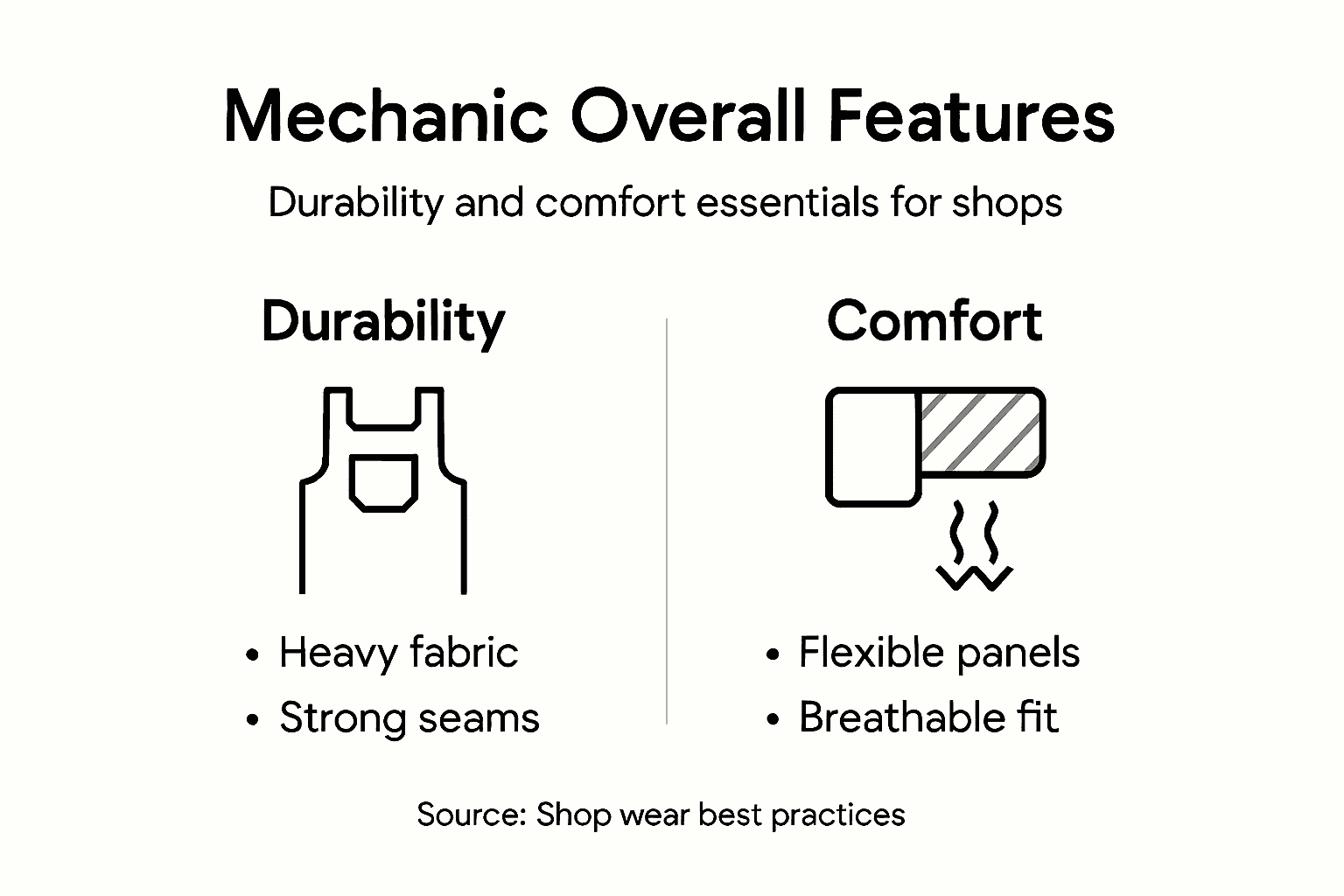
Durability in mechanic workwear goes far beyond simple fabric selection. Professional mechanics require protective garments that can withstand extreme workplace conditions while providing critical safety and functionality. Shop safety manuals emphasize comprehensive protective gear requirements that maintain integrity through frequent, intense use.
The most critical essential features for shop durability include:
- Abrasion Resistance: Fabric capable of withstanding constant friction and mechanical stress
- Chemical Protection: Materials resistant to grease, oil, and automotive fluid penetration
- Flame Retardant Properties: Specialized fabric treatments that prevent immediate ignition
- Reinforced Stress Points: Extra fabric layers at high-wear areas like knees, elbows, and pockets
- Breathable Construction: Allowing moisture wicking and temperature regulation
Mechanical durability requires a holistic approach to workwear design. The ideal overall or coverall must balance protective capabilities with comfort, ensuring mechanics can move freely while remaining shielded from potential workplace hazards. Strategic fabric engineering plays a crucial role in creating garments that can endure the most demanding automotive environments.
Proper maintenance significantly extends the lifespan of mechanic workwear. Regular inspection for wear, prompt repair of minor damages, and appropriate cleaning techniques can dramatically improve the longevity and protective performance of shop garments.
Pro Tip: Invest in high-quality workwear and treat it as a critical piece of safety equipment, not just clothing.
Comfort, Flexibility, and Performance Factors
Mechanic overalls represent a complex intersection of engineering, textile science, and ergonomic design. Professional mechanics require workwear that moves with their body, adapts to challenging environments, and provides comprehensive protection without compromising freedom of movement.
Comfort in mechanic overalls involves sophisticated performance metrics that go far beyond basic fabric selection. The most critical performance factors include:
- Thermal Regulation: Maintaining consistent body temperature across varying workshop conditions
- Moisture Management: Wicking sweat and preventing fabric saturation
- Stretch Dynamics: Incorporating flexible panels that enable unrestricted motion
- Weight Distribution: Ergonomic design that reduces physical strain during extended work periods
- Breathability: Active ventilation that prevents overheating and discomfort
Ergonomic construction plays a pivotal role in performance. Strategic placement of flexible panels, adjustable straps, and articulated joints allows mechanics to bend, twist, and reach without resistance. Modern workwear engineering focuses on creating garments that function like a second skin - responsive, protective, and virtually unnoticeable during intense physical labor.
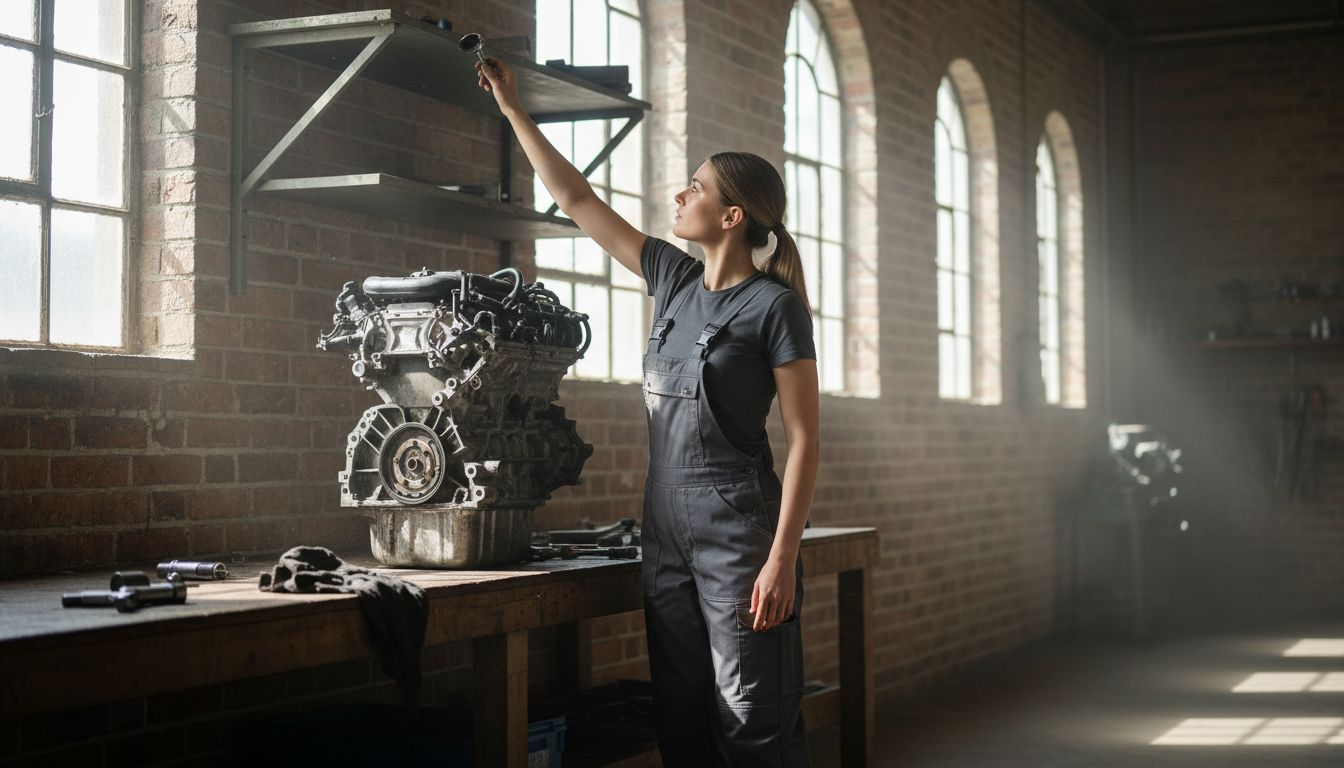
Subjective wearer experience remains as important as objective performance metrics. A truly exceptional overall must balance technical specifications with genuine comfort, ensuring that mechanics can focus on their work without distraction from uncomfortable or restrictive clothing.
The following table highlights how comfort factors impact mechanic work performance:
| Comfort Factor | Impact on Work Performance | Typical Design Solution |
|---|---|---|
| Thermal Regulation | Prevents fatigue from overheating | Ventilated fabric panels |
| Moisture Wicking | Reduces distraction, boosts focus | High-tech synthetic materials |
| Weight Distribution | Lowers strain, more sustained effort | Adjustable ergonomic stitching |
| Stretch Dynamics | Allows full movement, less injury | Integrated flexible zones |
Pro Tip: Always prioritize mobility and breathability when selecting mechanic overalls, as comfort directly impacts work performance.
Comparing Leading Alternatives and Mistakes to Avoid
Selecting the right protective workwear is a critical decision for mechanics that extends far beyond simple clothing choice. OSHA emphasizes precise personal protective equipment selection based on comprehensive hazard assessment and specific workplace requirements.
When comparing workwear alternatives, mechanics must critically evaluate several key options:
- Traditional Overalls: Lightweight, flexible, allowing maximum upper body movement
- Full Coveralls: Comprehensive protection, ideal for high-risk environments
- Layered Protective Clothing: Modular approach with separate protective components
- Specialized Chemical-Resistant Garments: Designed for specific industrial exposures
- Hybrid Workwear Systems: Combining features from multiple protective clothing types
Choosing between overalls and coveralls involves complex considerations of protection levels, mobility requirements, and specific workplace hazards. Common mistakes mechanics should avoid include:
- Selecting inappropriate protection for task complexity
- Prioritizing cost over safety features
- Ignoring proper fit and ergonomic considerations
- Failing to assess specific workplace environmental challenges
- Overlooking maintenance and replacement protocols
Workplace safety demands a nuanced approach to protective clothing. While alternatives exist, mechanics must prioritize garments that provide comprehensive protection without sacrificing comfort or mobility. Understanding the specific demands of individual work environments is crucial in making an informed selection.
Pro Tip: Always conduct a thorough workplace hazard assessment before selecting your protective workwear to ensure maximum safety and functionality.
Enhance Your Shop Wear with Durability and Comfort from WorkWearComfort.com
Mechanics face unique challenges when it comes to protective clothing. You need workwear that offers durability against grease, abrasion, and chemicals while delivering the comfort and flexibility required for long hours of physical labor. This article highlights how modern mechanic overalls have evolved to meet these demands, emphasizing key features like reinforced stress points and breathable fabrics to prevent fatigue and maximize mobility.
At WorkWearComfort.com, we understand these specific needs. Explore our selection of Heavy Equipment Operator Hoodie Sweatshirts designed to provide rugged warmth and layered comfort for demanding work environments. Pair your overalls with our durable hoodies and keep comfortable as you tackle tough shop conditions.
Don’t compromise on your workwear. Experience the perfect balance of strength and comfort engineered to support your hardest working days. Visit WorkWearComfort.com now to find apparel that stands up to your toughest challenges and embodies the grit of blue-collar professionals. For added motivation on the job, check out our Blue Collar Tumbler Mugs and gear that celebrates the hardworking lifestyle.
Start upgrading your shop wardrobe today and unleash lasting performance and comfort.
Frequently Asked Questions
What are mechanic overalls used for?
Mechanic overalls are specialized protective garments designed to shield professionals from grease, chemicals, and mechanical hazards while providing comfort and functionality in automotive repair shops.
What are the key differences between overalls and coveralls?
Overalls typically feature a bib-and-brace design that allows for better upper body movement, while coveralls offer full-body protection with a one-piece suit design, making them suitable for different workplace environments and safety needs.
What essential features should I look for in durable mechanic overalls?
When selecting mechanic overalls, prioritize features such as abrasion resistance, chemical protection, flame retardant properties, reinforced stress points, and breathable construction to ensure optimal durability and safety in shop environments.
How do comfort and flexibility impact work performance for mechanics?
Comfort factors like thermal regulation, moisture management, and stretch dynamics directly influence a mechanic’s work performance by ensuring they can move freely, stay focused, and prevent fatigue during prolonged periods of labor.
