

Most American auto technicians spend over forty hours each week in shop environments full of grease, oil, and tough messes. Comfort and reliability are not just preferences, but real necessities when you work on your feet handling heavy machinery. Finding work overalls that withstand constant wear while resisting stains can make a world of difference. This guide lays out what matters most in mechanic overalls built for American professionals who prioritize performance and long-lasting protection.
Table of Contents
- What Are Mechanic Work Overalls?
- Comparing Major Types And Styles
- Essential Features For Shop Safety
- Material Choices And Durability Factors
- Common Pitfalls And How To Avoid Them
Key Takeaways
| Point | Details |
|---|---|
| Specialized Design | Mechanic work overalls offer full-body protection and enhanced mobility, suitable for various work environments. |
| Material Selection | Choosing the right fabric with durability and chemical resistance is crucial for ensuring safety and comfort in demanding jobs. |
| Regular Maintenance | Inspect work overalls for wear regularly and replace them promptly to maintain protective capabilities and comply with safety standards. |
| Workplace Hazards | Assess specific workplace risks to select appropriate overall styles and features, ensuring maximum protection against potential injuries. |
What Are Mechanic Work Overalls?
Mechanic work overalls are specialized protective work garments designed specifically for automotive technicians and industrial professionals who require durable, functional clothing during challenging work environments. These comprehensive work garments provide full-body protection while offering maximum mobility and comfort for workers engaged in physically demanding tasks.
Originating in the 1890s, work overalls have evolved from simple denim protective wear to sophisticated garments engineered with advanced materials and specialized features. Modern mechanic overalls typically feature a bib-and-brace design with robust trousers connected to a chest panel by sturdy shoulder straps. This construction ensures complete coverage of the worker’s torso and legs while leaving arms free for unrestricted movement during complex repair and maintenance work.
The primary purpose of mechanic work overalls extends beyond basic clothing protection. These garments are engineered to withstand harsh industrial conditions, featuring reinforced fabric in high-wear areas like knees and pockets, multiple utility pockets for tool storage, and often incorporating moisture-wicking and stain-resistant technologies. Work clothing designed for industrial settings must balance durability, comfort, and practical functionality to meet the demanding needs of professional mechanics.
Pro tip: When selecting mechanic work overalls, prioritize garments with double-stitched seams and ripstop fabric to ensure maximum longevity and resistance to daily wear and tear.
Comparing Major Types and Styles
Mechanic work overalls come in several distinctive styles, each designed to meet specific workplace demands. Workwear garments range from traditional bib overalls to full-body coveralls, offering mechanics diverse options for protection and functionality. Understanding these variations helps professionals select the most appropriate garment for their specific work environment.
Traditional bib overalls represent a classic design featuring a front panel connected by sturdy shoulder straps, leaving the arms free for unrestricted movement. These are ideal for mechanics who require maximum arm mobility and prefer layering underneath. By contrast, full-body coveralls provide comprehensive protection, encasing the entire body including arms and torso, which proves advantageous in environments with higher contamination risks or more aggressive work conditions.
The selection of mechanic work overalls extends beyond basic design. Professionals must consider unique design characteristics and protective features when choosing their work attire. Factors like fabric weight, reinforcement in high-stress areas, number of utility pockets, and specialized treatments for stain or chemical resistance play crucial roles in determining the most suitable overall style. Some mechanics prefer lightweight cotton blends for comfort, while others require heavy-duty canvas or ripstop materials for extreme working conditions.
Pro tip: Examine your specific workplace requirements and select overall styles that provide the best balance between mobility, protection, and comfort for your daily tasks.
Here’s a quick comparison of common mechanic overall styles and their primary applications:
| Overall Style | Key Features | Ideal Work Environment | Major Advantages |
|---|---|---|---|
| Bib Overalls | Open arms, chest panel | General mechanic workshops | High arm mobility |
| Full-body Coveralls | Enclosed torso and arms | High-risk or dirty settings | Full contamination protection |
| Utility Overalls | Extra pockets, reinforced fabric | Heavy-duty technical repair | Increased tool storage |
Essential Features for Shop Safety
Shop safety gear demands meticulous attention to protective design elements that safeguard mechanics against potential workplace hazards. The primary objective of safety-focused work overalls is to minimize risk while providing maximum protection and functionality during complex mechanical tasks. Proper protective clothing serves as the first line of defense against potential workplace injuries.
Essential safety features for mechanic work overalls include multiple critical components. Close-fitting designs prevent fabric from catching in machinery, while reinforced fabric areas protect against abrasions and chemical exposures. Key protective elements typically encompass flame-resistant materials, strategically placed reinforcement patches, and specialized fabric treatments that resist oil, grease, and other industrial contaminants. Professional mechanics require garments that can withstand extreme working conditions while maintaining worker mobility and comfort.
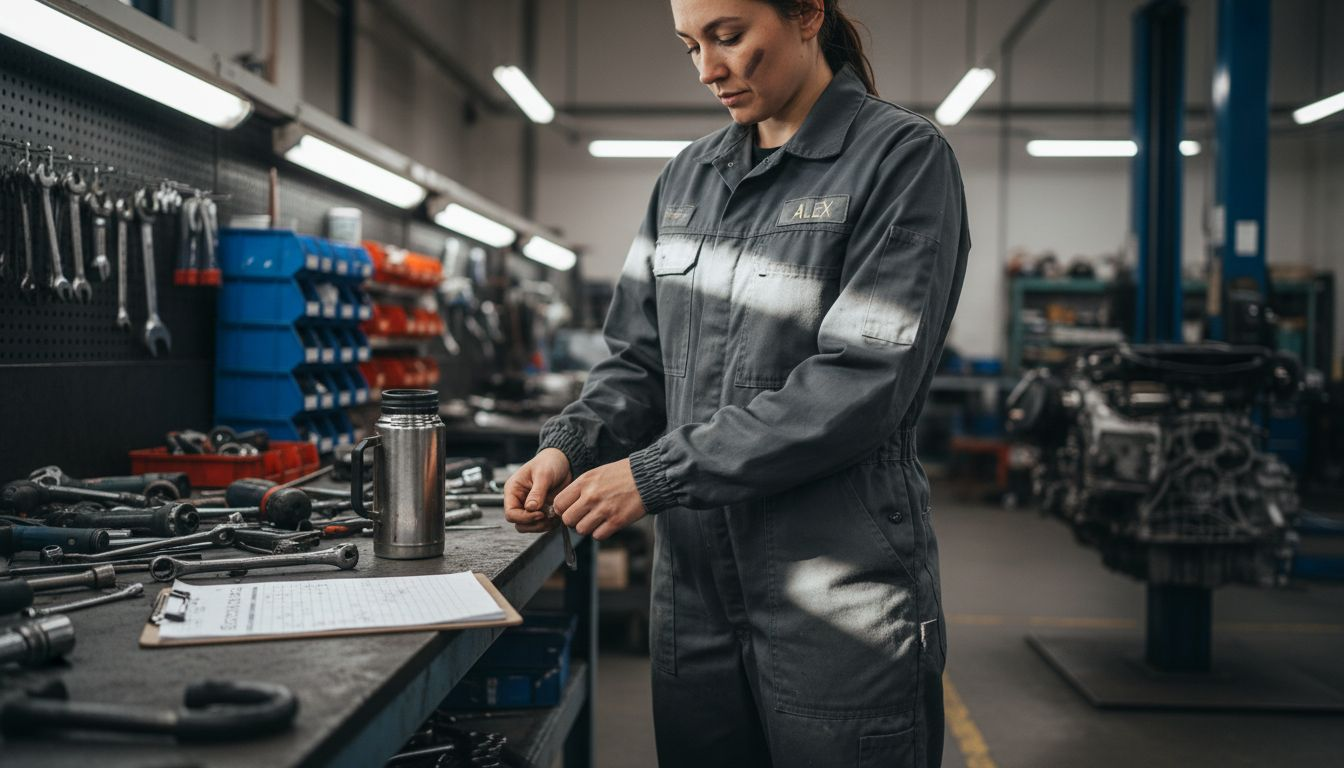
Workplace safety regulations recommend comprehensive protective strategies that extend beyond basic clothing requirements. Mechanics should prioritize overalls with additional safety features such as reflective strips for visibility, multiple secure pockets for tool storage, and ergonomic design elements that reduce physical strain. Advanced safety overalls often incorporate moisture-wicking technologies, built-in knee protection, and strategic ventilation to ensure worker comfort during extended work periods.
Pro tip: Inspect your work overalls regularly for wear and tear, and replace them immediately if you notice any compromised areas that could potentially reduce their protective capabilities.
Material Choices and Durability Factors
Material selection for mechanic work overalls represents a critical engineering decision that directly impacts worker safety, comfort, and long-term performance. The right fabric can mean the difference between protective workwear that withstands harsh mechanical environments and clothing that fails under stress. Professional mechanics require materials that offer exceptional durability, resistance to chemical exposure, and the ability to maintain structural integrity during demanding tasks.
Traditional workwear materials like heavy cotton, denim, and canvas remain popular for their proven durability and natural resistance to wear. Advanced fabric technologies now incorporate synthetic blends that enhance abrasion resistance, provide moisture-wicking capabilities, and offer improved flexibility. Mechanics increasingly seek materials that combine multiple performance characteristics: flame resistance, oil repellency, tear strength, and lightweight comfort. Specialized fabric treatments can further improve the protective qualities of work overalls, creating garments that resist stains, regulate temperature, and protect against potential workplace hazards.
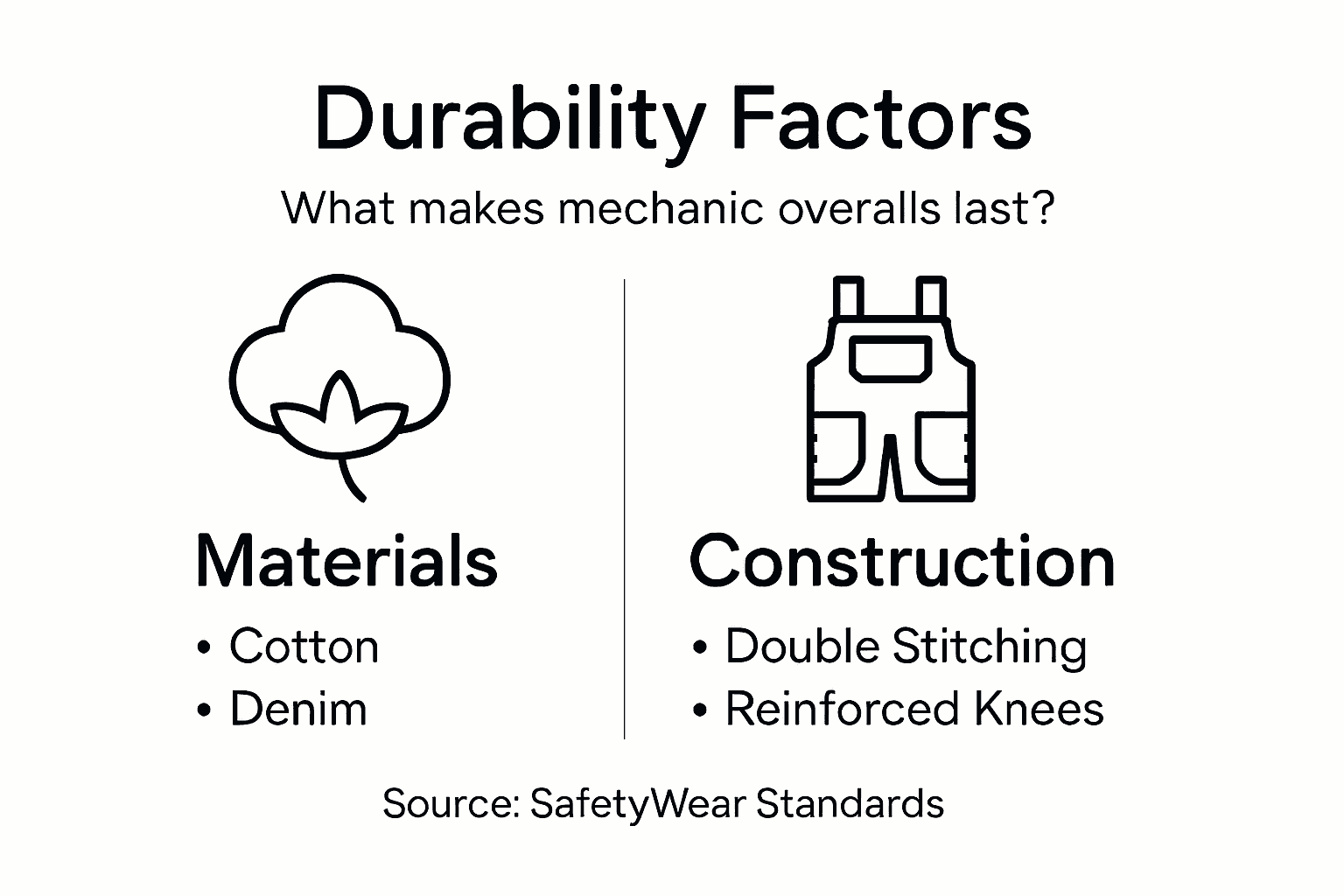
Durability factors extend beyond basic material composition, encompassing complex interactions between fabric structure, weave density, and performance under mechanical stress. High-quality mechanic work overalls typically feature reinforced stress points, double-stitched seams, and strategically placed fabric patches to enhance overall garment longevity. Mechanics should evaluate materials not just for their initial performance, but for their ability to maintain protective characteristics through repeated washing, exposure to industrial chemicals, and continuous physical movement.
Pro tip: Invest in work overalls with fabric content labels that specify blend percentages and performance characteristics, ensuring you select garments engineered for your specific workplace demands.
For reference, here are material choices commonly used in work overalls and their durability characteristics:
| Material Type | Durability Level | Chemical Resistance | Comfort Rating |
|---|---|---|---|
| Heavy Cotton | Moderate to high | Fair | Soft and breathable |
| Ripstop Canvas | Very high | Excellent | Stiff but protective |
| Synthetic Blend | High | Very good | Light and flexible |
| Denim | Moderate | Limited | Comfortable, stylish |
Common Pitfalls and How to Avoid Them
Mechanics frequently encounter workplace safety challenges that can compromise both personal protection and overall job performance. Inadequate workwear selection represents one of the most significant risks, potentially exposing workers to chemical hazards, mechanical injuries, and long-term health complications. Understanding these potential pitfalls is crucial for developing a proactive approach to personal safety and professional equipment management.
One critical mistake mechanics often make involves selecting work overalls without considering specific workplace hazards. Inappropriate fabric choices can lead to reduced protection against chemical splashes, increased risk of fabric snagging in machinery, or inadequate protection from heat and abrasion. Mechanics should carefully evaluate their work environment, assessing potential risks such as oil exposure, sharp metal edges, high-temperature surfaces, and chemical interactions that could compromise the integrity of their protective clothing.
Workplace safety requires comprehensive risk assessment strategies that go beyond simple protective gear selection. Common pitfalls include neglecting regular equipment inspection, failing to replace worn-out overalls, and overlooking the importance of proper maintenance. Mechanics must develop a systematic approach to workwear management, which includes regular cleaning, prompt repair of minor damages, and consistent evaluation of overall garment condition. Ignoring these critical steps can significantly reduce the protective capabilities of work overalls and increase the risk of workplace injuries.
Pro tip: Conduct a monthly inspection of your work overalls, checking for signs of wear, chemical damage, or structural weakness, and replace them immediately if any compromise in protection is detected.
Gear Up for Maximum Comfort and Safety with WorkWear Comfort
Mechanics understand the importance of durable, comfortable, and protective gear that stands up to tough conditions every day. Finding workwear that balances high durability, mobility, and safety features like reinforced seams and stain resistance is critical to staying safe and efficient on the job. If you’re looking for gear that supports your hardworking lifestyle without sacrificing style, the solution is closer than you think.
Explore our complete selection of All Hooded Sweatshirts - WorkWear Comfort designed to provide rugged comfort and practical features tailored for blue-collar professionals.
Take control of your workday today by choosing gear that meets the demands of your trade. Visit WorkWearComfort.com now to find apparel that embodies strength, resilience, and reliability. Don’t settle for less when your workwear can offer both protection and confidence. For head-to-toe readiness, check out our Snapback and Dad Hats - Blue Collar Collection - WorkWear Comfort to complete your rugged look.
Frequently Asked Questions
What are mechanic work overalls made of?
Mechanic work overalls are typically made from heavy cotton, denim, canvas, or synthetic blends. These materials are chosen for their durability, resistance to chemical exposure, and ability to provide comfort during demanding tasks.
What safety features should I look for in mechanic work overalls?
When selecting mechanic work overalls, look for features such as reinforced fabric areas, flame-resistant materials, close-fitting designs to prevent snagging, reflective strips for visibility, and multiple secure pockets for tool storage.
How do I maintain my mechanic work overalls to ensure durability?
To maintain your mechanic work overalls, regularly inspect them for wear and tear, promptly repair minor damages, and wash them according to care instructions. Being proactive about maintenance helps preserve their protective qualities and extends their lifespan.
What is the difference between bib overalls and full-body coveralls?
Bib overalls are designed with a front panel and shoulder straps, offering high arm mobility, while full-body coveralls enclose the entire body, providing comprehensive protection, particularly in high-risk environments.
