

Over 1 million American women work in construction and skilled trades, facing cold, wet conditions every season. Choosing a warm work jacket becomes more than just staying comfortable during a shift. The right jacket blends durable weather protection with a look that suits both job sites and daily life. This guide uncovers proven strategies to help hardworking professionals find jackets that offer reliable warmth, style, and workplace performance, no matter how tough the outdoors gets.
Table of Contents
- Defining Women’s Warm Work Jackets
- Main Types And Material Choices
- Essential Features For Outdoor Trades
- Insulation, Weatherproofing, And Safety
- Selecting A Jacket To Match Your Job
- Common Mistakes And What To Avoid
Key Takeaways
| Point | Details |
|---|---|
| Functionality and Design | Women’s warm work jackets are designed for durability and thermal regulation, catering to the physical needs of outdoor professionals. |
| Material and Insulation Choices | Selecting jackets with advanced materials like synthetic fibers ensures warmth and moisture management in harsh conditions. |
| Essential Features | Key features such as reinforced stress points, adjustable fits, and utility pockets enhance performance and safety in the workplace. |
| Strategic Selection | Match jacket characteristics to specific job requirements while considering insulation, mobility, and safety features for optimal protection. |
Defining Women’s Warm Work Jackets
Warm work jackets for women represent a specialized category of protective outerwear engineered to meet the demanding requirements of outdoor professional environments. These garments are meticulously designed to balance functionality, durability, and thermal regulation, addressing the unique challenges faced by women working in physically demanding roles such as construction, landscaping, and industrial trades.
At their core, warm work jackets leverage advanced thermal management principles that manage body heat through sophisticated mechanisms of conduction, convection, and radiation. Modern jackets incorporate synthetic fibers and innovative treatments that resist water, retain warmth, and provide breathability - critical features for professionals who spend extended periods outdoors in challenging weather conditions.
The defining characteristics of women’s warm work jackets typically include robust insulation layers, reinforced fabric construction, and ergonomic design elements tailored specifically to female body mechanics. Unlike generic winter wear, these specialized jackets integrate practical features like multiple utility pockets, articulated sleeves for enhanced mobility, and abrasion-resistant materials that can withstand rigorous workplace environments.
Pro Tip: When selecting a warm work jacket, prioritize jackets with moisture-wicking inner layers and adjustable fit mechanisms to ensure maximum comfort and thermal efficiency during long work shifts.
Main Types and Material Choices
Warm work jackets for women typically fall into two primary categories: insulated and non-insulated designs, each offering unique performance characteristics for different workplace environments. Material selections range from robust canvas and duck cloth to advanced synthetic fabrics, carefully engineered to withstand demanding professional conditions while providing optimal thermal protection.
Insulation technologies represent a critical component of warm work jacket design, with options spanning natural and synthetic materials. Down feathers offer exceptional warmth-to-weight ratios, while synthetic alternatives like PrimaLoft and Thinsulate provide reliable thermal regulation even when exposed to moisture. Synthetic insulations have gained significant popularity among professional women workers due to their ability to maintain warmth in wet conditions and offer quick-drying properties that natural materials cannot match.
Here’s a comparison of main insulation materials for women’s work jackets:
| Insulation Type | Warmth When Wet | Weight | Durability |
|---|---|---|---|
| Down (Feathers) | Loses insulation power | Very light | Moderate |
| Synthetic (PrimaLoft, Thinsulate) | Stays warm when wet | Lightweight | High |
| Wool Blend | Maintains warmth | Heavier | Very high |
| Polyester Fill | Good when damp | Moderate | High |
Fabric compositions play an equally crucial role in jacket performance, with modern work jackets incorporating sophisticated material technologies. Polyester, nylon, and wool blends are strategically combined to create outer layers that resist wind, repel water, and provide durability. Advanced treatments like water-repellent coatings and breathable membranes enhance the jacket’s ability to protect against harsh environmental conditions while allowing moisture and perspiration to escape, ensuring comfort during extended outdoor work shifts.
Pro Tip: When evaluating warm work jacket materials, prioritize jackets with multi-layer construction that combines moisture-wicking inner layers, insulative mid-layers, and durable water-resistant outer shells for comprehensive protection.
Essential Features for Outdoor Trades
Warm work jackets for women in outdoor trades demand a sophisticated blend of protection, functionality, and safety. Key design elements focus on addressing the unique challenges faced by professional women working in demanding physical environments, with features meticulously engineered to enhance performance and workplace safety.
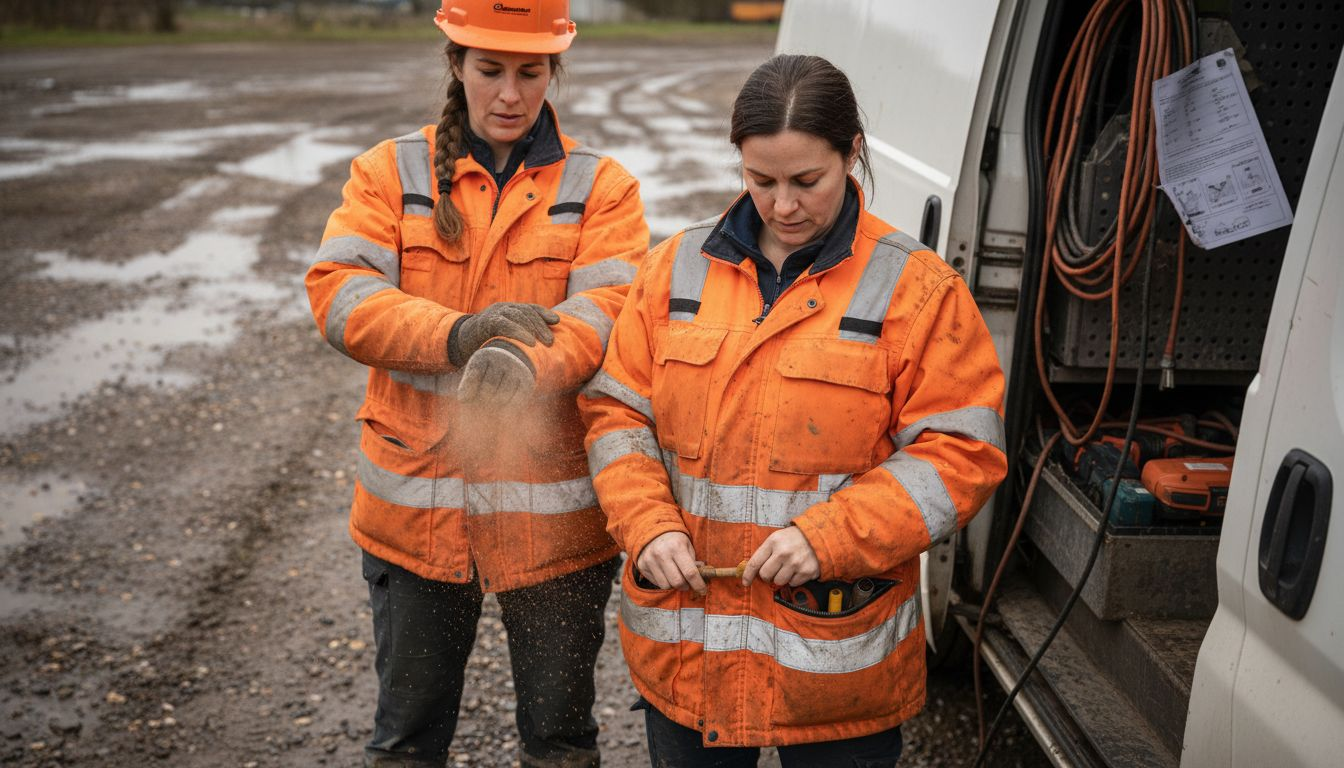
Structural reinforcements play a critical role in jacket design, with strategic reinforcements at high-wear points like shoulders and elbows providing enhanced durability and abrasion resistance. Adjustable elements such as expandable hoods, cinchable waistlines, and articulated sleeves enable workers to customize their jacket’s fit and protection level, accommodating dynamic movement required in construction, landscaping, and industrial trades. High-visibility strips and reflective detailing further contribute to worker safety, ensuring increased visibility during low-light conditions or hazardous work sites.
Pocket configuration represents another crucial feature for outdoor trade professionals. Strategically placed, multiple utility pockets with secure closures allow women to carry essential tools, smartphones, and personal protective equipment without compromising mobility or comfort. Advanced jackets incorporate specialized compartments with reinforced openings, specialized tool loops, and water-resistant zippers to protect electronic devices and work essentials from harsh environmental conditions.
Pro Tip: When selecting a work jacket for outdoor trades, prioritize designs with modular features that allow layering and adaptability across different seasonal work environments.
Insulation, Weatherproofing, and Safety
Warm work jackets for women demand sophisticated engineering that goes beyond simple thermal protection. The science of insulation involves complex layering techniques that trap warm air while preventing moisture buildup, creating a dynamic microclimate that maintains optimal body temperature during challenging outdoor work conditions.
Insulation technologies have evolved dramatically, offering women in trades multiple advanced options. Synthetic fibers like PrimaLoft and Thinsulate provide exceptional warmth without excessive weight, maintaining thermal efficiency even when exposed to moisture. These materials create a strategic barrier against cold, utilizing advanced fiber structures that create air pockets to retain body heat while simultaneously allowing perspiration to escape, preventing the uncomfortable dampness that can compromise worker comfort and productivity.
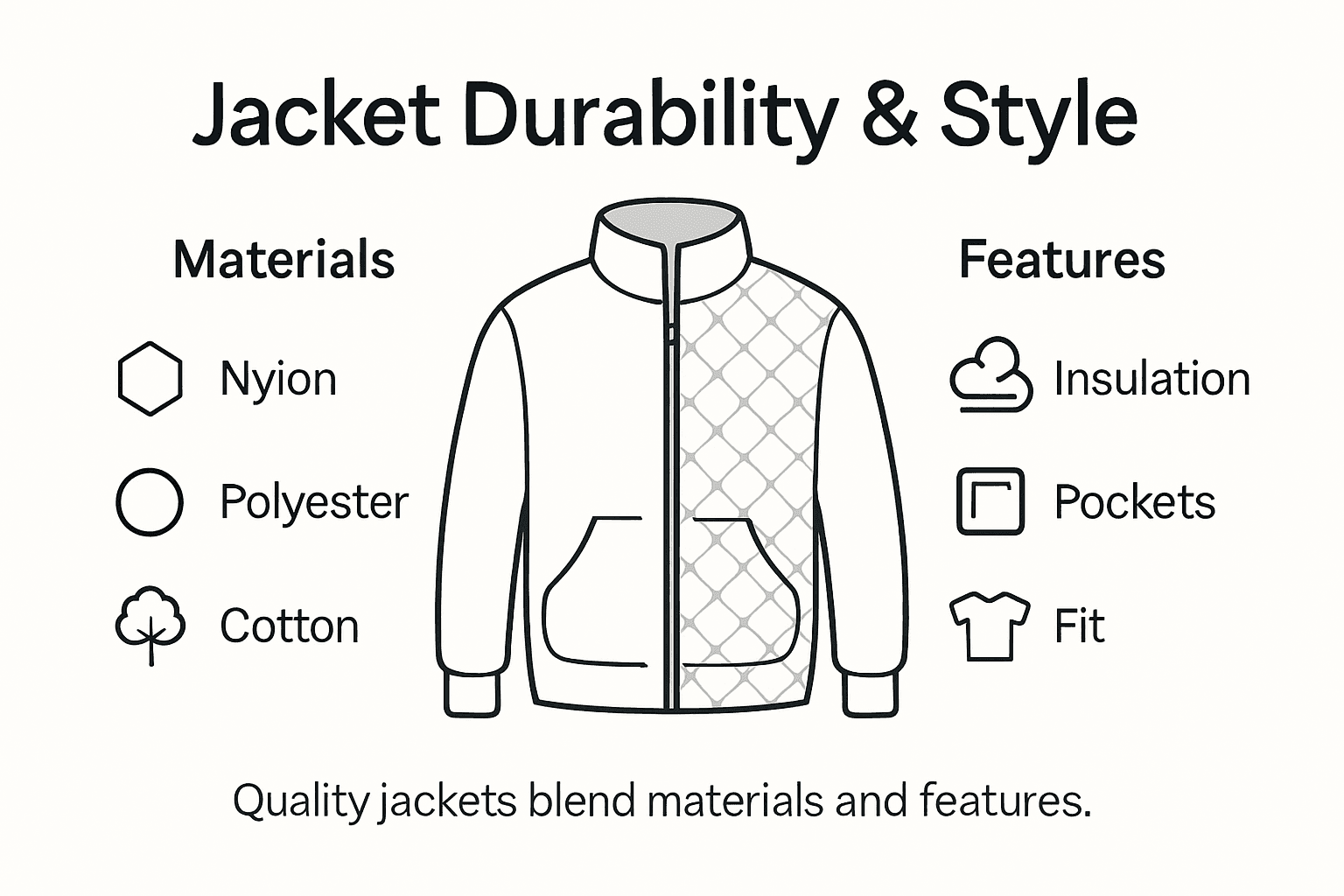
Weatherproofing represents another critical aspect of professional work jackets, with modern designs incorporating sophisticated membrane technologies and durable water-repellent treatments. Jackets are engineered with multi-layer constructions that resist wind, repel water, and protect against environmental challenges. Reflective safety elements and high-visibility accents are seamlessly integrated into these designs, ensuring that female trade professionals remain protected, visible, and professionally equipped in diverse and demanding work environments.
Pro Tip: When selecting a work jacket, inspect the insulation fill power and waterproof rating to ensure maximum protection and comfort during extended outdoor shifts.
Selecting a Jacket to Match Your Job
Selecting the right work jacket requires a strategic approach that goes beyond simple aesthetic considerations. Matching your jacket to specific job requirements involves carefully evaluating environmental conditions and physical demands, ensuring optimal protection and performance across diverse workplace scenarios.
Different trades demand unique jacket characteristics. Construction workers might prioritize heavy-duty jackets with reinforced shoulders and multiple tool pockets, while landscapers need lighter, more flexible options that allow unrestricted movement. Electrical technicians require jackets with specialized flame-resistant materials, and outdoor maintenance professionals need robust weatherproofing to withstand unpredictable environmental conditions. Critical factors include insulation weight, mobility features, safety certifications, and the specific thermal challenges of your particular work environment.
Professional jacket selection involves comprehensive assessment of workplace risks and personal comfort requirements. Key considerations include temperature range, potential exposure to hazardous materials, frequency of outdoor work, and specific movement patterns unique to your trade. Lightweight, moisture-wicking layers work best for dynamic jobs with frequent temperature changes, while heavily insulated jackets provide essential protection for stationary outdoor roles in consistently cold environments. Safety features like high-visibility accents, reflective strips, and compliance with occupational safety standards should never be overlooked.
Use this overview to help you match jacket features with specific trade needs:
| Trade/Profession | Essential Feature | Recommended Material |
|---|---|---|
| Construction | Reinforced shoulders and tool pockets | Duck cloth, Nylon blend |
| Landscaping | Articulated sleeves for movement | Water-resistant Canvas |
| Electrical Work | Flame-resistant outer shell | Treated Cotton, FR synthetics |
| Outdoor Maintenance | Advanced weatherproofing and visibility | Multi-layer synthetics with reflective trim |
Pro Tip: Always try on work jackets while wearing typical work layers to ensure proper fit and range of motion before making a final selection.
Common Mistakes and What to Avoid
Selecting a warm work jacket involves navigating numerous potential pitfalls that can compromise both comfort and professional performance. Professionals frequently make critical errors when choosing workwear that seems adequate at first glance but fails under real-world conditions, leading to reduced productivity and potential safety risks.
One of the most prevalent mistakes is prioritizing price or appearance over functional requirements. Many women in trades mistakenly select jackets that look stylish but lack essential features like reinforced stress points, adequate insulation, or proper mobility. Oversized jackets can impede movement and create safety hazards, while undersized options restrict range of motion and compromise layering capabilities. Trade professionals should avoid jackets with insufficient pocket configurations, weak zipper quality, or materials that cannot withstand the specific environmental challenges of their work environment.
Another significant error involves neglecting the nuanced science of thermal regulation. Improper layering and selecting jackets without understanding breathability can lead to dangerous temperature fluctuations. Workers might experience excessive sweating in overly insulated jackets or rapid heat loss in poorly constructed outerwear. The key is selecting jackets with strategic ventilation, moisture-wicking properties, and adaptable insulation that responds to changing physical activity levels and environmental conditions. Safety features like high-visibility elements and flame-resistant treatments should never be considered optional accessories but essential protective components.
Pro Tip: Conduct a comprehensive workplace risk assessment and physically test potential work jackets through simulated work movements before making a final purchase.
Discover Durable and Stylish Warm Work Jackets for Women
Finding the perfect warm work jacket for women means overcoming challenges like balancing durability with comfort and style, while meeting the unique needs of outdoor trades. This article highlights key pain points such as insulation that keeps you warm when wet, reinforced stress points, and ergonomic designs that allow full mobility. At WorkwearComfort.com, we understand the importance of functional apparel that works as hard as you do, featuring rugged designs that support your demanding work environment without compromising on confidence or appearance.
Explore our collection of Female Hoodie Sweatshirts – WorkWearComfort for layering versatility and warmth that complements your work jacket. Our selection is crafted to provide essential features like moisture-wicking fabrics, reinforced fits, and confident styles that embody the strength of the modern trade professional. Don’t wait for the cold weather to slow you down. Shop now at WorkwearComfort.com to equip yourself with durable, functional, and stylish workwear built for your toughest days. Your next warm work jacket is just a click away.
Frequently Asked Questions
What materials are commonly used in women’s warm work jackets?
Modern women’s warm work jackets are typically made from a combination of synthetic fibers like nylon and polyester, as well as natural materials such as wool blends. These materials are engineered for durability, water resistance, and insulation.
How do I choose the right insulation type for my work jacket?
Selecting the right insulation depends on your work environment. Synthetic insulations like PrimaLoft or Thinsulate are ideal for wet conditions as they maintain warmth even when damp. Down feathers provide excellent warmth-to-weight ratios but can lose insulation power when wet.
What features should I look for in a work jacket for outdoor trades?
Look for jackets with reinforced stress points, adjustable fits, multiple utility pockets, and high-visibility elements. These features enhance durability, comfort, and safety while accommodating the physical demands of your job.
How does the fit of a work jacket impact my comfort and performance?
The fit is crucial for comfort and mobility. A properly fitted jacket allows for layering and unrestricted movement, while oversized or undersized jackets can lead to safety hazards and reduced efficiency in your work tasks.
Recommended
- Warm Work Jackets: Comfort, Attitude, Grit – WorkWearComfort
- 6 Smart Ways to Find Durable Women’s Workwear Cheap - WorkWear Comfort
- Complete Guide to Warm Workwear Essentials – WorkWearComfort
- Women’s Trade Clothing: Empowering Durability and Style – WorkWearComfort
- PNW Topo Lettermark Jacket – JuustAShirt
