

Most American construction crews face intense fire risks on the job, with burn injuries costing the industry millions annually. The right flame-resistant clothing is not just about compliance, it is about returning home safely at the end of every shift. From tough job sites to unpredictable hazards, choosing durable protective gear can mean the difference between a minor incident and a serious injury. Discover crucial details that help sort out what matters most in reliable workwear for safety.
Table of Contents
- What FR Clothing Means for Blue-Collar Safety
- Major U.S. Retail Chains Offering FR Gear
- Specialty Workwear Stores and Local Shops
- E-Commerce Sites for FR Clothing Online
- Comparing Features, Pricing, and Selection
- Regulatory Standards and What to Watch For
Key Takeaways
| Point | Details |
|---|---|
| Importance of FR Clothing | FR clothing protects workers from thermal, electrical, and fire hazards in high-risk environments. It is essential for minimizing burn injuries during unexpected flame exposure. |
| Retail Availability | Major U.S. retail chains and e-commerce platforms now offer FR clothing, making it easier for workers to access necessary safety apparel. Always verify safety ratings when purchasing. |
| Inherent vs. Treated Fabrics | Understanding the differences between inherent and treated FR fabrics helps workers select the right clothing based on durability and maintenance needs. Inherent fabrics offer long-term protection, while treated fabrics may require re-treatment. |
| Regulatory Compliance | Knowledge of FR clothing regulations and standards is crucial for ensuring workplace safety and legal compliance. Workers should confirm that their FR clothing meets relevant safety certifications. |
What FR Clothing Means for Blue-Collar Safety
Flame-resistant (FR) clothing represents a critical line of defense for workers facing potential thermal, electrical, and fire-related hazards in high-risk industrial environments. These specialized garments are engineered to provide essential protection by self-extinguishing or resisting ignition when exposed to extreme heat or direct flame contact. Understanding flame-retardant clothing safety standards reveals the intricate science behind these life-saving work uniforms.
Understanding the fundamental purpose of FR clothing means recognizing its role in preventing catastrophic workplace injuries. These garments are constructed from unique materials that either inherently resist burning or are chemically treated to create a protective barrier against thermal threats. Workers in sectors like construction, electrical maintenance, welding, oil and gas, and manufacturing rely on these specialized uniforms to dramatically reduce their risk of burn injuries during unexpected exposure to flames, arc flashes, or intense heat sources.
FR clothing’s protective mechanism operates through sophisticated fabric technologies. Inherent FR fabrics are manufactured with flame-resistant fibers integrated directly into the material’s molecular structure, ensuring long-lasting protection that cannot be washed away. Treated FR garments, conversely, are standard fabrics chemically processed to achieve flame-resistant properties. Both types undergo rigorous testing to meet strict industry safety standards like NFPA 70E for electrical work or NFPA 2112 for flash fire protection, guaranteeing workers receive reliable, scientifically validated protection against potential workplace fire hazards.
Pro tip: Always inspect your FR clothing for signs of wear, damage, or chemical contamination that could compromise its protective capabilities, and replace garments that show significant deterioration.
Major U.S. Retail Chains Offering FR Gear
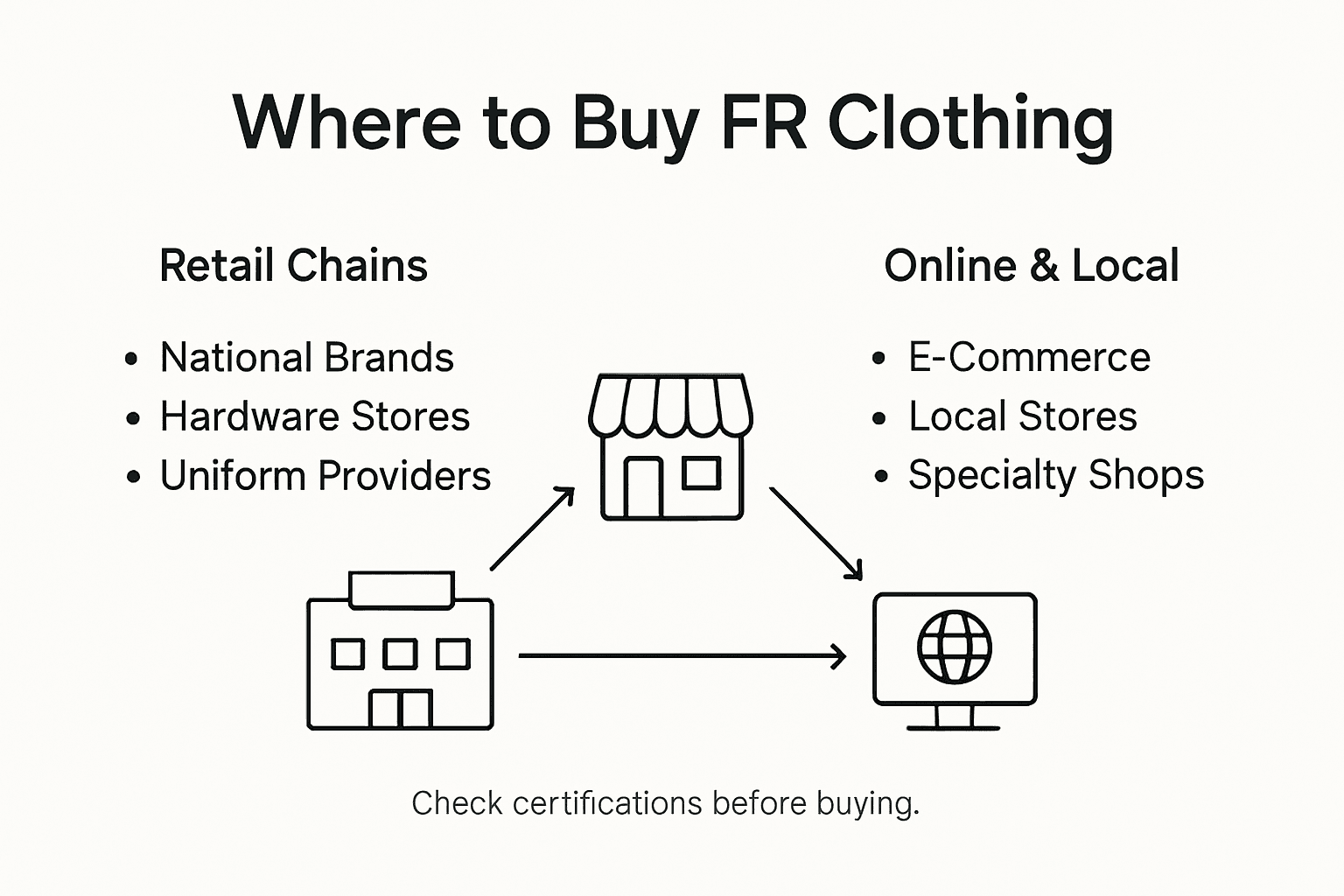
Finding flame-resistant (FR) clothing can be challenging for blue-collar workers, but several major U.S. retail chains have stepped up to provide essential protective workwear. Leading retail strategies in the U.S. market reveal that chains like TJ Maxx, Marshalls, Ross Stores, and Kohl’s are increasingly stocking specialized safety apparel designed for industrial workers across various sectors.
The nationwide coverage of these retailers ensures that workers in urban and rural areas can access critical flame-resistant gear. Major chains like TJX Companies (which owns TJ Maxx and Marshalls) have developed robust supply chains that bring specialized workwear to locations across the country. These retailers typically offer FR clothing from brands specializing in industrial and safety apparel, making it easier for construction workers, electricians, welders, and other high-risk professionals to find appropriate protective clothing.
While dedicated workwear stores remain the primary source for comprehensive FR clothing selections, major retail chains are expanding their offerings to meet growing demand. Stores like Kohl’s and American Eagle have begun incorporating more functional workwear into their inventory, recognizing the significant market for durable, safety-focused clothing. Workers can often find basic FR shirts, pants, and outerwear that meet industry safety standards, though the selection may be more limited compared to specialized workwear retailers.
Pro tip: Before purchasing FR clothing from general retail chains, always carefully check the specific safety ratings and certifications to ensure the garment meets your industry’s precise protective requirements.
Specialty Workwear Stores and Local Shops
Blue-collar workers seeking specialized flame-resistant (FR) clothing have numerous options beyond major retail chains, with dedicated workwear stores offering comprehensive safety apparel solutions. Local specialty shops provide invaluable advantages for workers needing precise, job-specific protective clothing, offering personalized service and expert guidance that national retailers often cannot match.
Independent workwear stores typically maintain extensive inventories of FR clothing from multiple manufacturers, allowing workers to compare different brands, materials, and safety ratings in person. These specialized retailers understand the nuanced requirements of various industries, from construction and electrical work to oil and gas operations. They frequently stock brands like Carhartt, Dickies, and Aramark, which produce high-quality FR garments designed for specific workplace hazards and safety standards.
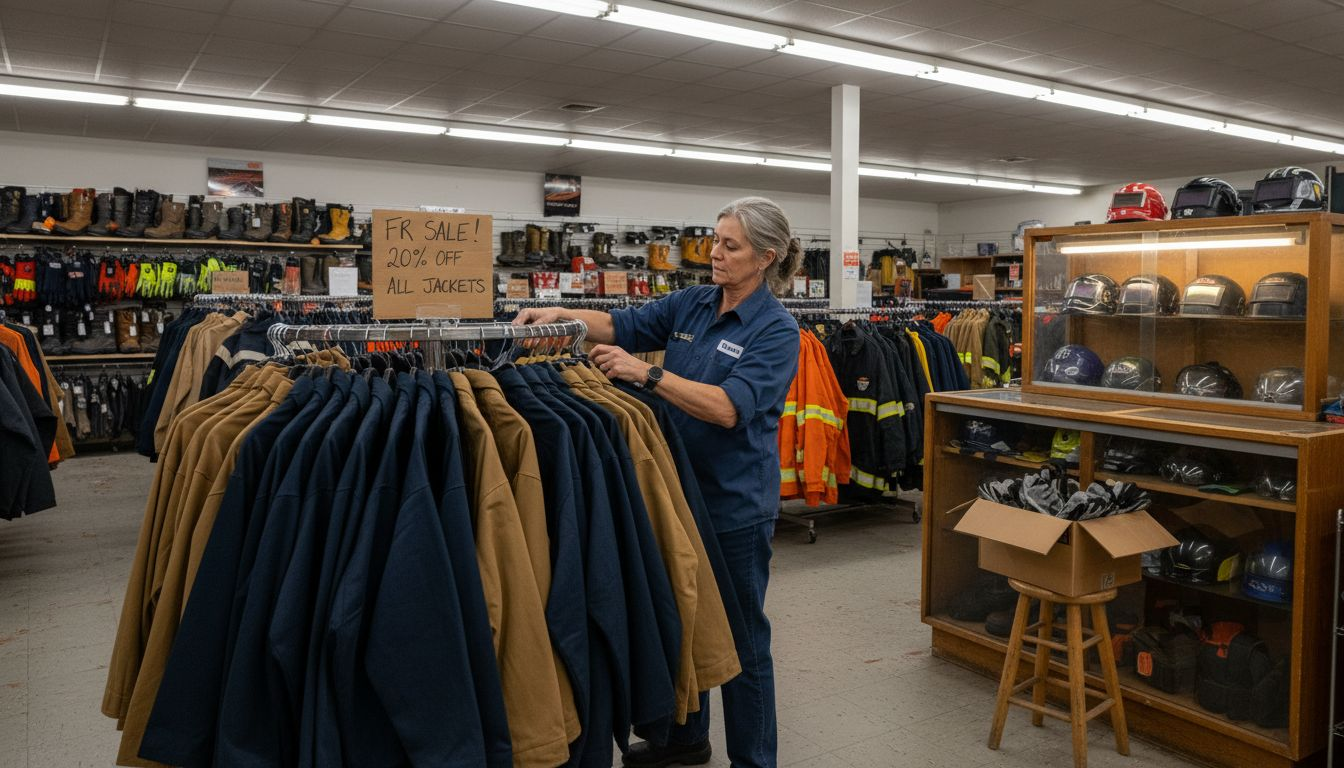
Regional and local workwear shops offer additional benefits beyond product selection. Many provide custom fitting services, onsite safety consultations, and deep knowledge about industry-specific protective clothing requirements. Workers can receive personalized recommendations based on their specific job responsibilities, work environment, and safety regulations. Some local stores even offer repair services, alterations, and direct relationships with manufacturers that can help workers find exactly the right FR clothing for their unique needs.
Pro tip: Call ahead to local workwear stores and inquire about their FR clothing inventory, asking specific questions about safety certifications, industry standards, and recommended garments for your particular trade.
E-Commerce Sites for FR Clothing Online
Blue-collar workers now have unprecedented access to flame-resistant (FR) clothing through online marketplaces, with numerous e-commerce platforms offering specialized safety apparel. Comprehensive buying guides for FR clothing provide workers with critical insights into selecting appropriate protective gear, comparing safety certifications, and understanding industry-specific requirements directly through digital platforms.
Major online retailers like Amazon, WorkwearComfort.com, and industry-specific safety supply websites have transformed how workers purchase FR clothing. These platforms offer extensive catalogs featuring brands like Carhartt, Dickies, and Bulwark, with detailed product descriptions, safety ratings, compliance information, and user reviews that help workers make informed decisions. Advanced filtering options allow professionals to search by specific industry requirements, hazard protection levels, and precise safety standards such as NFPA 70E for electrical work or NFPA 2112 for flash fire protection.
Online shopping for FR clothing provides unique advantages beyond traditional retail experiences. Digital platforms typically offer more comprehensive size ranges, more detailed product specifications, and the ability to quickly compare different brands and safety ratings. Many e-commerce sites now include high-resolution images, 360-degree product views, and technical specification sheets that enable workers to thoroughly evaluate protective gear before making a purchase. Additionally, online marketplaces often provide more competitive pricing and convenient shipping options that traditional brick-and-mortar stores cannot match.
The table below summarizes leading U.S. FR clothing purchase options:
| Channel | Product Selection | Key Benefit | Typical Buyer Experience |
|---|---|---|---|
| Major Retail Chains | Basic FR apparel | Nationwide, easy access | Limited, convenient |
| Specialty Workwear Stores | Comprehensive, high quality | Expert advice, custom fit | Personalized, in-person |
| E-Commerce Sites | Wide variety, all sizes | Competitive pricing, reviews | Fast, detailed, visual |
Pro tip: Always verify the specific safety certifications and compliance standards listed on e-commerce product pages, cross-referencing them with your industry’s specific protective equipment requirements.
Comparing Features, Pricing, and Selection
Blue-collar workers must carefully evaluate flame-resistant (FR) clothing by understanding the nuanced differences between fabric technologies and protection levels. Technical comparisons of FR fabric technologies reveal critical trade-offs between inherent and treated FR fabrics that significantly impact worker safety, comfort, and long-term value.
Two primary FR fabric categories dominate the market: inherent and treated flame-resistant materials. Inherent FR fabrics integrate flame-resistant properties directly into their molecular structure, offering permanent protection that cannot be washed away or degraded over time. These fabrics typically cost more upfront but provide consistent protection throughout the garment’s lifecycle. Treated FR fabrics, conversely, are standard materials chemically processed to achieve flame resistance, offering a more budget-friendly option with potential performance limitations after repeated washing and wear.
Here’s a quick comparison of inherent and treated FR fabrics:
| Fabric Type | Durability Over Time | Maintenance Needs | Typical Upfront Cost |
|---|---|---|---|
| Inherent FR | Consistent protection | Low, features remain | Higher investment |
| Treated FR | May diminish with washes | Re-treatment possible | Lower initial price |
Pricing for FR clothing varies dramatically based on fabric type, brand reputation, and specific safety certifications. Basic FR shirts might start around $50, while comprehensive protective suits can exceed $300. Workers should evaluate total value by considering factors beyond initial cost, including durability, maintenance requirements, and specific industry safety standards. Advanced FR clothing often includes additional features like moisture-wicking properties, enhanced breathability, and multi-hazard protection, which can justify higher price points for professionals requiring comprehensive workplace safety gear.
Pro tip: Always calculate the total cost of ownership for FR clothing by considering durability, replacement frequency, and maintenance requirements, not just the initial purchase price.
Regulatory Standards and What to Watch For
Blue-collar workers and safety managers must navigate a complex landscape of flame-resistant (FR) clothing regulations to ensure workplace protection. Understanding the comprehensive regulatory requirements for FR clothing is critical for maintaining legal compliance and worker safety across high-risk industries.
Multiple regulatory bodies govern FR clothing standards, with key organizations including the Occupational Safety and Health Administration (OSHA), National Fire Protection Association (NFPA), and American Society for Testing and Materials (ASTM). Critical standards like NFPA 70E for electrical safety, NFPA 2112 for flash fire protection, and ASTM F1506 for protective clothing define specific performance requirements. These standards mandate rigorous testing protocols that evaluate fabric performance under extreme thermal conditions, assessing factors like ignition resistance, burn time, and heat transfer protection.
Employers bear significant responsibility for selecting appropriate FR clothing that meets industry-specific safety standards. Workers should look for garments with clear certification markings, detailed performance ratings, and documentation proving compliance with relevant regulatory standards. Key indicators of legitimate FR clothing include traceable manufacturing documentation, independent laboratory testing certifications, and explicit hazard protection ratings. Some industries require additional specialized certifications, such as arc flash protection ratings for electrical workers or chemical splash resistance for industrial chemical handling professionals.
Pro tip: Request and retain detailed certification documentation for your FR clothing, ensuring you can prove compliance during workplace safety audits and inspections.
Find Your Perfect Workwear That Meets Safety and Style Needs
Navigating where to buy reliable FR clothing can be confusing and stressful especially when safety standards and quality are on the line. Whether you are hunting for flame-resistant apparel that meets NFPA standards or seeking durable and comfortable gear that reflects your hardworking spirit, it is essential to find trusted sources that understand blue-collar challenges. At WorkWearComfort.com we specialize in durable and functional workwear designed for men and women who demand both safety and style in their daily grind.
Explore our collection of Blue-Collar Working Man Sweatshirt Hoodies built tough for long days on the job while offering comfort and rugged style. For women who want workwear that combines confidence with protection check out our Female Hoodie Sweatshirts. If you need extra protection against the sun along with your workwear browse our UPF 50+ Sun Protection Hoodie. Don’t wait to invest in apparel that supports your demanding work conditions with trusted quality from https://workwearcomfort.com. Upgrade your gear today and experience the confidence of wearing clothing made for the hardworking professional.
Frequently Asked Questions
What types of fabric are used in FR clothing?
FR clothing typically utilizes two main types of fabric: inherent and treated fabrics. Inherent FR fabrics integrate flame-resistant properties permanently into the material’s molecular structure, while treated fabrics are standard materials chemically processed to achieve flame resistance.
How should I maintain my FR clothing?
To maintain FR clothing, regularly inspect the garments for signs of wear, damage, or chemical contamination. Washing should follow the manufacturer’s guidelines, and treated fabrics may require re-treatment to sustain their flame-resistant properties.
What certifications should I look for in FR clothing?
When purchasing FR clothing, look for certifications that comply with industry standards such as NFPA 70E for electrical safety or NFPA 2112 for flash fire protection. Check for clear certification markings and documentation proving compliance with relevant regulations.
How does the cost of inherent FR fabrics compare to treated FR fabrics?
Inherent FR fabrics typically have a higher upfront cost but provide more consistent protection over time and require less maintenance. Treated FR fabrics are generally more budget-friendly initially but may lose their flame-resistant qualities after several washes.
