

Eyes on the job site, hands full of tools, the right work trousers can make all the difference for women in skilled trades across the United States. Balancing style and durability is not just a matter of preference, but a professional necessity where comfort, protection, and mobility keep you at your best. This guide breaks down the essential features and advanced fabric technologies behind functional design that help American tradeswomen tackle every challenge without compromise.
Table of Contents
- Defining Women’s Trade Work Trousers
- Types and Materials for Tough Environments
- Essential Features for Skilled Tradeswomen
- Finding the Right Fit and Sizing Advice
- Caring for and Maintaining Work Trousers
- Common Pitfalls When Choosing Work Trousers
Key Takeaways
| Point | Details |
|---|---|
| Professional Empowerment | Women’s trade work trousers symbolize empowerment, incorporating ergonomic designs that enhance mobility and functionality for skilled tradeswomen. |
| Advanced Materials | The use of modern textiles like Kevlar and moisture-wicking fabrics ensures durability while providing protection against various workplace hazards. |
| Essential Features | Key features such as reinforced seams and strategic pocket placements are crucial for efficiency and safety in demanding work environments. |
| Proper Maintenance | Consistent care practices, such as appropriate washing and storage, are vital for extending the lifespan and effectiveness of work trousers. |
Defining Women’s Trade Work Trousers
Women’s trade work trousers represent more than just clothing - they’re a powerful symbol of professional empowerment and functional design. Women’s adoption of trousers historically challenged social restrictions, transforming them from outlawed attire to a normalized standard across various professional environments.
These specialized trousers are engineered specifically for women working in demanding trade industries, addressing unique challenges faced by female professionals. Unlike traditional workwear designed primarily for men, women’s trade work trousers incorporate critical design elements that prioritize:
- Ergonomic fit tailored to female body shapes
- Reinforced fabric in high-stress areas
- Flexible movement ranges for physical labor
- Durable materials resistant to workplace wear
- Functional pocket placements designed for tool accessibility
The evolution of women’s trade work trousers reflects broader societal changes in workplace gender dynamics. Functional design now directly supports women’s professional capabilities, moving beyond historical clothing constraints that limited mobility and performance.
Modern trade work trousers integrate advanced textile technologies to provide comprehensive protection and comfort. They’re not just garments, but essential professional equipment that enables women to perform complex technical tasks with confidence and efficiency.
Pro tip: When selecting trade work trousers, prioritize trousers with articulated knees and gusseted crotch areas for maximum range of motion and durability.
Types and Materials for Tough Environments
Women’s trade work trousers are engineered to withstand extreme workplace challenges, utilizing advanced textile materials designed for durability that balance performance, comfort, and protection. These specialized garments go far beyond traditional clothing, serving as critical professional equipment for women in demanding trade environments.
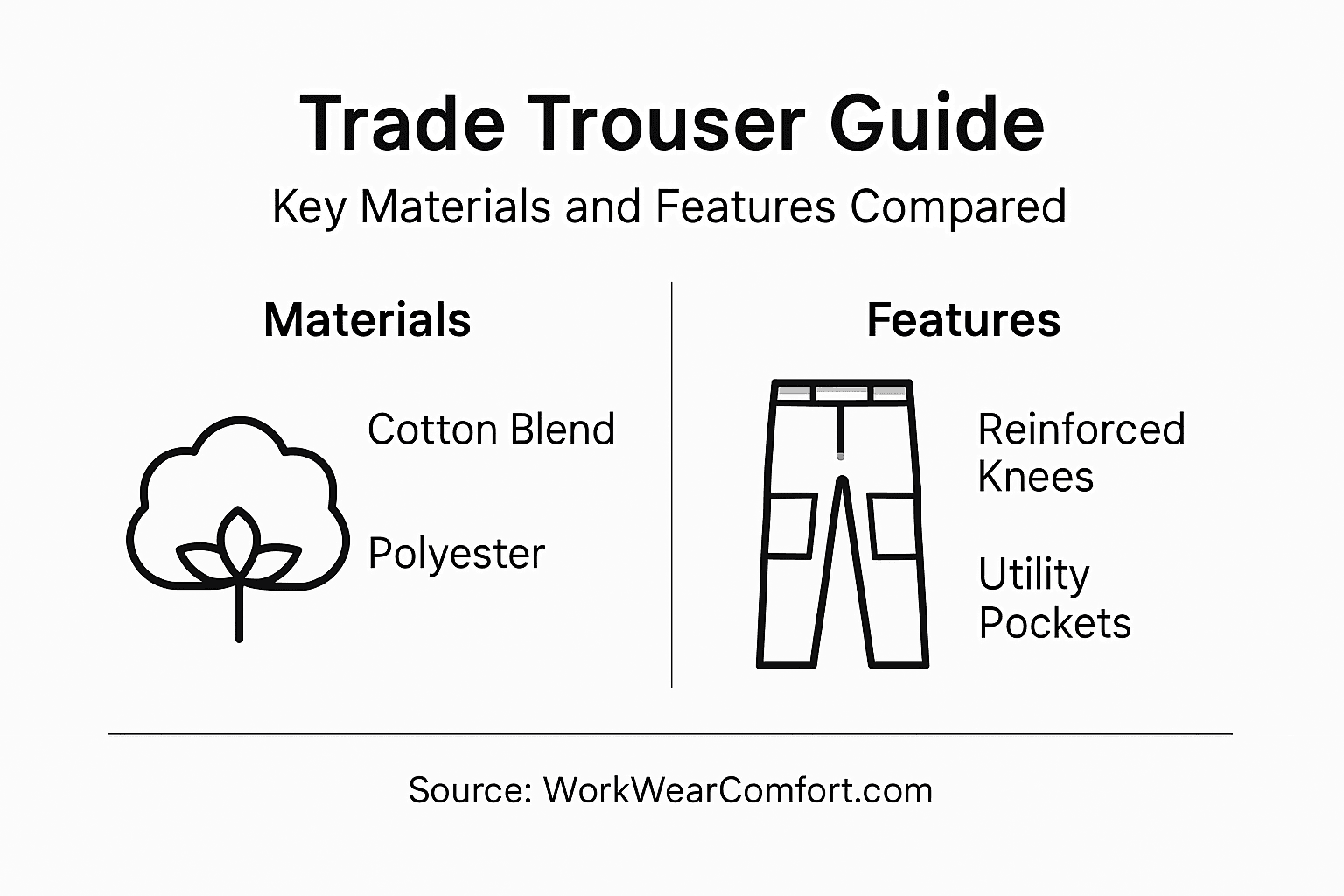
The material composition of trade work trousers typically includes a strategic blend of fibers selected for specific performance characteristics:
- Cotton blends for breathability and natural comfort
- Synthetic nylon for exceptional strength and abrasion resistance
- Polyester for moisture-wicking and quick-drying capabilities
- Kevlar-reinforced fabrics for cut and puncture protection
- Spandex or elastane for enhanced flexibility and movement
Modern textile engineering has transformed work trousers from simple protective gear into sophisticated performance apparel. High-performance materials now incorporate advanced technologies like moisture management, temperature regulation, and strategic reinforcement in high-stress areas, ensuring that women can work confidently and comfortably in challenging industrial settings.
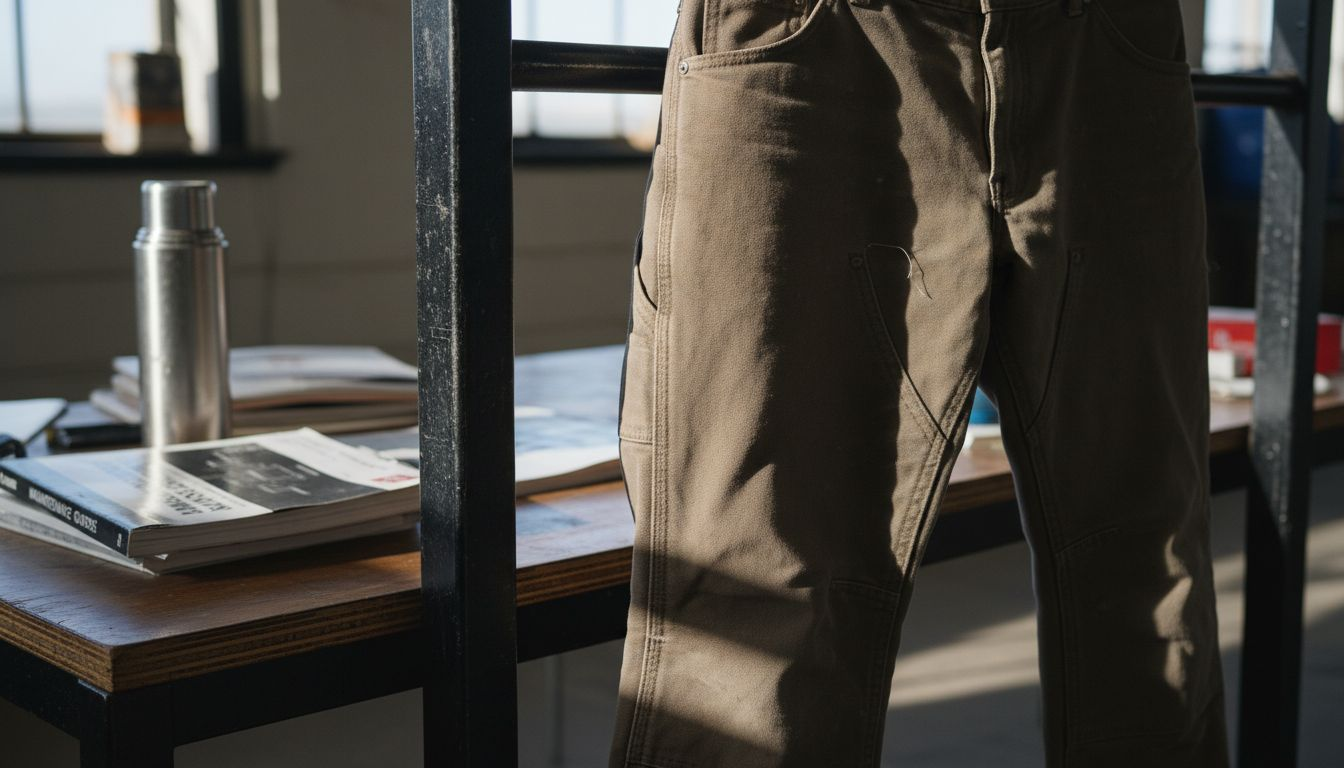
Unique fabric technologies have emerged to address specific workplace demands. Some trousers now feature specialized coatings that provide water resistance, flame retardant properties, and enhanced durability, demonstrating how material science continuously evolves to support professional women in trades.
Here’s how common trade work trouser materials stack up for different job hazards:
| Material Type | Best For | Key Limitation |
|---|---|---|
| Cotton Blend | Hot climates | Less abrasion resistance |
| Nylon | Heavy-duty tasks | Can trap heat |
| Polyester | Moisture control | Less soft feel |
| Kevlar Blend | High cut risk | Heavier fabric weight |
| Spandex Mix | High mobility | Less protective alone |
Pro tip: When selecting trade work trousers, examine the fabric blend composition and prioritize materials offering a balance between durability, comfort, and specific workplace protection requirements.
Essential Features for Skilled Tradeswomen
Skilled tradeswomen require work trousers that do more than simply cover their body - they need specialized garments addressing workplace performance challenges. These essential features transform work trousers from basic clothing into critical professional equipment designed specifically for demanding industrial environments.
The most crucial features for skilled tradeswomen’s work trousers include:
- Reinforced seams to prevent tearing during intense physical work
- Adjustable waistbands for personalized comfort and fit
- Ergonomic design supporting natural body movement
- Strategic pocket placement for efficient tool access
- High-visibility elements for enhanced safety in complex work sites
- Stretch fabric panels allowing maximum mobility
Modern work trousers go beyond traditional design constraints by incorporating advanced performance engineering. These garments now integrate technical features like moisture-wicking technologies, temperature-regulating fabrics, and strategic reinforcement in high-stress areas, ensuring that professional women can work confidently and comfortably in challenging trade environments.
Ergonomic considerations have become paramount in contemporary workwear design. Trousers are now engineered to reduce physical strain, support proper body mechanics, and provide protection against workplace hazards while maintaining a professional appearance that respects the skill and expertise of tradeswomen.
This chart summarizes how essential trouser features benefit skilled tradeswomen:
| Feature | Workplace Benefit | Performance Impact |
|---|---|---|
| Reinforced Seams | Withstands daily stress | Reduces risk of tears |
| Strategic Pockets | Speeds up tool access | Boosts efficiency |
| Adjustable Waistband | Personalizes fit | Improves long-term comfort |
| Stretch Panels | Eases movement | Lowers fatigue risk |
| High-Visibility Elements | Enhances site safety | Reduces accident potential |
Pro tip: Always try on work trousers and perform a mobility test, mimicking your most challenging workplace movements to ensure genuine comfort and functional fit.
Finding the Right Fit and Sizing Advice
Identifying the perfect fit for trade work trousers requires more than a simple waist and inseam measurement. Advanced sizing technologies now provide precise measurement techniques that consider the complex body mechanics unique to skilled tradeswomen, ensuring optimal comfort and performance in demanding work environments.
Successful trouser sizing involves measuring multiple critical dimensions:
- Waist circumference at the natural waistline
- Hip measurement for proportional fitting
- Thigh width to ensure mobility
- Inseam length accounting for specific work requirements
- Rise measurement for proper positioning
- Knee and seat flexibility zones
Precise measurement is crucial for selecting trousers that provide both professional appearance and functional performance. Digital fitting technologies have revolutionized how tradeswomen approach garment selection, allowing for more accurate size predictions and reducing the likelihood of ill-fitting work attire.
Tradeswomen should approach trouser sizing as a strategic investment in their professional equipment. Modern sizing tools consider not just static body measurements, but dynamic movement patterns, ensuring that work trousers support the complex physical demands of skilled trade professions.
Pro tip: Always take measurements while wearing the type of undergarments and work base layers you’ll typically use, to ensure the most accurate and comfortable fit.
Caring for and Maintaining Work Trousers
Maintaining trade work trousers requires strategic care to preserve their durability, safety features, and professional appearance. Proper maintenance practices are critical for extending workwear lifespan and ensuring continuous protection in demanding work environments.
Essential maintenance steps for work trousers include:
- Inspect trousers regularly for wear, tears, or damage
- Wash at recommended temperatures to preserve fabric integrity
- Avoid fabric softeners that degrade protective coatings
- Separate work trousers from regular laundry
- Air dry when possible to maintain fabric structure
- Repair small damages immediately to prevent further deterioration
Technical fabric care requires more nuanced approach than standard clothing maintenance. Tradeswomen must understand the specific requirements of their work trousers, including special washing instructions for performance fabrics with water-resistant or flame-retardant treatments.
Proper storage is equally important in maintaining work trousers. Hanging trousers in a well-ventilated area, avoiding direct sunlight, and keeping them free from moisture can significantly extend their functional lifespan and preserve their professional appearance.
Pro tip: Create a dedicated care routine for your work trousers, treating them as essential professional equipment that requires consistent, careful maintenance.
Common Pitfalls When Choosing Work Trousers
Selecting appropriate work trousers involves more than simply picking a stylish pair off the rack. Workplace dress code requirements demand strategic selection to ensure safety, comfort, and professional performance in demanding trade environments.
Common mistakes tradeswomen often make when choosing work trousers include:
- Ignoring workplace safety regulations
- Prioritizing style over functional requirements
- Neglecting proper fit and mobility
- Overlooking fabric durability
- Failing to consider climate and work conditions
- Disregarding specific job-related protective features
Sizing and fit considerations are particularly critical in trade work trousers. Many women mistakenly select trousers based on standard clothing sizes, overlooking the unique requirements of professional work environments that demand enhanced mobility, durability, and protection.
Protective features are not optional extras but essential components of professional workwear. Tradeswomen must carefully evaluate water resistance, cut protection, flame retardancy, and other technical specifications that directly impact workplace safety and performance.
Pro tip: Always test work trousers through a full range of movement before purchasing, simulating the most challenging physical tasks you’ll encounter in your specific work environment.
Discover Functional Comfort with Durable Women’s Trade Workwear
Women in skilled trades face unique challenges that require workwear designed for durability, comfort, and full range of motion. If you value reinforced seams, ergonomic fit, and materials engineered to withstand tough environments as highlighted in this article, then finding the right apparel is essential to support your daily demands and keep you confident on the job.
At WorkWearComfort.com, we understand that hardworking women deserve workwear that meets these exact standards without compromising style or practicality. Our collection features gear crafted with quality and resilience in mind, including pieces that pair perfectly with your trade work trousers like those found in our Female Hoodie Sweatshirts – WorkWearComfort line, offering comfort and confidence beyond trousers.
Equip yourself with the best gear built to last through every challenge. Visit WorkWearComfort.com now to explore our durable, functional apparel designed with tradeswomen in mind and elevate your work wardrobe today. Don’t settle for less than comfort that works as hard as you do.
Frequently Asked Questions
What are women’s trade work trousers designed for?
Women’s trade work trousers are specifically engineered to meet the unique challenges faced by women in demanding trade industries. They offer ergonomic fits, reinforced fabrics, and functional pocket placements to enhance mobility and efficiency in the workplace.
What materials are commonly used in women’s trade work trousers?
Trade work trousers are typically made from a variety of materials including cotton blends for breathability, synthetic nylon for durability, polyester for moisture management, and Kevlar blends for cut protection. This combination ensures they perform well under challenging conditions.
How can I ensure I select the right size for women’s trade work trousers?
To select the right size, measure your waist, hips, thighs, and inseam accurately. Consider multiple dimensions to ensure comfort and mobility, and use advanced sizing technologies if available for the best fit.
What maintenance is required for women’s trade work trousers?
Proper maintenance includes regular inspections for wear and tear, washing at recommended temperatures, avoiding fabric softeners, and air drying when possible. It’s essential to repair small damages immediately to prolong the trousers’ lifespan.
