

Choosing workwear that stands up to daily abuse while keeping you comfortable is tougher than it looks. You need gear that protects against your specific hazards, moves with you during physical tasks, and lasts through countless shifts without falling apart. This guide walks you through assessing your job risks, identifying functional features that matter, verifying safety certifications, and maintaining your investment so you get maximum value from every piece of workwear you buy.
Table of Contents
- Key takeaways
- Assess your work environment and hazards
- Choose functional features that match your job demands
- Verify certifications and match materials to conditions
- Compare popular workwear brands and extend product life
- Explore durable and comfortable workwear at WorkWearComfort
- Frequently asked questions about choosing workwear
Key Takeaways
| Point | Details |
|---|---|
| Assess hazards first | Conduct a thorough risk assessment to identify hazards such as abrasion heat sparks and chemicals and use the results to guide gear choices. |
| Verify safety certifications | Check that the workwear meets the applicable safety standards to ensure protection for your specific hazards. |
| Reinforced knees and pockets | Look for double or triple fabric at knees and sturdy pocket construction to improve durability and tool accessibility. |
| Climate and mobility fit | Choose fabrics and designs that balance breathability and toughness with mobility for your typical work environment. |
Assess your work environment and hazards
Before you spend a dime on workwear, you need to understand exactly what threats you face on the job. Conduct a thorough risk assessment as the first step in choosing workwear, identifying hazards like abrasion, chemicals, heat, and sparks. Walk through your typical workday and note every potential danger: sharp edges that tear fabric, molten metal that causes burns, chemical splashes, extreme temperatures, or repetitive friction points.
Use a simple risk matrix to prioritize your protection needs. Rate each hazard by likelihood (how often it happens) and severity (how bad the injury could be). A welder faces high likelihood and high severity from sparks, making flame resistant fabric non-negotiable. A warehouse worker might face moderate abrasion risk but low chemical exposure, shifting priorities toward durable canvas or ripstop materials instead.
Common workplace hazards by trade:
- Construction: Abrasion from concrete and lumber, cuts from sharp materials, weather exposure
- Welding: Sparks, molten metal splatter, extreme heat, UV radiation
- Electrical: Arc flash, cuts from wire, chemical exposure from solvents
- Landscaping: Abrasion, sun exposure, moisture, pesticide contact
- Manufacturing: Chemical splashes, moving machinery snags, repetitive wear points
Document your findings in a simple list or chart. Write down which body parts need the most protection and what performance standards your workwear must meet. This becomes your shopping checklist when evaluating products. If your employer requires specific certifications or features, add those to your list now. Understanding workwear for construction demands helps clarify how different trades prioritize different protective features.
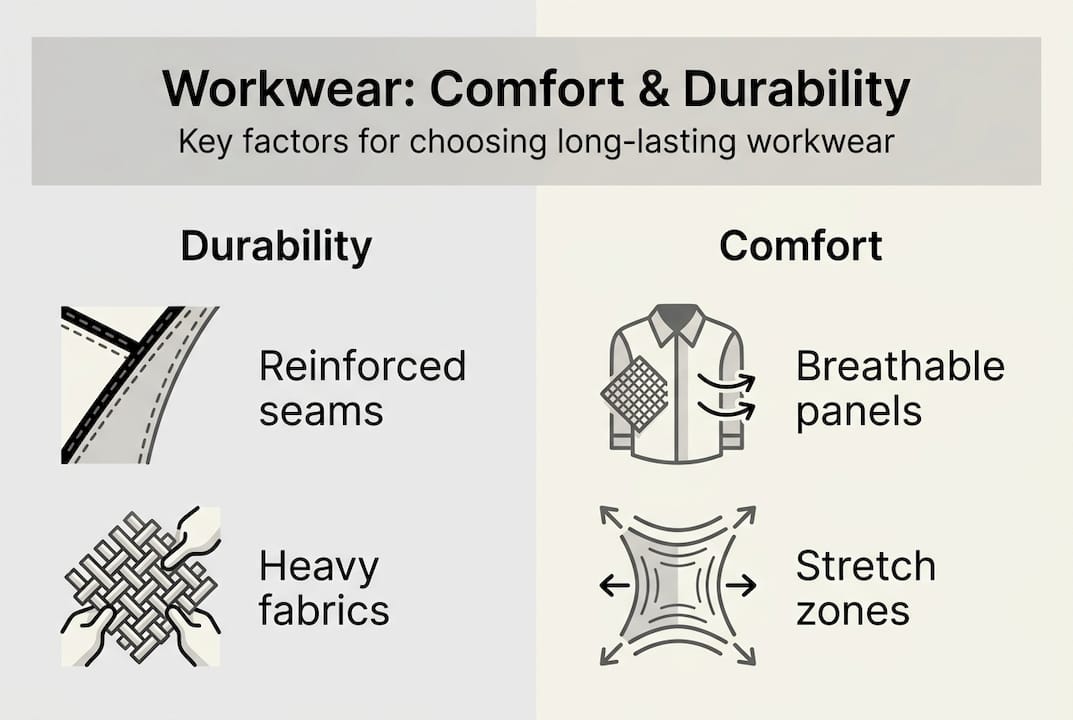
Pro Tip: Take photos of your current workwear damage patterns after a few months of use. Blown out knees, torn pockets, or frayed cuffs show exactly where you need reinforcement in your next purchase.
| Hazard type | Protection needed | Example feature |
|---|---|---|
| Abrasion | Reinforced fabric layers | Double-knee panels, reinforced pockets |
| Sparks/flames | FR certified materials | NFPA 2112 compliant fabric |
| Chemicals | Penetration resistant fabric | Treated polyester blends |
| Heat | Breathable, moisture wicking | Vented mesh panels, lightweight weaves |
Choose functional features that match your job demands
Once you know your hazards, focus on design elements that address them while supporting how you actually work. Reinforced knees and multiple pockets enhance durability and utility; breathable materials improve comfort in hot climates. These features separate workwear that performs from gear that fails within weeks.
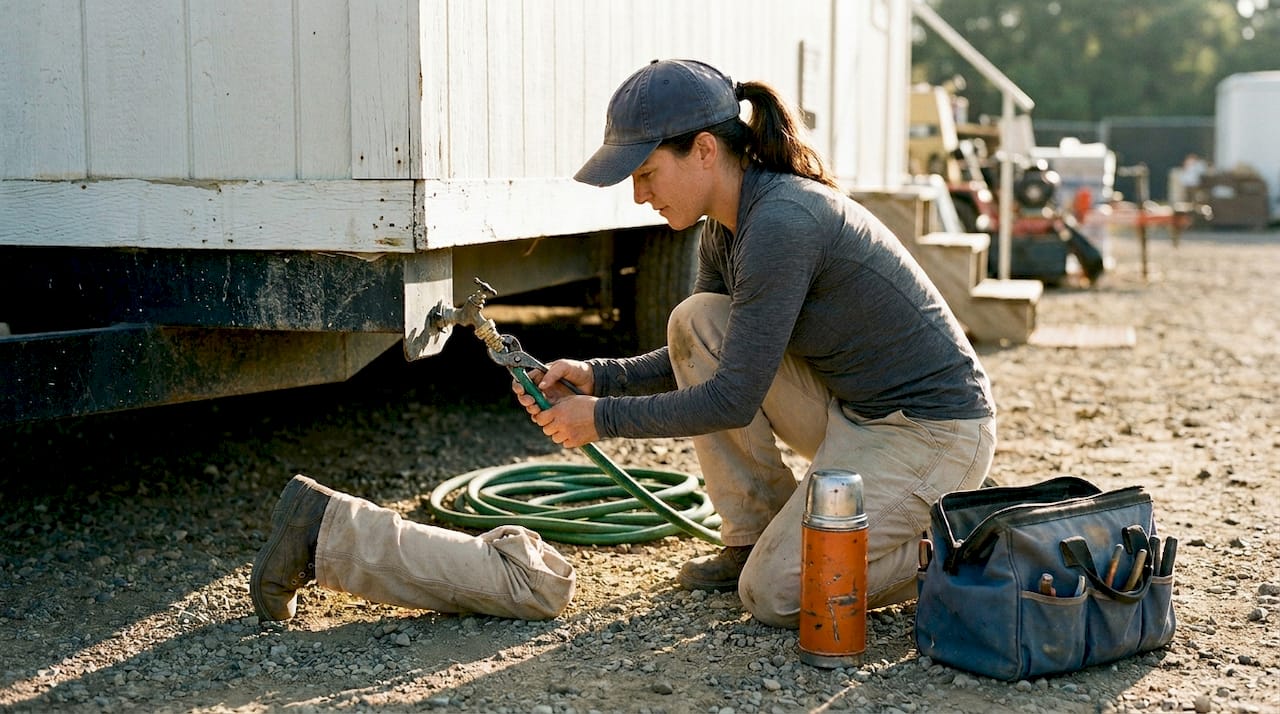
Reinforced knees with double or triple fabric layers prevent blowouts if you spend time kneeling on concrete or gravel. Look for knee pad pockets that let you add cushioning for extended kneeling work. Cargo pockets should have reinforced stitching and bar tacks at stress points. Cheap pockets rip out when loaded with tools, leaving you frustrated and reaching for tape.
Adjustable features give you control over fit and function throughout the day. Adjustable cuffs with hook and loop closures keep sleeves secure when reaching overhead or prevent snagging on equipment. Gusseted crotches and articulated knees provide mobility for climbing, squatting, and bending without restriction. You should be able to lift your knee to chest height without fabric binding.
Essential functional features by priority:
- Tool pockets positioned for easy access without bending
- Reinforced stress points at knees, seat, and pocket corners
- Vented or mesh-lined areas for airflow in heat
- Stretch fabric panels at high-mobility zones
- Secure closures that stay fastened during movement
For hot environments, breathable and moisture wicking fabrics prevent overheating and reduce sweat buildup that causes chafing. Mesh-lined vents at the back, underarms, or inner thighs increase airflow. Lightweight ripstop fabrics offer abrasion resistance without the weight and heat retention of heavy canvas. Understanding workwear features for construction helps you identify which details deliver real value versus marketing hype.
If you work around sparks, grinding, or welding, flame resistant fabrics are mandatory. FR treated cotton or inherent FR synthetics self-extinguish when the ignition source is removed, preventing severe burns. Regular cotton ignites and continues burning, turning a minor spark into a trip to the emergency room. Choosing appropriate workwear for hot weather that also meets FR requirements requires careful material selection.
Pro Tip: Test mobility before buying by doing a full squat, reaching overhead, and bending to touch your toes. If the fabric binds or rides up significantly, size up or choose a different cut.
| Feature | Benefit | Best for |
|---|---|---|
| Reinforced knees | Prevents fabric failure from kneeling | Tile setters, plumbers, concrete workers |
| Multiple pockets | Keeps tools accessible, reduces trips | Electricians, carpenters, technicians |
| Stretch panels | Increases range of motion | Climbers, overhead workers, installers |
| Vented fabric | Reduces heat buildup and sweat | Outdoor workers, hot environments |
| FR treatment | Prevents ignition and burns | Welders, metal workers, electricians |
Verify certifications and match materials to conditions
Don’t trust marketing claims alone. Verify certifications like ANSI, NFPA, ASTM; match fabric performance to hazards like sparks, chemicals, and heat exposure. Legitimate certifications mean the product passed standardized testing for specific protection levels. Look for certification labels sewn into the garment or listed clearly in product specifications.
ANSI standards cover high visibility workwear, ensuring you’re seen in low light or high traffic areas. NFPA 2112 certifies flash fire protection for workers near flammable gases or liquids. NFPA 70E addresses arc flash hazards for electrical workers. ASTM standards test cut resistance, puncture resistance, and abrasion performance. Each certification corresponds to measurable protection that could prevent serious injury.
Key certifications to verify:
- ANSI/ISEA 107: High visibility safety apparel with reflective striping
- NFPA 2112: Flash fire protection with specific burn injury reduction
- NFPA 70E: Arc flash protection with arc rating (ATPV/EBT values)
- ASTM F1930: Arc thermal performance testing methodology
- EN ISO 20471: International high visibility standard
- ASTM F2621: Cut resistance levels A1 through A9
Match fabric choice to your climate and conditions. Hot weather workwear with breathable, lightweight fabrics like Truewerk T1 offer superior airflow. Cotton canvas works well in moderate climates but becomes heavy and uncomfortable when soaked with sweat. Synthetic blends dry faster and often provide better stretch, but some retain odor more than natural fibers.
For high mobility jobs like climbing, roofing, or overhead installation work, prioritize stretch fabrics with mechanical stretch (fabric weave) or added elastane. Ripstop weaves resist tear propagation, so a small snag doesn’t become a large rip. In cold conditions, layering systems work better than single heavy garments, giving you flexibility as activity levels and temperatures change.
Verify performance data beyond basic certifications. Check penetration resistance ratings if you work with chemicals. Review thermal protection values if heat exposure is a concern. Compare abrasion cycle test results between products when durability is your top priority. This data is usually available in technical specification sheets or by contacting manufacturers directly. Selecting appropriate flame resistant clothing requires understanding both certification standards and real-world performance characteristics. Proper hot weather workwear balances protection with breathability.
Compare popular workwear brands and extend product life
Brand reputation matters, but real-world testing tells the full story. Carhartt excels in rugged abrasion resistance and cold-weather durability; Dickies suits budget needs but less durable. Understanding how major brands perform helps you make informed purchasing decisions based on your specific demands and budget constraints.
Carhartt built its reputation on heavy-duty duck canvas and reinforced construction that survives years of abuse. Their double-front work pants with cleanout openings for knee pads remain an industry standard. The fabric is stiff initially but breaks in to form-fitting comfort while maintaining structure. Expect to pay premium prices, but the per-wear cost often beats cheaper alternatives that need replacement every few months.
Dickies offers accessible pricing and consistent sizing, making them popular for uniform programs and workers on tight budgets. The fabric is lighter weight and less abrasion resistant than Carhartt’s heavy canvas. Seams and pockets tend to fail sooner under hard use. For light-duty work or situations where appearance matters more than maximum durability, Dickies delivers solid value.
Brand comparison factors:
- Carhartt: Superior abrasion resistance, reinforced stress points, heavy-duty zippers, premium pricing
- Dickies: Budget-friendly, consistent sizing, lighter fabrics, moderate durability
- Wrangler: Good balance of durability and comfort, mid-range pricing
- Duluth Trading: Innovative features, generous return policy, higher prices
- Ariat: Excellent mobility features, strong in outdoor/ranch work, premium tier
Real-world wear testing trumps marketing claims every time. Before committing to a brand, buy one pair and put them through your actual work routine for a month. Note where wear appears first, how the fabric holds up to washing, and whether features stay functional. Some brands excel in specific trades but underperform in others based on construction methods and material choices. Getting insights from workwear brand comparisons helps narrow your options.
Proper maintenance like inspection, repair, and following wash instructions significantly extends workwear life. Inspect garments weekly for small tears, loose threads, or weakened seams. Repair minor damage immediately before it spreads. A quick stitch on a small tear prevents a major blowout later. Use heavy-duty thread and backstitch stress points for lasting repairs.
Follow washing instructions exactly. FR garments lose protection if washed with fabric softener or bleach. High heat can damage synthetic blends and elastic components. Turn garments inside out to reduce abrasion on outer surfaces. Air dry when possible to prevent shrinkage and extend fabric life. Store workwear in a dry location away from chemicals, solvents, and direct sunlight that degrades materials over time.
Pro Tip: Keep a simple maintenance kit with heavy thread, needles, spare buttons, and fabric patches in your vehicle. Five minutes of repair during lunch prevents a ruined garment by end of shift.
Explore durable and comfortable workwear at WorkWearComfort
After learning how to evaluate workwear features, certifications, and brands, you’re ready to find gear that actually delivers. WorkWearComfort offers tested products designed specifically for the demands you face every day. Our Blue Collar Brotherhood Hoodie combines rugged construction with comfortable fabric that moves with you through demanding shifts.
For outdoor workers facing sun exposure, our UPF 50+ Lightweight Sun Work Hoodie provides certified sun protection without overheating. The breathable fabric keeps you cool while blocking harmful UV rays that cause long-term skin damage. When you need gear that supports both safety and comfort, our Nobody Cares Work Harder Sun Hoodie delivers the durability and attitude that matches your work ethic.
Frequently asked questions about choosing workwear
What materials best balance durability and comfort for physically demanding jobs?
Ripstop cotton canvas blends offer excellent abrasion resistance while maintaining breathability for comfort during physical work. Adding 2 to 5 percent elastane provides stretch for mobility without sacrificing durability. For extreme abrasion environments, heavyweight duck canvas with reinforced panels at stress points delivers maximum longevity.
How often should I replace my workwear to maintain safety?
Replace workwear immediately when you notice fabric thinning, large tears, failed seams, or compromised protective features like worn reflective striping. For FR garments, follow manufacturer guidelines on maximum wash cycles, typically 50 to 100 washes depending on treatment type. Inspect weekly and retire any garment that no longer provides adequate protection.
Are flame resistant clothes necessary for all trades dealing with sparks?
Yes, any work involving sparks, grinding, welding, or open flames requires flame resistant clothing to prevent severe burns. Regular cotton ignites easily and continues burning, while FR fabrics self-extinguish when the ignition source is removed. Even brief spark exposure can cause serious injury without proper protection.
What tips help keep workwear in top condition longer?
Inspect garments weekly and repair small damage immediately before it spreads. Wash inside out using recommended detergents, avoiding fabric softener on FR garments. Air dry when possible to prevent heat damage and shrinkage. Store in dry locations away from chemicals and direct sunlight. Following these practices can double the usable life of quality workwear.
How to select workwear suitable for hot weather environments?
Choose lightweight, breathable fabrics with moisture wicking properties and mesh ventilation panels at high-heat zones. Look for UPF sun protection ratings if working outdoors. Lighter colors reflect heat better than dark colors. Our guide to hot weather workwear tips covers specific fabric technologies and features that keep you cool while maintaining necessary protection.
