

Most American construction workers put their clothes through more daily punishment than the average uniform ever sees. When you are moving from blazing summer sites to chilly winter mornings, you need gear that can handle it all. With over 60 percent of American workers saying workplace comfort improves their performance, choosing the right construction clothing goes far beyond looks or price. Uncover what truly matters for durability, safety, and style when it comes to men’s workwear built for rugged American environments.
Table of Contents
- Men’s Construction Clothes Defined and Debunked
- Essential Types and Key Features Explained
- Durability, Safety, and Seasonal Adaptability
- Meeting OSHA Regulations and Site Standards
- Common Buying Mistakes and Expert Solutions
Key Takeaways
| Point | Details |
|---|---|
| Purpose of Construction Clothing | Men’s construction clothing prioritizes protection, performance, and practicality, designed to withstand physical demands and environmental hazards. |
| Safety and Compliance | Adhering to OSHA regulations is essential for worker safety, requiring careful selection and assessment of protective clothing features. |
| Common Buying Missteps | Many fail to prioritize safety and proper fit, risking inadequate protection; a methodical assessment of needs is critical when purchasing. |
| Invest in Quality | Choosing durable, adaptable clothing systems ensures longevity and compliance with safety standards, enhancing overall worker protection. |
Men’s Construction Clothes Defined and Debunked
Construction clothes are far more than simple garments - they represent a critical intersection of functionality, safety, and professional identity for workers in demanding physical environments. Workwear historically represents clothing specifically designed for manual labor, built to provide durability and protection beyond standard fashion expectations.
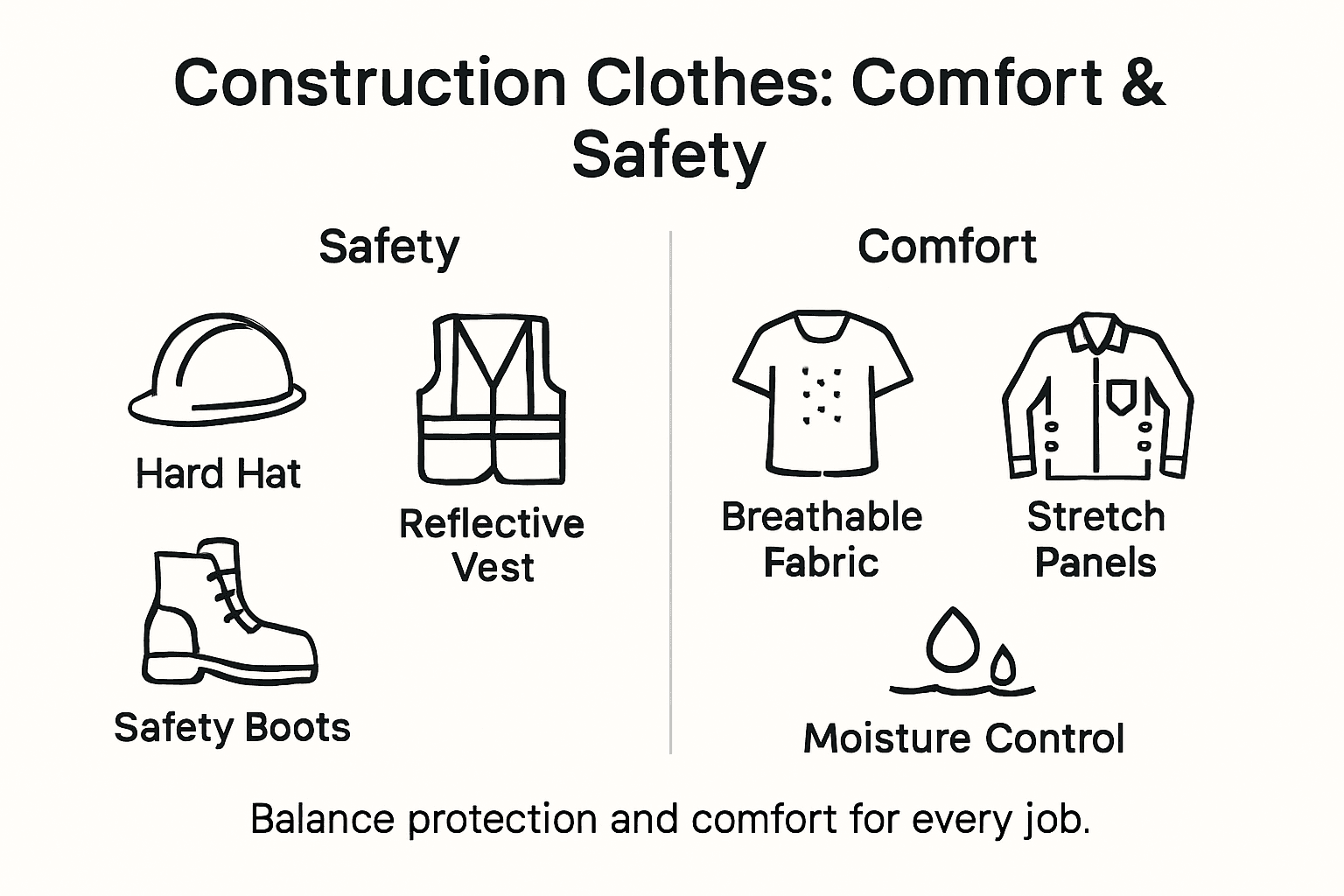
At its core, men’s construction clothing serves three fundamental purposes: protection, performance, and practicality. Workers require apparel that shields them from environmental hazards, enables unrestricted movement, and withstands intense physical demands. Unlike standard clothing, construction wear integrates specialized features like reinforced fabric, multiple utility pockets, enhanced mobility panels, and strategic padding in high-wear areas.
The evolution of construction clothing reflects broader industrial and social transformations. Modern workwear is no longer just about utility but encompasses complex labor and ethical considerations, challenging traditional perceptions of these essential garments. Contemporary construction clothes increasingly incorporate sustainable materials, ergonomic design principles, and advanced protective technologies that respond to worker safety regulations and environmental consciousness.
Pro tip: When selecting construction clothing, prioritize garments that offer a balance between durability, comfort, and safety certifications rather than focusing solely on aesthetic appeal.
Essential Types and Key Features Explained
Men’s construction clothing encompasses a diverse range of specialized garments designed to meet the rigorous demands of physical labor. Construction workwear includes essential clothing types like overalls, bib overalls, jackets, and heavy-duty pants engineered for maximum durability and safety, each serving a critical role in worker protection and performance.
The core types of construction clothing are distinguished by their unique features and protective capabilities. Work pants typically feature reinforced knees, multiple utility pockets, and rugged fabric like canvas or denim. Jackets range from lightweight work shells to insulated winter gear, providing temperature regulation and protection from environmental elements. Bib overalls offer complete body coverage with additional storage options, making them ideal for workers who need extensive tool carrying capacity and full-body protection.
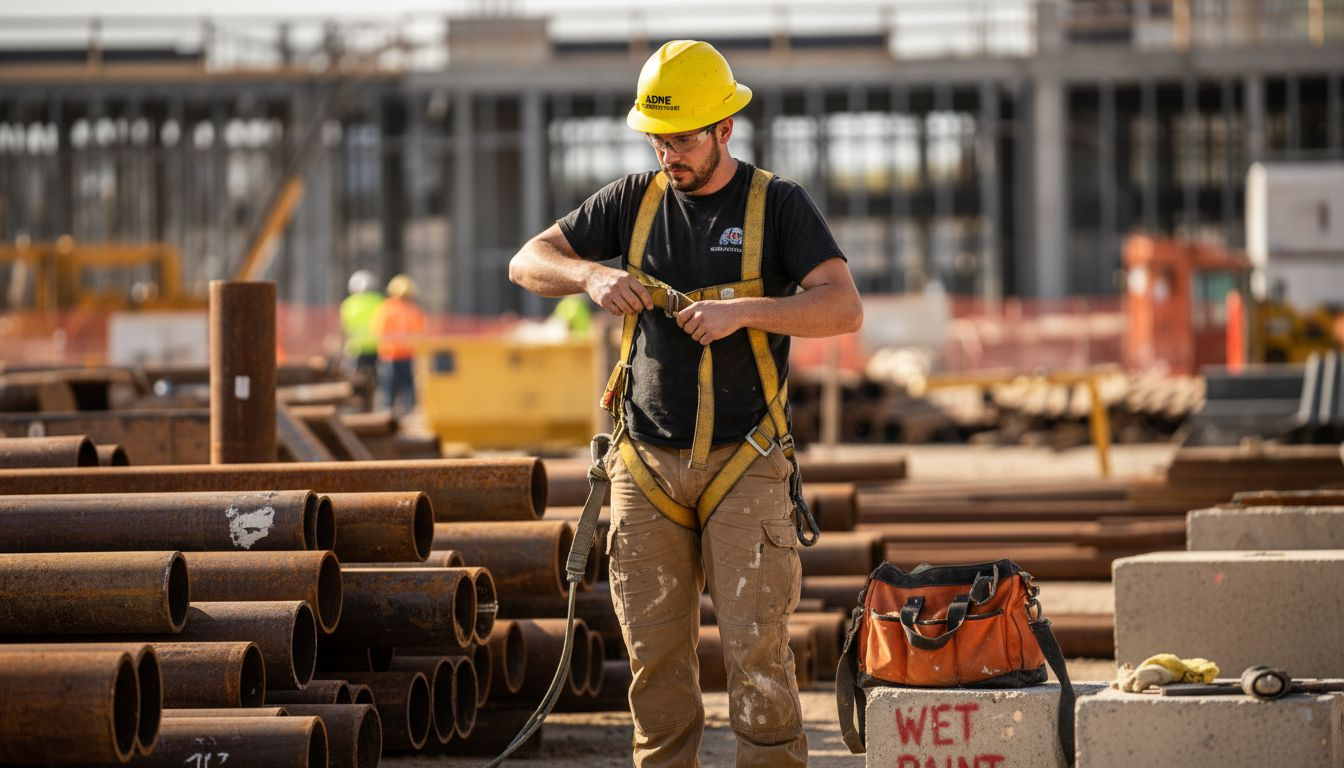
Personal protective equipment represents a fundamental aspect of construction clothing, integrating specialized features to minimize worker exposure to site risks. These garments incorporate advanced protective technologies such as high-visibility materials, flame-resistant fabrics, impact-resistant panels, and ergonomic design elements that enhance both safety and comfort. Key protective features include strategic padding, breathable yet durable materials, and adaptive designs that allow maximum mobility while maintaining strict safety standards.
Pro tip: Always inspect your construction clothing for wear and tear, replacing items that show significant damage to maintain optimal safety protection.
Here’s a quick comparison of the essential types of men’s construction clothing and their primary benefits:
| Clothing Type | Main Purpose | Key Benefit |
|---|---|---|
| Work Pants | Lower body protection | Enhanced durability |
| Jackets | Weather and impact shield | Temperature control |
| Bib Overalls | Full body coverage | Tool storage options |
| Safety Vests | High visibility | Risk reduction |
| Base Layers | Moisture management | Improved comfort |
Durability, Safety, and Seasonal Adaptability
Construction clothing durability represents a critical intersection of textile engineering and worker protection, demanding sophisticated materials that can withstand extreme working conditions while maintaining structural integrity. The fundamental challenge lies in creating garments that resist wear and tear, repel environmental contaminants, and provide long-lasting performance under intense physical stress.
Safety features are meticulously integrated into construction clothing design, with strategic reinforcements and protective elements addressing specific workplace hazards. Specialized fabrics incorporate impact-resistant panels, strategic padding, and high-visibility materials that enhance worker protection. Occupational safety guidelines mandate comprehensive clothing systems that adapt to diverse environmental conditions and worker needs, ensuring comprehensive protection across different work environments.
Seasonal adaptability remains a paramount concern for construction workers who face constantly changing environmental conditions. Advanced clothing systems now utilize layering technologies, moisture-wicking fabrics, and temperature-regulating materials that allow workers to maintain comfort and performance whether facing scorching summer heat or freezing winter temperatures. These adaptive clothing solutions provide thermal regulation, breathability, and protection, transforming traditional workwear into sophisticated performance gear that responds dynamically to environmental challenges.
Pro tip: Invest in modular clothing systems that allow easy layering and adaptation, enabling you to quickly adjust to changing workplace temperatures and conditions.
Meeting OSHA Regulations and Site Standards
Construction workers must navigate complex safety regulations that govern personal protective equipment and workplace clothing, ensuring comprehensive protection against potential workplace hazards. The Occupational Safety and Health Administration (OSHA) establishes stringent guidelines that mandate specific requirements for construction attire, focusing on minimizing injury risks and protecting workers in potentially dangerous environments.
The regulatory landscape for construction clothing encompasses multiple layers of standards, including material specifications, visibility requirements, and protective feature guidelines. International safety equipment standards provide comprehensive frameworks for designing and implementing compliant protective workwear, addressing critical aspects such as high-visibility coloration, impact resistance, and environmental adaptability. These standards ensure that construction clothing goes beyond aesthetic considerations, serving as a critical line of defense against workplace injuries and potential health risks.
Compliance with OSHA regulations requires a holistic approach to clothing selection, involving detailed assessments of workplace environments, potential hazards, and specific job requirements. Construction professionals must carefully evaluate clothing based on factors like flame resistance, chemical protection, visibility in low-light conditions, and ability to withstand extreme temperature variations. This comprehensive approach transforms safety clothing from a mere uniform into a sophisticated protective system designed to mitigate risks and enhance worker safety across diverse work scenarios.
Pro tip: Conduct regular inspections of your safety gear, replacing any items that show signs of wear or damage to maintain full compliance with OSHA safety standards.
Common Buying Mistakes and Expert Solutions
Construction clothing purchasing often falls victim to common mistakes that compromise worker safety and performance, with many workers prioritizing style or price over critical functional requirements. The most fundamental error is treating construction clothing as a simple commodity rather than specialized protective equipment designed to safeguard against workplace hazards.
Construction safety experts highlight several critical evaluation criteria when selecting appropriate work attire, emphasizing the importance of comprehensive assessment beyond surface-level attributes. Key buying mistakes include neglecting proper sizing, overlooking specific job-site protection requirements, disregarding material durability, and failing to consider environmental adaptability. Workers frequently purchase clothing without understanding the nuanced protective features necessary for their specific work environment, leading to potential safety compromises.
Effective solution strategies involve a methodical approach to clothing selection that prioritizes safety, comfort, and functional performance. Construction professionals should conduct detailed workplace risk assessments, understand specific protective requirements, and invest in clothing systems that offer modular protection, strategic reinforcement, and adaptability across different work scenarios. This approach transforms clothing purchasing from a transactional process to a strategic safety investment, ensuring comprehensive protection that aligns with both regulatory standards and practical workplace demands.
The table below summarizes frequent purchasing mistakes and recommended expert solutions:
| Common Mistake | Potential Risk | Expert Solution |
|---|---|---|
| Choosing improper sizing | Limited mobility, discomfort | Always try gear on with PPE |
| Ignoring site requirements | Inadequate protection | Assess job-specific hazards first |
| Selecting by price only | Early wear, poor safety | Balance cost with functional benefit |
| Overlooking certifications | Regulatory non-compliance | Check labels for relevant standards |
Pro tip: Always try on construction clothing with your typical work gear to ensure proper fit, mobility, and compatibility with other personal protective equipment.
Discover Workwear That Combines Comfort and Safety for Men on the Job
Men’s construction clothes demand more than just durability—they must offer protection, comfort, and adaptability to tackle every challenge on the worksite. If you are seeking apparel designed with reinforced durability, temperature regulation, and functional features, explore the Blue-Collar Working Man Sweatshirt Hoodies that provide both rugged comfort and stylish performance for long hours outdoors.
Don’t settle for ordinary workwear when you can gear up with clothing made to meet OSHA safety guidelines while delivering the ease of movement and durability you need every day. Visit WorkWearComfort.com now to find sweatshirts, hats, and accessories tailored for hardworking men who demand safety and style. Boost your workday comfort and confidence today and experience the difference quality makes on the site built for blue-collar pride.
Frequently Asked Questions
What are the essential features of men’s construction clothes?
Men’s construction clothing should provide protection, performance, and practicality. Key features include reinforced fabric, multiple utility pockets, enhanced mobility panels, flame-resistant materials, and impact-resistant elements to ensure durability and safety in demanding work environments.
How should I select the right size for construction clothing?
To ensure proper fit and mobility, always try on construction clothing with your typical work gear. Proper sizing is crucial to avoid discomfort and limited movement, which can compromise safety and efficiency on the job site.
What role does seasonal adaptability play in construction clothing?
Seasonal adaptability is important as it allows construction workers to maintain comfort and performance in various environmental conditions. Modern construction clothing often utilizes layering technologies and moisture-wicking fabrics to regulate temperature and provide protection, whether in extreme heat or cold.
How can I ensure my construction clothing meets OSHA regulations?
To meet OSHA regulations, conduct a comprehensive assessment of your work environment and specific hazards. Choose clothing that includes necessary safety features such as high visibility, flame resistance, and chemical protection, ensuring that all garments are compliant with the applicable safety standards.
Recommended
- Construction Safety Wear – Keys to Protection on Site – WorkWearComfort
- Find the Best Construction Workwear Near Me Easily – WorkWearComfort
- The Essential Guide to Construction Clothes Men Need – WorkWearComfort
- Work Wear Construction – Why Quality Matters Most – WorkWearComfort
- Paragon Roofing BC Enhances Home Value as a Delta Roofing Company
