

Working outside in the blazing Southern heat or cramped attics can leave even the toughest electricians and HVAC techs drenched and drained before noon. The gear you wear matters just as much as the tools on your belt when the temperature soars. Choosing breathable, UV-protective work clothing can cut your risk for heat illness and help you get through long shifts without losing your edge. This guide breaks down how to evaluate your jobsite risks and pick cooling gear that actually performs under Southern extremes.
Table of Contents
- Step 1: Assess Your Work Environment And Heat Risks
- Step 2: Select Breathable And UV-Protective Fabrics
- Step 3: Choose Functional Designs For Mobility And Comfort
- Step 4: Layer And Accessorize For Maximum Heat Relief
- Step 5: Test And Adjust Your Work Clothes For Performance
Quick Summary
| Essential Insight | Clear Explanation |
|---|---|
| 1. Assess Heat Risks Daily | Evaluate temperature, humidity, workload, and acclimatization to understand your daily heat exposure precisely. |
| 2. Choose Breathable Fabrics | Opt for moisture-wicking and UV-protective materials to enhance comfort and reduce heat stress during work. |
| 3. Prioritize Functional Designs | Select ergonomic workwear designs that allow full mobility and comfort to avoid overheating while performing tasks. |
| 4. Use Strategic Layering | Layer clothing to create air gaps and manage moisture effectively, keeping you cooler in extreme heat. |
| 5. Test and Adjust Gear | Regularly evaluate your workwear’s performance in real conditions to make necessary adjustments for better heat management. |
Step 1: Assess your work environment and heat risks
Before you invest in any specialized gear, you need to understand what you’re dealing with. Every job site is different, and your heat exposure depends on specific conditions, not just the thermometer reading. This step shows you how to evaluate your actual risks so you can gear up appropriately.
Start by examining the environmental factors at your work site. Temperature alone doesn’t tell the whole story. You also need to consider humidity levels, direct sunlight exposure, and air circulation. A shaded outdoor project in low humidity feels completely different from an indoor HVAC job in a sealed attic. Document whether you’re working in full sun, partial shade, or indoors with inadequate ventilation.
Next, assess your physical workload and intensity. Are you doing light maintenance work or heavy labor? The amount of effort you exert directly increases your core body temperature and sweat production. Heavy-duty electrical work on a roof generates far more metabolic heat than lighter tasks. Be honest about how hard you’re working during peak hours.
Third, evaluate your acclimatization status. Heat-related illness risks increase with factors like lack of heat acclimatization, and many outdoor fatalities occur during the first few days of working in heat. If you’re starting a new job or returning after time off, you’ll need extra protection and recovery time as your body adjusts.
Create a simple risk assessment by noting these factors:
- Peak temperature and humidity levels during your work hours
- Percentage of time spent in direct sunlight
- Type of work (light, moderate, or heavy physical labor)
- Whether you’re acclimatized to the heat
- Current clothing that may trap heat
- Availability of shade and water breaks
Finally, consider your individual factors. Fitness level, age, and previous heat exposure all matter. New crew members or those carrying extra weight will feel heat stress earlier than experienced workers. Employers should reduce workplace heat stress by limiting time in heat and scheduling recovery periods, which means knowing your personal breaking point.
You can also reference specific guidance on best workwear for hot weather conditions to understand how your environment connects to clothing choices.
Your heat risk isn’t static. Assess conditions daily since humidity, cloud cover, and work intensity change throughout the season.
Pro tip: Keep a simple log for two weeks tracking temperature, humidity, your sweat rate, and how you felt by day’s end. This data shows exactly when and where you need maximum cooling features in your work clothes, eliminating guesswork.
Step 2: Select breathable and UV-protective fabrics
Now that you understand your heat exposure, it’s time to choose fabrics that actually work for extreme conditions. The right material makes the difference between sweating through your shirt and staying reasonably comfortable while protected from the sun.
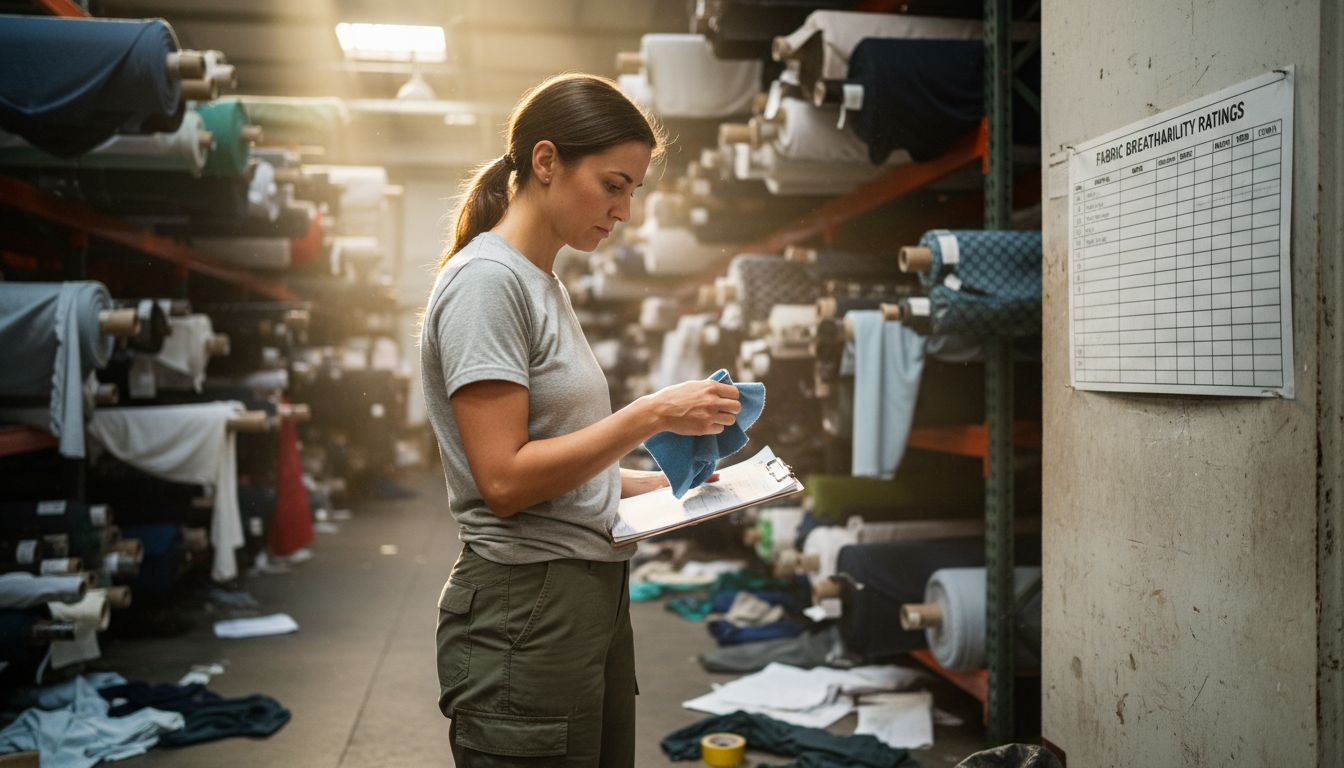
Start by understanding what makes a fabric breathable. Breathable fabrics allow moisture and heat to escape while you work, reducing the trapped sweat that accelerates heat stress. Moisture-wicking polyester blends and cotton blends are your best options for hot environments because they pull sweat away from your skin and allow air circulation.
Avoid the trap of non-breathable synthetics. Plastic-based materials and tightly woven fabrics trap heat and increase sweating, making you hotter faster. Many workers make this mistake by grabbing whatever workwear is cheapest without checking the fabric composition. Read the label and look for materials designed for moisture management, not just durability.
Next, prioritize UV protection in your fabric selection. Sun exposure adds significant heat stress during outdoor work, especially for electricians on roofs and HVAC technicians working in open spaces. Look for fabrics with built-in UV blocking properties or UPF protection ratings that indicate how effectively the material blocks ultraviolet rays.
Your ideal fabric checklist includes:
- Cotton blends or moisture-wicking polyester (45% or higher breathability rating)
- Built-in UV protection or UPF 50+ rating
- Lightweight construction that doesn’t add bulk
- Tight enough weave to block sun but loose enough for airflow
- Quick-drying properties to handle heavy sweating
Consider specialty options for extreme conditions. Some advanced fabrics incorporate phase change materials or evaporative cooling technology that actively regulates temperature rather than just allowing airflow. These cost more upfront but deliver measurable cooling benefits during peak heat hours.
Think layering strategically too. A lightweight, breathable base layer topped with a loose, UV-protective outer shirt creates an air gap that enhances cooling while protecting exposed skin from direct sun.
The cheapest workwear often traps the most heat. Investing in breathable, UV-protective fabrics reduces fatigue, prevents heat illness, and actually improves your productivity.
Pro tip: Wet the fabric before buying and feel how quickly it dries. True moisture-wicking materials feel noticeably drier within seconds, while cheap alternatives stay clammy. This simple test reveals whether the fabric actually performs as advertised.
Here’s a quick comparison of recommended hot-weather workwear fabrics:
| Fabric Type | Breathability | UV Protection | Durability |
|---|---|---|---|
| Cotton Blend | Good airflow | Limited, unless UPF | Moderate wear resistance |
| Moisture-wicking Polyester | Excellent moisture control | Often UPF rated | High abrasion resistance |
| Phase Change Materials | Actively cools skin | Varies by product | Specialized, lasts with care |
| Non-breathable Synthetics | Poor ventilation | Usually none | High, but traps heat |
Step 3: Choose functional designs for mobility and comfort
Fabric choice is only half the battle. The cut and design of your workwear directly affect how freely you move and how comfortable you stay throughout your shift. A great fabric in a poorly designed shirt will still leave you overheated and restricted.
Look for ergonomic cuts that match your actual job tasks. For electricians climbing ladders and HVAC technicians crawling into tight spaces, you need garments with strategic stretch panels and articulated seams. Sleeves should allow full shoulder rotation without pulling tight across your chest. Arm pits need extra room to prevent chafing when you’re reaching overhead repeatedly.
Consider how the design manages moisture and airflow. Protective clothing design must balance thermal protection and wearer mobility through functional features like mesh panels, ventilation zones, and layering strategies. Look for vents along the sides, back panels, or underarms that create air channels without compromising sun protection on exposed areas.
Length and fit matter more than you’d think. Oversized shirts trap heat and get in your way, while tight ones restrict movement and increase perspiration. Your workwear should fit close enough to prevent excess fabric flapping around but loose enough that you can raise your arms fully without the fabric riding up.
Key design features to prioritize:
- Stretch panels at shoulders and sides for unrestricted movement
- Articulated sleeve cuts that follow arm anatomy
- Ventilation zones on back, sides, or underarms
- Tapered waistbands that stay secure during physical work
- Reinforced seams in stress areas like underarms and collar
- Moisture-wicking construction throughout, not just the exterior
Don’t overlook pocket placement and design. Functional pockets keep your tools and essentials accessible without adding bulk at your waist. Deep, secure pockets prevent items from falling out during heavy movement.
Test mobility before buying. Climb a ladder, bend at the waist, reach overhead, and squat down. If the shirt rides up, restricts movement, or creates uncomfortable pressure points, it’s not the right design for your work, regardless of how good the fabric feels.
A shirt that restricts your movement makes you work harder, sweat more, and fatigue faster. Mobility is protection.
Pro tip: Wear your regular work boots and grab a tool when you test-fit workwear. Simulate your actual job movements in the dressing room so you can feel how the garment behaves under real conditions before committing to it.
Step 4: Layer and accessorize for maximum heat relief
Layering might sound counterintuitive for extreme heat, but strategic layering actually reduces your core body temperature by creating air gaps and managing moisture. The right accessories also make a measurable difference in how long you can work comfortably in brutal conditions.
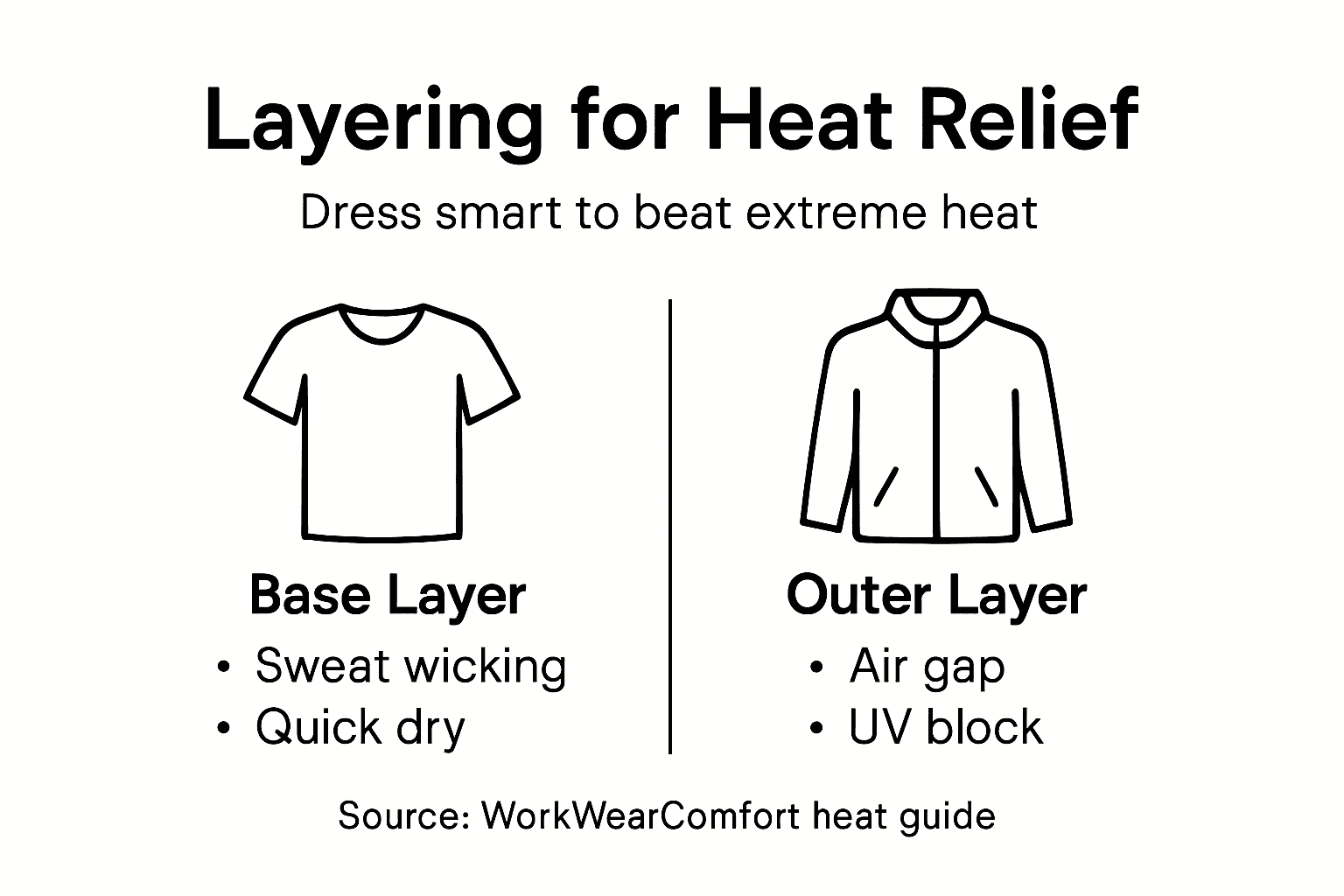
Start with a lightweight moisture-wicking base layer. This inner layer pulls sweat away from your skin, allowing it to evaporate faster and keep you cooler. A thin, breathable base prevents sweat from accumulating directly on your skin while your outer layer handles sun protection. Many electricians and HVAC technicians skip this thinking fewer clothes means cooler, but the opposite is true.
Add a loose, breathable outer shirt as your second layer. This creates an insulating air gap between your base layer and the outer garment, which paradoxically keeps you cooler by allowing air circulation. The outer shirt also blocks direct sun exposure without trapping heat like a single heavy garment would. Look for complete guidance on workwear layering strategies to understand how different materials work together.
Don’t underestimate the power of strategic accessories for heat management. Wide-brimmed hats or hard hat liners with neck protection reduce direct solar radiation to your head and neck. Lightweight neck gaiters or cooling towels provide evaporative cooling on demand. Work gloves designed for heat protect your hands from burns while allowing airflow.
Accessories that deliver real cooling benefits include:
- Wide-brimmed hard hat liners that shade your neck and shoulders
- Lightweight cooling towels for your neck and forehead
- Breathable work gloves that don’t trap heat
- Moisture-wicking socks that prevent blisters from sweat buildup
- Lightweight arm sleeves for sun protection without full coverage
- Cooling vests with phase change materials for peak heat hours
Consider sweat management accessories too. Sweatbands on your wrists prevent sweat from running down to your hands and affecting your grip. A breathable undershirt collar protects your neck from chafing caused by repeated sweating and friction.
Timing matters when layering. Early morning and late afternoon, you might wear more coverage. During peak heat hours, you can remove your outer layer to increase airflow while keeping your UV protection underneath. This flexibility allows you to adapt throughout your shift without overheating.
Proper layering creates micro-climates around your body that regulate temperature more effectively than heavy single garments.
Pro tip: Keep a lightweight change of layers in your vehicle or tool bag. Switching to a fresh, dry base layer mid-shift eliminates the weight and chill of sweat-soaked fabric, instantly improving comfort and reducing heat stress.
This table summarizes typical cooling accessories and the relief they provide:
| Accessory | Main Benefit | How It Works |
|---|---|---|
| Wide-brimmed Hat Liner | Neck and face shade | Blocks direct sunlight |
| Cooling Towel | Instant skin cooling | Evaporative moisture draw |
| Breathable Gloves | Hand comfort | Allows air circulation |
| Cooling Vest | Lowers core temperature | Uses phase change material |
| Arm Sleeves | Sun and heat protection | Lightweight, wicks sweat |
Step 5: Test and adjust your work clothes for performance
Buying the right gear is only the beginning. Real performance happens when you test your workwear in actual conditions and make adjustments based on how it performs. This step teaches you how to evaluate your clothes systematically so you can optimize them for your specific job.
Start your testing during moderate heat days, not peak summer. This gives you safer conditions to assess whether your garments breathe properly, manage moisture effectively, and stay comfortable during physical work. Wear your complete outfit including layers and accessories for at least two to three hours of actual work tasks.
Pay attention to moisture management during your test. Are you sweating excessively or does the fabric pull moisture away from your skin effectively? Feel your base layer and outer shirt at regular intervals. True breathable fabrics should feel damp but not waterlogged. If your outer shirt is soaking wet while your base layer stays relatively dry, your layering strategy is working correctly.
Note any problem areas as they occur. Evaluating fabric properties such as breathability and moisture management helps identify which design elements need adjustment. Mark spots where chafing occurs, where seams pinch during movement, or where ventilation seems inadequate. These observations guide your next modifications.
Key performance metrics to track:
- Sweat accumulation and drying speed on different fabric sections
- Core body temperature perception at different times of day
- Specific discomfort points or chafing locations
- How well your garments maintain mobility throughout your shift
- Whether you experience excessive fatigue or heat stress symptoms
- Moisture management in underarms, back, and neck areas
Make targeted adjustments based on your observations. If underarms get too hot, consider adding mesh panels or switching to a looser fit. If your neck experiences chafing, thermal protective clothing adjustments in ventilation design may help you identify better neckline options. If you’re overheating despite breathable fabrics, you might need lighter colors or additional layering adjustments.
Re-test after each modification. Don’t assume a change will work without verifying it during actual work. Small adjustments compound. A combination of better ventilation, lighter colors, and improved layering creates substantially better results than any single change alone.
Document what works. Keep notes about temperature conditions, what you wore, how you felt, and any performance issues. This data becomes invaluable as seasons change and heat intensity varies.
Your workwear isn’t one-size-fits-all. Testing and adjusting ensure your clothes match your specific job demands.
Pro tip: Record your body temperature perception and sweat rate using a simple smartphone app before and after your test shifts. Comparing data across multiple days reveals whether your adjustments actually reduce heat stress or just feel subjectively better.
Stay Cool and Protected with WorkWearComfort’s Heat-Ready Apparel
Working in extreme heat demands work clothes that do more than just cover you. As the article explains, choosing breathable fabrics with UV protection and functional designs is critical to preventing heat stress and boosting your comfort and performance on the job. At WorkWearComfort, we get the unique challenges that blue-collar workers face in scorching conditions. That is why our collection includes UPF 50+ Sun Protection Work Hoodies built with moisture-wicking materials and ergonomic designs that keep you cool while shielding your skin from harmful rays.
Don’t settle for workwear that traps heat and cuts your mobility. Explore our wide range of All Hooded Sweatshirts - WorkWear Comfort designed to balance durability and breathability so you can take on the toughest days with confidence. Discover how the right gear makes all the difference and shop now at WorkWearComfort.com to experience comfort and protection tailored for hardworking professionals like you.
Frequently Asked Questions
How can I assess my heat exposure risks at work?
To assess your heat exposure risks, start by examining environmental factors like temperature, humidity, sunlight exposure, and air circulation. Document your physical workload intensity and whether you are acclimatized to the heat to create a comprehensive risk assessment.
What types of fabrics are best for working in extreme heat?
Breathable fabrics like moisture-wicking polyester blends and cotton are ideal for extreme heat, as they allow moisture and heat to escape. Look for fabrics with a high breathability rating and built-in UV protection to enhance comfort and safety during outdoor work.
What design features should I look for in work clothes for hot conditions?
Look for ergonomic cuts that facilitate movement, moisture management features like ventilation zones, and stretch panels for added comfort. Design elements such as articulated seams and a proper fit are crucial for maintaining mobility and preventing overheating.
How can I layer my work clothes effectively in hot weather?
Start with a lightweight moisture-wicking base layer to pull sweat away from your skin, then add a breathable outer layer to create an air gap for cooling. By strategically layering, you can manage moisture and maintain UV protection without causing overheating.
What accessories can help with heat management while working?
Consider using wide-brimmed hats, cooling towels, and moisture-wicking socks to manage heat effectively. These accessories provide essential sun protection and evaporative cooling to enhance your comfort during hot work conditions.
How do I test my work clothes to ensure they perform well in heat?
Test your work clothes on moderate heat days, wearing them during actual work tasks for two to three hours. Pay attention to moisture management, comfort, and any potential chafing to evaluate performance and identify necessary adjustments.
Recommended
- Best Workwear for Hot Weather: Stay Cool & Protected in 2025 - WorkWear Comfort
- 7 Must-Know Tips for Choosing Warm Weather Work Clothes – WorkWearComfort
- 7 Essential Warm Weather Work Wear Tips for Outdoors – WorkWearComfort
- 7 Best Appropriate Work Clothes for Hot Weather Comfort – WorkWearComfort
- Was tun bei Hitze? Strategien für Gesundheit und Wohlbefinden – Kühlkern UG (Haftungsbeschränkt)
- What to Wear on Safari in 2025: Essential Packing Guide
