

Finding a winter work jacket that keeps you warm without restricting your movement is a challenge many women in blue-collar professions face daily. You need gear that stands up to harsh weather, protects you on the job site, and fits your body properly while allowing full range of motion. The wrong jacket can leave you freezing, soaked, or struggling to complete tasks safely. This guide walks you through selecting winter work jackets that deliver on durability, comfort, functionality, and style so you can focus on the work that matters.
Table of Contents
- Assessing Your Work Environment And Jacket Needs
- Essential Features To Look For In Women’s Winter Work Jackets
- How To Evaluate Quality And Durability Before Buying
- Proper Care And Maintenance To Prolong Your Jacket’s Life
- Find Your Perfect Women’s Winter Work Jacket At WorkWearComfort
Key takeaways
| Point | Details |
|---|---|
| Safety features matter most | Prioritize insulation, visibility elements, and mobility when selecting your jacket |
| Weather resistance extends lifespan | Durable, waterproof materials keep you protected and reduce replacement costs |
| Proper fit enhances performance | Ergonomic design and layering compatibility improve comfort during long shifts |
| Quality indicators guide purchases | Check seams, fabric ratings, and warranties before buying |
| Maintenance preserves investment | Regular care and repairs extend your jacket’s functional life |
Assessing your work environment and jacket needs
Before you invest in a winter work jacket, take time to analyze your specific job requirements and environmental conditions. Your daily tasks determine which features matter most. Construction workers handling rough materials need abrasion-resistant fabrics, while utility workers in exposed areas require superior wind protection. Landscapers and outdoor maintenance professionals face different challenges than warehouse workers who move between indoor and outdoor spaces.
Weather conditions vary dramatically across regions and seasons. Consider the typical temperature range you work in, average wind speeds, precipitation frequency, and how many hours you spend outside daily. A jacket perfect for dry, moderately cold conditions fails miserably in wet, freezing environments. When selecting a work jacket, consider the specific tasks and environmental conditions to ensure optimal protection.
Your winter work jacket for outdoor jobs should address these essential features:
- Insulation level matched to your coldest working temperatures
- Waterproofing or water resistance based on precipitation exposure
- High visibility elements if you work near traffic or equipment
- Adequate pocket space for tools, phone, and essentials
- Fabric durability rated for your work environment
- Layering compatibility for temperature fluctuations
Layering becomes critical in extreme cold or when temperatures swing throughout your shift. Your jacket needs enough room to accommodate base layers and mid-layers without becoming bulky or restrictive. Test mobility by reaching overhead, bending, and twisting while wearing all your layers together.
Pro Tip: Create a checklist of your three most frequent work tasks and the weather conditions during your longest shifts. Use this to rank jacket features by importance, ensuring you prioritize what actually matters for your daily reality rather than generic recommendations.
Essential features to look for in women’s winter work jackets
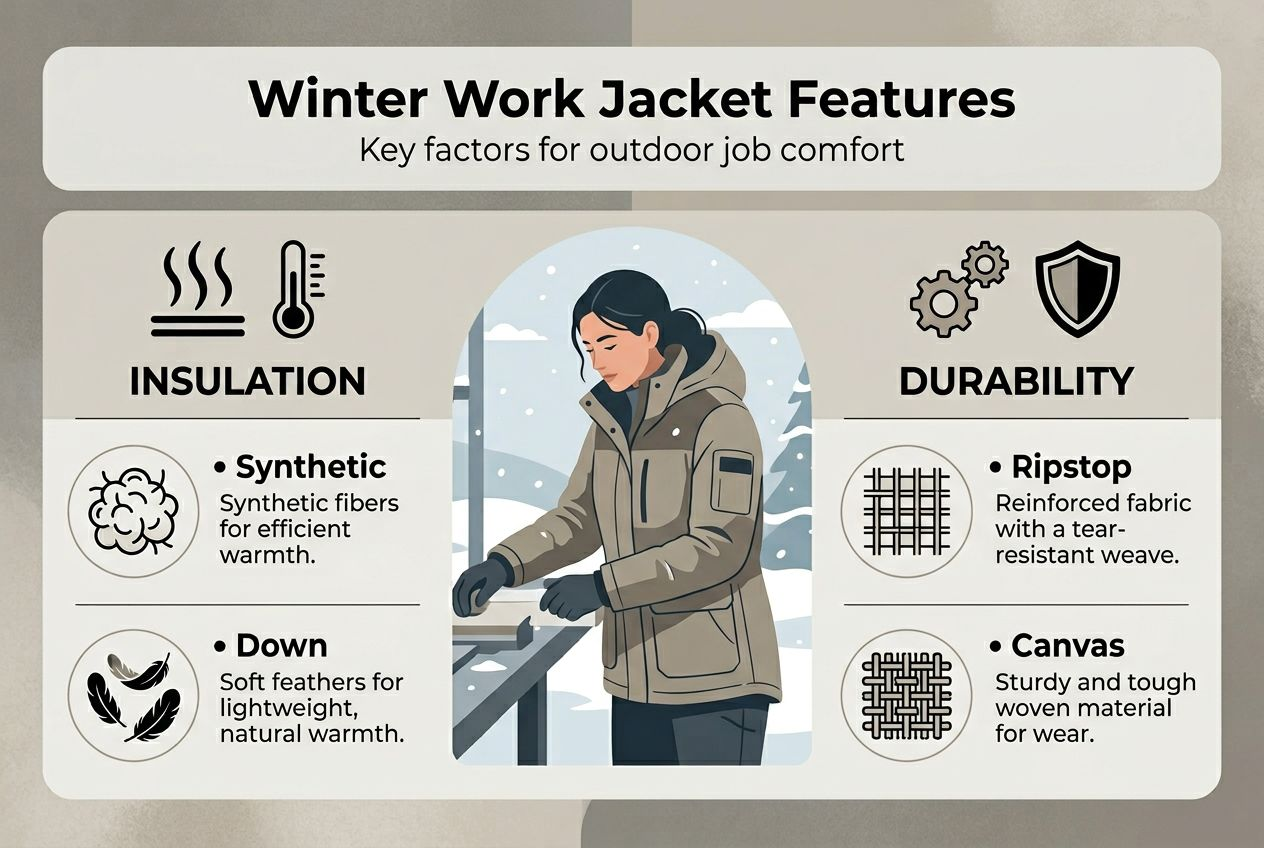
Insulation type dramatically impacts your jacket’s performance in different work environments. Synthetic insulation maintains warmth even when wet, dries quickly, and costs less than down alternatives. This makes it ideal for jobs involving moisture exposure or heavy physical activity that generates sweat. Down insulation offers superior warmth-to-weight ratio and compressibility but loses insulating properties when wet and requires careful maintenance.
Outer fabric durability determines how long your jacket survives demanding conditions. Look for ripstop nylon, canvas blends, or specialized work fabrics with reinforced stress points. These materials resist tears from sharp edges, abrasions from rough surfaces, and general wear from daily use. Quality fabrics also incorporate waterproof or water-resistant treatments that shed rain and snow.
Ergonomic fit designed specifically for women’s body shapes ensures comfort and full mobility. Generic unisex jackets often bunch in the wrong places, restrict shoulder movement, or gap at the waist. Women-specific designs account for differences in shoulder width, torso length, and hip proportions. This women’s winter work coat durability consideration prevents the frustration of ill-fitting gear.
Safety features protect you on active job sites where visibility and security matter. Reflective strips or high-visibility panels ensure you’re seen by equipment operators and drivers in low light conditions. Reinforced elbows and shoulders withstand repeated contact with hard surfaces. Secure zippered pockets keep valuables safe during physical work. Prioritize features that enhance safety, comfort, and mobility to meet occupational standards.
| Material Type | Insulation | Durability Score | Water Resistance | Best For |
|---|---|---|---|---|
| Synthetic Fill | Moderate to High | 8/10 | Excellent | Wet conditions, active work |
| Down Fill | Excellent | 6/10 | Poor (unless treated) | Dry cold, stationary tasks |
| Canvas Shell | Varies | 9/10 | Good with treatment | Heavy-duty construction |
| Softshell | Light to Moderate | 7/10 | Good | High mobility jobs |
Adjustable features give you control over protection levels throughout your shift. Cuffs with velcro or snap closures seal out cold air and prevent snow from entering sleeves. Adjustable hoods accommodate hard hats or provide extra warmth when needed. High collars with chin guards block wind without interfering with breathing or visibility. These construction work jacket features adapt to changing conditions.
Pro Tip: When trying on jackets, wear your typical work layers and perform actual work movements. Reach above your head, bend to pick something up, and twist your torso. The jacket should move with you without riding up, pulling tight, or restricting motion.
How to evaluate quality and durability before buying
Seam construction reveals a jacket’s ability to withstand stress and repeated use. Examine how fabric pieces connect, looking for double-stitched or reinforced seams at high-stress points like shoulders, underarms, and pockets. Poorly constructed seams separate under tension, leading to premature failure. Quality jackets use bar-tack stitching at stress points and sealed seams in waterproof models.
Fabric ratings provide objective measures of performance characteristics. Water resistance ratings indicate how much water pressure fabric withstands before leaking, typically measured in millimeters. A rating of 5,000mm handles light rain, while 10,000mm or higher manages heavy precipitation. Breathability ratings show how well moisture vapor escapes, preventing sweat buildup. Windproofing specifications tell you how much wind penetration to expect.
Warranty coverage and brand reputation signal manufacturer confidence in product durability. Companies offering multi-year warranties or lifetime guarantees stand behind their construction quality. Research brand history in workwear markets, focusing on feedback from women in similar professions. Durability extends jacket lifespan in harsh work conditions, making quality investment worthwhile.
| Jacket Model | Price Range | Water Rating | Warranty | Durability Rating |
|---|---|---|---|---|
| Budget Workwear | $50-$80 | 3,000mm | 90 days | 5/10 |
| Mid-Range Professional | $120-$180 | 8,000mm | 1 year | 7/10 |
| Premium Contractor | $200-$300 | 15,000mm | 2-5 years | 9/10 |
| Specialty Technical | $300+ | 20,000mm+ | Lifetime | 10/10 |
Recognize warning signs of poor quality that lead to disappointment and wasted money:
- Thin, lightweight fabric that feels flimsy or tears easily
- Loose threads or uneven stitching visible on seams
- Zippers that catch, stick, or feel fragile
- Generic sizing without consideration for body shape
- Lack of reinforcement at stress points
- Missing care instructions or vague material descriptions
- No brand reputation or customer reviews available
Zippers, fasteners, and reinforcements deserve close inspection because they fail most frequently. Quality zippers feature metal teeth or heavy-duty plastic with smooth operation. Two-way zippers allow ventilation adjustment. Snaps and velcro should feel substantial and secure. Check that pocket zippers sit flat and don’t pucker fabric. Reinforced areas at elbows, shoulders, and high-wear zones indicate thoughtful design.
This warm work jacket durability and style balance ensures you get performance without sacrificing professional appearance. Compare multiple options within your budget, weighing initial cost against expected lifespan. A $250 jacket lasting five years costs less per year than a $80 jacket replaced annually. Factor in the winter work clothes expert guide recommendations when making final decisions.
Proper care and maintenance to prolong your jacket’s life
Cleaning your winter work jacket correctly preserves its protective features and extends usable life. Follow these steps for most synthetic and treated fabrics:
- Empty all pockets and close all zippers and fasteners before washing
- Use cold water on gentle cycle with mild detergent designed for technical fabrics
- Avoid fabric softeners and bleach that damage water-resistant treatments
- Rinse thoroughly to remove all detergent residue
- Tumble dry on low heat or air dry away from direct sunlight
- Reapply durable water repellent spray after every 3-5 washes
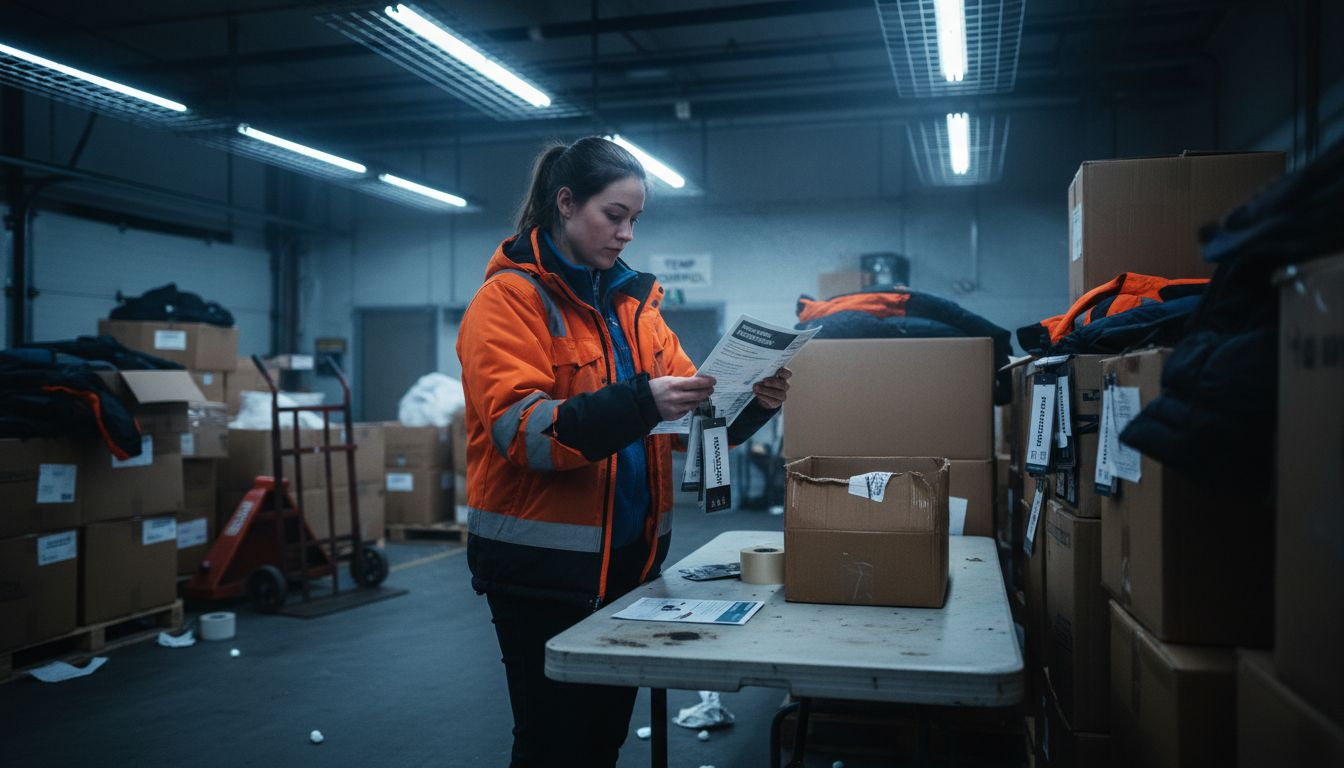
Storage practices prevent damage during off-season or between shifts. Hang jackets on sturdy hangers in well-ventilated areas rather than cramming them into lockers or bags. Ensure jackets dry completely before storage to prevent mildew and odor. Avoid storing in damp basements or hot attics where temperature extremes degrade materials.
Follow these essential do’s and don’ts for jacket care:
- Do spot-clean stains promptly before they set
- Do inspect and repair small tears immediately
- Do follow manufacturer care label instructions exactly
- Don’t use harsh chemicals or solvents on technical fabrics
- Don’t wring or twist jackets when wet
- Don’t iron unless care label specifically allows it
- Don’t store jackets while damp or dirty
Water-repellent coatings wear off with use and washing, requiring periodic reapplication. When you notice water soaking into fabric instead of beading up, treat the jacket with spray-on or wash-in water repellent products. Clean the jacket first, then apply treatment according to product directions. Heat activation in a dryer often improves treatment effectiveness.
Pro Tip: Keep a small repair kit with fabric patches, seam sealer, and heavy-duty thread in your work vehicle. Fixing a small tear or separated seam immediately prevents it from growing into major damage that requires professional repair or replacement. Five minutes of quick maintenance saves hundreds in replacement costs. Check out winter workwear maintenance tips for comprehensive care strategies.
Find your perfect women’s winter work jacket at WorkWearComfort
You deserve workwear that performs as hard as you do without compromising on comfort or style. WorkWearComfort specializes in durable, functional winter work jackets and apparel designed specifically for women in demanding blue-collar professions. Our selection combines the safety features, weather protection, and mobility you need with designs that make you feel confident on any job site.
Explore options like the Blue Collar Brotherhood hoodie for layering warmth and job site pride, or check out the Reddy Kilowatt vintage hoodie for utility workers who want classic style. For transitional weather, our lightweight sun work hoodie offers UPF 50+ protection without overheating. Every piece meets the quality standards and practical features covered in this guide, helping you work comfortably in any conditions.
FAQ
What is the best material for women’s winter work jackets?
Synthetic insulation is often best for wet, harsh conditions while down offers superior warmth but less moisture resistance. Synthetic fills maintain insulating properties when damp, dry quickly, and handle the rigors of physical work better than down. Down insulation excels in dry, extremely cold environments where its warmth-to-weight ratio matters most. Choose based on your typical moisture exposure and activity level.
How can I ensure my winter jacket doesn’t restrict movement during work?
Look for jackets with ergonomic fits designed for women’s body shapes and articulated joints that follow natural arm movement. Try jackets while performing actual work motions like reaching overhead, bending, and twisting. Ensure adequate room for layering without excess bulk. Features like gusseted underarms and stretch panels enhance mobility. Review work jacket mobility features to understand what design elements support unrestricted movement.
What maintenance steps prolong the life of a winter work jacket?
Regular cleaning with proper detergents, thorough drying, and storing in dry places prevents deterioration and odor buildup. Reapply water repellent treatments every few washes to maintain weather protection. Repair small damage like loose seams or minor tears immediately before they expand. Follow manufacturer care instructions exactly, avoiding harsh chemicals and high heat that degrade technical fabrics. Proper maintenance doubles or triples jacket lifespan. Find detailed strategies in our winter workwear care tips.
How do I know if a jacket provides enough insulation for my climate?
Check the insulation weight measured in grams per square meter, with 100-200g suitable for moderate cold, 200-400g for severe cold, and 400g+ for extreme conditions. Consider your activity level since physical work generates body heat. Test jackets in conditions similar to your work environment when possible. Layering capability allows you to adjust warmth by adding or removing base and mid-layers rather than relying solely on jacket insulation.
Are expensive winter work jackets worth the investment?
Quality jackets with superior materials, construction, and warranties typically cost more upfront but deliver better long-term value. A $250 jacket lasting five years with consistent performance costs $50 annually, while a $80 jacket replaced every year costs more over time. Expensive doesn’t always mean better, so evaluate specific features, durability indicators, and brand reputation rather than price alone. Balance your budget against expected use intensity and required performance level.
