

Piling on layers of bulky clothing won’t keep you warm or safe on winter job sites. The misconception that more clothes equal better protection leads workers to overheat, sweat, and ultimately freeze when moisture saturates their gear. Smart winter workwear combines technical fabrics, strategic layering, and specialized insulation to maintain body heat while allowing sweat to escape. This guide breaks down the durable jackets, insulated pants, protective boots, and functional gloves that trades professionals need to stay comfortable and productive in harsh cold conditions. You’ll learn exactly which features matter most and how to choose gear that balances warmth, mobility, and ruggedness for your specific work environment.
Table of Contents
- Understanding Insulation And Layering For Winter Workwear
- Top Durable Winter Jackets And Pants For Trades Professionals
- Choosing The Right Boots And Gloves For Ice, Snow, And Dexterity
- Safety And Comfort Tips For Managing Cold Stress On The Job
- Explore Durable Winter Workwear At Workwearcomfort
- FAQ
Key takeaways
| Point | Details |
|---|---|
| Layering system | Moisture-wicking base layers, insulating mid layers, and waterproof outer shells prevent dangerous sweat buildup and hypothermia. |
| Insulation benchmarks | Active work needs 200-400g insulation while stationary jobs require 600-1000g for adequate warmth. |
| Composite versus steel | Composite toe boots provide superior warmth compared to steel-toe alternatives in cold environments. |
| Top brands | Carhartt and Helly Hansen deliver exceptional durability, weather protection, and hi-vis safety features for outdoor trades. |
| OSHA protocols | Regular warm breaks, hydration, and monitoring for cold stress symptoms are essential safety practices. |
Understanding insulation and layering for winter workwear
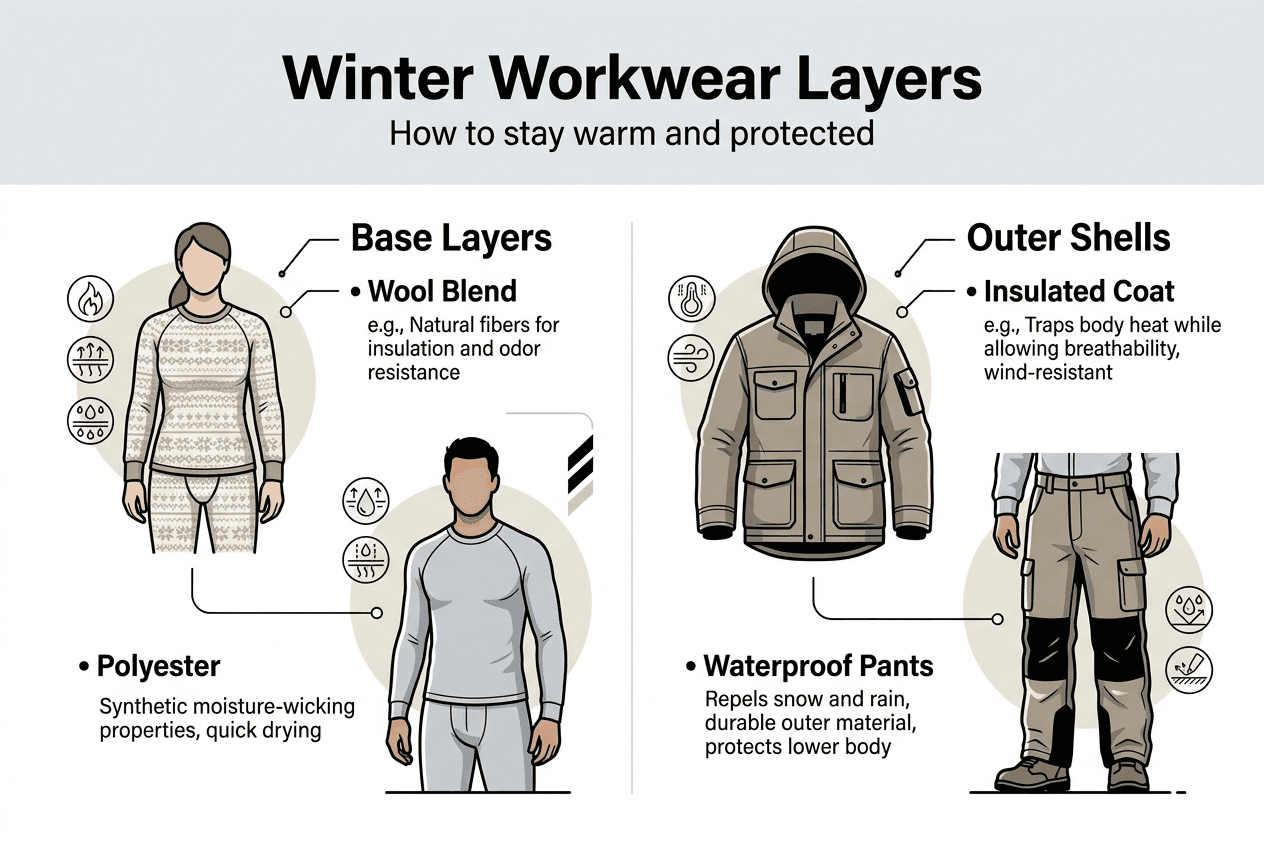
The foundation of effective work clothes for winter starts with understanding how your body loses heat and gains moisture during physical labor. Your layering methodology requires three distinct levels: an inner moisture-wicking base, a middle insulating layer, and an outer wind and waterproof shell. Each layer serves a specific purpose that bulky cotton clothing simply cannot replicate.
Cotton traps moisture against your skin, creating a dangerous cooling effect that can lead to hypothermia even in moderately cold conditions. When you’re swinging a hammer or hauling materials, your body generates heat and sweat. That moisture needs somewhere to go or it will freeze you from the inside out. Technical fabrics made from merino wool or synthetic materials actively pull sweat away from your skin and push it through to outer layers where it can evaporate.
The base layer sits directly against your skin and must wick moisture efficiently. Choose merino wool or polyester blends that feel dry even when damp. Your mid layer provides insulation through trapped air pockets. Fleece, down, or synthetic insulation works here. The outer shell blocks wind and precipitation while allowing moisture vapor to escape. This is where waterproof, breathable membranes like Gore-Tex or proprietary technologies come into play.
Insulation weight guidelines vary dramatically based on your activity level and ambient temperature. For men’s cold weather work clothes involving active tasks like roofing or concrete work, 200 to 400 grams of insulation prevents overheating while maintaining warmth during breaks. Stationary jobs or subzero conditions demand 600 to 1000 grams to compensate for reduced body heat generation.
Footwear insulation follows similar principles but adds the complication of toe protection. Composite toes retain warmth better than steel because metal conducts cold directly to your feet. Pair insulated boots with merino wool socks worn over thin liner socks to manage moisture and prevent blisters. Never wear cotton socks in winter work boots.
Here’s your three-step layering approach:
- Start with a moisture-wicking base layer made from merino wool or synthetic fabric that fits snugly without restricting movement.
- Add an insulating mid layer like fleece or down that traps warm air while remaining breathable enough for active work.
- Finish with a waterproof, windproof outer shell that includes ventilation options like pit zips or back vents to dump excess heat.
Pro Tip: Choose technical fabrics with different weights for your upper and lower body. Your legs generate more heat during movement, so lighter insulation on pants prevents sweat buildup while heavier jacket insulation protects your core during stationary tasks.
Top durable winter jackets and pants for trades professionals
Selecting the right jacket and pants separates comfortable workdays from miserable ones. The Carhartt Yukon Extremes Insulated Coverall delivers Level 4 Extreme Warmth with 150 grams of 3M Thinsulate insulation and a Cordura nylon shell that resists abrasion from rough surfaces and sharp edges. This setup handles conditions down to negative 50 degrees Fahrenheit while maintaining flexibility for climbing, kneeling, and reaching.
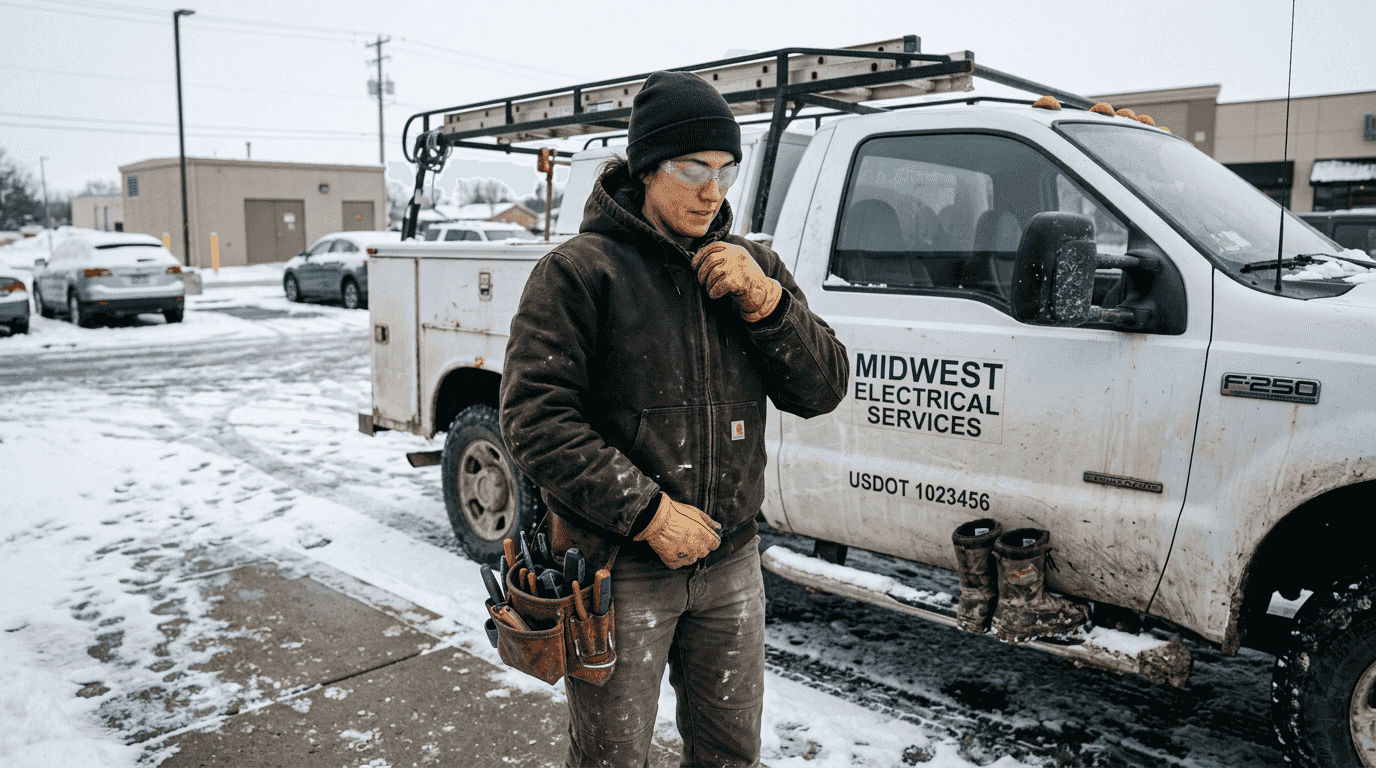
For pants specifically, the Brunt Torra Lined Pants combine fleece lining with DWR water-repellent treatment and exceptional abrasion resistance. These pants survive repeated contact with concrete, lumber, and metal without tearing or wearing thin. The water-repellent finish sheds light snow and rain while the fleece lining provides warmth without bulk that restricts movement.
Helly Hansen offers a lighter alternative for wet, cold conditions where breathability matters more than extreme insulation. Their jackets excel in rain and sleet with waterproof membranes that actually breathe during physical activity. Carhartt outperforms in durability tests against competitors, withstanding 50 pounds of abrasion force while maintaining structural integrity and weather protection.
When choosing winter work jackets for outdoor jobs, prioritize these features:
- Reinforced elbows, shoulders, and knees that resist wear from tools and materials
- Multiple pockets positioned for easy access while wearing gloves or tool belts
- Adjustable cuffs and hems that seal out wind and snow
- Hi-vis elements for safety on roads or low-light job sites
- Hood designs that fit over hard hats without blocking peripheral vision
| Brand/Model | Warmth Rating | Waterproofing | Durability | Hi-Vis Options | | — | — | — | — | | Carhartt Yukon Extremes | Extreme (negative 50°F) | Water-repellent Cordura | Superior abrasion resistance | Limited | | Helly Hansen Workwear | Moderate to high | Fully waterproof membrane | Good for wet conditions | Extensive | | Blaklader Winter | High | Water-resistant | Excellent reinforcement | Available | | Caterpillar H2O Defender | High | Waterproof breathable | Strong jobsite durability | Standard |
Cold weather work clothes with DWR finish shed moisture before it can saturate fabric and compromise insulation. This treatment wears off over time, so reapply DWR spray annually to maintain performance. For maximum visibility on highway work or early morning job sites, hi-vis winter jackets combine reflective striping with bright colors that remain visible in snow, fog, and darkness.
Pro Tip: Mix brands based on your specific environment rather than buying a complete outfit from one manufacturer. Pair Carhartt’s bombproof jackets with Helly Hansen’s breathable pants if you work in wet conditions, or combine Brunt pants with a lighter jacket for moderate cold with high activity levels.
Choosing the right boots and gloves for ice, snow, and dexterity
Your extremities face the greatest risk of cold injury because blood flow naturally prioritizes your core organs. The Carhartt PAC Boot features 1000 grams of insulation, composite toe protection, Storm Defender waterproofing, and aggressive tread patterns that grip ice and packed snow. This combination keeps your feet warm and protected while maintaining the safety ratings required on most job sites.
Composite toe caps provide a critical advantage over steel in winter conditions. Metal conducts cold directly to your toes, creating a refrigeration effect that no amount of insulation can overcome. Composite materials insulate while meeting the same ASTM safety standards for impact and compression resistance. The weight savings also reduces fatigue during long days on your feet.
Glove selection demands a balance between warmth, waterproofing, and the dexterity needed to operate tools and equipment. OSHA recommends insulated, waterproof gloves as part of comprehensive cold stress prevention, along with layered clothing, regular warm breaks, and hydration with warm liquids. But trades work requires fine motor control that bulky mittens destroy.
Mechanix gloves designed for cold and oily conditions maintain grip and feel while providing waterproofing and cut resistance. These gloves use synthetic insulation that stays flexible in cold temperatures, unlike leather that stiffens and cracks. The key is choosing gloves specific to your task rather than one-size-fits-all winter gloves.
For cold weather work gear, follow these protection practices:
- Wear insulated, waterproof boots rated for temperatures 10 degrees colder than your typical conditions
- Choose composite toe caps over steel for better warmth retention
- Layer thin liner gloves under waterproof shells for tasks requiring frequent glove removal
- Keep spare dry socks and gloves in your vehicle or job trailer
- Apply waterproofing treatment to leather boots before each winter season
| Feature | Carhartt PAC Boot | Timberland PRO Boondock | Keen Utility CSA | Wolverine Overpass |
|---|---|---|---|---|
| Insulation | 1000g Thinsulate | 600g | 400g | 800g |
| Toe Protection | Composite | Steel | Composite | Composite |
| Waterproofing | Storm Defender | TimberDry | Keen.Dry | Waterproof membrane |
| Temperature Rating | Subzero | 0°F to 20°F | 20°F to 32°F | 0°F to 15°F |
| Traction | Ice grip outsole | Lug pattern | Multi-directional | Aggressive tread |
Pro Tip: For mechanics and electricians who need maximum dexterity, keep thin, high-grip gloves for detailed work and thick insulated gloves for outdoor tasks. Switch between them rather than compromising on either warmth or control. Store the gloves you’re not wearing inside your jacket to keep them warm and ready.
Safety and comfort tips for managing cold stress on the job
Gear alone won’t prevent cold-related injuries without proper workplace protocols and personal awareness. OSHA recommends wearing three layers of loose-fitting clothing, insulated and waterproof gloves and boots, hats that cover ears, frequent warm breaks, and staying hydrated with warm liquids. Monitoring yourself and coworkers for cold stress symptoms like shivering, confusion, slurred speech, and numbness prevents minor discomfort from escalating to medical emergencies.
Cold stress manifests in several dangerous forms. Hypothermia occurs when your core body temperature drops below 95 degrees Fahrenheit, causing confusion, drowsiness, and eventually loss of consciousness. Frostbite freezes skin and underlying tissues, typically affecting fingers, toes, nose, and ears first. Even without reaching these extremes, cold reduces manual dexterity, slows reaction times, and increases injury risk from slips, falls, and tool accidents.
OSHA emphasizes that employers must monitor weather conditions and implement cold stress prevention measures including engineering controls, work practices, and training. Workers should recognize symptoms in themselves and others, take breaks in warm areas, and never ignore warning signs like uncontrollable shivering or numbness.
Implement these cold stress prevention measures on your job site:
- Schedule the most physically demanding tasks during warmer parts of the day
- Establish a heated break area with warm drinks and dry clothing available
- Rotate workers between cold exposure and warm tasks to limit continuous cold exposure
- Provide training on recognizing cold stress symptoms in yourself and coworkers
- Adjust work pace to prevent sweating that will later cause dangerous cooling
- Keep emergency contact information and first aid supplies readily accessible
- Monitor weather forecasts and postpone non-essential outdoor work during extreme cold warnings
Work and rest cycles become critical in temperatures below 20 degrees Fahrenheit. Plan for 10-minute warm breaks every hour when working in extreme cold, and 15-minute breaks every 30 minutes when temperatures drop below zero or wind chill creates dangerous conditions. These breaks aren’t laziness but necessary safety protocols that maintain productivity by preventing injuries and maintaining mental sharpness.
Hydration matters as much in winter as summer because cold air is dry and breathing it depletes moisture from your body. Dehydration thickens blood, reducing circulation to extremities and increasing frostbite risk. Keep insulated containers of warm, non-caffeinated beverages accessible throughout the day. Coffee and energy drinks act as diuretics that worsen dehydration.
Establish a buddy system where workers monitor each other for cold stress symptoms. Someone experiencing hypothermia often doesn’t recognize their own declining condition. Slurred speech, stumbling, or unusual behavior from a normally capable coworker demands immediate intervention. Move them to a warm area, remove wet clothing, and seek medical attention if symptoms don’t improve quickly.
For comprehensive guidance on staying safe and comfortable, review winter work wear safety tips that cover everything from clothing selection to job site protocols. Your employer should provide cold stress training annually and update emergency procedures based on local climate conditions.
Explore durable winter workwear at WorkwearComfort
Now that you understand the technical requirements for winter work gear, finding comfortable, durable base and mid layers completes your cold weather system. WorkwearComfort offers hoodies and sweatshirts built for the demands of trades work while providing the comfort you need during long shifts.
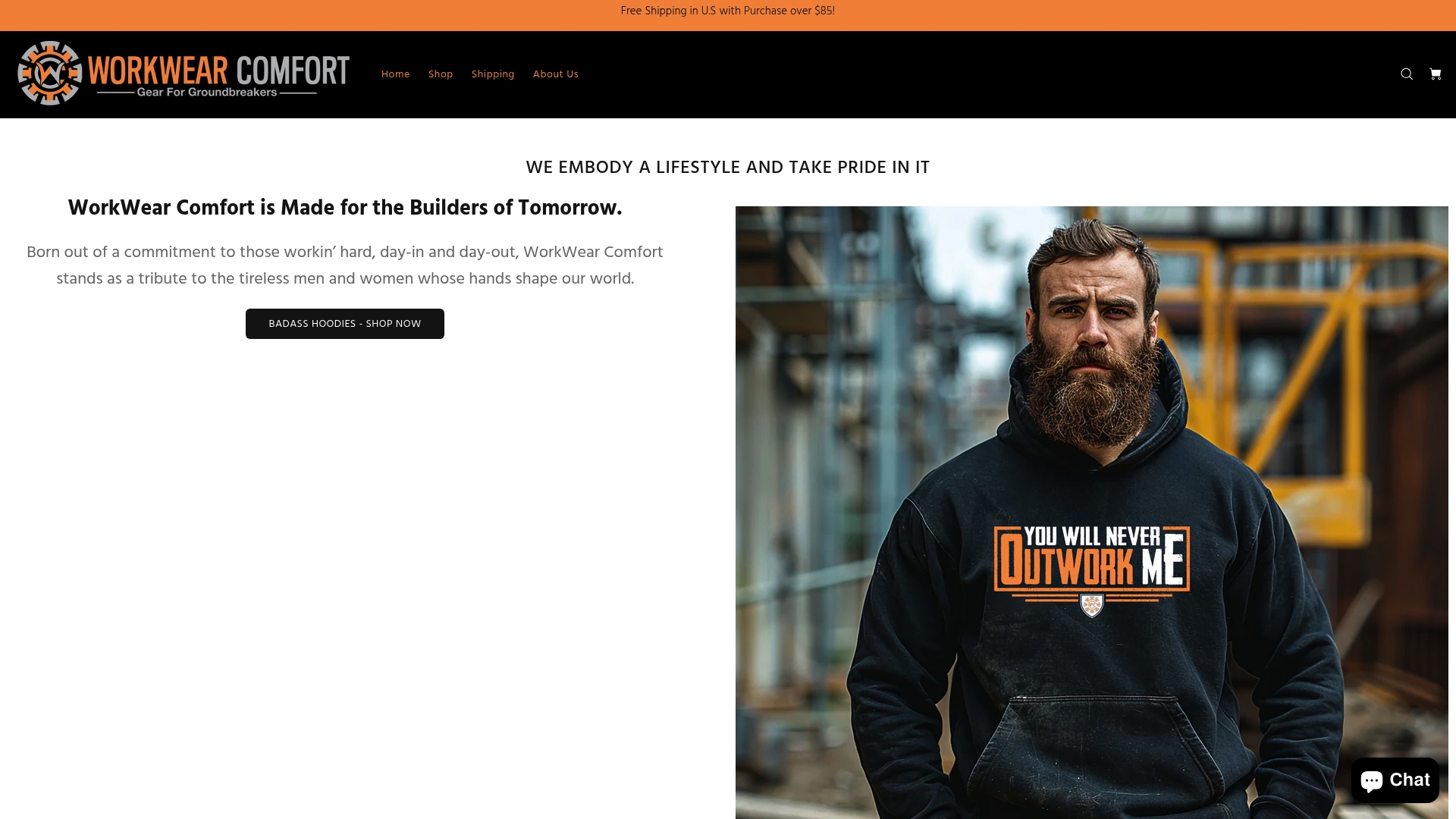
The Blue Collar Brotherhood hooded sweatshirt delivers quality construction with materials that hold up to daily wear on job sites. Layer these under your insulated jacket for adaptable warmth you can adjust as activity levels change throughout the day. For workers facing winter sun exposure at high elevations or on reflective snow, the lightweight UPF 50 work hoodie protects against UV damage while providing breathable comfort.
These hoodies work as standalone layers during moderate conditions or as mid-layer insulation when temperatures drop. The Nobody Cares Work Harder sun hoodie combines moisture-wicking properties with durability that survives repeated washing without losing shape or comfort. Quality materials mean these pieces last season after season, making them a smart investment for your work wardrobe.
Pro Tip: Keep a lightweight hoodie in your truck as an adjustable layer you can add or remove as weather conditions change during the day, letting you fine-tune your comfort without committing to heavy insulation.
FAQ
What insulation weight is best for active versus stationary outdoor work?
Active winter work typically requires 200 to 400 grams of insulation to maintain warmth without causing overheating from physical exertion. Stationary jobs or subzero conditions demand 600 to 1000 grams because your body generates less heat when standing or performing light tasks. Choosing the appropriate insulation level prevents both dangerous sweating and inadequate warmth.
Are composite toe boots warmer than steel-toe boots?
Composite toe boots provide significantly better insulation than steel-toe alternatives because composite materials don’t conduct cold to your feet. Steel creates a thermal bridge that pulls heat away from your toes regardless of insulation thickness. For outdoor workers in subzero temperatures, composite toes maintain safety ratings while keeping feet warmer.
How can I maintain dexterity with gloves while working in cold conditions?
Select gloves specifically designed for dexterity and cut resistance like Mechanix models that handle cold and oily conditions without excessive bulk. Avoid thick, heavily insulated gloves for tasks requiring tool control and fine motor skills. Instead, layer thin, high-grip gloves under waterproof shells or switch between dexterous and insulated gloves based on task requirements.
What are OSHA’s recommendations for preventing cold stress at work?
OSHA recommends wearing three layers of clothing, insulated and waterproof gloves and boots, taking frequent warm breaks, and staying hydrated with warm liquids. Employers should monitor workers for cold stress symptoms including hypothermia and frostbite. Proper training, scheduled breaks in heated areas, and awareness of weather conditions form the foundation of cold stress prevention protocols.
Recommended
- Cold weather work clothes 90% drier with DWR for safety – WorkWearComfort
- Men’s cold weather work clothes: stay warm in 2026 – WorkWearComfort
- Choose the Best Winter Work Jacket for Outdoor Jobs – WorkWearComfort
- Warmest outdoor work clothes: 2026 guide for trades – WorkWearComfort
- Nourish Your Skin in Cold Weather
