

Most workers assume any winter gear will keep them warm outdoors, yet 40% still experience cold stress on job sites despite wearing multiple layers. The truth is that insulation type, rating, and durability matter far more than thickness or brand reputation. This guide reveals exactly how to identify the warmest outdoor work clothes for trades professionals in 2026, focusing on insulation science, durability ratings, and proven garments that protect blue collar workers in the harshest conditions.
Table of Contents
- Understanding Insulation Types For Warm Outdoor Work Clothes
- Decoding Insulation Ratings: Fill Power And CLO Values
- Top Warm Outdoor Work Clothes For Cold, Rugged Environments
- Preventing Cold-Related Health Risks With Proper Workwear
- Explore Warm And Durable Workwear At WorkWearComfort
Key takeaways
| Point | Details |
|---|---|
| Insulation type determines wet weather performance | Synthetic insulation retains 70-80% of warmth when wet while down loses nearly all insulating ability. |
| Fill power and CLO ratings quantify warmth | 800-fill down provides approximately 1.5 CLO per ounce, helping compare materials objectively. |
| Coveralls offer maximum warmth but limit mobility | The Carhartt Yukon Extremes excel in extreme cold but flexible layered systems adapt better to varied tasks. |
| Water resistance is non-negotiable for outdoor trades | Wet clothing reduces insulation effectiveness by 80% and dramatically increases hypothermia risk. |
Understanding insulation types for warm outdoor work clothes
Choosing between down and synthetic insulation shapes your entire cold weather protection strategy. Down insulation is the warmest available insulator but loses insulating ability when wet, making it problematic for trades professionals who work in snow, rain, or high humidity environments. A 700-fill down jacket can feel like wearing a wet blanket after exposure to moisture.
Synthetic insulation takes the opposite approach. It weighs more per unit of warmth and compresses less efficiently in your gear bag. However, synthetic materials retain 70-80% of insulating value when wet compared to down’s dismal 10-20%, making them the superior choice for outdoor work where sweat and weather create constant moisture challenges.
Fill power measures how much space one ounce of down occupies in cubic inches. Higher numbers mean more efficient insulation, but total warmth depends on both fill power and the amount of down used. An 800-fill jacket with 3 ounces of down provides similar warmth to a 600-fill jacket with 4 ounces, though the higher fill power version weighs less and packs smaller.
Synthetic insulation gets measured in grams per square meter rather than fill power. Standard weights range from 60g for light layers to 200g for extreme cold protection. Modern synthetics like PrimaLoft Gold Crosscore deliver near-down warmth while maintaining water resistance, bridging the performance gap that once made down the only choice for serious cold.
Pro Tip: Match insulation type to your work environment, not marketing claims. If you sweat heavily, work near water, or face unpredictable precipitation, synthetic insulation outperforms down regardless of fill power ratings.
For comprehensive guidance on selecting appropriate gear, explore men’s cold weather work clothes options that balance insulation effectiveness with job site durability requirements.
Decoding insulation ratings: fill power and CLO values
Fill power numbers look impressive on product tags but mean nothing without context. Fill power indicates insulation efficiency by measuring the volume one ounce of down occupies after compression, yet total warmth requires multiplying fill power by total fill weight. A 900-fill jacket with minimal down provides less warmth than a 700-fill jacket stuffed with more material.
CLO ratings offer a standardized metric that works across all insulation types. One CLO represents the insulation needed to keep a resting person comfortable at 70°F. CLO ratings standardize insulation performance unlike the fill power variability that makes comparing jackets frustratingly difficult. An 800-fill down jacket typically delivers approximately 1.5 CLO per ounce, while synthetic options range from 0.35 to 1.4 CLO depending on the specific technology used.
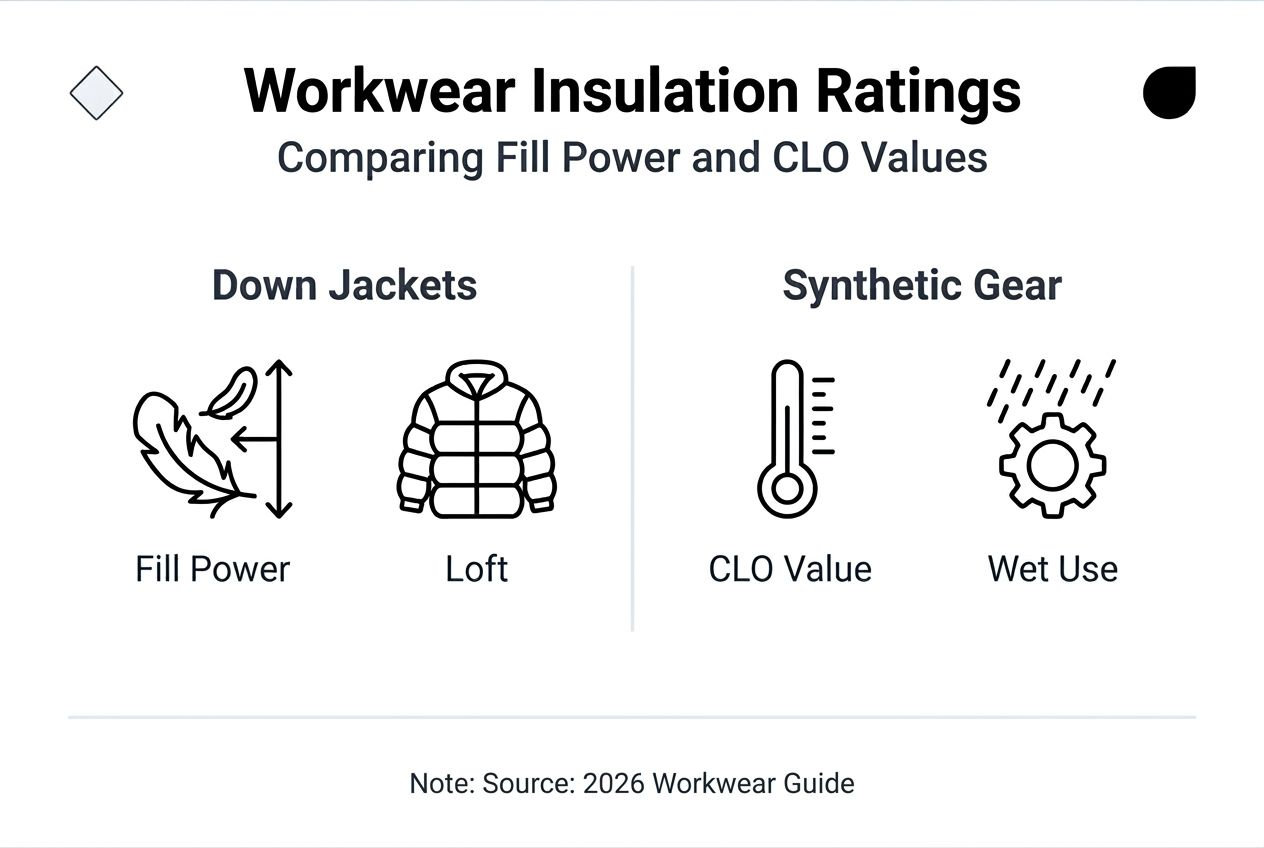
| Insulation Type | Rating Metric | Warmth per Ounce | Wet Performance |
|---|---|---|---|
| 800+ Fill Down | Fill Power | 1.4-1.5 CLO | Poor (10-20% retention) |
| 600-700 Fill Down | Fill Power | 1.0-1.3 CLO | Poor (10-20% retention) |
| PrimaLoft Gold | Grams/m² | 1.2-1.4 CLO | Excellent (70-80% retention) |
| Standard Synthetic | Grams/m² | 0.7-1.0 CLO | Good (60-70% retention) |
Understanding these metrics transforms shopping from guesswork into informed decision making. A jacket listing 100g synthetic insulation tells you far more about expected warmth than vague marketing terms like “winter weight” or “extreme cold protection.”
Pro Tip: Request CLO ratings from manufacturers when comparing jackets across brands. Companies using quality insulation readily provide this data, while those relying on marketing fluff often cannot.
Apply this knowledge when you choose winter work jackets to ensure ratings match your actual temperature exposure rather than manufacturer claims.
Top warm outdoor work clothes for cold, rugged environments
The Carhartt Yukon Extremes represent the gold standard for brutally cold environments where mobility takes second priority to pure thermal protection. These coveralls combine 10-ounce cotton duck outer shells with quilted nylon lining and synthetic insulation rated for temperatures well below zero. However, their comprehensive coverage restricts movement during tasks requiring overhead reach or crouching.
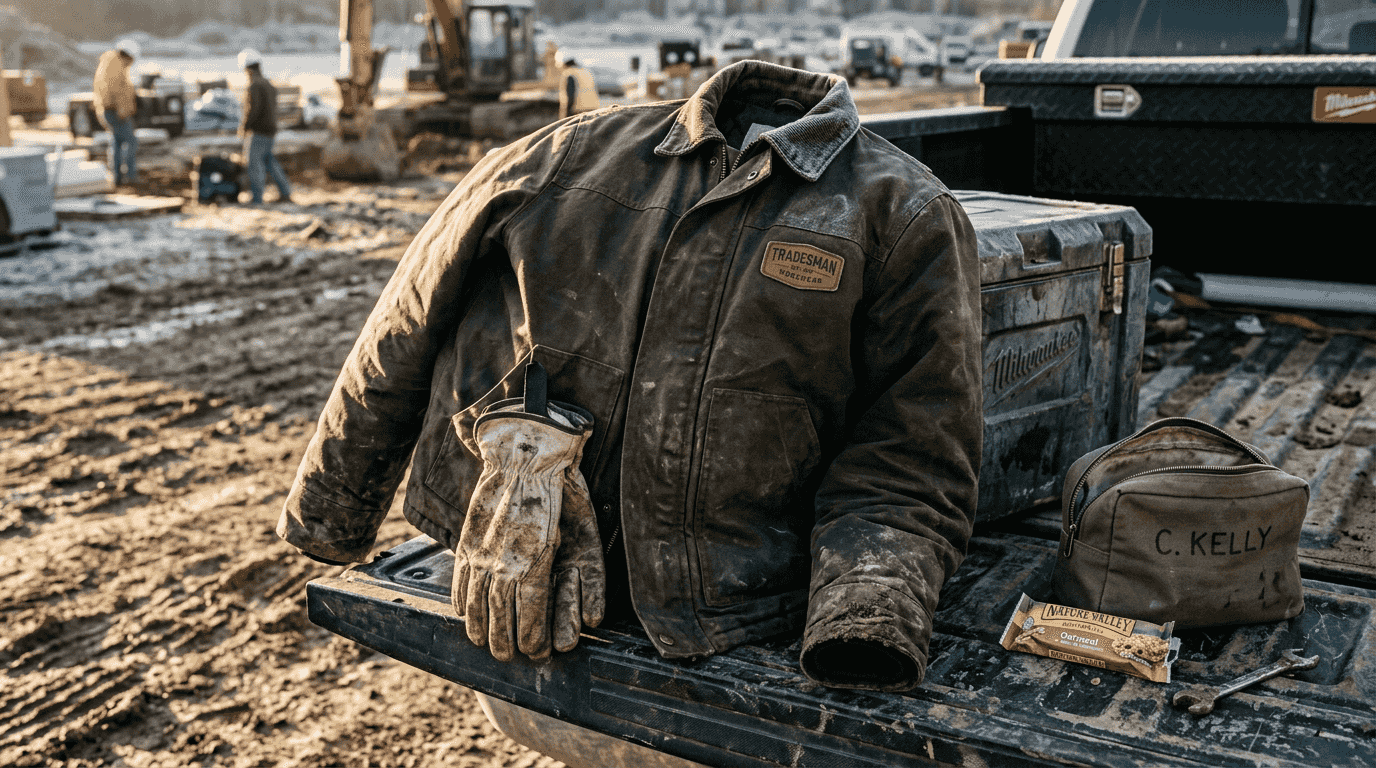
Durable work jackets offer an alternative balancing warmth with flexibility. Workwear jackets are increasingly popular beyond job sites, blending rugged construction with insulation systems that maintain warmth without bulk. Look for jackets featuring ripstop fabrics, reinforced stress points, and insulation weights between 100g and 150g for most cold weather work.
Key features to prioritize in work jackets:
- Articulated sleeves and gusseted underarms for unrestricted movement
- Water-repellent outer shells rated DWR 80 or higher
- Interior storm flaps over zippers to block wind penetration
- Adjustable cuffs and hems to seal out cold air
- Multiple pockets positioned for tool access without removing gloves
| Garment Type | Temperature Range | Mobility Rating | Best Use Case |
|---|---|---|---|
| Insulated Coveralls | -20°F to 20°F | Limited | Stationary outdoor work, extreme cold |
| Heavy Work Jacket | 0°F to 35°F | Good | General trades, moderate activity |
| Layered System | -10°F to 40°F | Excellent | Variable conditions, high activity |
| Insulated Vest | 20°F to 45°F | Excellent | Core warmth, maximum arm mobility |
Water repellency deserves equal attention to insulation ratings. Even the warmest jacket fails when moisture compromises the insulation layer. Specify garments with factory-sealed seams and DWR treatments that withstand repeated washing cycles.
Layering options enhance cold protection by trapping multiple air pockets between garments. A moisture-wicking base layer, insulating mid layer, and weather-resistant outer shell often outperform a single heavy jacket by adapting to activity levels and changing conditions.
For targeted recommendations, review warm work jackets for men and best workwear for construction workers to match specific trade requirements with proven garment options.
Preventing cold-related health risks with proper workwear
Cold stress injuries develop faster than most workers realize. Prolonged cold exposure can cause hypothermia even above 40°F if clothing becomes wet or wind chill factors accelerate heat loss. The combination of physical exertion, which generates sweat, and cold ambient temperatures creates a dangerous thermal management challenge.
Wet clothing represents the single greatest threat to maintaining core body temperature. When water saturates insulation fibers, thermal resistance drops by 80% or more, essentially eliminating the protective barrier between your skin and the environment. This explains why workers wearing supposedly warm gear still experience dangerous cold exposure after perspiring during strenuous tasks.
Layering with breathable, water-resistant materials mitigates these risks. A proper system moves perspiration away from skin through wicking base layers, maintains warmth via insulating mid layers, and blocks external moisture with weather-resistant outer shells. Each layer serves a specific function that single-garment solutions cannot replicate.
Critical cold weather protection strategies:
- Replace cotton base layers with merino wool or synthetic wicking fabrics
- Ensure outer shells feature both water resistance and breathability ratings
- Monitor for early cold stress symptoms including shivering and numbness
- Schedule regular warm-up breaks in heated spaces every 90 minutes
- Keep spare dry clothing accessible for mid-shift changes
“Workers lose more body heat through wet clothing than any other mechanism. Even expensive winter gear provides minimal protection once moisture saturation occurs. Prioritizing water resistance and breathability prevents the conditions that cause cold injuries.”
Frequent breaks in heated environments allow your body to restore core temperature before dangerous drops occur. Combine break schedules with active monitoring for symptoms like confusion, slurred speech, or loss of coordination, which indicate advancing hypothermia requiring immediate intervention.
Selecting warm, breathable, water-repellent garments forms your first line of defense against cold-related health risks. However, proper garment selection must combine with environmental awareness and proactive safety practices to ensure worker protection throughout extended cold exposure.
Learn more about protective features when you explore cold weather work clothes DWR safety considerations that extend beyond basic insulation ratings.
Explore warm and durable workwear at WorkWearComfort
After understanding insulation science and protection strategies, you need reliable sources for proven cold weather workwear. WorkWearComfort specializes in rugged, warm clothing designed specifically for outdoor trades professionals who demand both thermal protection and job site durability.
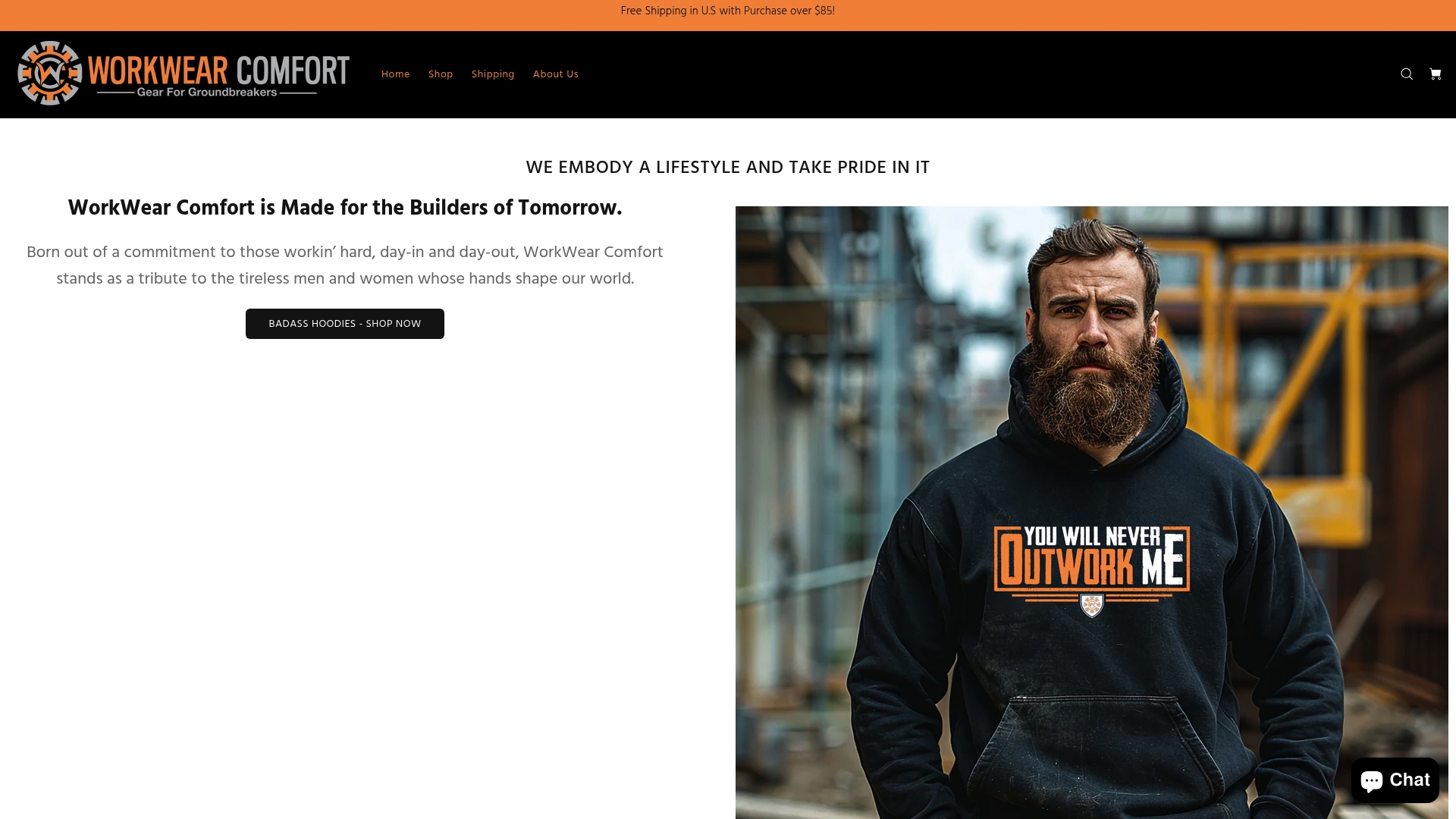
The Blue Collar Brotherhood Hoodie exemplifies the balance between comfort and toughness that defines quality workwear. This heavyweight hoodie serves as an excellent insulating mid layer under weather-resistant shells or as standalone protection during milder cold conditions. Its reinforced construction withstands the abrasion and stress that destroys ordinary sweatshirts within weeks.
Visit the WorkWearComfort homepage to browse the complete selection of cold weather work clothes, each tested and chosen for the demanding requirements of blue collar professionals. Expert fitting guidance ensures you select garments that match your specific trade, climate, and activity level.
FAQ
Are down insulated jackets suitable for wet outdoor work?
Down loses most insulating ability when wet, making it less suitable for damp work environments or trades involving significant perspiration. Synthetic insulation maintains 70-80% of its warmth when saturated, providing far more reliable protection for outdoor workers facing moisture exposure.
What fill power should I look for in a work jacket?
Look for jackets with 700+ fill power if choosing down insulation for high-quality warmth balance. Higher fill power means better insulation efficiency and lighter weight, though it also increases cost. For most outdoor trades work, synthetic insulation rated 100-150g per square meter offers better practical performance regardless of fill power comparisons.
How can I ensure my work clothes stay warm when wet?
Choose synthetic insulated clothing with water resistance ratings of DWR 80 or higher, add waterproof outer layers during precipitation, and utilize moisture-wicking base layers to move perspiration away from skin. Keep spare dry clothing accessible for mid-shift changes when working in extremely wet conditions or during high-exertion tasks.
Are cold weather coveralls better than layering jackets and pants?
Coveralls offer comprehensive warmth and eliminate gaps between jacket and pants, making them superior for stationary work in extreme cold. However, they restrict movement during tasks requiring overhead reach or crouching. Layering provides flexibility and adaptability to changing conditions, better suiting trades requiring varied physical positions and activity levels throughout the day.
Recommended
- Choose the Best Winter Work Jacket for Outdoor Jobs – WorkWearComfort
- 7 Essential Warm Weather Work Wear Tips for Outdoors – WorkWearComfort
- Cold weather work clothes 90% drier with DWR for safety – WorkWearComfort
- Complete Guide to Warm Workwear Essentials – WorkWearComfort
- Guía Esencial De Tecnico Aire Acondicionado 2026
