

Working a full shift outdoors in July heat is brutal. Your shirt soaks through by 9 a.m., your pants feel like a sauna, and by noon you’re fighting fatigue as much as the job itself. For trades professionals and blue-collar workers, the wrong workwear isn’t just uncomfortable — it’s a safety risk. Choosing the right lightweight summer workwear means balancing breathability, sun protection, durability, and jobsite-specific hazards. This guide breaks down exactly what to look for, which options perform best, and how to match your gear to your trade.
Table of Contents
- What to look for in lightweight summer workwear
- Best lightweight summer workwear options for hot conditions
- Lightweight workwear fabrics: pros and cons
- Comparison table: Top lightweight workwear pants and shirts
- Choosing the right lightweight workwear for your trade
- Level up your summer workwear: Shop top picks
- Frequently asked questions
Key Takeaways
| Point | Details |
|---|---|
| Prioritize airflow and protection | Choose workwear with high breathability and UPF sun rating to stay cool and safe outdoors. |
| Match fabric to job hazards | Opt for synthetics in dry heat and NYCO blends when sparks or abrasion are concerns. |
| Check features for real job use | Look for tool pockets, stretch, and reinforced areas that make long days safer and easier. |
| Balance durability and comfort | Premium lightweight pants can last for years if matched to the right trade and task. |
What to look for in lightweight summer workwear
Not all lightweight workwear is built the same. A pair of pants that feels great at a hardware store might fall apart after two weeks on a real jobsite. Before you spend your money, know what actually matters.
Here are the key features to evaluate:
- Breathability: Airflow through the fabric keeps your core temperature down during long shifts. Look for open-weave or vented construction.
- Moisture-wicking: Fabrics that pull sweat away from your skin dry faster and reduce chafing.
- UPF rating: UPF sun protection is critical for anyone working outdoors. UPF 30 blocks about 97% of UV rays; UPF 50 blocks 98% or more.
- Abrasion and tear resistance: Lightweight doesn’t have to mean fragile. Look for reinforced panels at the knees and seat.
- Stretch and mobility: Four-way stretch fabric lets you climb, squat, and bend without restriction.
- Pockets: Tool loops, knife clips, and phone pockets are non-negotiable for most trades.
- DWR finish: A durable water repellent (DWR) coating sheds mud, light rain, and liquid spills.
- USA-made options: Domestic manufacturing often means tighter quality control, though prices run higher.
As empirical testing shows, lightweight summer work pants for blue-collar workers prioritize breathability, moisture-wicking, UPF sun protection, stretch for mobility, and durability against abrasion in rugged environments like mechanics and trades.
Pro Tip: Don’t just check the fabric weight on the tag. Ask about the weave structure. A tighter weave in a lighter fabric can outperform a heavier loose weave for both durability and airflow.
Best lightweight summer workwear options for hot conditions
With those selection criteria in mind, these are the top performers for tradespeople in sweltering conditions. Each option has real strengths and real tradeoffs depending on your work environment.
- Truewerk T1: Outstanding airflow and flexibility. Great tear and abrasion balance for most trades. Not safe near sparks or open flame due to synthetic content.
- Ariat M5 Ultralight: The coolest-feeling option in extreme heat. Excellent breathability. Sizing runs long, and tear resistance is lower. Keep it away from welding.
- 1620 Lightweight NYCO: Thickest of the group. Best for spark exposure and abrasion. Less breathable than synthetics, and needs a break-in period.
- Duluth Flex Dry-on-the-Fly: Highest tear strength in the category. Decent airflow and easy stretch. A solid all-rounder for general construction.
- UPF-rated tops: Pair any of these pants with a UPF-rated shirt from brands like Helly Hansen or BRUNT for full-body protection on exposed jobsites.
For a broader look at how these stack up across different roles, check out these construction workwear comparisons that break down performance by trade.
“Lab results are a starting point, but real-world performance on a 10-hour shift in 95-degree heat tells you what the numbers can’t. The pants that score well in both categories are the ones worth your money.” — Tradesperson field review summary, Carl Murawski testing data
Pro Tip: If you run hot naturally, prioritize airflow over abrasion rating. You can add knee pads for protection, but you can’t add ventilation to a fabric that doesn’t have it.
Lightweight workwear fabrics: pros and cons
Why does every material feel different on the job? Here’s what science and field use show about what’s actually going on with the fabric in your pants and shirts.
Synthetic fabrics (polyester, nylon blends):
- Best moisture-wicking and airflow performance
- Lightest weight options available
- Dangerous near sparks or welding — they can melt onto skin
- Ideal for utility workers, tower climbers, and general outdoor labor
NYCO (nylon-cotton blend):
- Safer for spark-prone environments, meeting NFPA 1975 no-melt standards
- Higher abrasion resistance than pure synthetics
- Heavier and less breathable than synthetic-only options
- Best for welders, ironworkers, and anyone near open flame
Denim and canvas:
- Maximum toughness and abrasion resistance
- Significantly hotter and heavier in summer conditions
- Better suited for cooler months or short-duration outdoor work
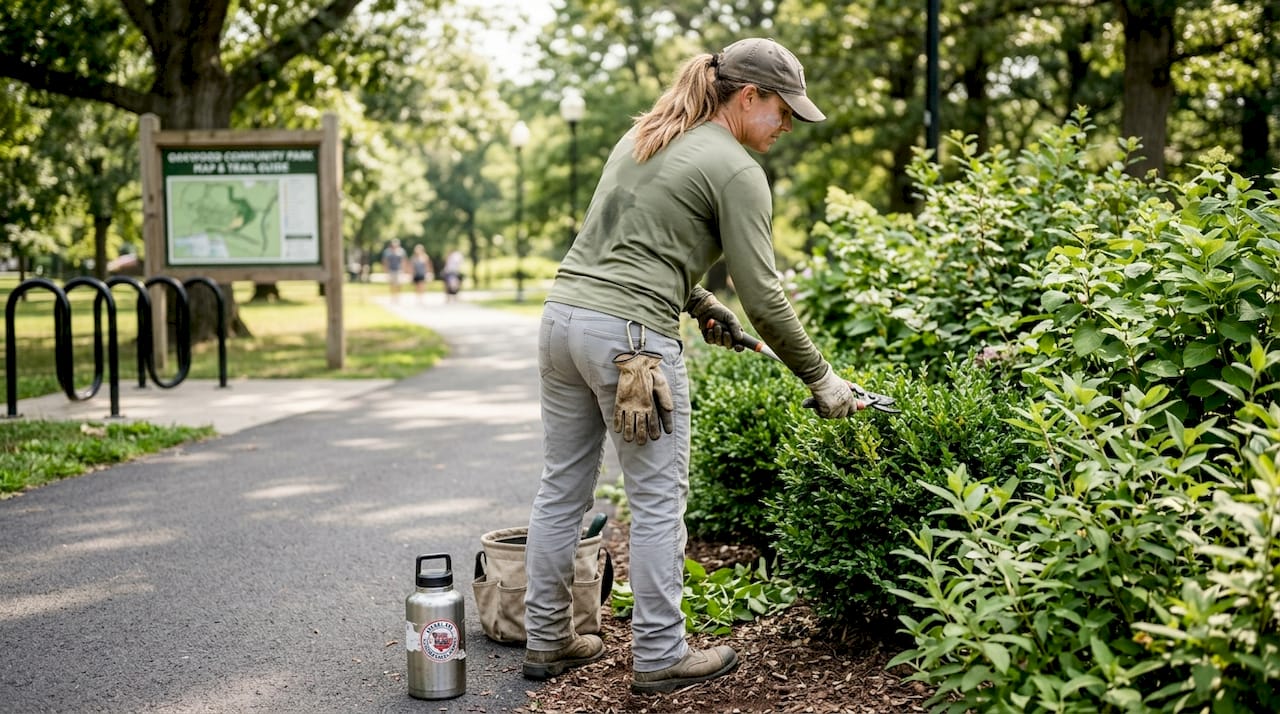
For outdoor workers, pairing the right pants with UPF 50 clothing on top creates a complete sun protection system that covers you from collar to ankle.
The bottom line: never wear synthetic pants near welding or grinding. The convenience of staying cool is not worth a melt injury.
Comparison table: Top lightweight workwear pants and shirts
To help you choose with confidence, here’s a head-to-head breakdown of the front-runners based on third-party lab testing including airflow, Martindale abrasion, and tear strength results confirmed by real-world tradesman reviews across 10-hour shifts.
| Product | Fabric type | Airflow | Tear strength | Abrasion resistance | Sun protection | Best for |
|---|---|---|---|---|---|---|
| Truewerk T1 | Synthetic blend | Excellent | High | High | UPF 50 | General trades, utility |
| Ariat M5 Ultralight | Synthetic | Excellent | Moderate | Moderate | UPF 30 | Extreme heat, outdoor labor |
| 1620 Lightweight NYCO | NYCO blend | Moderate | High | Very high (~9,100 passes) | UPF 30 | Welding, spark environments |
| Duluth Flex Dry-on-the-Fly | Synthetic blend | Good | Very high (203 lb) | High | UPF 30 | Heavy construction, general trades |
| Helly Hansen Workwear shirt | Synthetic | Excellent | Moderate | Moderate | UPF 50 | Sun-exposed outdoor work |
This table gives you a fast read on where each product wins. Match the column that matters most for your daily work to find your best fit.
Choosing the right lightweight workwear for your trade
With all the technical info compared, here’s how to match your next set of gear to your day-to-day demands. Your trade shapes your priorities more than any single feature.
- Electricians and welders: Go with NYCO or heavier blends. Spark safety is non-negotiable. The extra heat is worth staying safe.
- Tower and utility workers: Prioritize UPF rating and airflow. Truewerk T1 or Ariat M5 Ultralight are your best bets for all-day sun exposure.
- Heavy construction: Abrasion resistance takes priority. The 1620 Lightweight NYCO and Duluth Flex Dry-on-the-Fly hold up best on rough surfaces.
- Mechanics: Look for gusseted crotches, articulated knees, and dedicated tool and knife pockets. Truewerk, 1620, and BRUNT Costello HD all deliver here.
- Budget-conscious buyers: Some synthetic options offer strong value, but check sizing carefully and expect a short break-in period. See these budget work pants that hold up through full shifts.
- General trades: Balance breathability and tear resistance. You want pants that handle a wide range of tasks without failing at either end.
For construction pants durability comparisons across brands, or to see what’s trending in branded construction comfort for 2026, those resources break it down by use case.
As expert field reviews confirm, mechanics and trades workers favor gusseted crotches, articulated knees, and tool or knife pockets, with DWR coatings for water and mud shed, and USA-made options like 1620 and FORLOH for long-term durability.
Pro Tip: Buy one pair of your top choice and wear it for a full week before buying more. Fit, pocket placement, and waistband comfort all reveal themselves fast on a real shift.
Level up your summer workwear: Shop top picks
Ready to put the best advice into practice? At WorkWearComfort, we curate workwear built for people who actually work hard, not just people who look like they do. Every pick is chosen with blue-collar values in mind: durability, function, and gear that holds up past the first wash.
If you want something that represents the trades lifestyle while keeping you comfortable, the Blue Collar Brotherhood hoodie is a customer favorite that pairs pride with practicality. Browse the full store for summer-ready options, USA-made lines, and trade-specific fits. Got a workwear story or a brand you swear by? Share it with the community. We’re always listening to the people who actually wear this stuff every day.
Frequently asked questions
Which workwear material is safest for welding or spark-prone jobs?
NYCO blends are the safest choice because they resist melting and meet NFPA 1975 no-melt standards, unlike synthetic-only fabrics that can fuse to skin under heat exposure.
Do lightweight summer workwear pants last as long as heavier options?
Premium lightweight options like the 1620 Lightweight NYCO, which scores around 9,100 Martindale abrasion passes, and the Duluth Flex Dry-on-the-Fly with 203 lb tear strength can absolutely outlast standard pants when matched to the right job.
What is the difference between UPF 30 and UPF 50 summer workwear?
UPF 50 blocks 98% or more of UV radiation compared to about 97% for UPF 30, making it the smarter pick for anyone spending full shifts in direct sunlight.
Can I layer ultralight workwear in cooler mornings?
You can, but the thinnest synthetic fabrics trap very little heat on their own, so layering works better with mid-weight options like NYCO blends that add some insulation without bulk.
