

Most tradespeople think piling on heavy layers is the answer to staying warm on winter job sites. That common mistake leads to overheating, sweat buildup, and ironically, getting colder as moisture chills you from the inside out. The truth is that proper layering beats bulky single garments every time. This guide breaks down the three-layer system proven to keep you warm, dry, and productive in harsh winter conditions. You’ll learn exactly which materials work best for active outdoor trades, how to match insulation levels to your work intensity, and why synthetic fabrics outperform traditional options when conditions turn wet and windy.
Table of Contents
- Key takeaways
- Understanding the three-layer system for winter workwear
- Choosing insulation types for durability and warmth in winter trades work
- Specialized winter workwear considerations and safety features
- Practical tips for wearing and maintaining warm winter workwear on the job
- Explore warm winter workwear at WorkWearComfort
- FAQ
Key Takeaways
| Point | Details |
|---|---|
| Three layer system | The three layer system keeps you warm, dry, and productive by combining a moisture wicking base layer, an insulating mid layer, and a breathable outer layer. |
| Base layer rules | Never wear cotton next to skin in winter conditions, choose merino wool for odor resistance and warmth, select synthetic fabrics for faster drying and lower cost, and ensure base layers fit snugly without restricting movement. |
| Insulation by activity | Insulation weight should match your work intensity, 200 to 400 grams for active trades, 600 to 1000 grams for stationary work, and consider Thinsulate 150 grams for extreme cold. |
| Breathable outer shell | Cordura shells with DWR coatings repel water while allowing moisture vapor to escape to prevent sweat buildup. |
| Specialized safety gear | FR bibs and hi visibility jackets enhance safety for specific trades. |
Understanding the three-layer system for winter workwear
The standard three-layer system for winter workwear transforms how trades professionals stay warm on job sites. Each layer serves a distinct purpose that single heavy garments can’t match. Your base layer sits next to skin and must wick moisture away instantly. Merino wool and synthetic fabrics excel here, while cotton traps sweat and turns into a cold, clammy second skin that steals your body heat.
Your mid-layer provides insulation by trapping warm air close to your body. Fleece weighing 200 to 300 grams or synthetic puffer jackets work perfectly for this role. The key is choosing insulation weight based on how much you move during work. Insulation benchmarks show 200 to 400g suits active trades, while stationary work demands 600 to 1000g to maintain warmth. For extreme cold hitting negative 50 degrees Fahrenheit, Thinsulate 150g provides exceptional protection that keeps workers safe and productive.
Your outer layer acts as a shield against wind and precipitation. Cordura shells with DWR coatings repel water while allowing moisture vapor to escape. This breathability prevents the sweat buildup that causes dangerous chilling. The beauty of this system lies in its flexibility. You can add or remove layers as temperature and work intensity change throughout the day, maintaining optimal comfort without overheating.
Pro Tip: Start your day slightly cool rather than perfectly warm. Your body generates significant heat once you begin working, and beginning too warm guarantees sweat problems within the first hour.
“The biggest mistake I see is workers showing up in one massive jacket. They’re sweating buckets by 9 AM and freezing by noon when that moisture turns cold. Three adjustable layers beat one thick layer every single time.” — Experienced construction foreman
Essential base layer rules:
- Never wear cotton next to skin in winter conditions
- Choose merino wool for natural odor resistance and warmth
- Select synthetic fabrics for faster drying and lower cost
- Ensure base layers fit snugly without restricting movement
Explore comprehensive guidance on selecting the best winter work wear for 2026 and discover men’s winter workwear essentials that combine durability with practical warmth for demanding job sites.
Choosing insulation types for durability and warmth in winter trades work
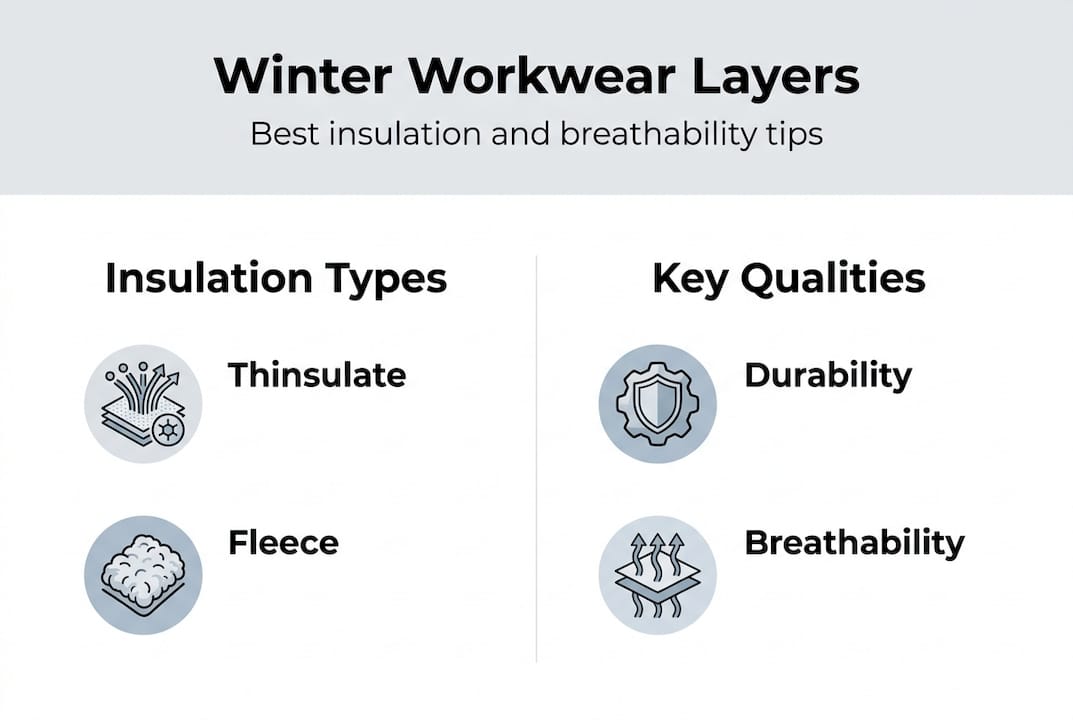
Insulation types vary significantly in performance for trades professionals facing wet, windy conditions. Thinsulate uses microfibers that trap air efficiently while maintaining warmth even when damp. This makes it ideal for job sites where you’re exposed to snow, sleet, or unexpected moisture. Synthetic insulation outperforms down in work environments because it retains insulating properties when wet, unlike down which clumps and loses effectiveness.
AirBlaze represents a lightweight alternative that layers easily without adding bulk. This matters when you need to maintain dexterity for detailed work or fit into tight spaces. The tradeoff is slightly less warmth per ounce compared to Thinsulate, but the breathability advantage often wins for active workers. Active trades professionals need breathable 100 to 200g insulation to prevent the sweat chill that occurs when heavy insulation traps moisture against your skin.
Durability matters as much as warmth rating for workwear insulation. You’re crawling under equipment, brushing against rough surfaces, and subjecting gear to daily abuse that recreational winter clothing never faces. Synthetic fills bounce back after compression better than down, maintaining loft and insulation value through repeated use. This resilience translates to longer gear life and better value over time.
| Insulation Type | Warmth Rating | Wet Performance | Durability | Best For |
|---|---|---|---|---|
| Thinsulate 150g | Excellent | Excellent | Very Good | Extreme cold, stationary work |
| Synthetic 200g | Very Good | Excellent | Excellent | Active trades, wet conditions |
| AirBlaze | Good | Very Good | Good | Layering, high mobility work |
| Down 600 fill | Excellent | Poor | Fair | Dry cold only, not recommended |
Breathability becomes critical when you’re hauling materials, operating equipment, or performing physically demanding tasks. Your body produces significant moisture through perspiration, and that moisture must escape or it will soak your layers from the inside. Synthetic insulation allows vapor transmission while blocking external moisture, creating the ideal microclimate for hard work in cold conditions.
Pro Tip: Test your insulation choice during a typical work morning. If you’re sweating within 30 minutes of starting physical tasks, drop down one insulation weight. Being slightly cool at rest beats being drenched in sweat once work begins.
Insulation selection factors:
- Match insulation weight to your typical activity level
- Prioritize synthetic over down for any wet weather exposure
- Consider Thinsulate for maximum warmth in minimal bulk
- Choose lighter insulation for high-output physical work
- Invest in quality insulation that maintains loft after compression
Learn more about cold weather work clothes with DWR and safety features and explore men’s cold weather work clothes that stay warm and durable through demanding winter conditions.
Specialized winter workwear considerations and safety features
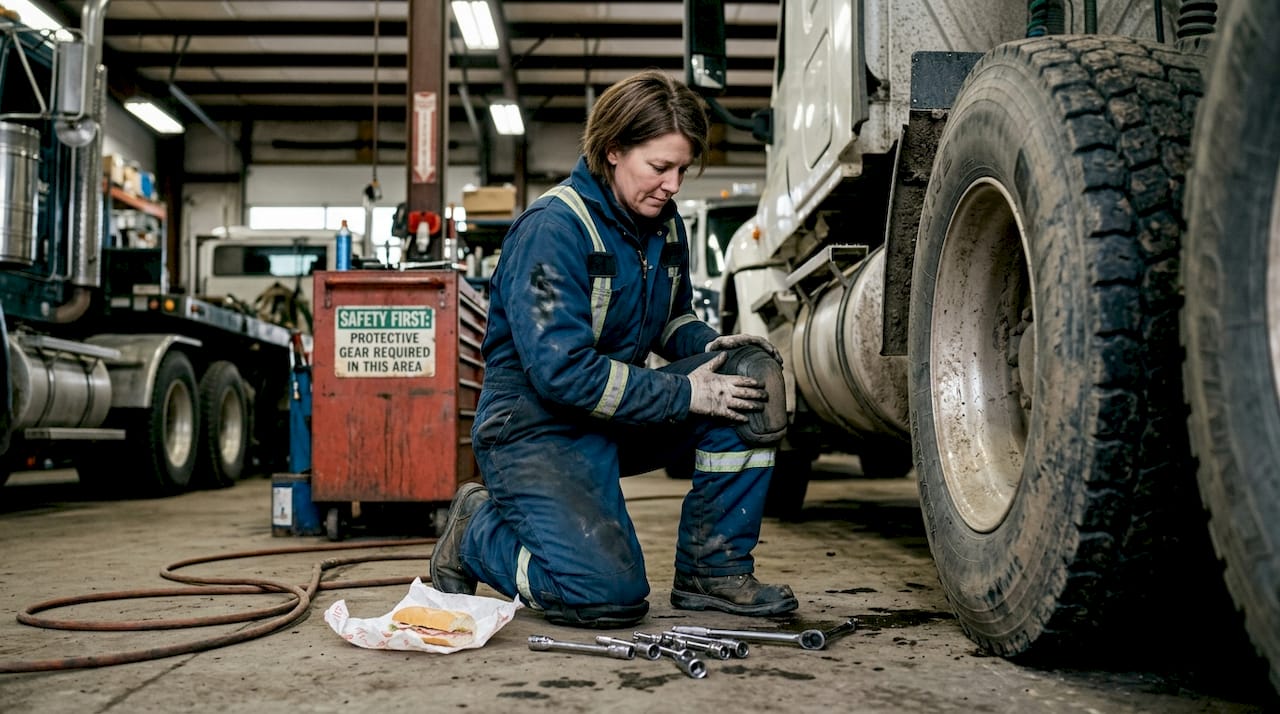
Flame-resistant fabrics like Carhartt FR duck provide essential protection for welders and mechanics working with sparks, heat, and open flames. Standard insulated workwear can ignite or melt when exposed to welding spatter, creating severe burn risks. FR bibs and jackets meet safety standards while still providing the insulation you need for cold shop environments or outdoor fabrication work.
Hi-vis jackets increase visibility on construction sites where equipment operators, delivery trucks, and multiple crews work simultaneously. Hi-vis requirements for construction safety ensure workers remain visible in low light conditions, fog, or snow. Modern hi-vis winter gear combines ANSI-compliant reflective striping with proper insulation, eliminating the need to choose between warmth and safety.
Cotton base layers create a dangerous situation in winter work environments. Cotton holds moisture against skin, dramatically increasing heat loss and hypothermia risk. Even small amounts of perspiration turn cotton into a heat sink that pulls warmth away from your core. This common mistake causes more cold injuries than inadequate insulation.
Over-layering seems logical but backfires quickly on active job sites. Wearing too many layers causes excessive sweating, and that moisture has nowhere to go. When you finally stop moving or take a break, all that trapped moisture rapidly chills you. OSHA cold stress protocols emphasize proper layering, regular breaks, and monitoring workers for signs of hypothermia or frostbite.
Essential safety practices for winter work:
- Rotate gloves and socks every two to three hours to prevent moisture buildup
- Take warming breaks in heated spaces every hour during extreme cold
- Monitor coworkers for slurred speech, confusion, or excessive shivering
- Keep extra dry base layers available for mid-shift changes
- Follow OSHA guidelines for temperature thresholds and work duration limits
Trade-specific winter gear requirements:
- Welders and fabricators need FR-rated outer layers over synthetic base layers
- Construction crews require hi-vis outer shells meeting ANSI Class 2 or 3 standards
- Electricians benefit from arc-rated insulated bibs for outdoor panel work
- Mechanics need oil-resistant outer layers with adequate insulation for shop bays
- Concrete workers require waterproof boots and moisture-wicking layers for wet conditions
Understand your specific trade hazards and select winter workwear that addresses both cold protection and job-specific safety requirements. Generic winter clothing often lacks the flame resistance, visibility features, or durability that trades work demands. Discover winter work wear for construction that meets safety standards and learn how to choose a winter work jacket for outdoor jobs based on your specific trade requirements.
Practical tips for wearing and maintaining warm winter workwear on the job
Layering trumps single thick garments because it enables temperature and activity adjustment throughout your workday. Start with your lightest effective combination and add layers as needed. This prevents the common mechanic error of overheating early, sweating heavily, then experiencing dangerous chill when moisture accumulates. Removing a mid-layer takes seconds and prevents hours of discomfort.
Wash synthetic base layers after every use to maintain their moisture-wicking properties. Body oils, salt from sweat, and dirt clog the fabric structure that moves moisture away from skin. A clogged base layer performs no better than cotton, trapping moisture and causing chill. Use technical fabric detergent and avoid fabric softener, which coats fibers and destroys wicking ability.
Rotate socks and gloves frequently during long shifts in extreme cold. Your extremities produce moisture that gets trapped in boots and gloves, and damp fabric against skin accelerates heat loss. Carrying spare socks and glove liners lets you swap to dry gear, preventing frostbite and maintaining dexterity. This simple practice has prevented countless cold injuries on winter job sites.
Avoid the temptation to wear every layer you own. Synthetics and Thinsulate perform better in wet and windy conditions than traditional duck alone, so trust your gear rather than piling on excess clothing. Over-layering restricts movement, causes fatigue, and guarantees sweat accumulation. Three well-chosen layers outperform five random ones.
Pro Tip: Hang your outer layer and mid-layer to air dry during lunch breaks. Even 30 minutes of drying time removes accumulated moisture and restores insulation effectiveness for the afternoon shift.
Daily gear management routine:
- Check weather and plan your layer combination before leaving home
- Start slightly cool, knowing you’ll warm up within 15 minutes of work
- Remove your mid-layer before you start sweating heavily
- Swap to dry socks and glove liners at mid-shift break
- Hang gear to dry completely overnight, never store damp
- Inspect zippers, seams, and insulation weekly for damage
- Wash base layers after each use, outer layers weekly or when soiled
Store your winter workwear properly during off-season to maintain insulation loft and fabric integrity. Clean all items thoroughly before storage to remove oils and dirt that attract insects and cause deterioration. Store in a cool, dry location with adequate air circulation. Avoid compressing insulated items for long periods, as this permanently damages loft and reduces warmth.
Inspect gear regularly for wear points, damaged zippers, and compromised waterproofing. Small repairs made promptly prevent major failures during critical cold snaps. Re-apply DWR treatment to outer layers annually or when water stops beading on the surface. This simple maintenance restores water repellency and extends gear life significantly.
Find practical advice in our work clothes for winter guide and explore men’s warm workwear for job sites that stands up to daily abuse while keeping you comfortable.
Explore warm winter workwear at WorkWearComfort
Now that you understand proper layering and material selection, finding gear that delivers on those principles matters. WorkWearComfort specializes in workwear that combines durability with genuine comfort for trades professionals who can’t afford gear failures on cold job sites.
Our hoodies feature advanced synthetic fabrics that wick moisture effectively while providing the flexibility you need for physical work. The Skilled Labor Isn’t Cheap sun work hoodie works perfectly as a mid-layer or standalone piece for milder winter days. For those who take pride in their trade, the Don’t Tread on the Trades lightweight work hoodie delivers both function and attitude. When you need motivation on tough mornings, the Nobody Cares Work Harder sun work hoodie reminds you why you show up every day. Each piece is designed with the understanding that trades professionals need gear that works as hard as they do, combining practical features with the durability to last season after season.
FAQ
What is the best base layer material for winter workwear?
Synthetic fabrics or merino wool are best as base layers because they wick moisture effectively and dry quickly, unlike cotton which retains moisture and causes chill. Synthetics cost less and dry faster, while merino wool provides natural odor resistance and warmth even when slightly damp. Both options keep you warm and dry during active winter work.
How should tradespeople adjust layering for different activity levels?
Active trades need lighter insulation, typically 100 to 200 grams, to allow breathability and prevent sweat buildup during physical work. Stationary work requires heavier insulation of 600 grams or more to maintain warmth without the heat generated by movement. The layering system enables easy adjustments by adding or removing the mid-layer as your activity level changes throughout the day.
What specialized winter gear is recommended for welders and mechanics?
Flame-resistant fabrics like Carhartt FR duck bibs protect against sparks and heat risks that standard workwear can’t handle safely. Combine FR outer layers with moisture-wicking synthetic base layers to maintain both safety and comfort in cold shop environments. Durable, moisture-wicking layers improve comfort and safety in hazardous environments where traditional cotton gear creates burn risks.
How can workers prevent sweat chill while wearing winter workwear?
Avoid cotton next to skin and use synthetic or wool base layers that move moisture away from your body instead of trapping it. Adjust layers before you start sweating heavily by removing your mid-layer when work intensity increases. Take breaks to air dry, rotate gloves and socks frequently, and start your day slightly cool rather than perfectly warm, knowing your body will generate significant heat once work begins.
